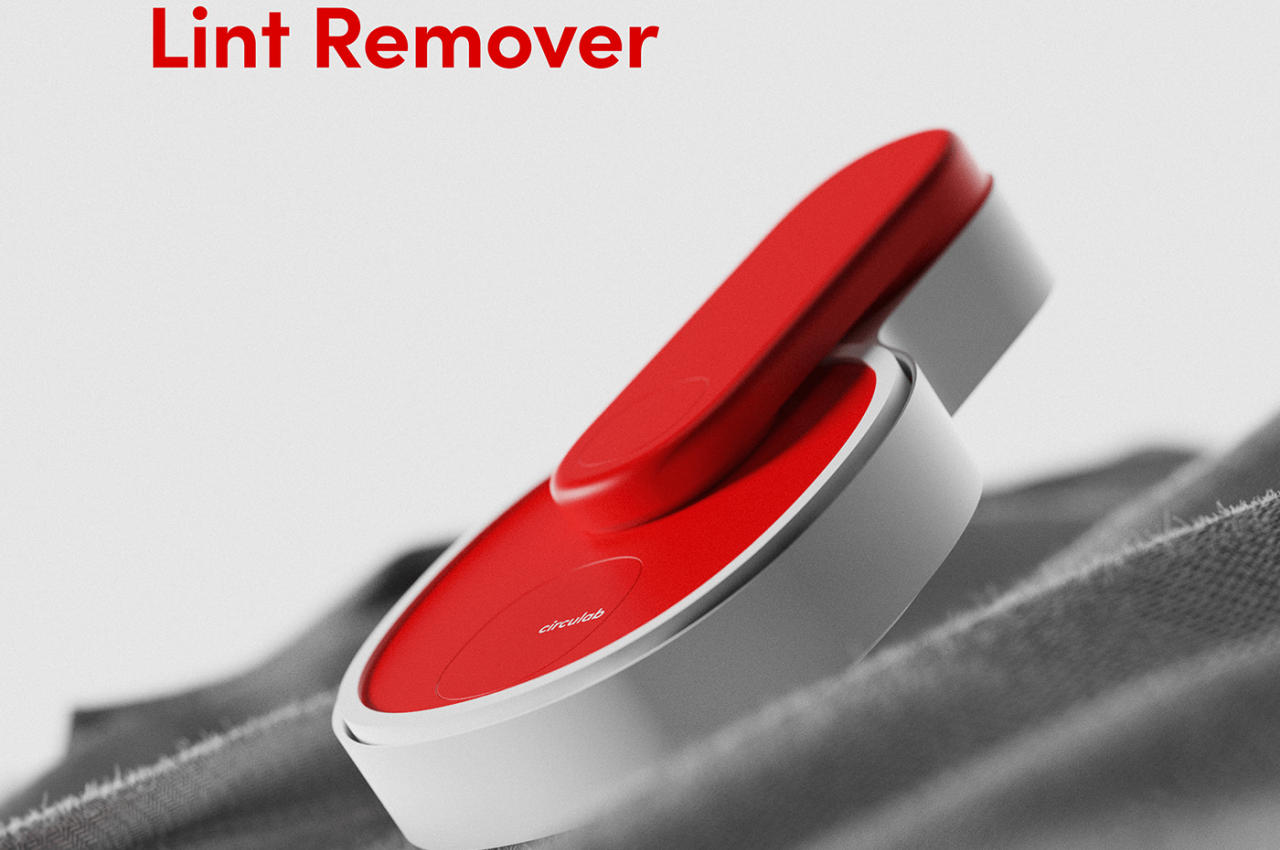
We’ve seen our fair share of modular designs, both in practice and in theory, and almost all of them have one common goal. Modular systems are primarily intended to allow people to customize the product, whether by expanding its scope or even just rearranging parts. Modularity can sometimes have the side benefit of making it simpler to repair or replace damaged parts, however, the parts don’t serve any other purpose than being part of the whole. This circular modular system proposes that parts can be reused for new products. It is a great idea for sustainability.
Designer: Seungheon Baek, Soohyun Kim
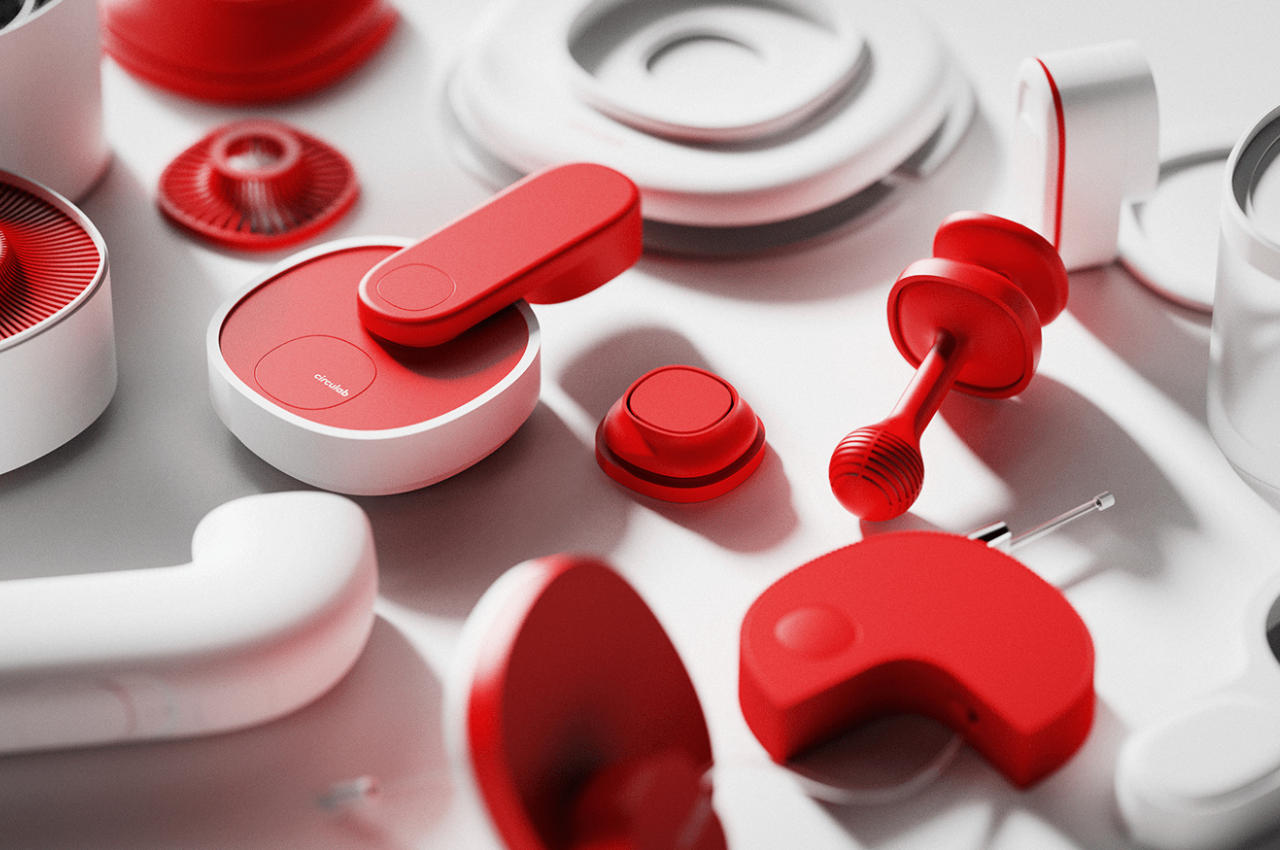
A modular desk that lets you add or remove parts as you need is pretty neat, but most of the time, those parts become useless when the desk itself gets broken beyond repair or is no longer usable. This kind of waste is even more pronounced in electronics, even the modular ones, when parts have to be thrown away because the whole can no longer be used anyway. You could recycle those parts, of course, but recycling also consumes energy and water in the long run. It would be better, instead, if you could reuse those parts for something else.

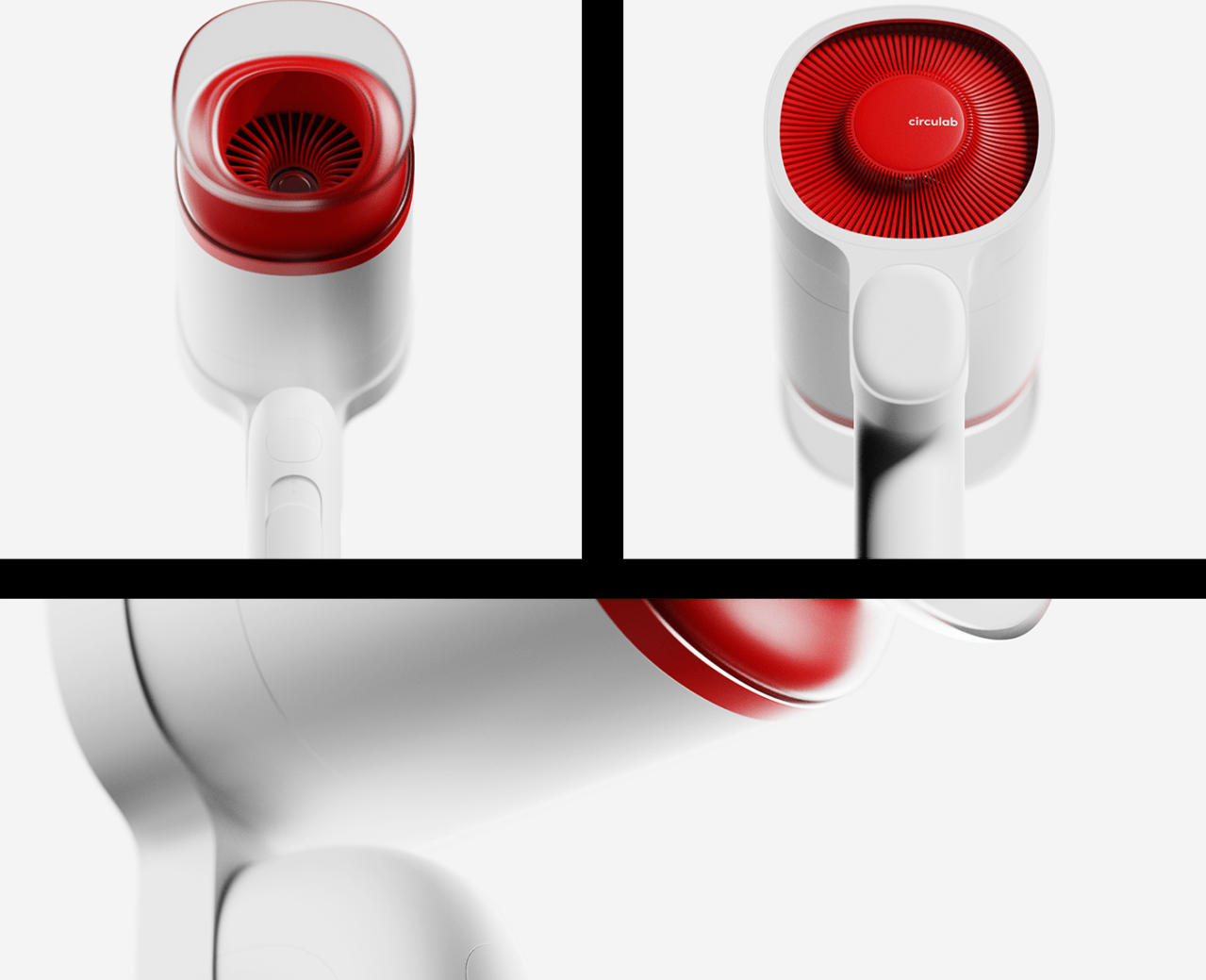
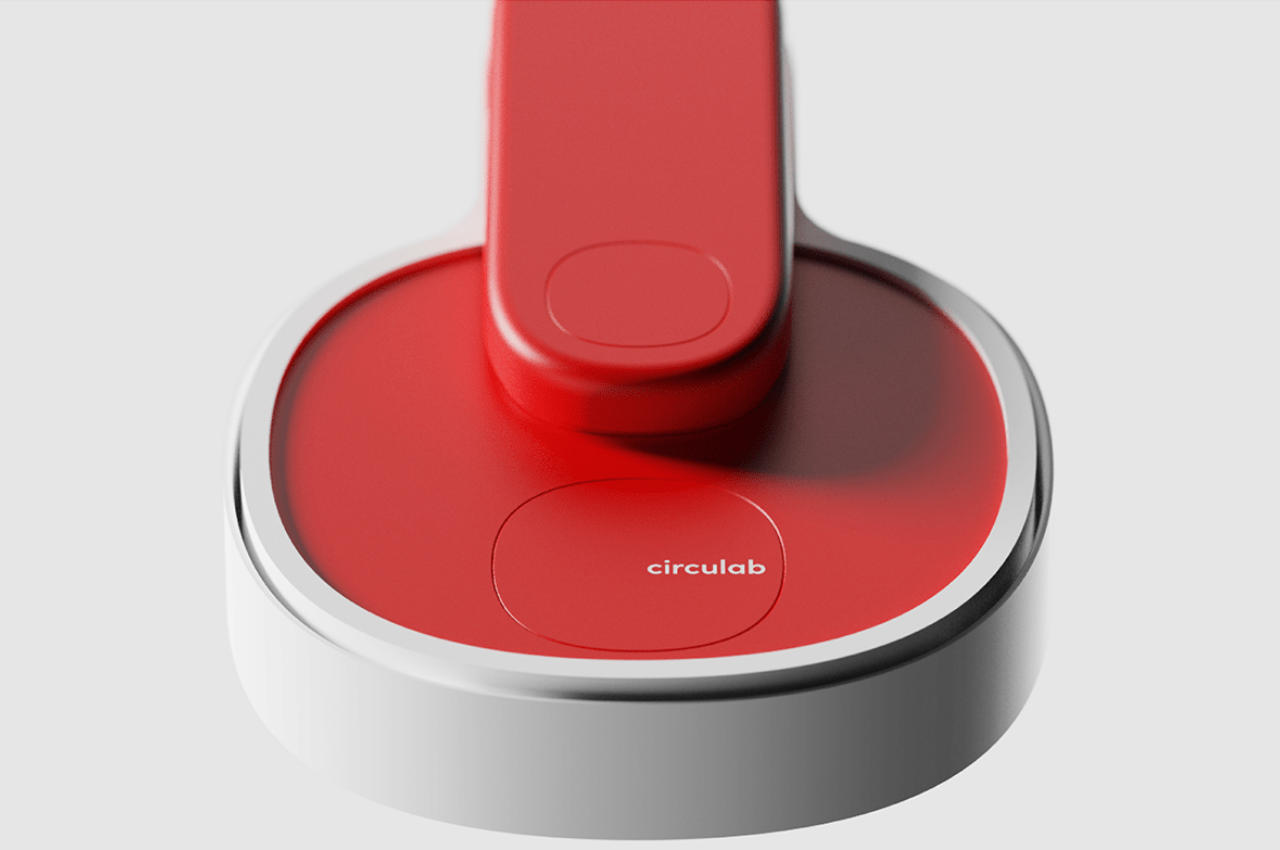
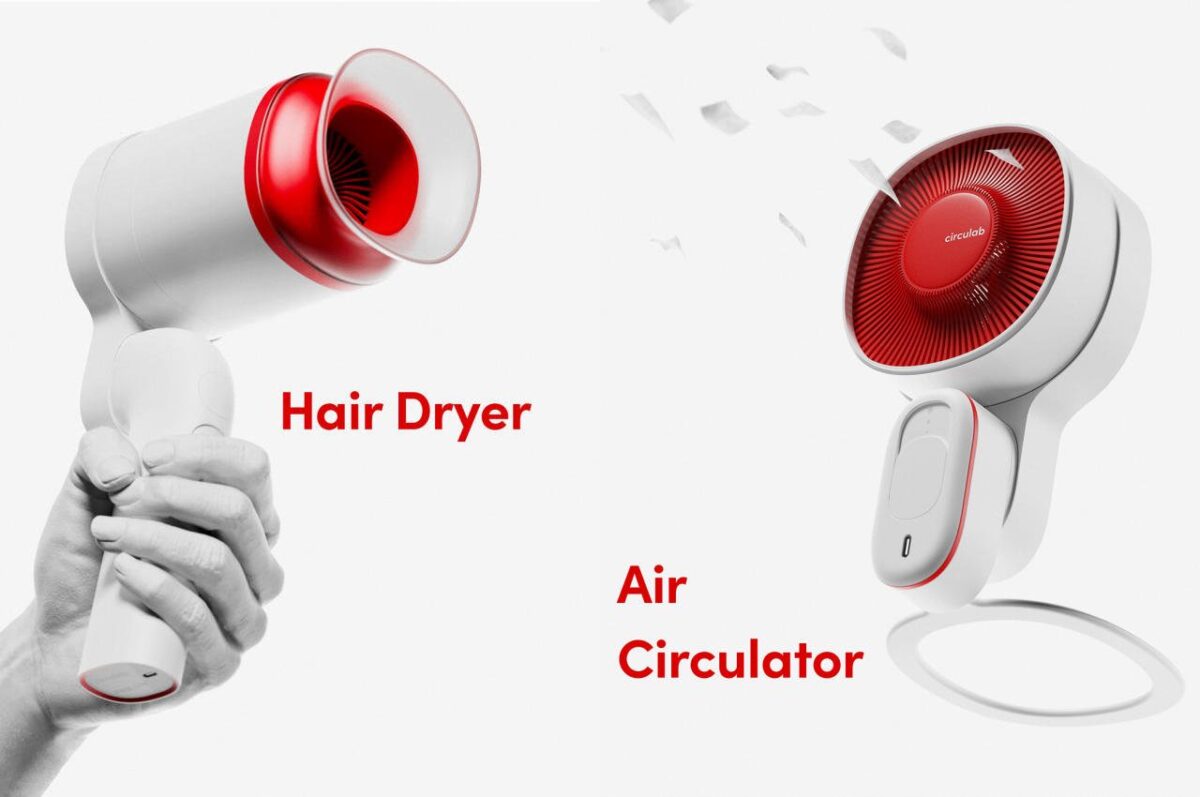
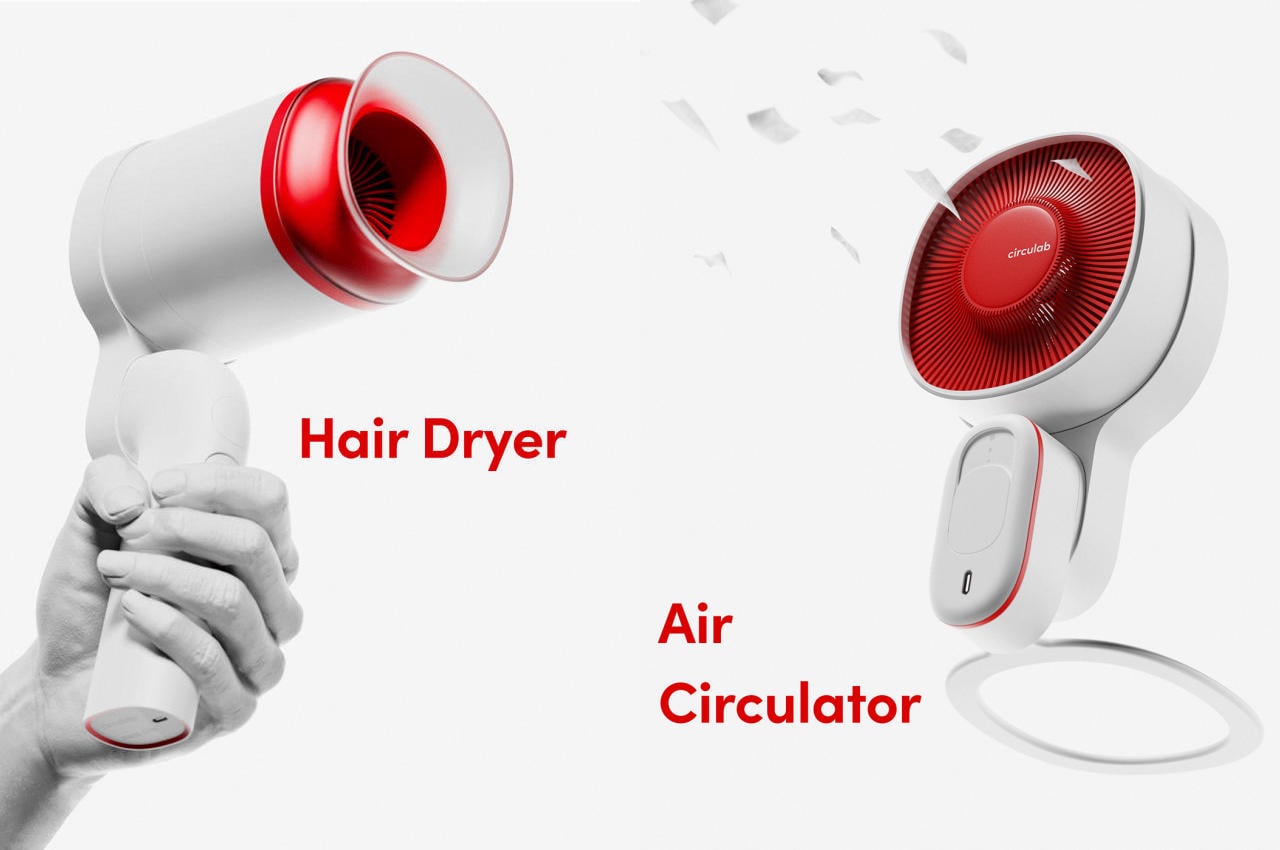
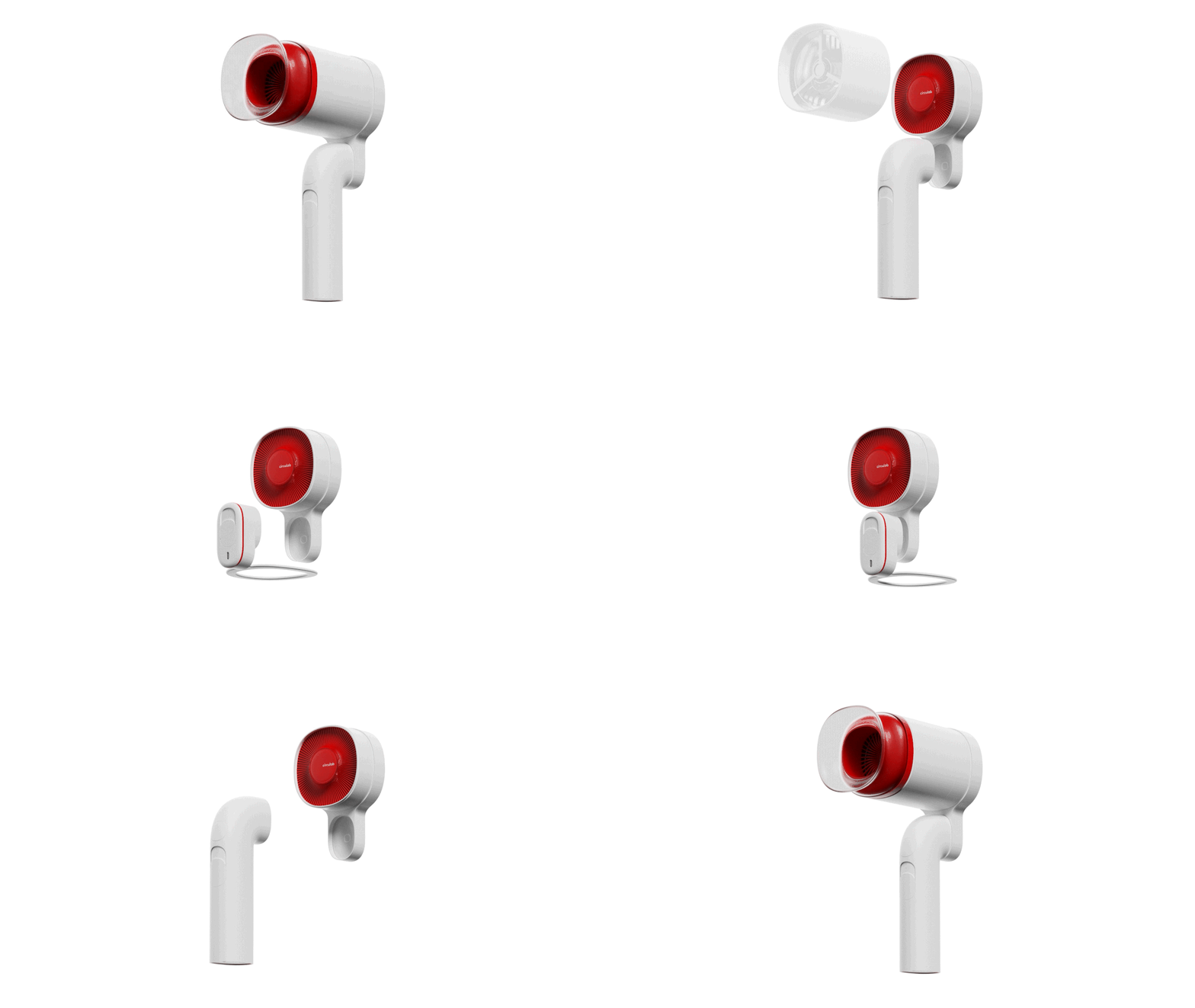
“Circulab” is a portmanteau of “circular” and “laboratory” and is a system that was conceptualized to reduce electronic and material waste. It means that one part can be used in conjunction with another product. For example, the fan of a hairdryer could become the fan of an air circulator by simply changing the chassis and removing the heating components.
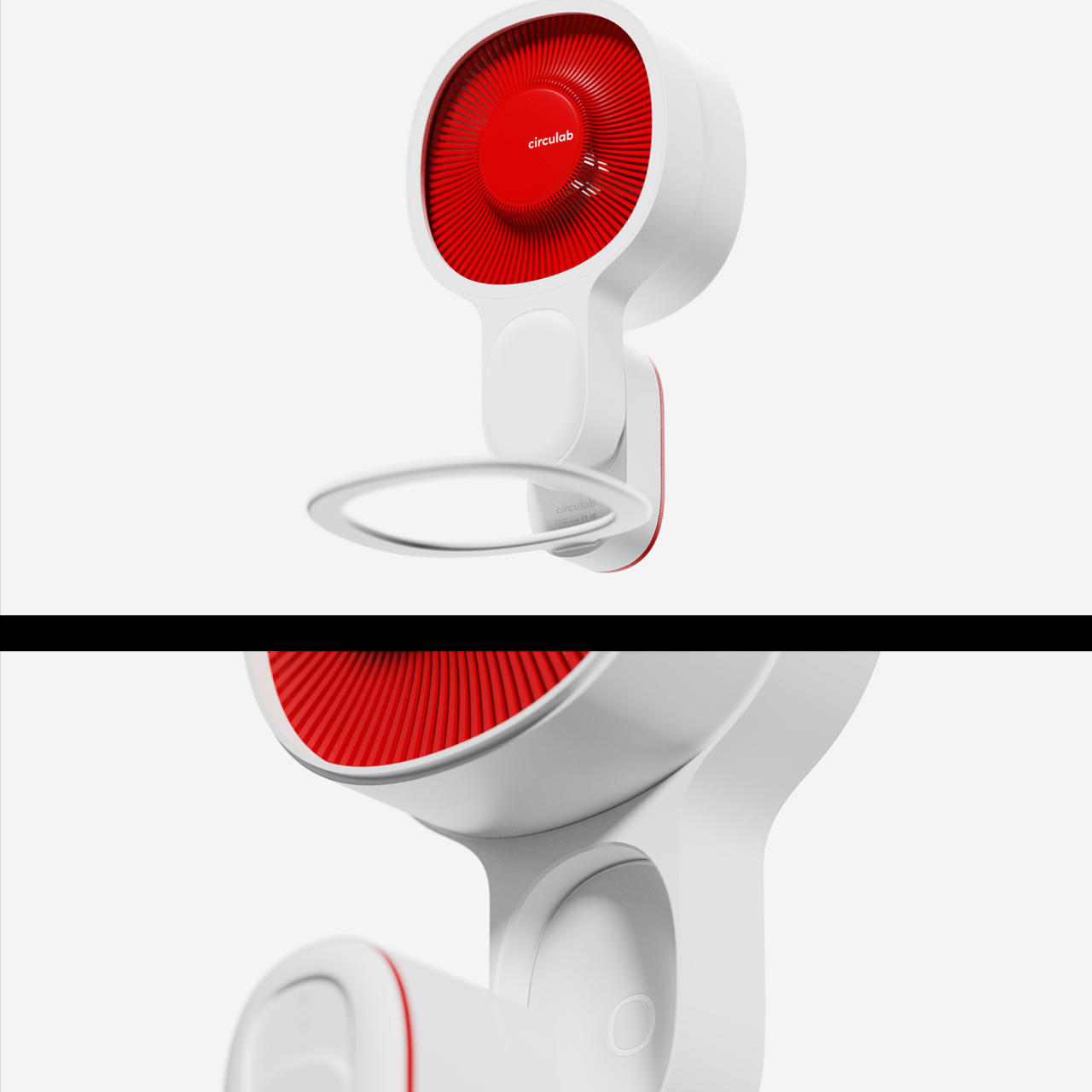
This creates a virtuous cycle where other parts are passed on to new products. For example, the battery hub of an air circulator can serve as a base for a cleaner or styler. A styler’s water container can be used as a container to hold an oral irrigator, or humidifier. If the parts of the humidifier are in working order, the top part can be used as the nozzle for the hairdryer.
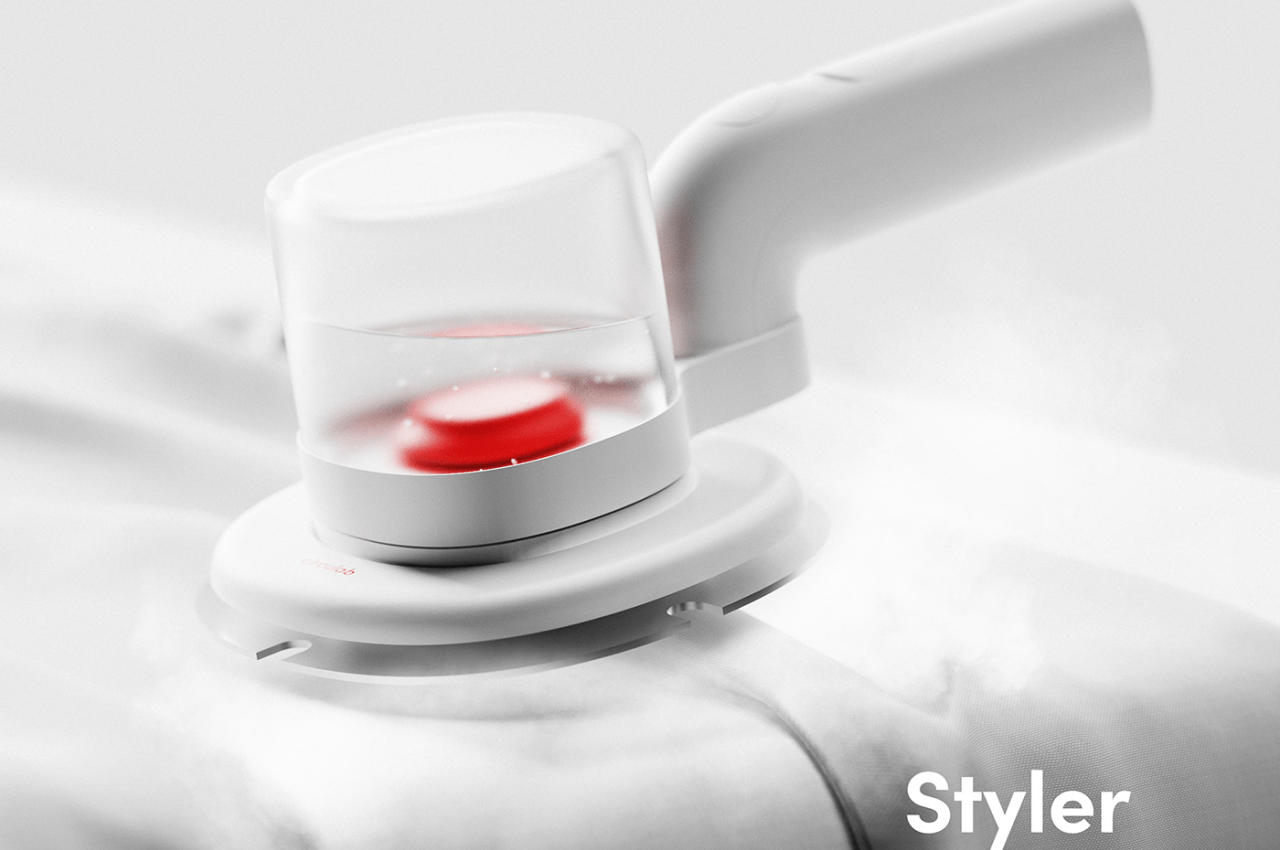
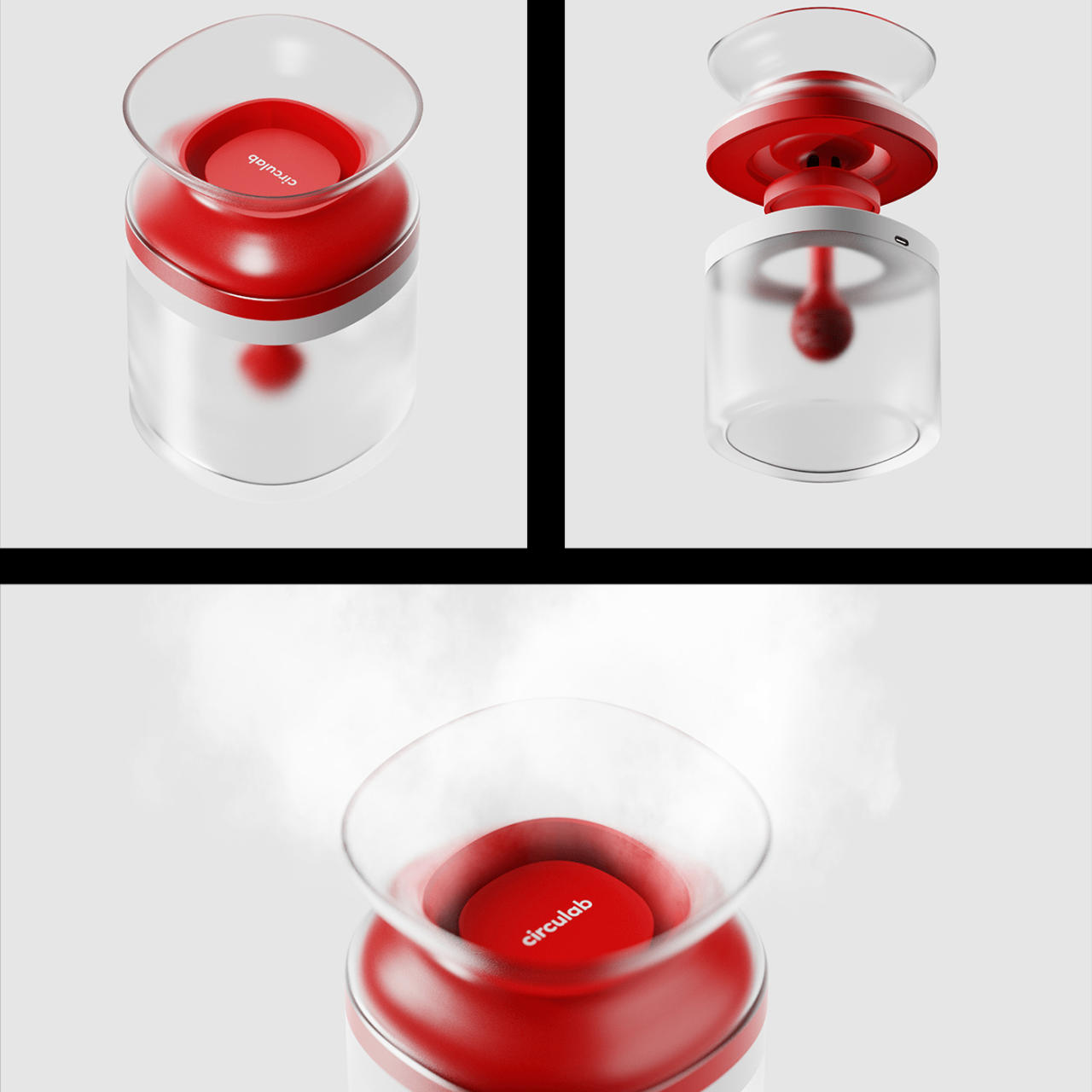
This creates something almost like a LEGO for products, where people can mix and match parts depending on what they need. This system can be used on any product, even if it is damaged beyond repair. And, of course, each part can even be “smart,” allowing you to check its status through a connected smartphone.
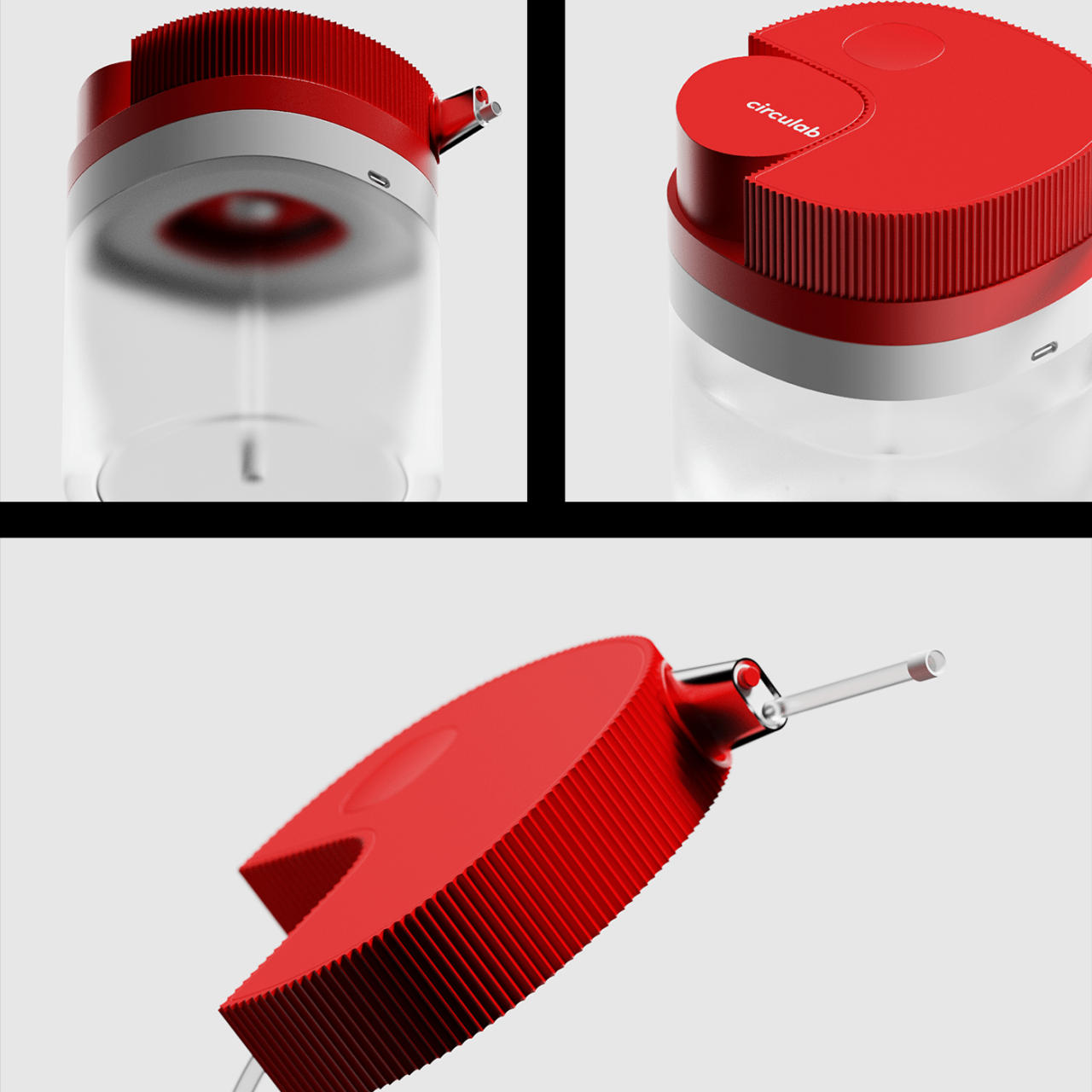

Unfortunately, current business trends and market practices go against such a reusable modular system. It is in a company’s best interests to just keep churning out products that are often thrown away at the end of their life, forcing people to buy whole new devices even when only a single part is broken. Fortunately, many companies are also getting smarter and are building their businesses around selling parts and offering services, so this kind of modular system might not be that distant a dream.