OnePlus Nord Buds appear in live photos, confirm design
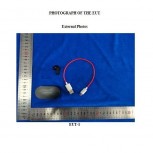
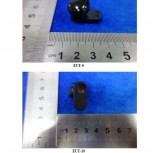
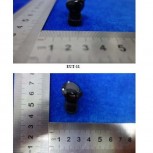
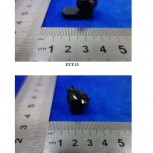
OnePlus is expected to launch TWS earphones under its affordable Nord brand. We saw renders of the alleged audio wearables, and today they were certified by the FCC. The listing came with photos of the actual earphones, as well as information about the battery capacity and what to expect in the retail box.
The buds will come with a small circular touch area and will have a short, wide, flat stem.
OnePlus Nord Buds on FCC
The OnePlus Nord Buds will have a 480 mAh battery in the case, while each bud will come with a 41 mAh battery. There appears to be a USB-C to USB-A cable for charging.
The name is also confirmed as well as the Black color version, but we expect at least one more option, likely white. The case has a model number E505A, with both buds sporting E505AR and E505AL. They were also spotted at BIS, meaning a launch in India is imminent.
The biggest question is how much would these TWS earbuds cost – currently, OnePlus sells its most affordable audio wearables, the Buds Z2, for $99/€99/INR4,999, but the Nord Buds should be able to go lower.
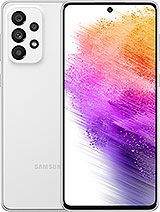
The Samsung Galaxy A53 maintained its lead in our trending chart for a second week in a row, but its A73 stablemate lots a lot of ground and is now sixth.
This allowed the Redmi Note 11 to get the silver medal and the Galaxy S22 Ultra to return to the podium positions.
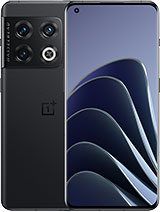
The newly announced BlackShark 5 Pro shot to fourth position, while the OnePlus 10 Pro captured fifth on the back of its global launch.
Poco’s X4 Pro makes a strong return to the trending chart and captures seventh position, while the Xiaomi 12 Pro – the company’s most premium phone to come out this year slid down to eight.
The final two positions go to iPhone 13 Pro Max and the Galaxy A52s just like last week, but this time around it’s Apple flagship ahead of the Samsung mid-ranger.
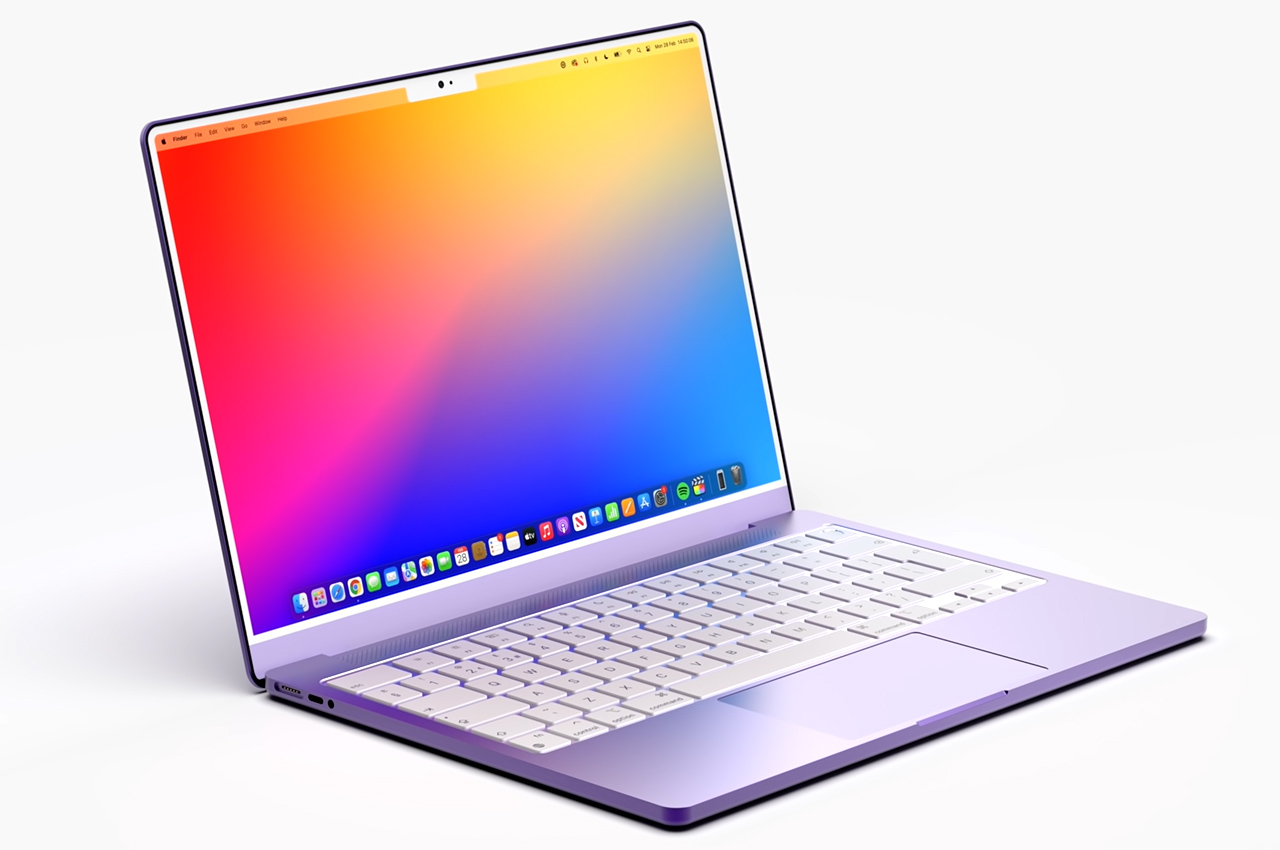
These 2022 MacBook Air renders could be the most accurate pictures of how the new device will look
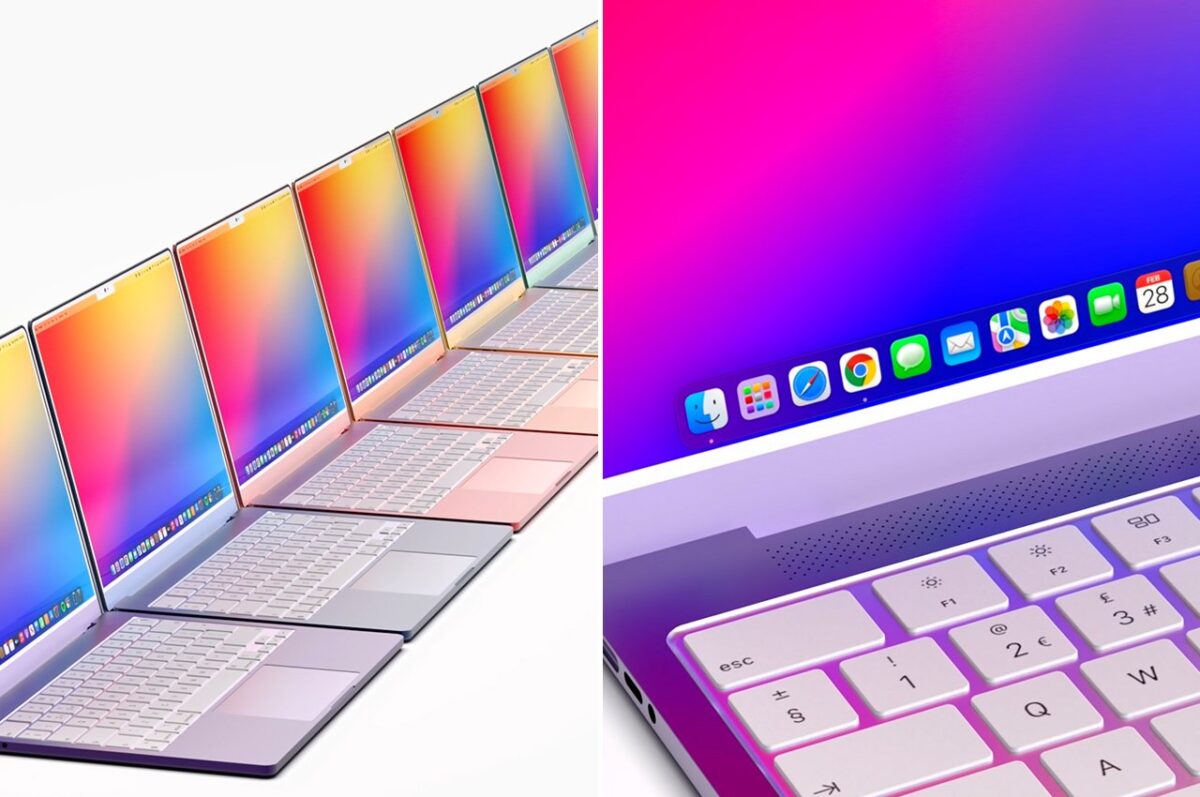
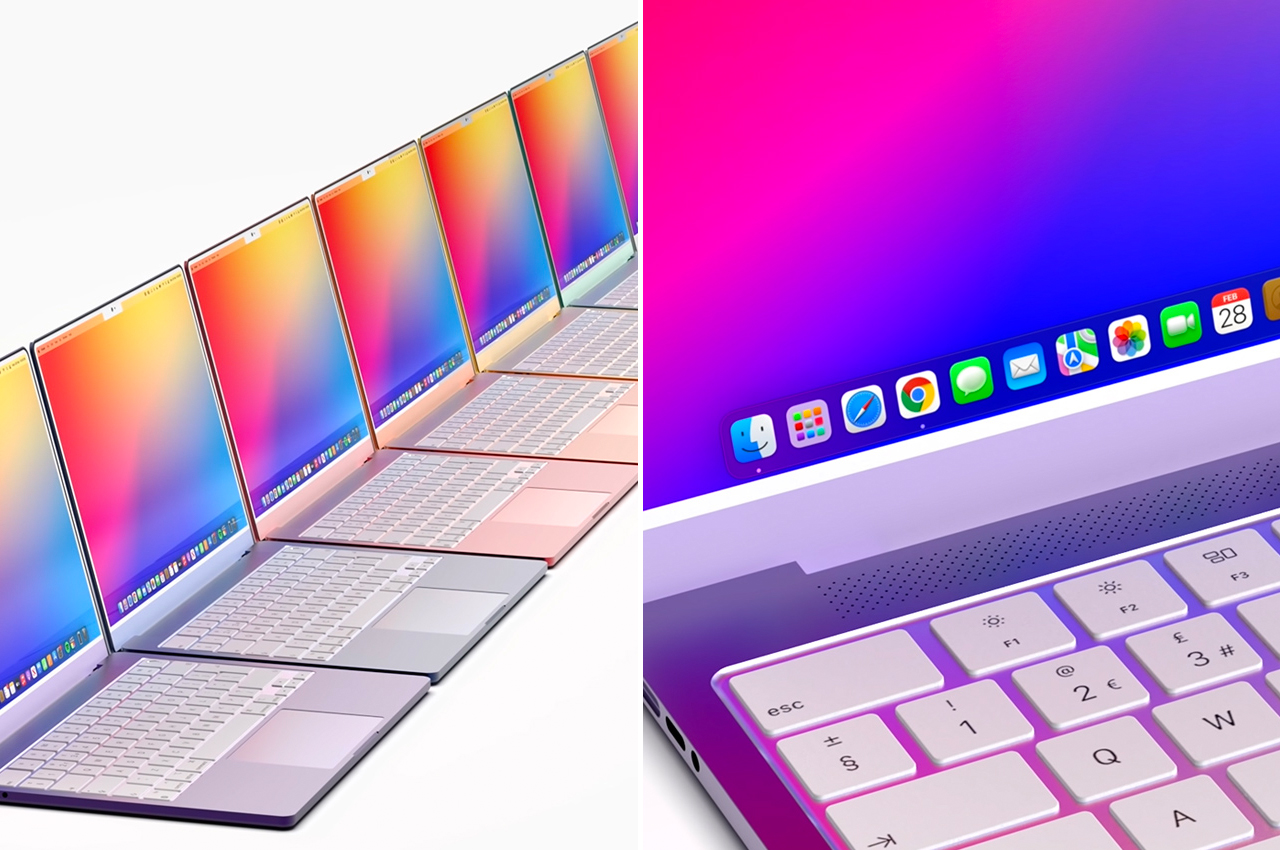
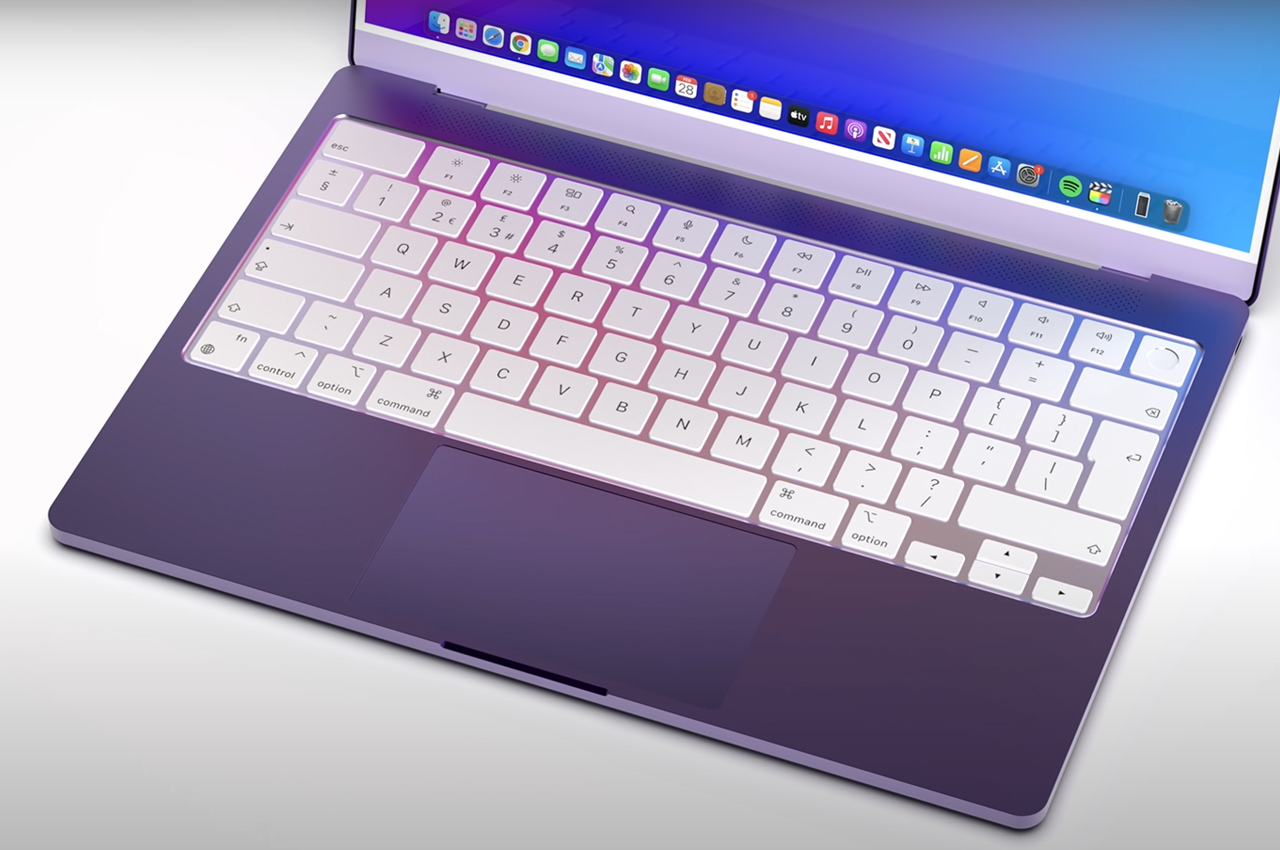
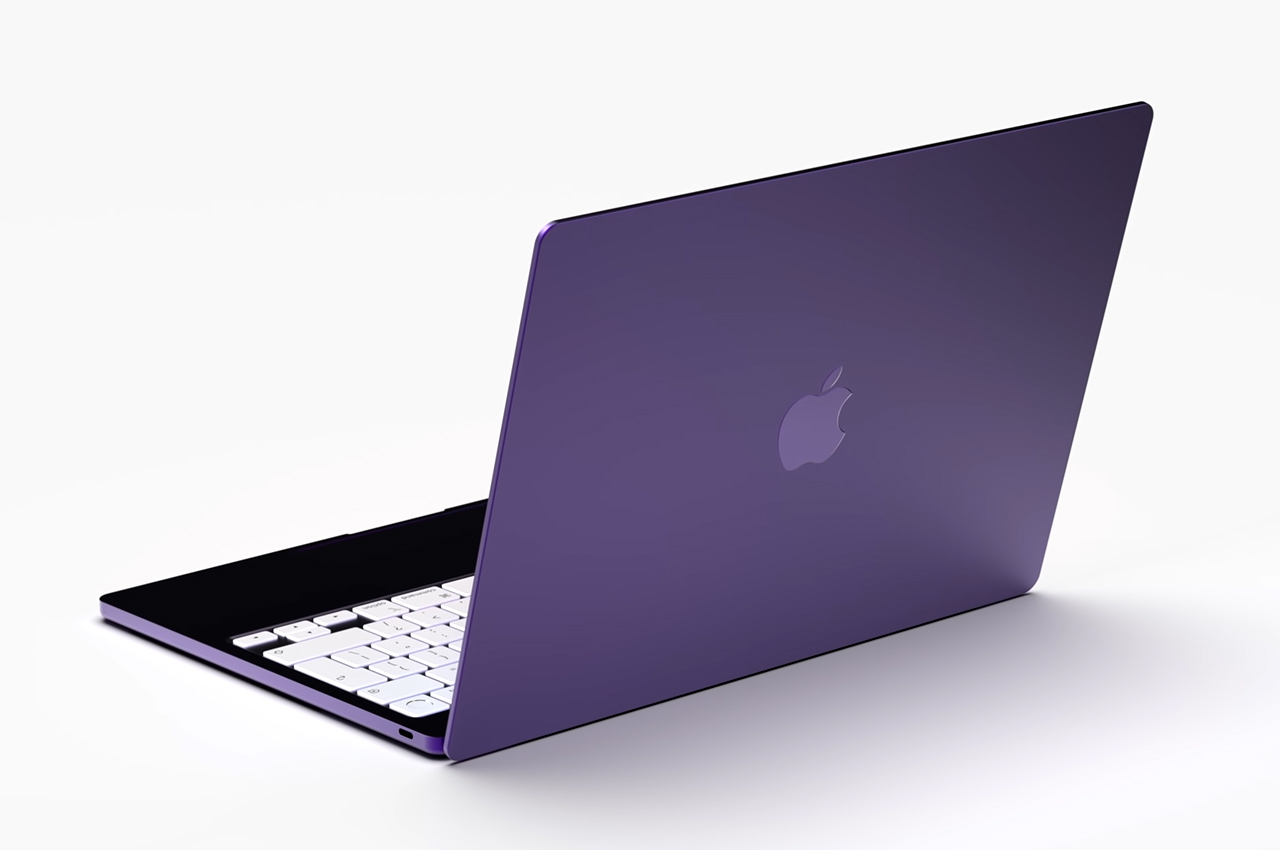
A new MacBook Air was expected at the Apple Peek Performance Event earlier this month. Apple launched a slew of gear back then, but the new MacBook Air was nowhere to be seen despite all the speculations in favor of its launch. Now about a month later, as a new MacBook Air still remains the hot topic, a YouTuber has gotten all creative and rendered interesting – and if you believe – the most accurate pictures of how the new device could look (when Apple eventually releases it).
Before we get into the discussion of what the renders suggest and how ZONEofTECH (YouTube channel) perceives the new MacBook Air; we shall just take a dive into what the tech circles expect – and we know – by the way of leaks and speculations.
Designer: ZONEofTECH
MacBook Air has been through many alterations since its inception in 2008 and what we currently have on the market is the M1-powered version of the MacBook Air that now stands to change – in design, power, and colors – in 2022. What’s likely to change in the 2022 MacBook Air? According to seasoned leakers and analysts, there is plenty of insight that the rumored MacBook Air will arrive with the new M2 chip powering its guts. Moreover, the Air is likely to coincide with the 2021 MacBook Pro’s design language and steal colorways from the iMac.
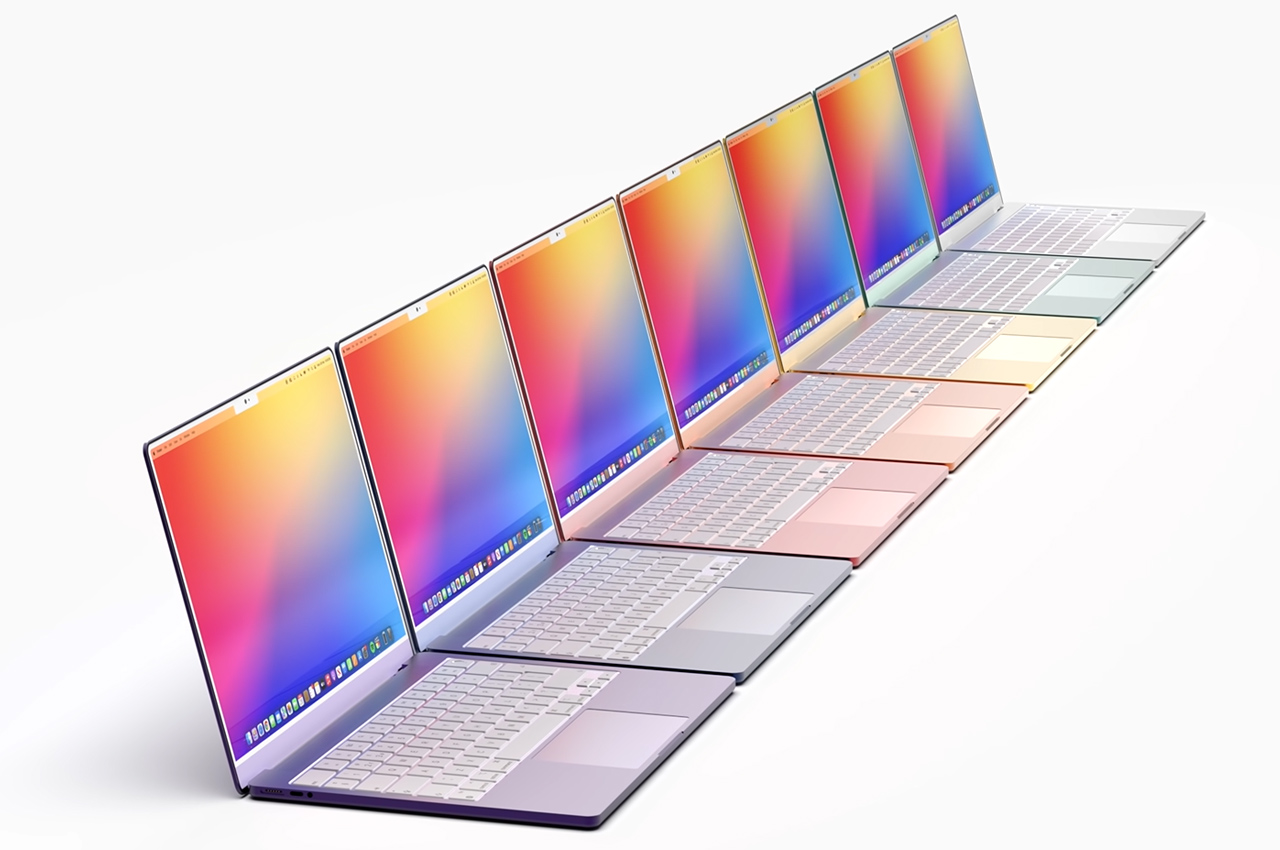
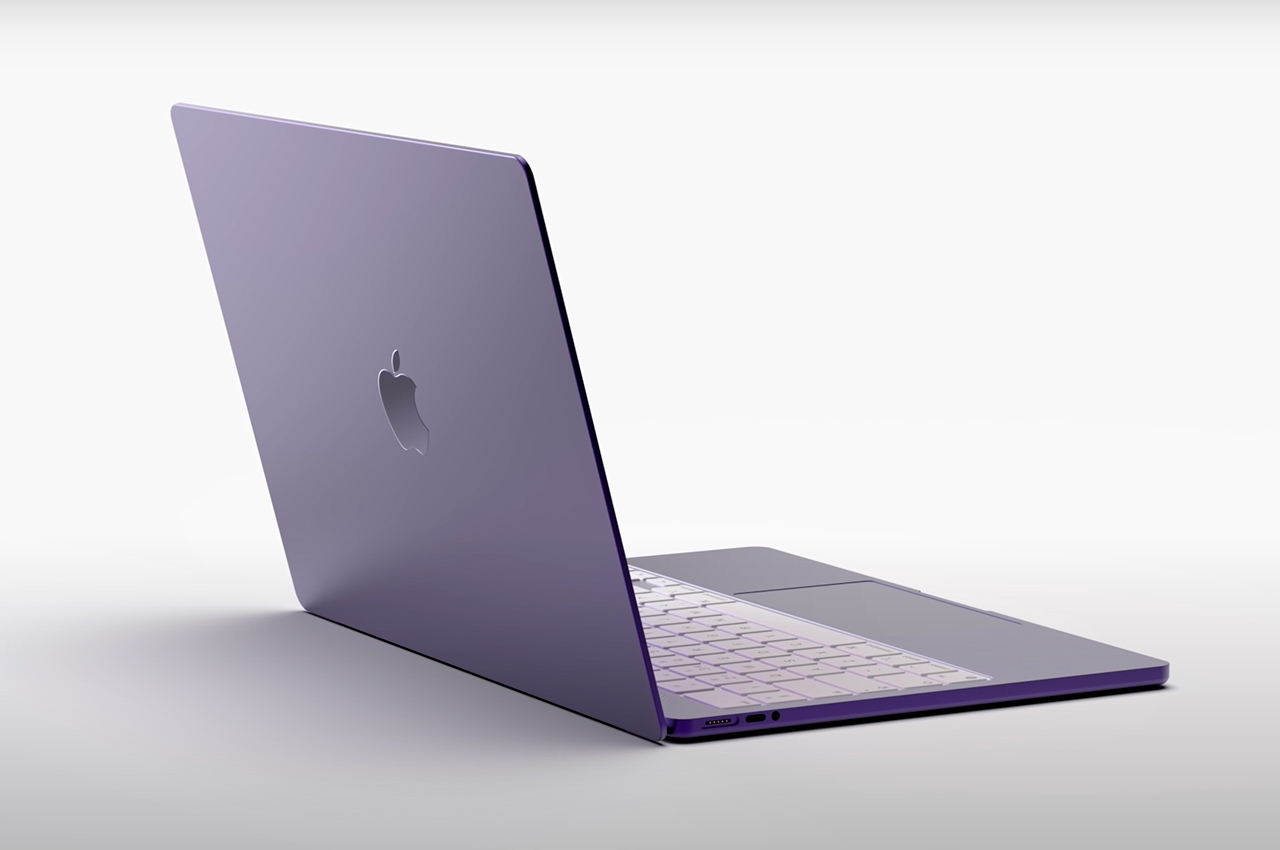
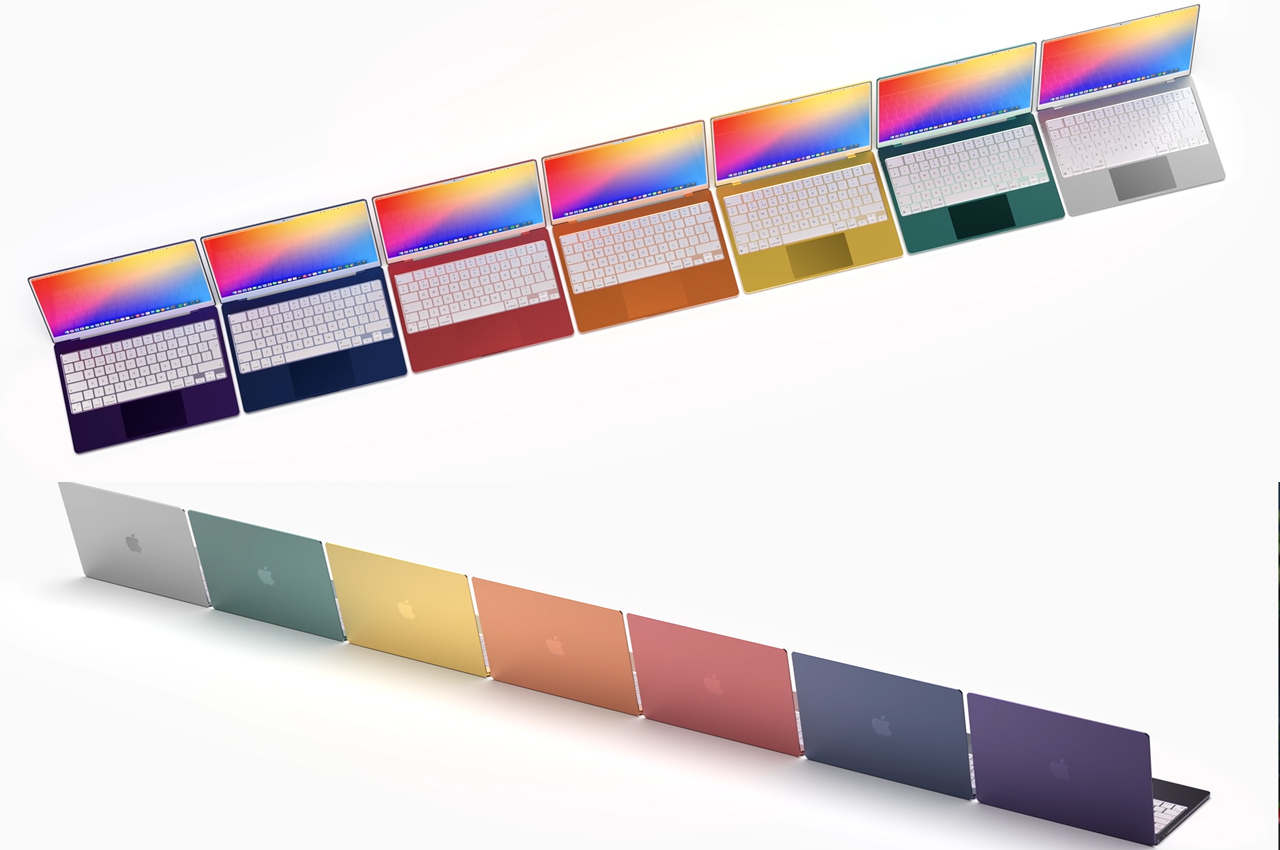
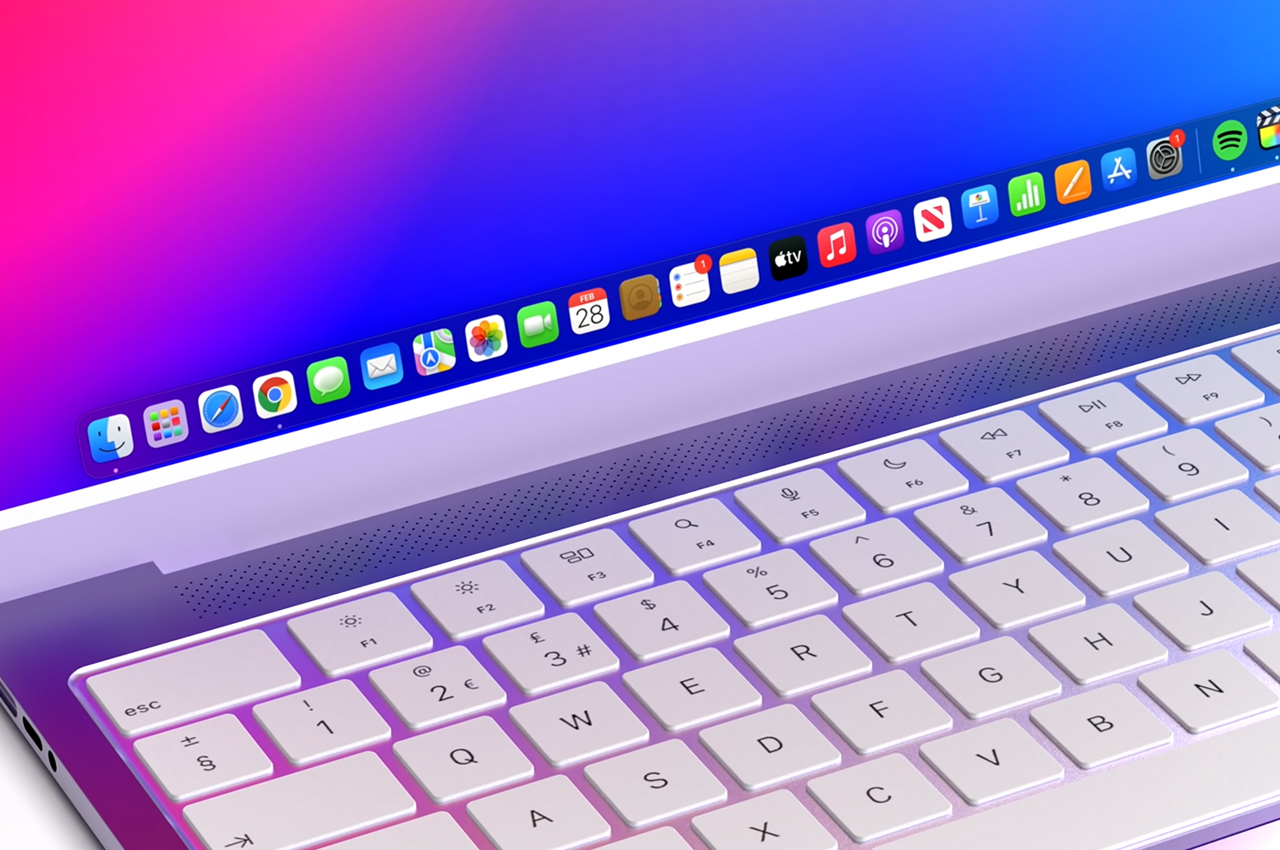
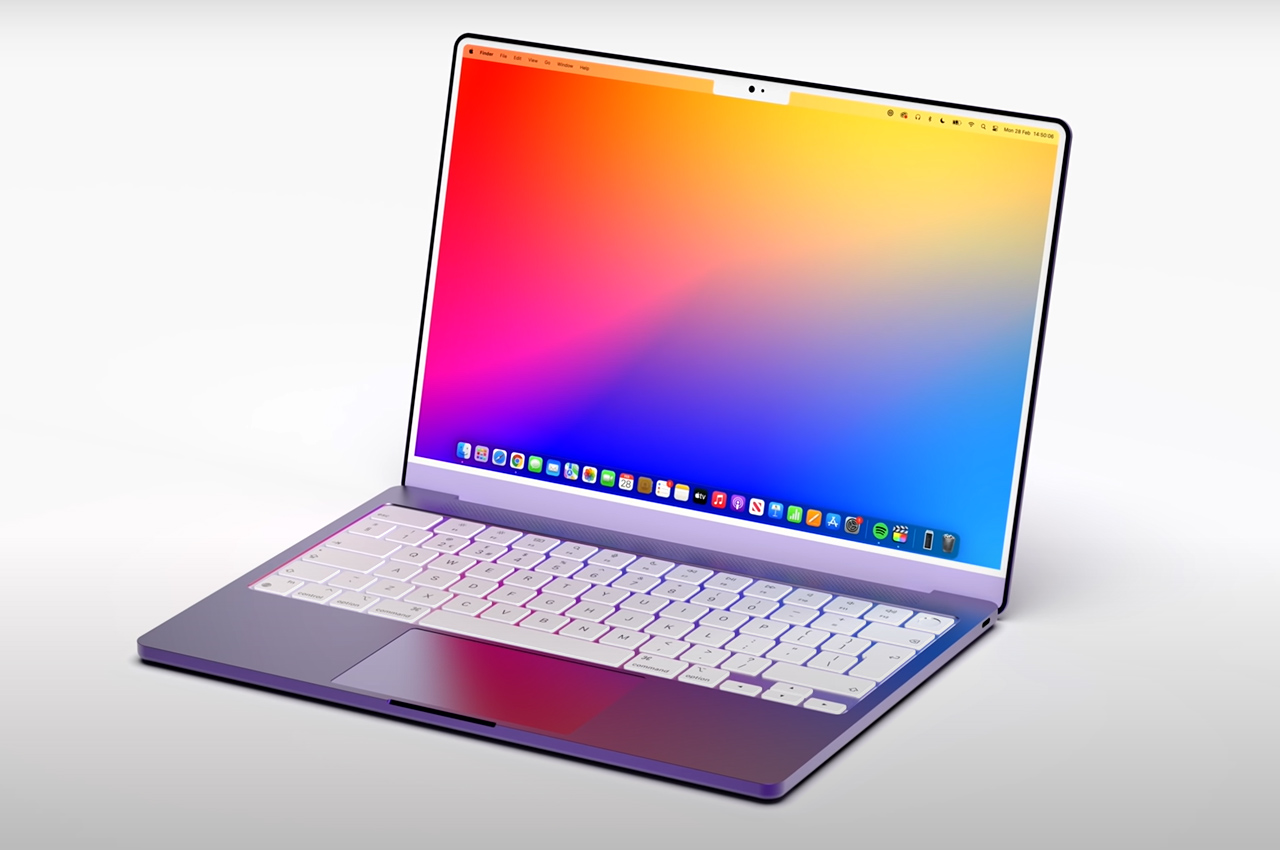
If you have been following Apple leaks, you would be aware that the MacBook Air is expected in multiple colors, which is more than the gold, silver, and space grays we are used to. The new MacBook Air could roll out in a multitude of hues that would match the iMac colors. Taking leverage to show off the new MacBook Air renders in multiple colors, the YouTuber has created a design of the device to match that of the 14-inch MacBook Pro with the rounded body. This is done to unify the entire MacBook lineup to look the same, which would be Apple’s idea too, as it has followed a unified design approach for the entire MacBook Air lineup in the past.
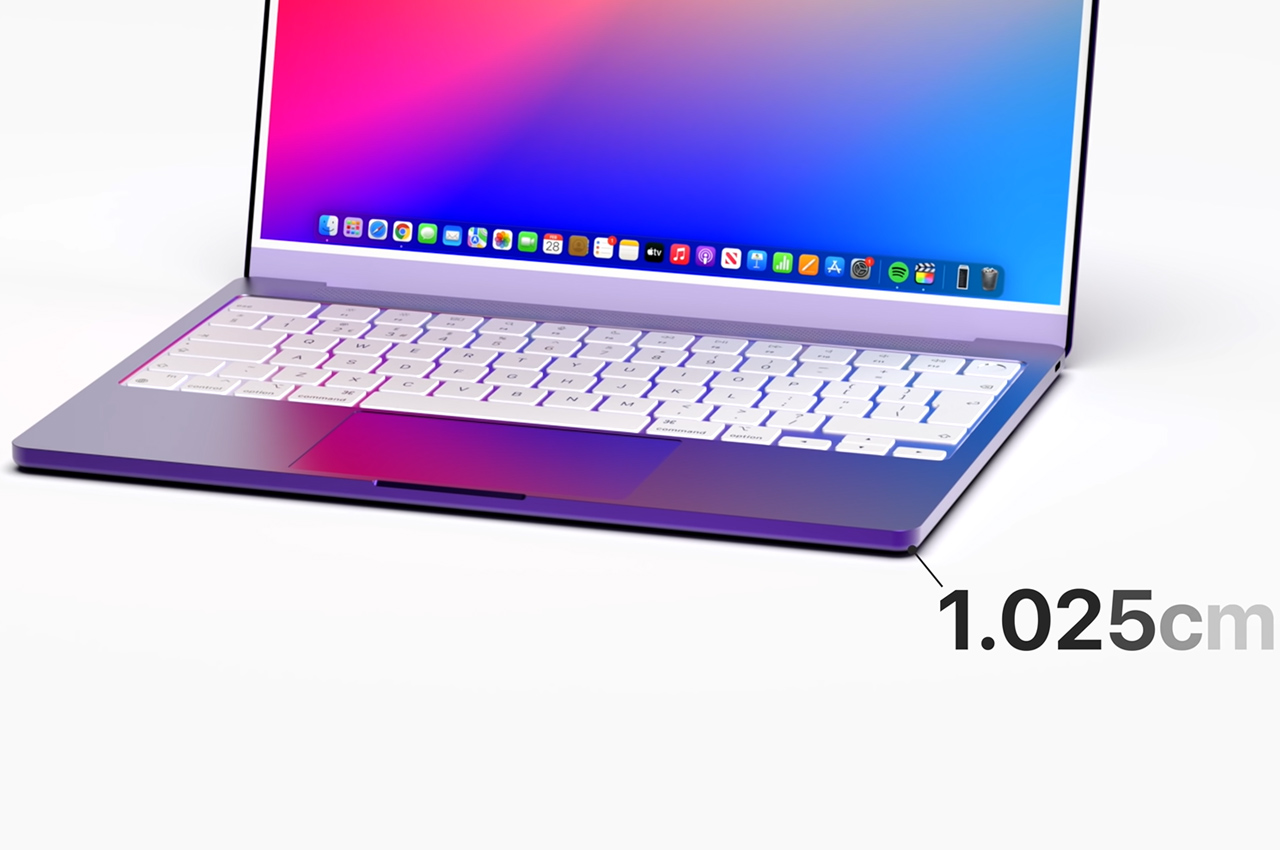
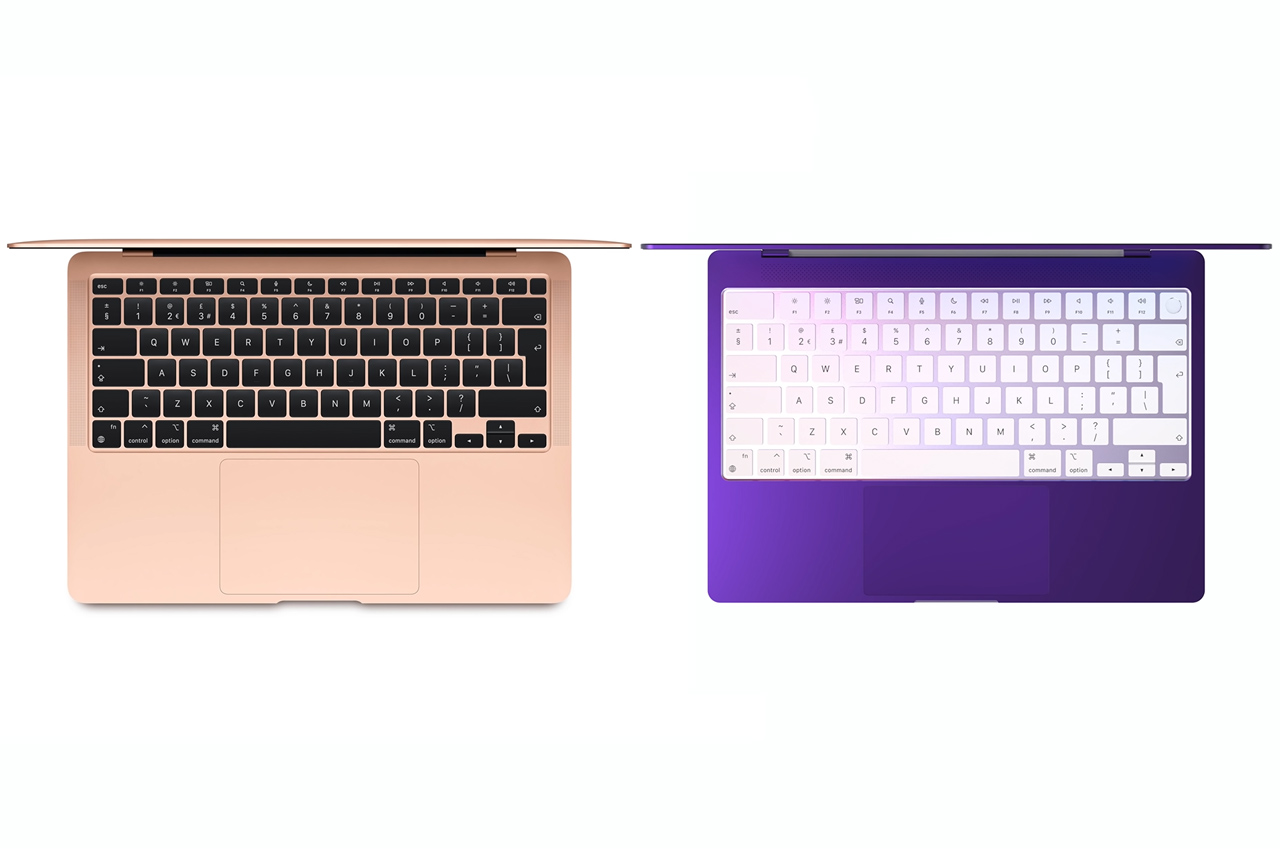
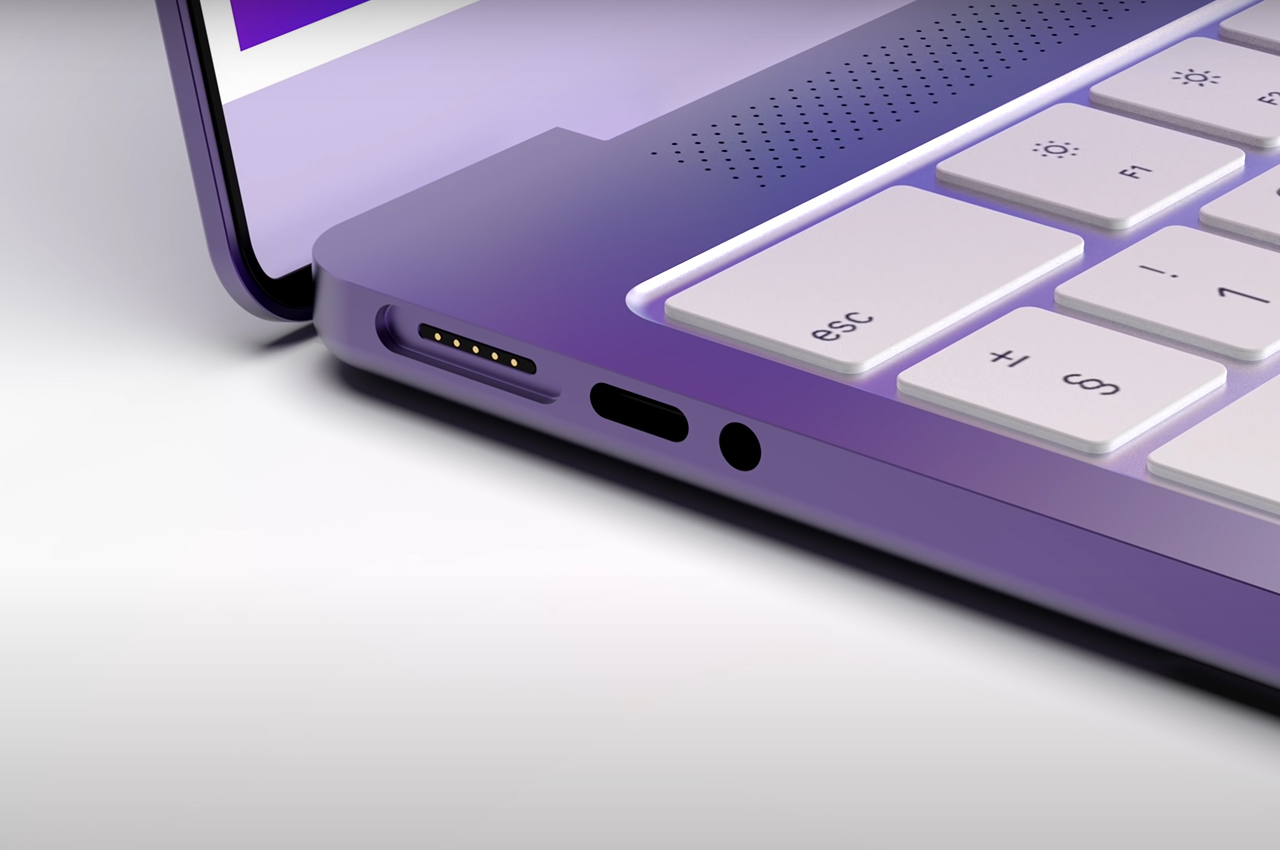
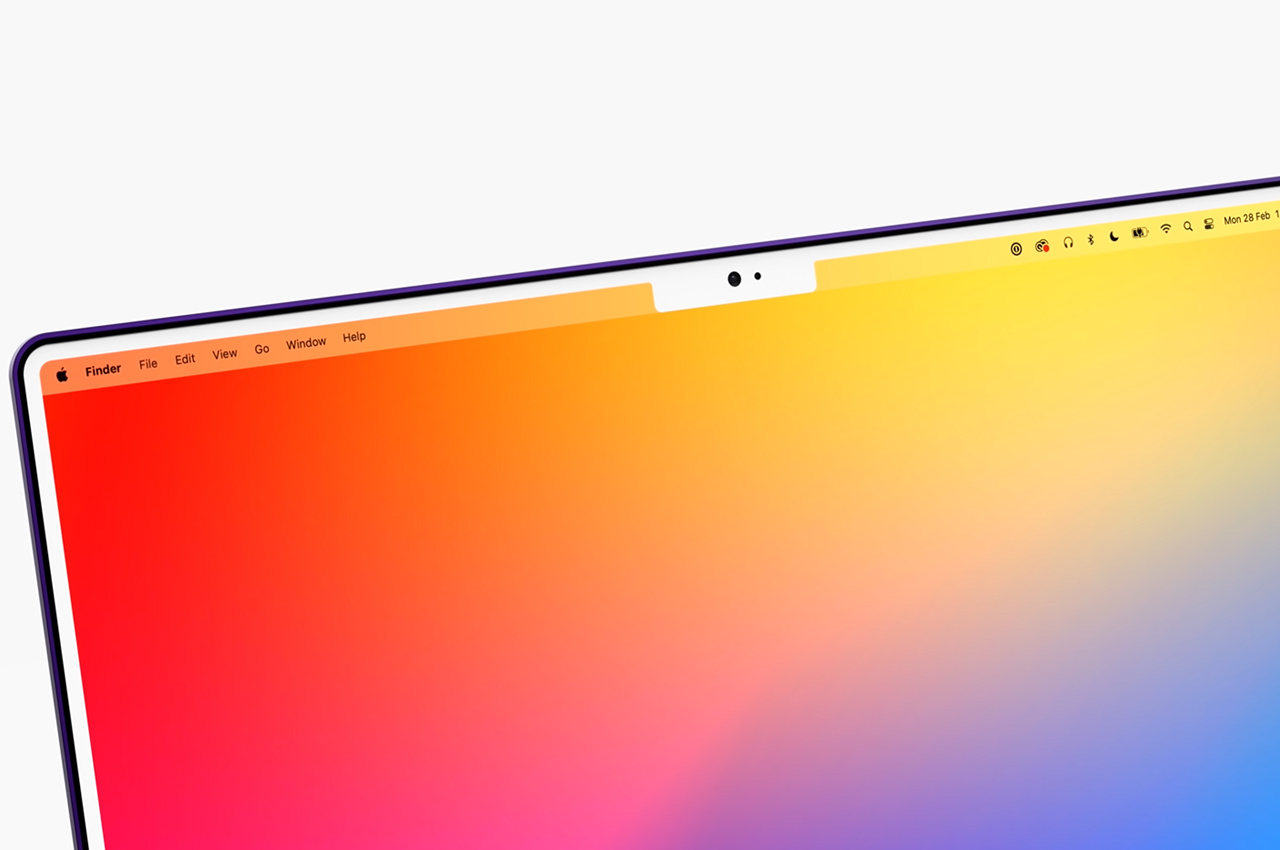
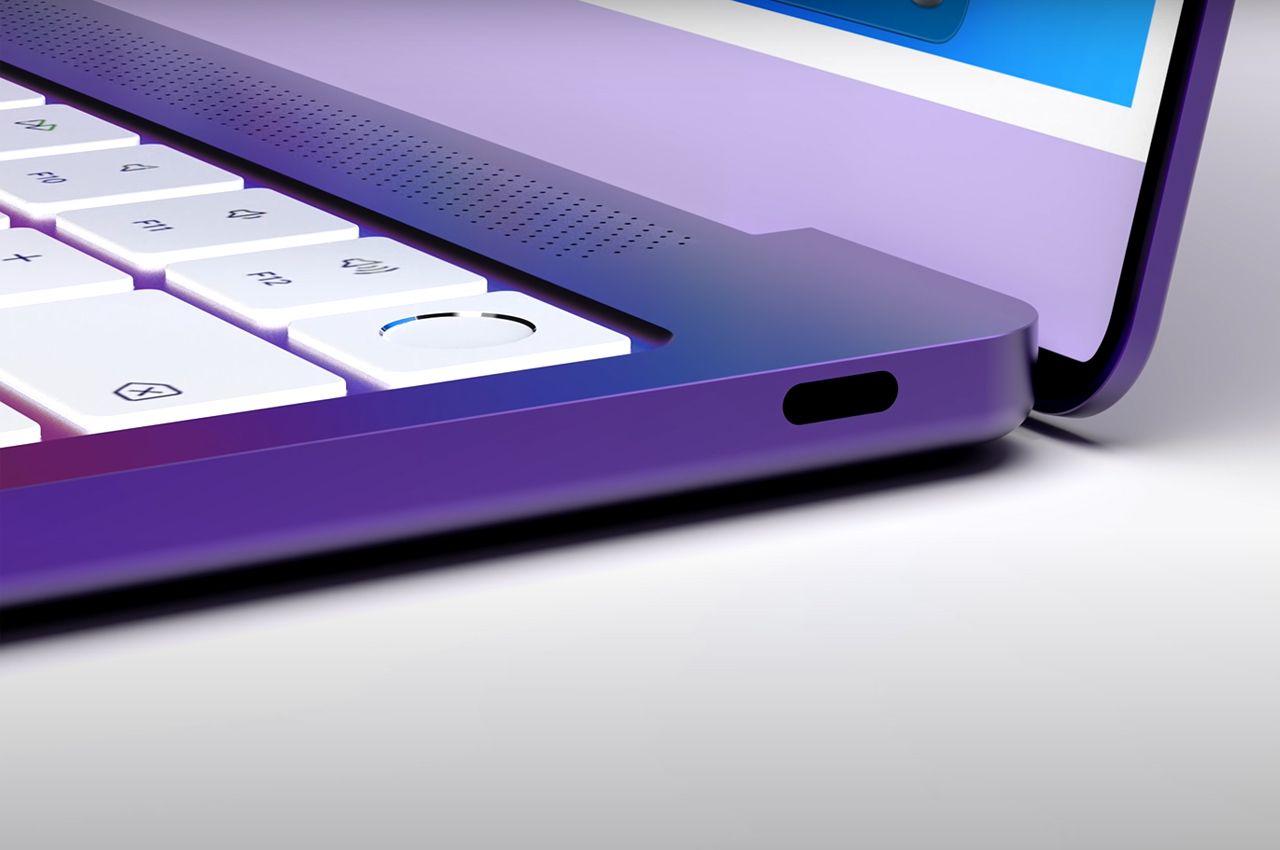
From the look of things, these renders of the upcoming MacBook Air may seem slightly thick, but these are actually modeled – with all the ports aligned – in a thickness of little over 1cm, ZoneofTech notes. The renders have been visioned with a notch – also to maybe unify the MacBook lineup – which could house an upgraded 1080p camera. The idea of a notch makes the bezel feel thinner – like with the MacBook Pro – but for most of us, the notch in a 13-inch display may just ruin a little more space than what’s already available on the little guy. To ensure more unification across all models of MacBooks, the designers have here modeled the MacBook Air with a larger keyboard, which means the trackpad size is slightly trimmed in length, even though the width can remain the same as on the 14-inch MacBook Pro.
The MacBook Air is expected in purple, blue, red, orange, yellow, green and white color options. Of course, with all that jazz and altered design, the 2020 MacBook Air will already have many takers, but there is a lot more to this laptop than its looks. For instance, the MacBook Air would be the first device powered by M2 chip, it would come with MagSafe port, and cost roughly around the $1,100 mark. If you’re all anxious, the Air is likely to arrive anytime between June and September 2022. Start budgeting!
Air purifier and humidifier concept makes sure you’re breathing in good air in your room
Every day, I probably spend 95% of my time indoors, either in my own home or at the office. If I lived in a place where it was not so hot/humid most of the time and where there’s actually a place for me to walk around, I would go outdoors every few hours just to breathe in fresh air. But since I have no choice but to be inside most of the time, devices like air purifiers and humidifiers are a must-have. If the price was right, this product idea seems interesting.
Designer: Li Xundi
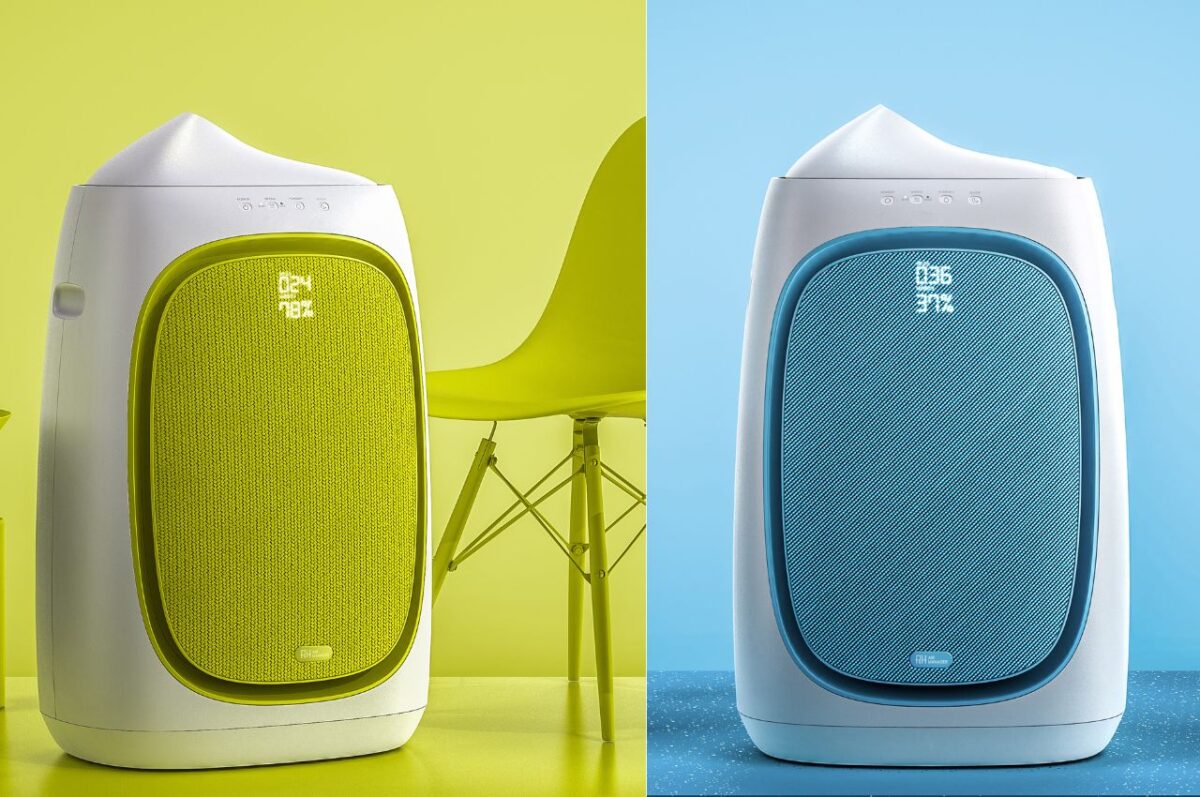
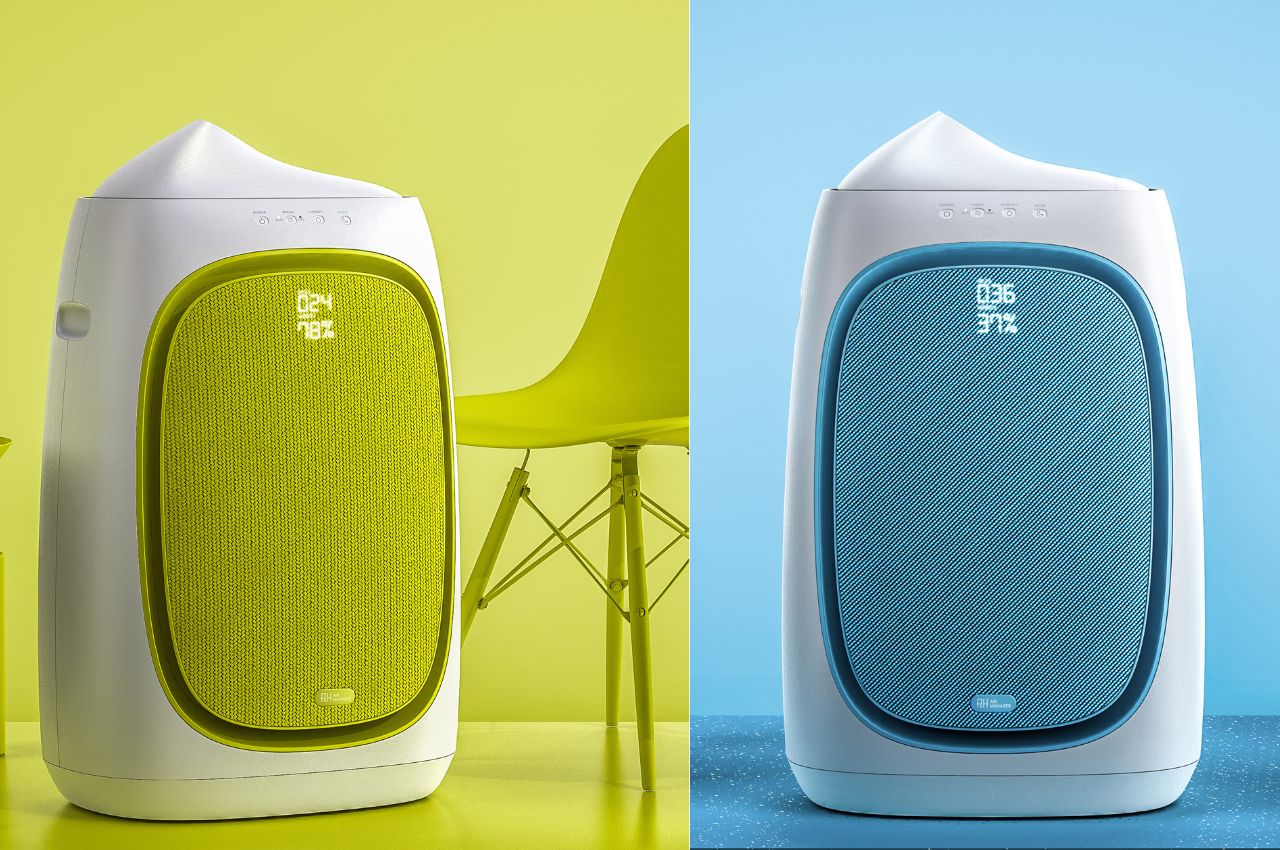
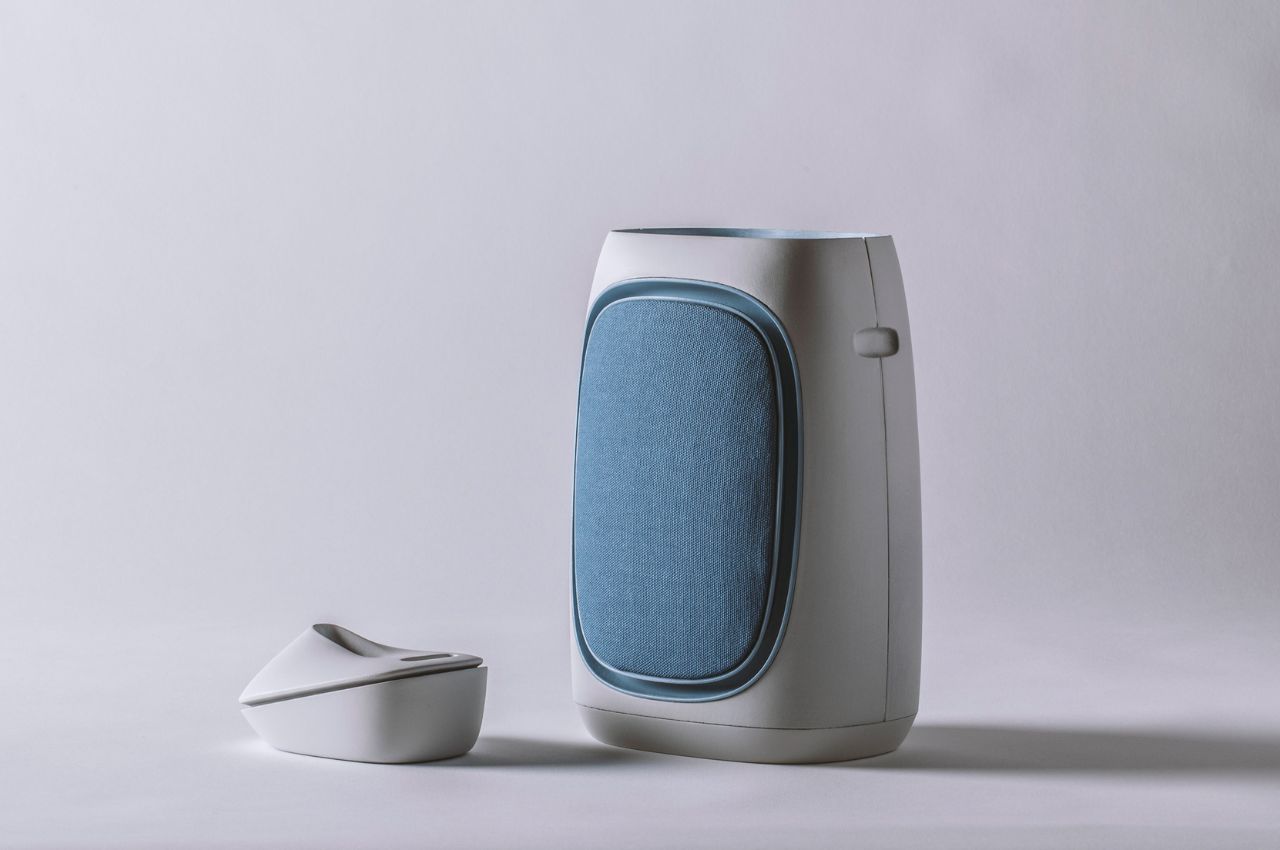
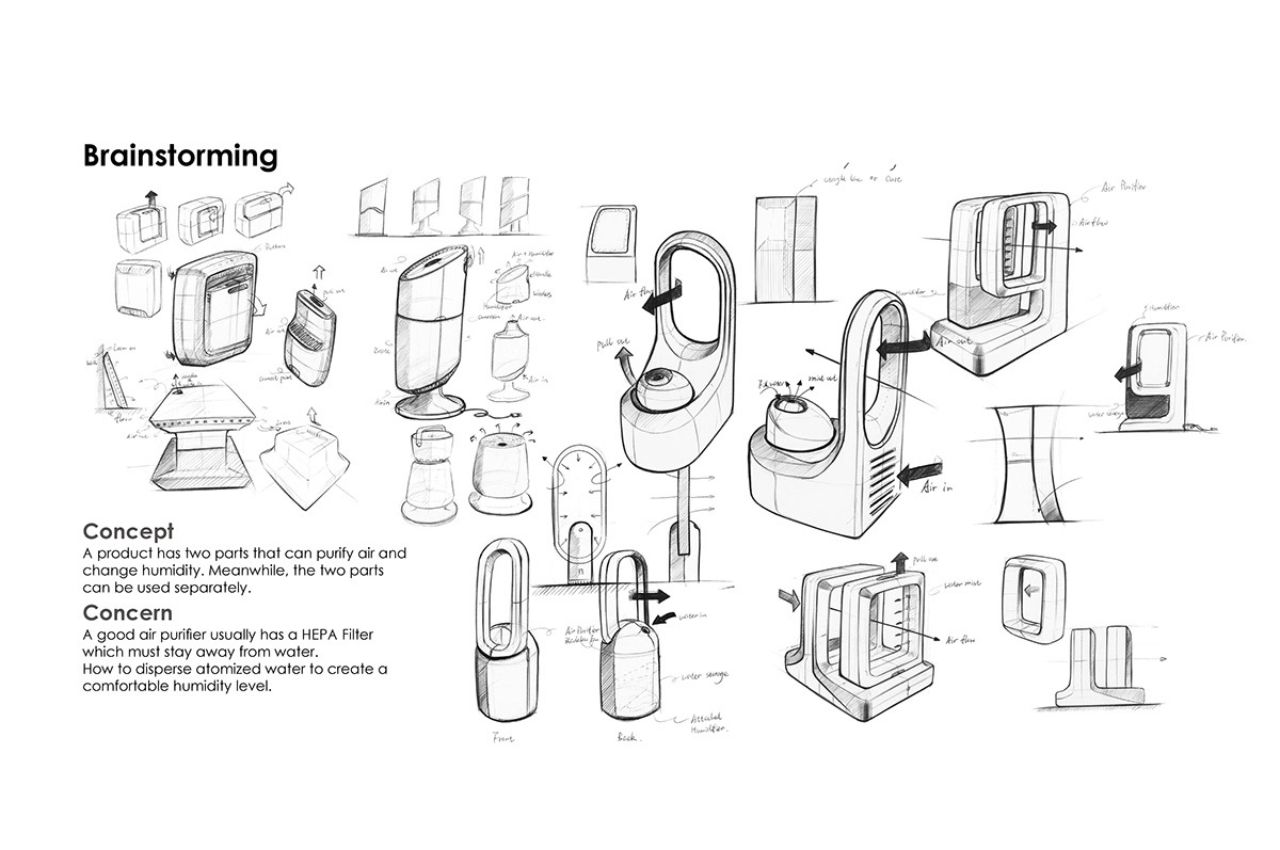
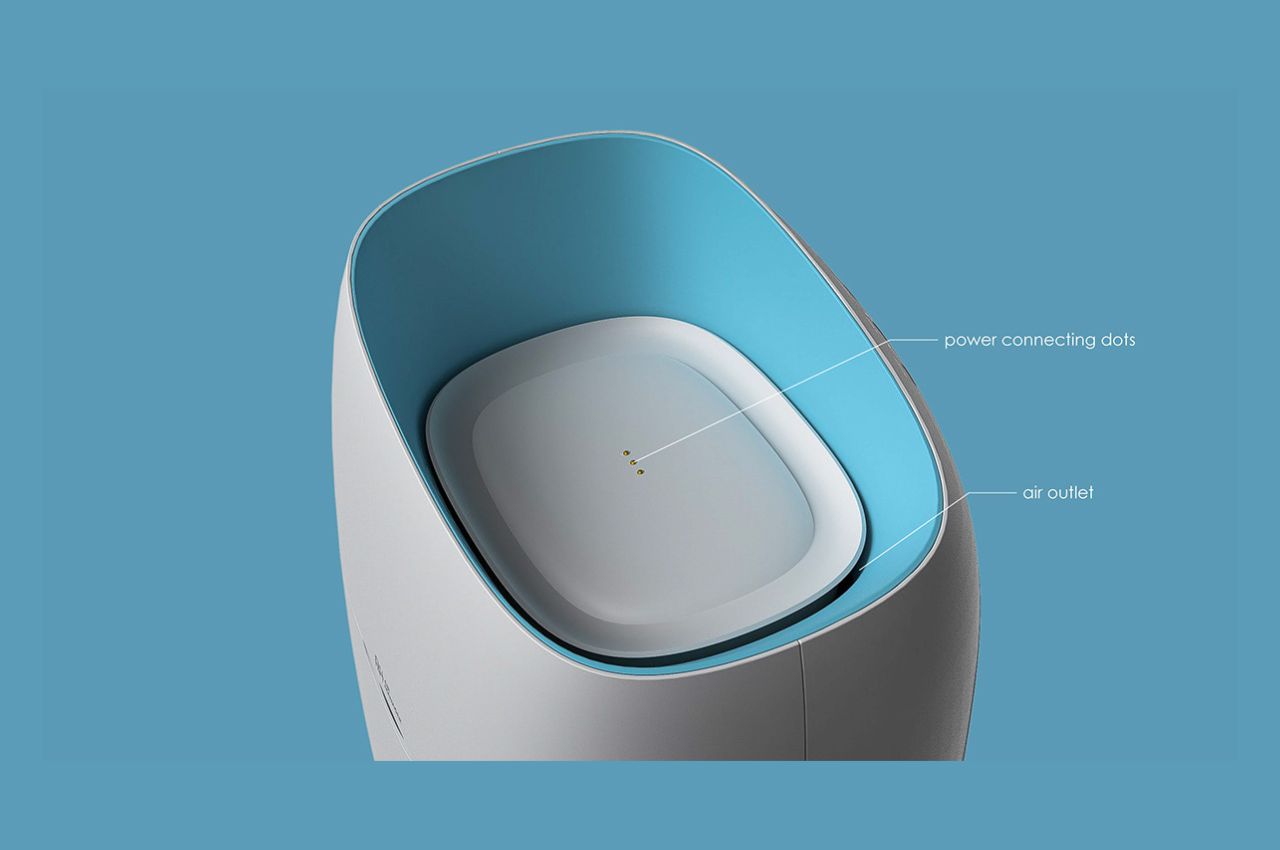
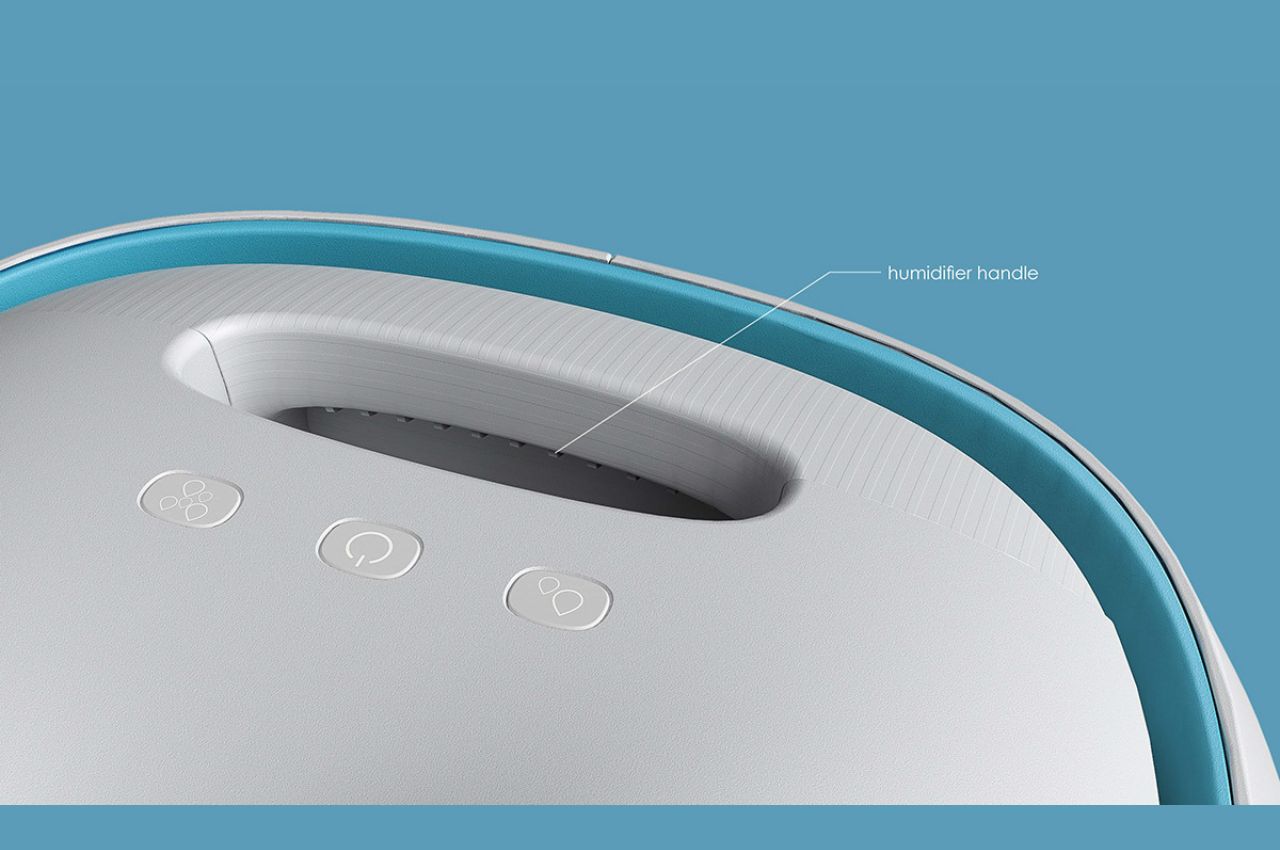
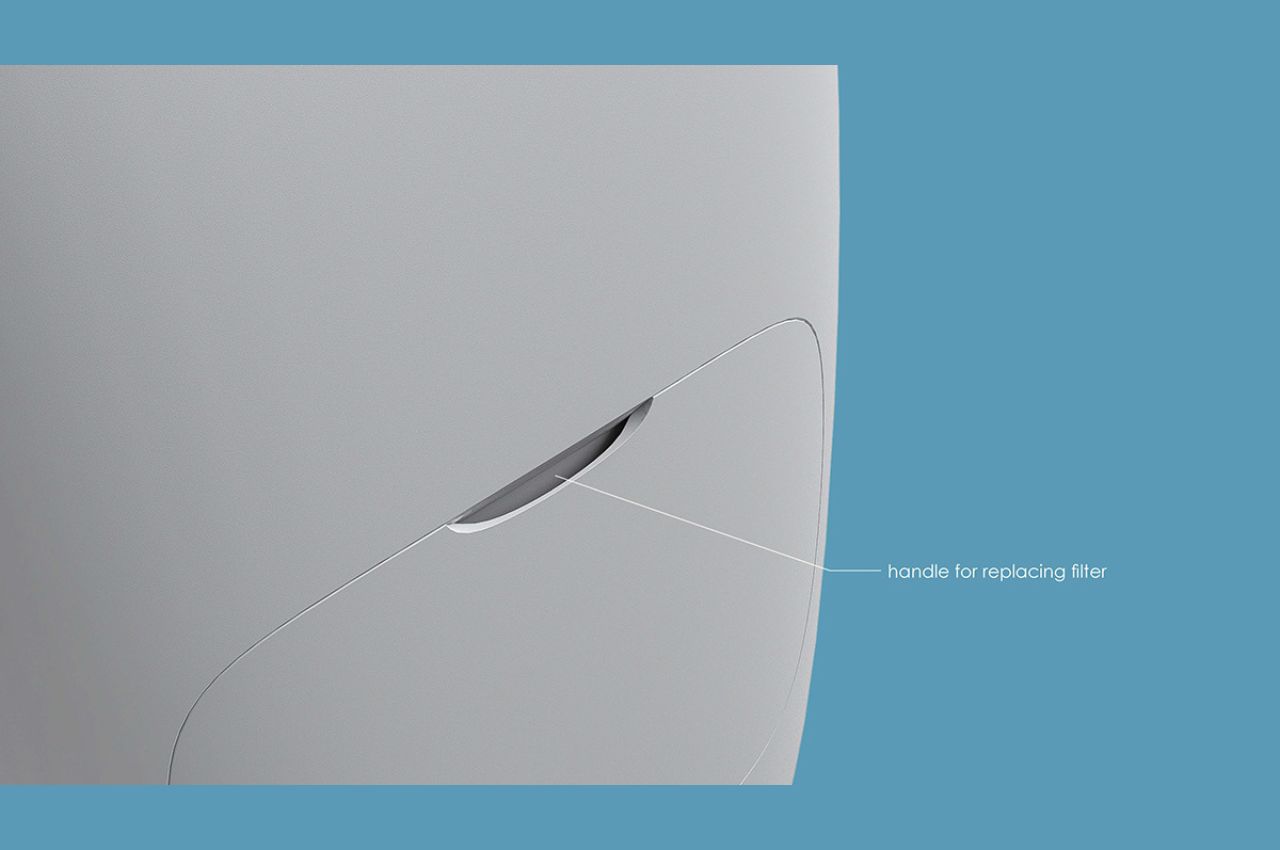
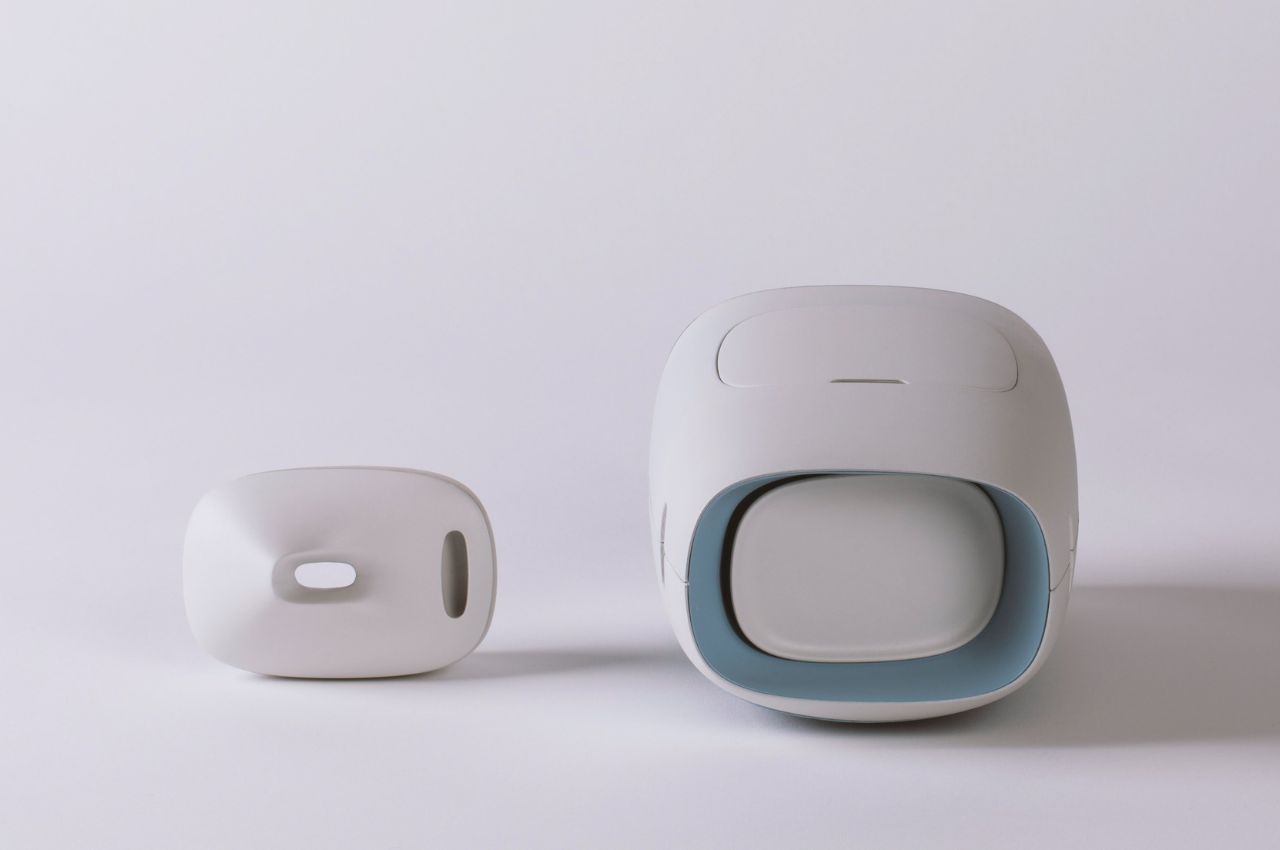
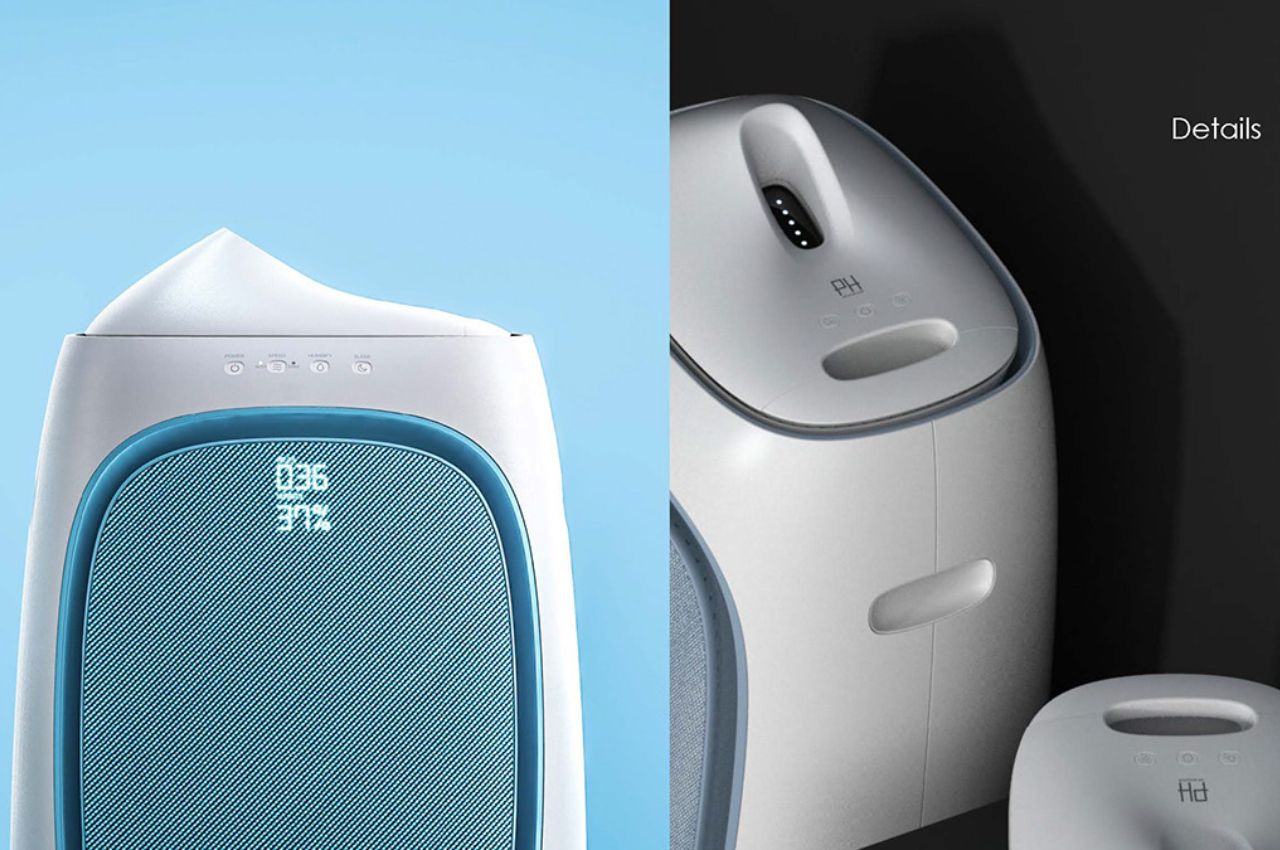
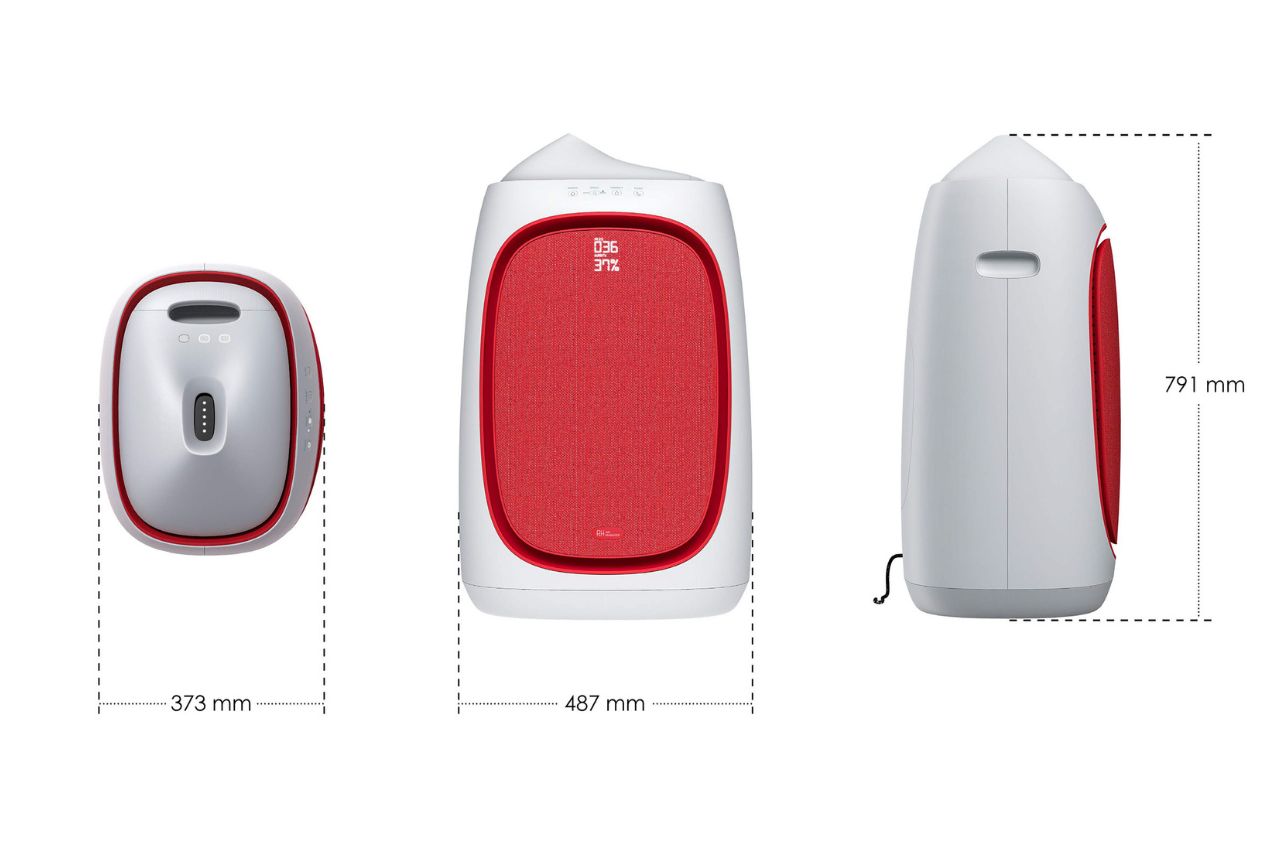
The P&H Air Manager is a concept for an air purifier and humidifier in one that has a water system to help do its job. And in case you want to use just the humidifier part, it can be detached and used separately. It’s easy to operate and control the device. There are only four buttons you must use: speed controls, power, humidity function and sleep.
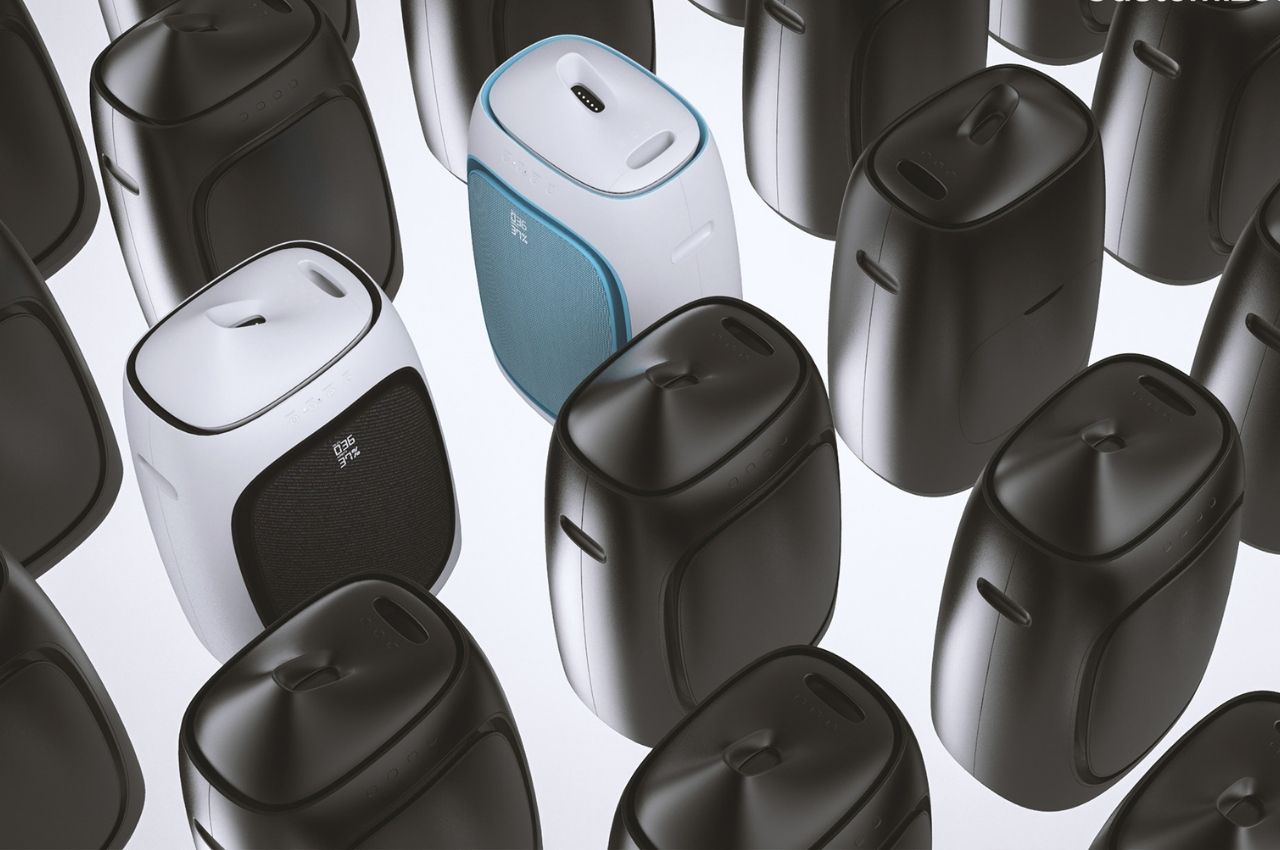
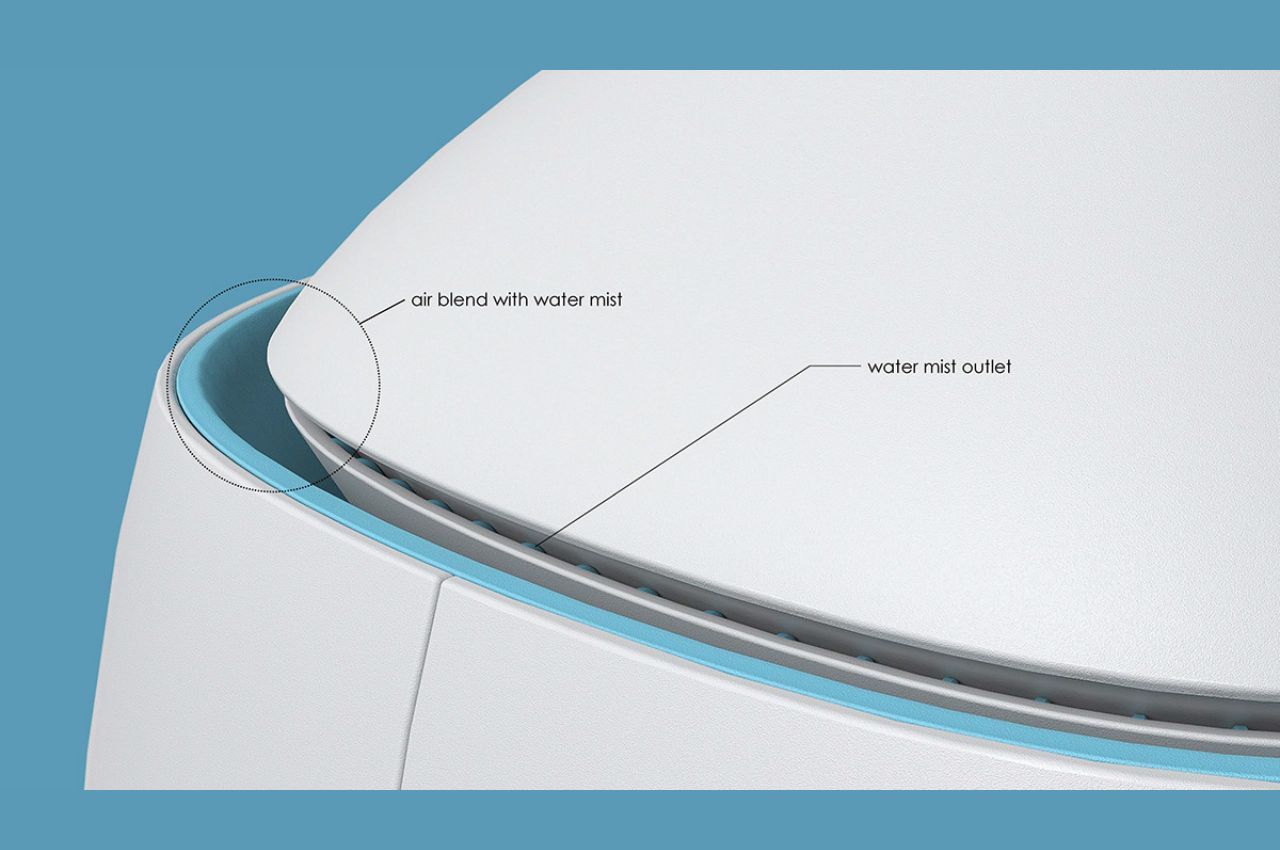
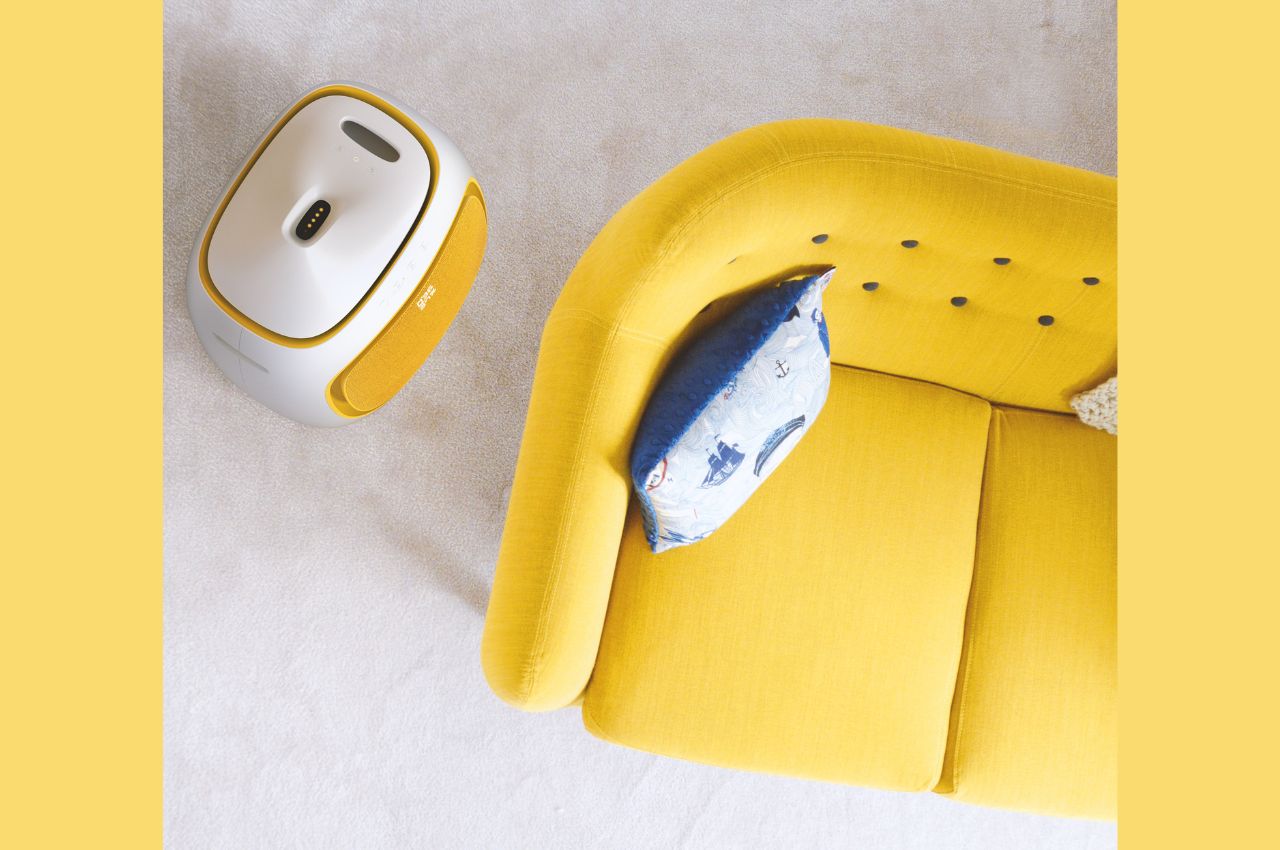
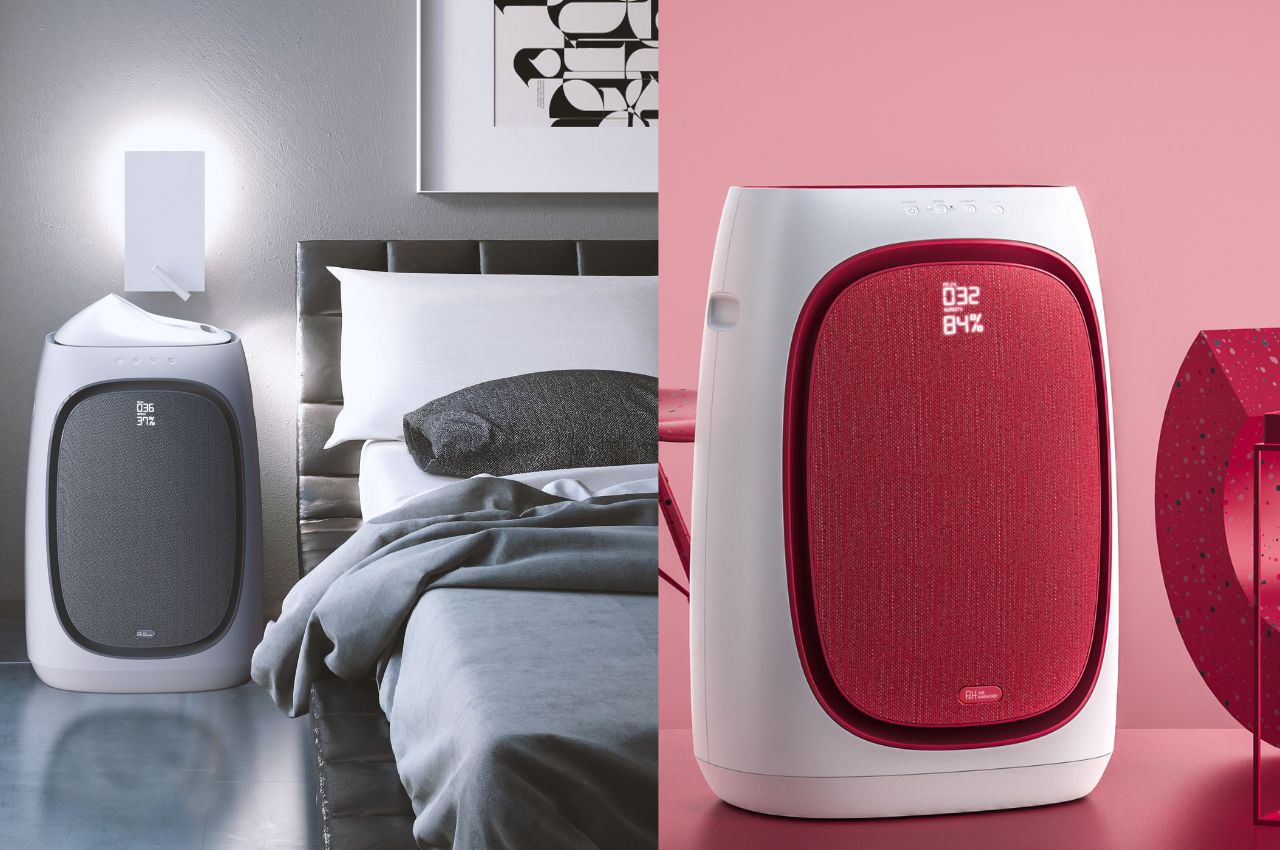
The device has a colored fabric cover so you can choose which one will best match your room motif or which is your favorite color. There’s a screen underneath this fabric that will display the room air quality so you can start purifying or humidifying. It will also remind you when you need to replace the filter or else it won’t be able to do its primary function of keeping the air in your room clean. The “air inlets” are located in that gap around the sides of the fabric cover.
The purifier part has a water bucket but this time around, it’s easier to fill out as you don’t need to remove it, unlike with most existing purifiers now. You can bring over a bottle of water to fill it up. There are LED lights that will show you the level of water inside so you won’t overwater it or you know if you need to add more. The device is designed more as a smart speaker than an air purifier or humidifier. This can make it a great choice for people who want appliances and devices that match their decor.
An air purifier and humidifier is a must-have for someone with a “lifestyle” like me (and when i say lifestyle, I mean I’m always inside) so this is a pretty good concept product that I might want to get if it gets to the production stage.
This snowy cabin set is actually a USB storage solution in disguise
Many of us have computer accessories as well as toys on our desks, so why not just combine the two to save space.
Considering how heavily we depend on digital artifacts and files today, we wouldn’t be surprised if everyone had an external or USB thumb drive. Some might even have memory cards that travel to and from digital cameras to our computers. These devices either take up space on our desk or get lost in our drawers, mostly because they don’t seem to have a good home in our workspaces. The solution is to design USB drives and hubs that are as functional as they look.
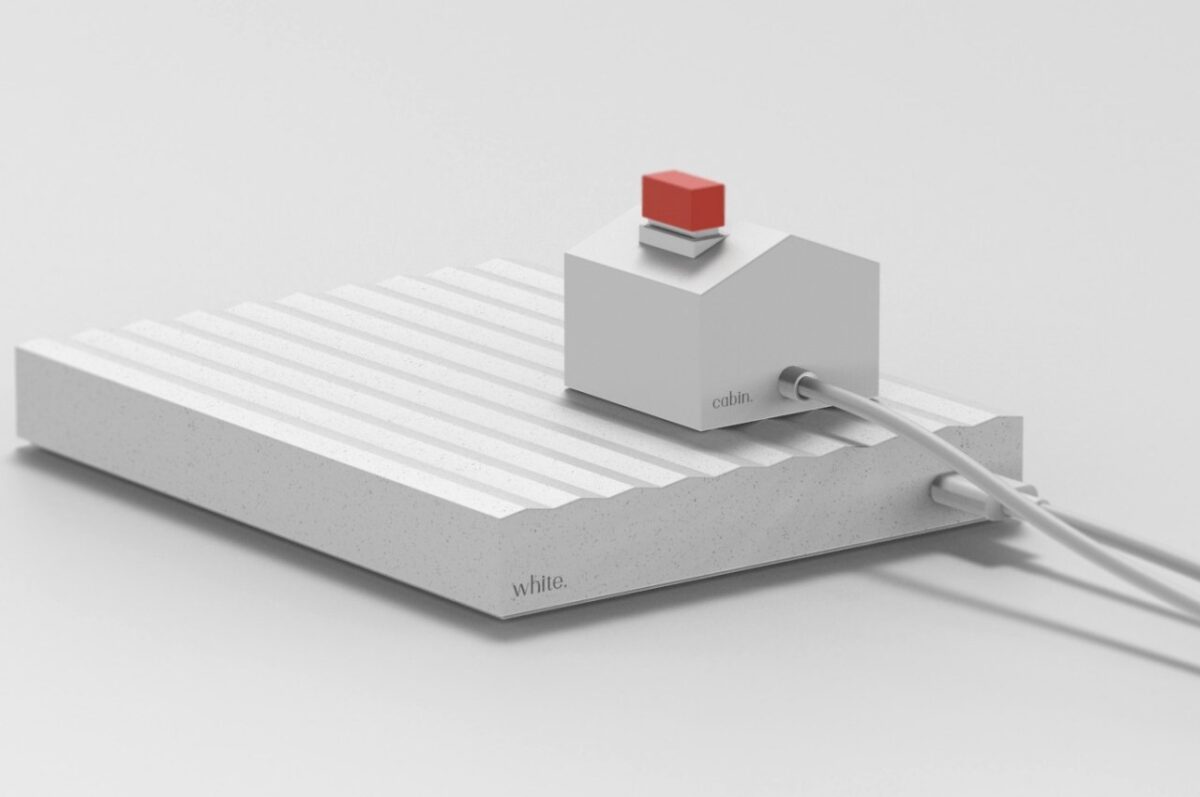
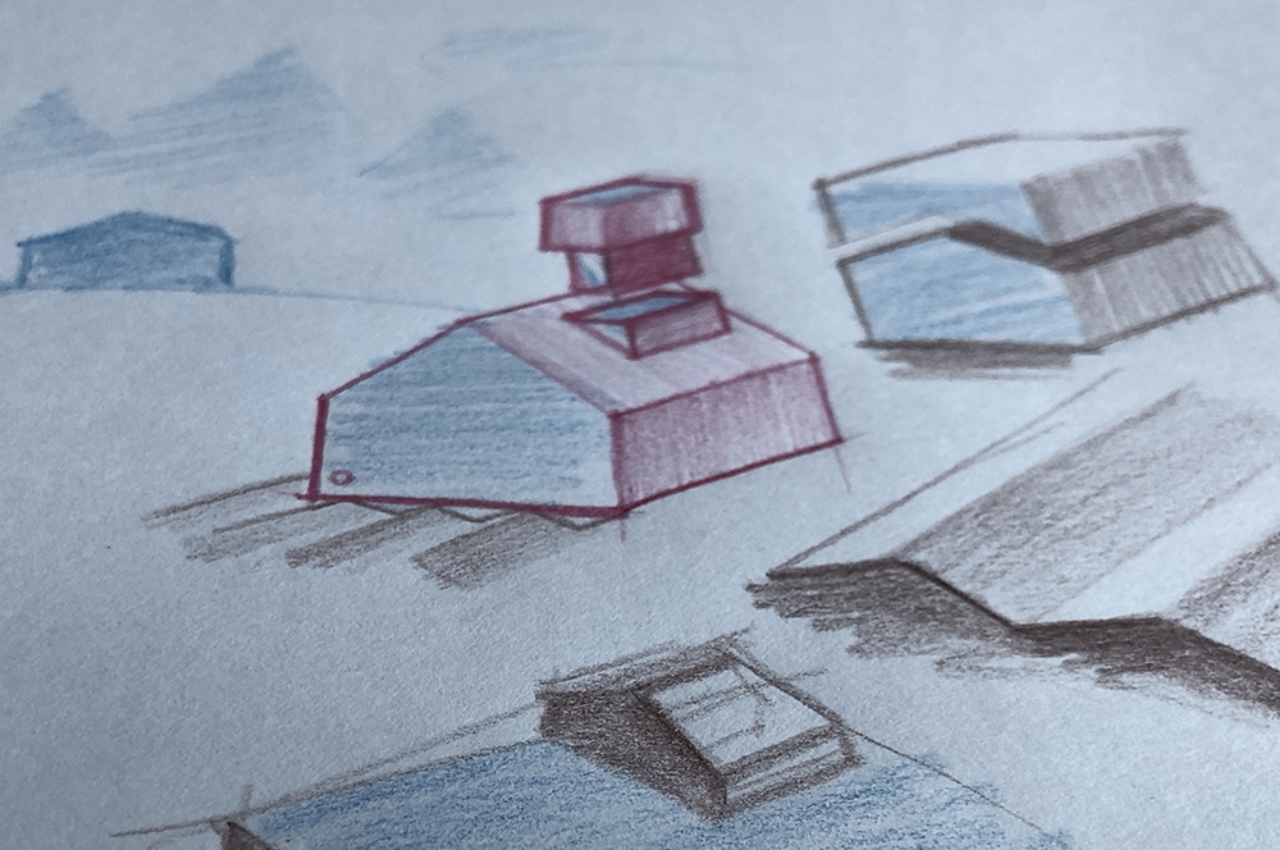
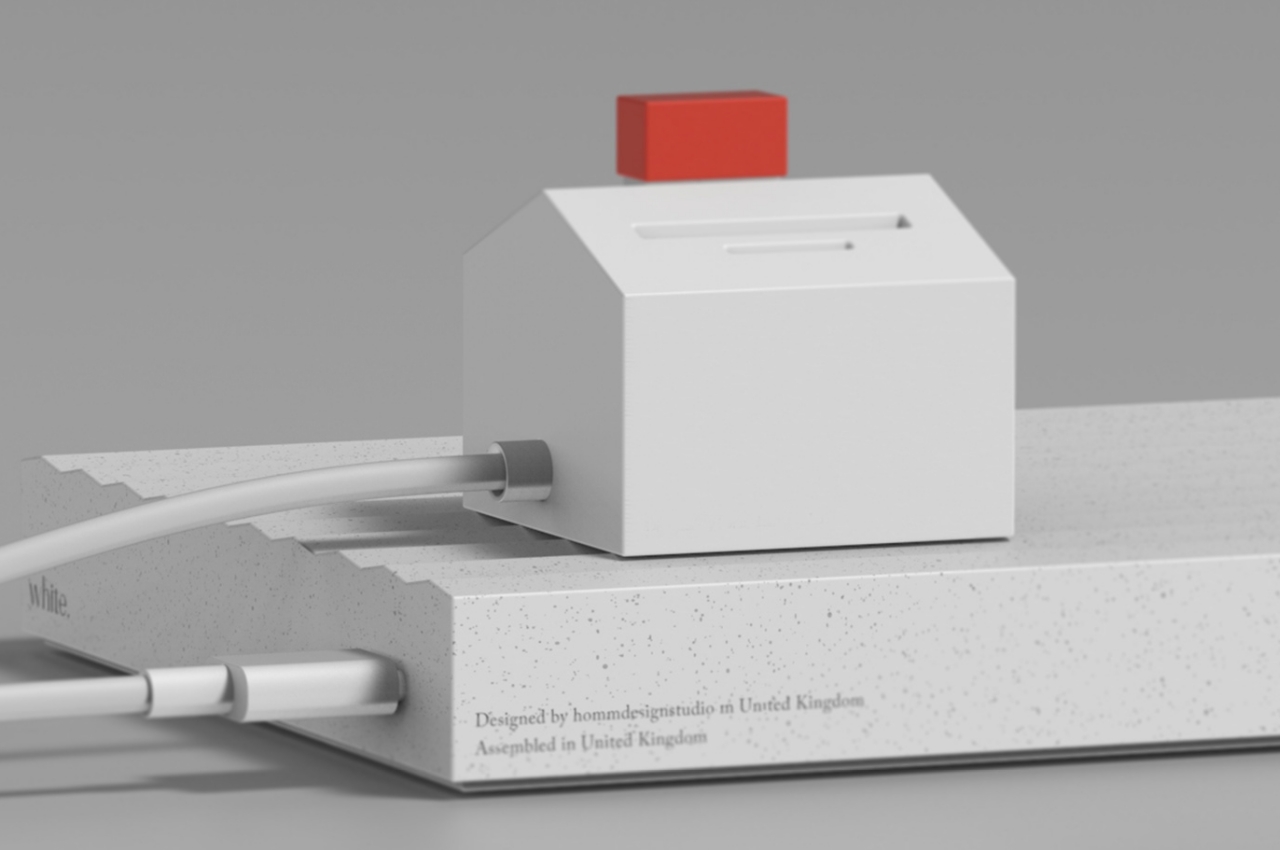
A winter cabin in the mountains is probably the last thing you’ll think of when trying to look for a metaphor for USB drives. The cabin desktop’s designers made connections between the two because they are both considered temporary locations, either for people or data. They’re also places where some people make and store memories, another allusion to data stored in these data storage solutions.
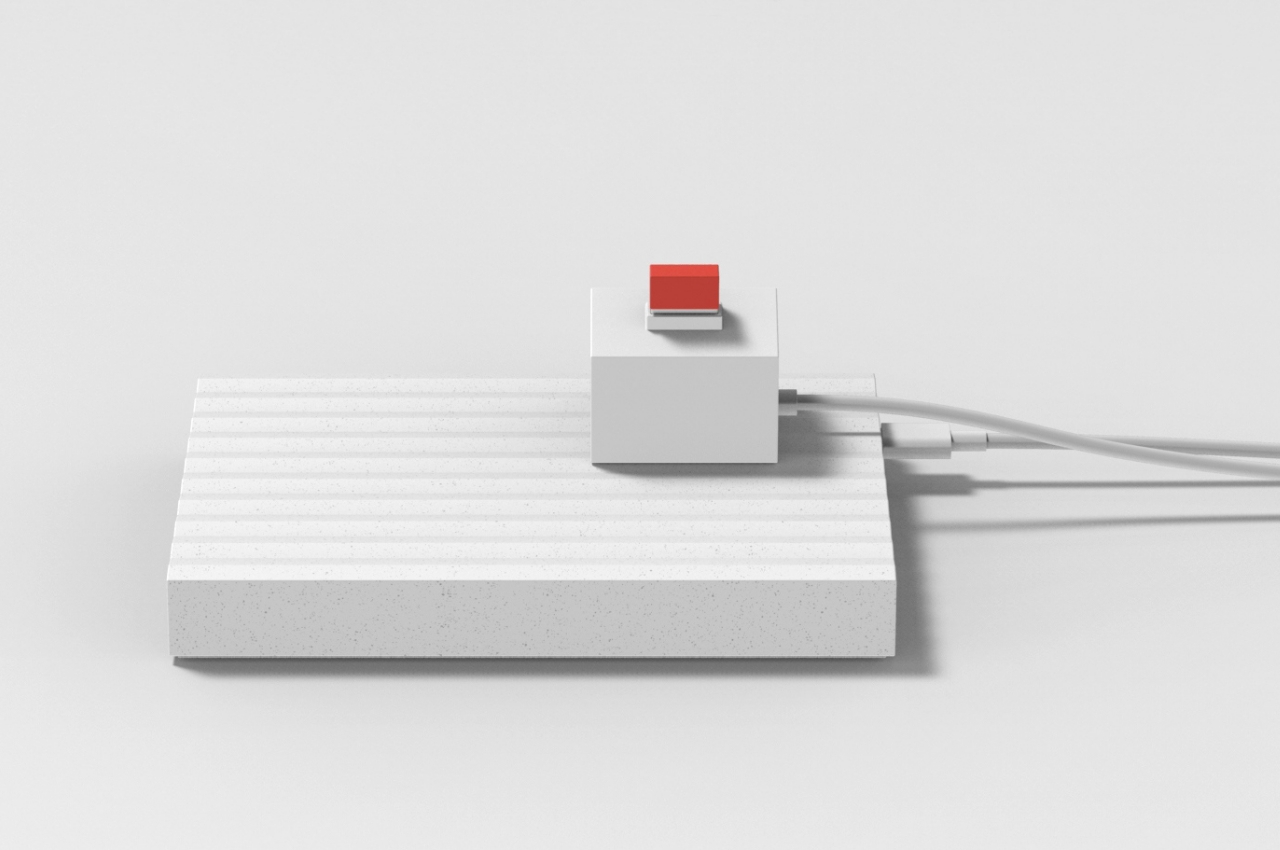
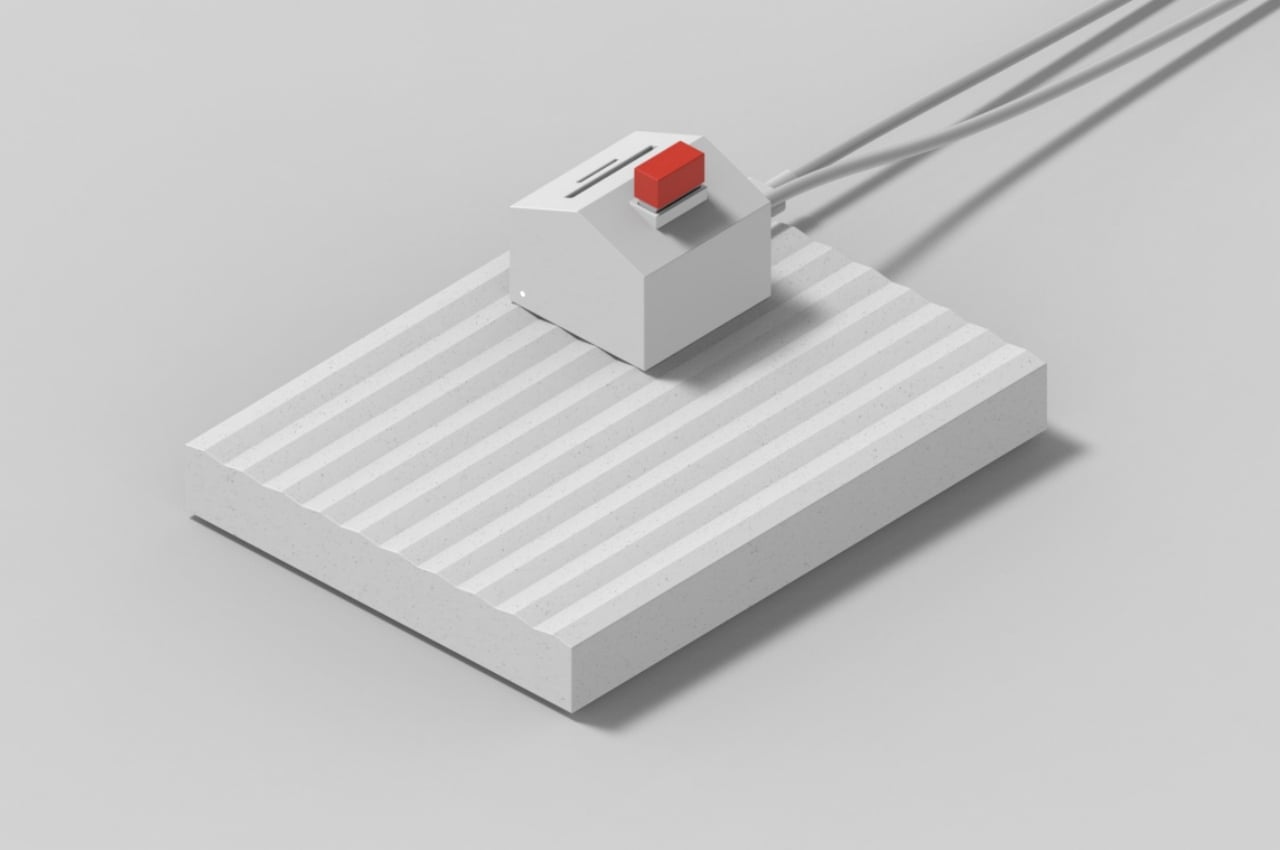
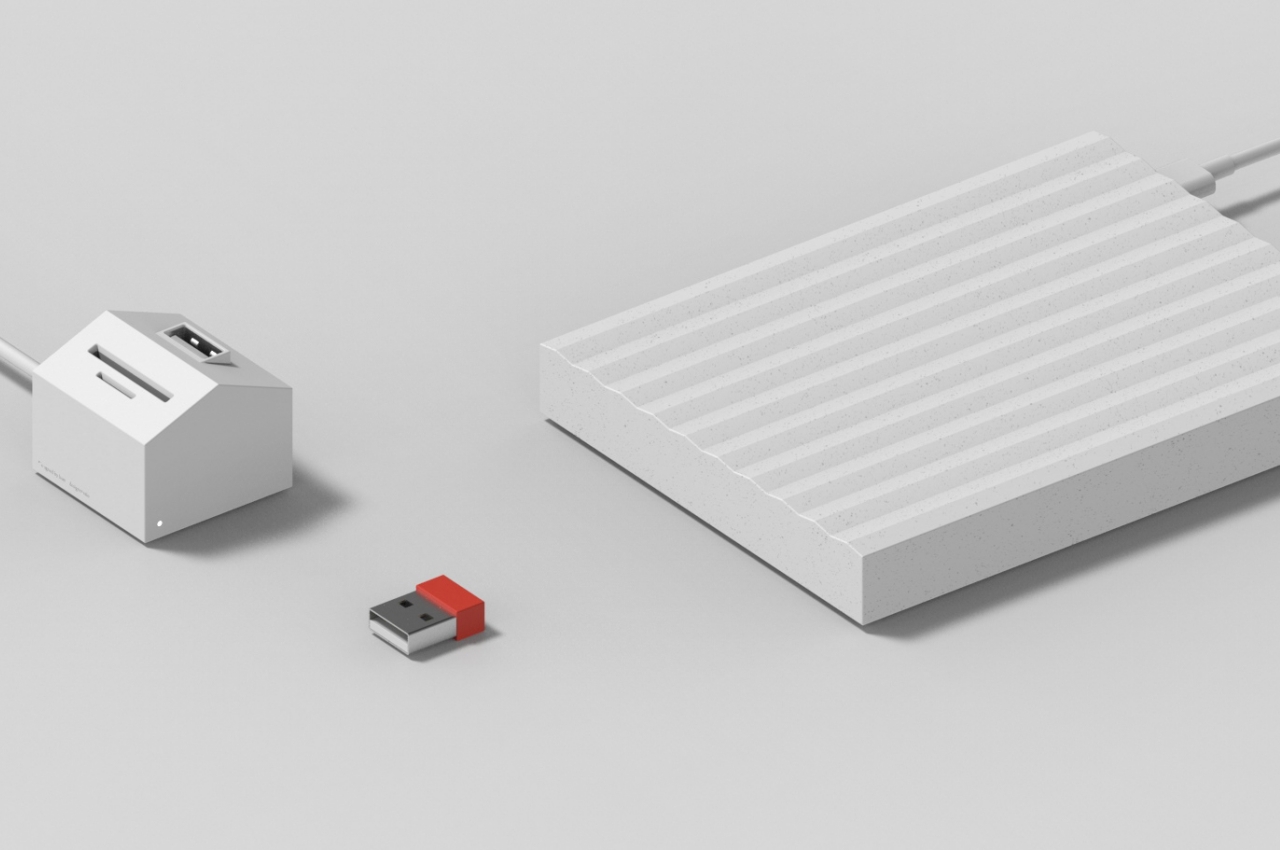
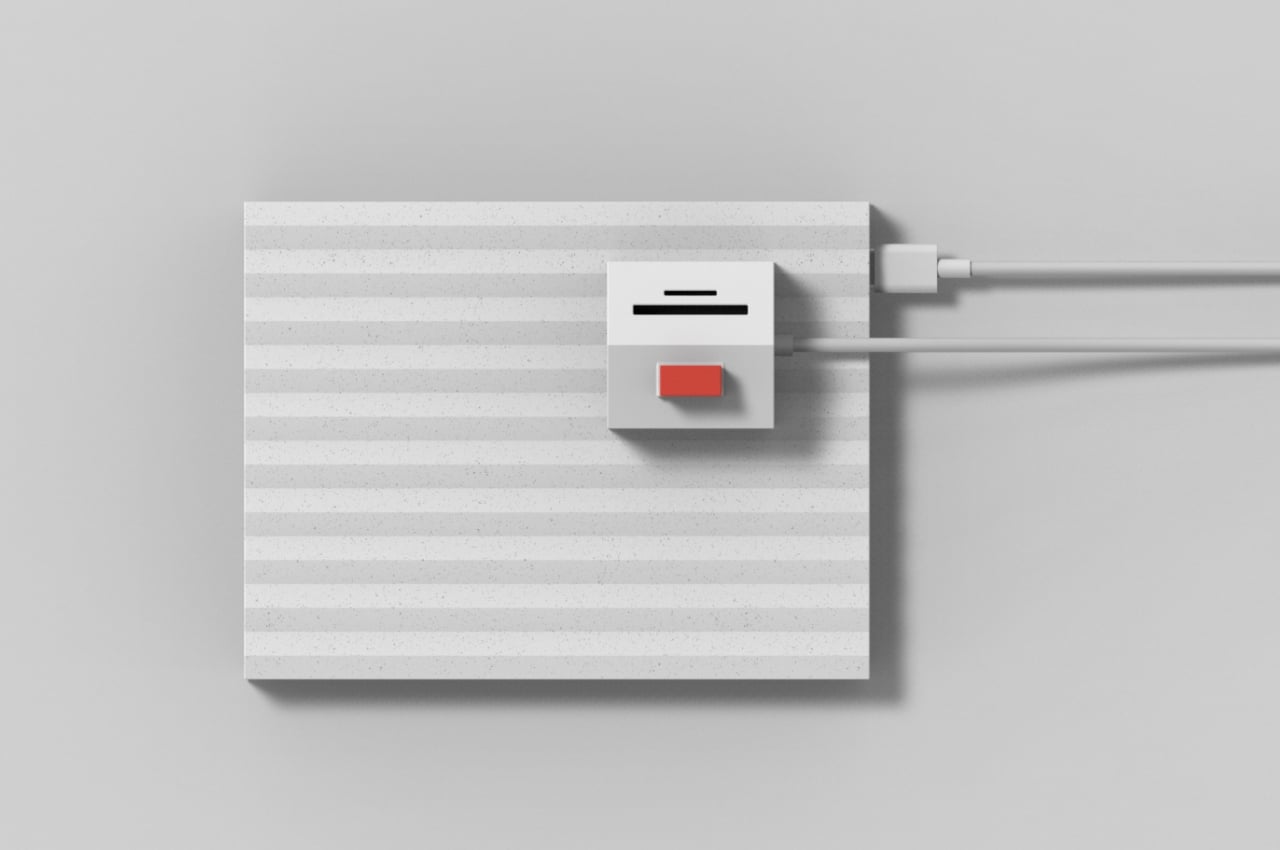
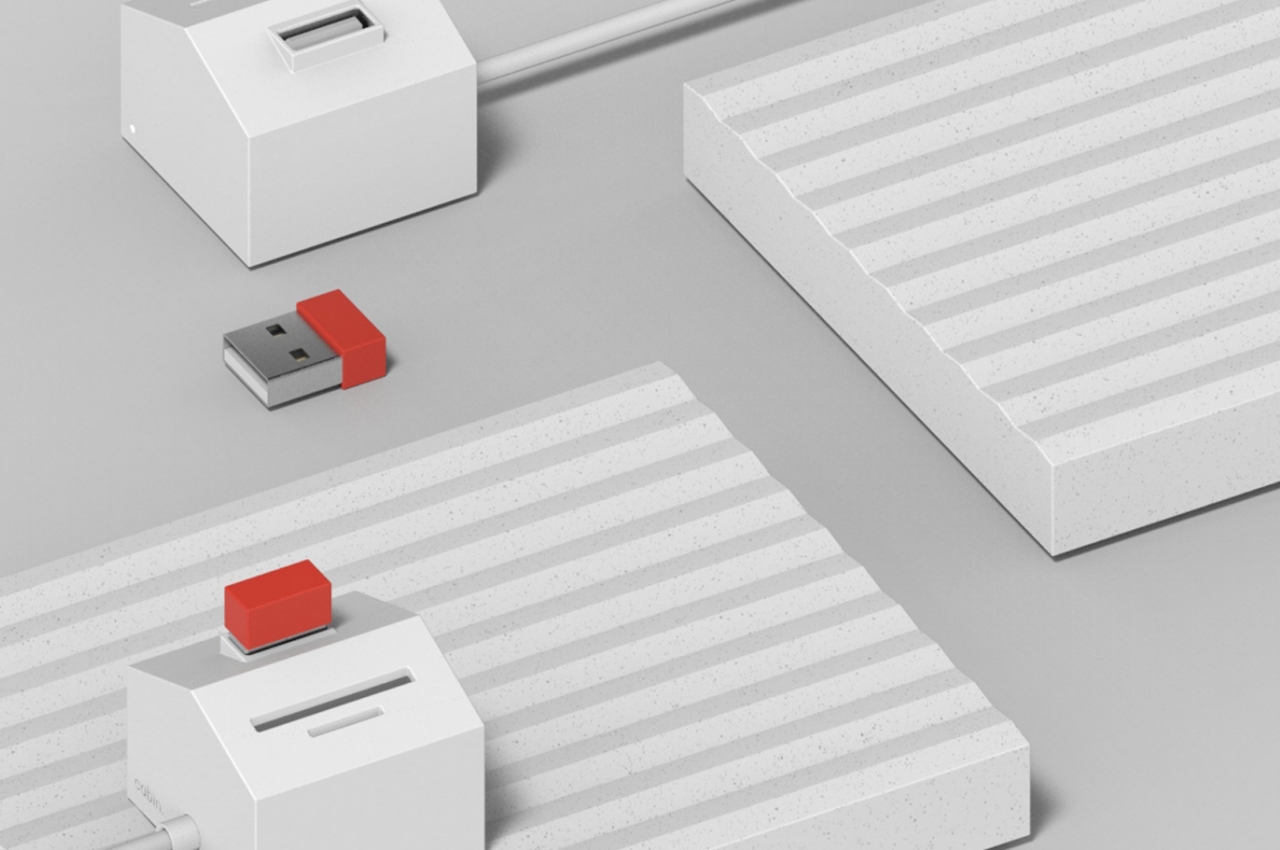
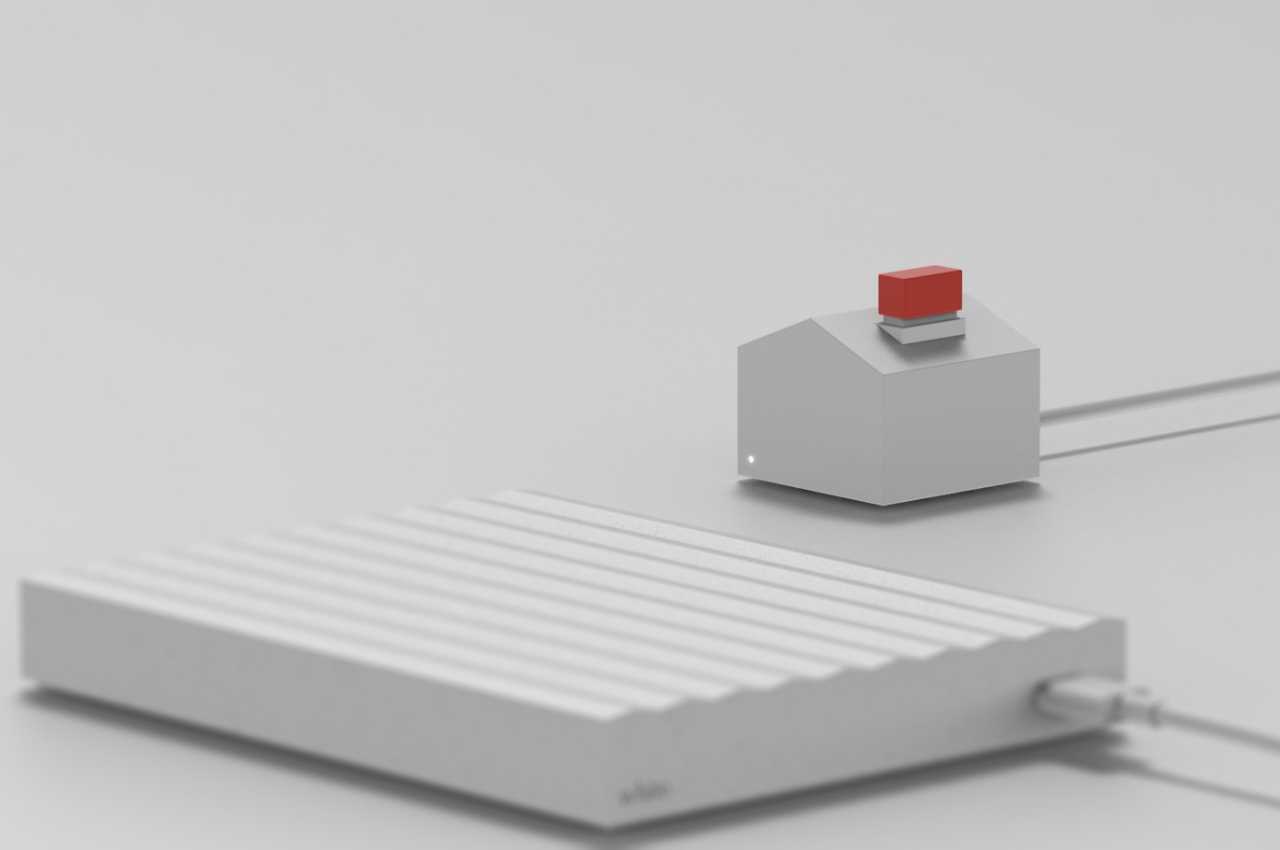
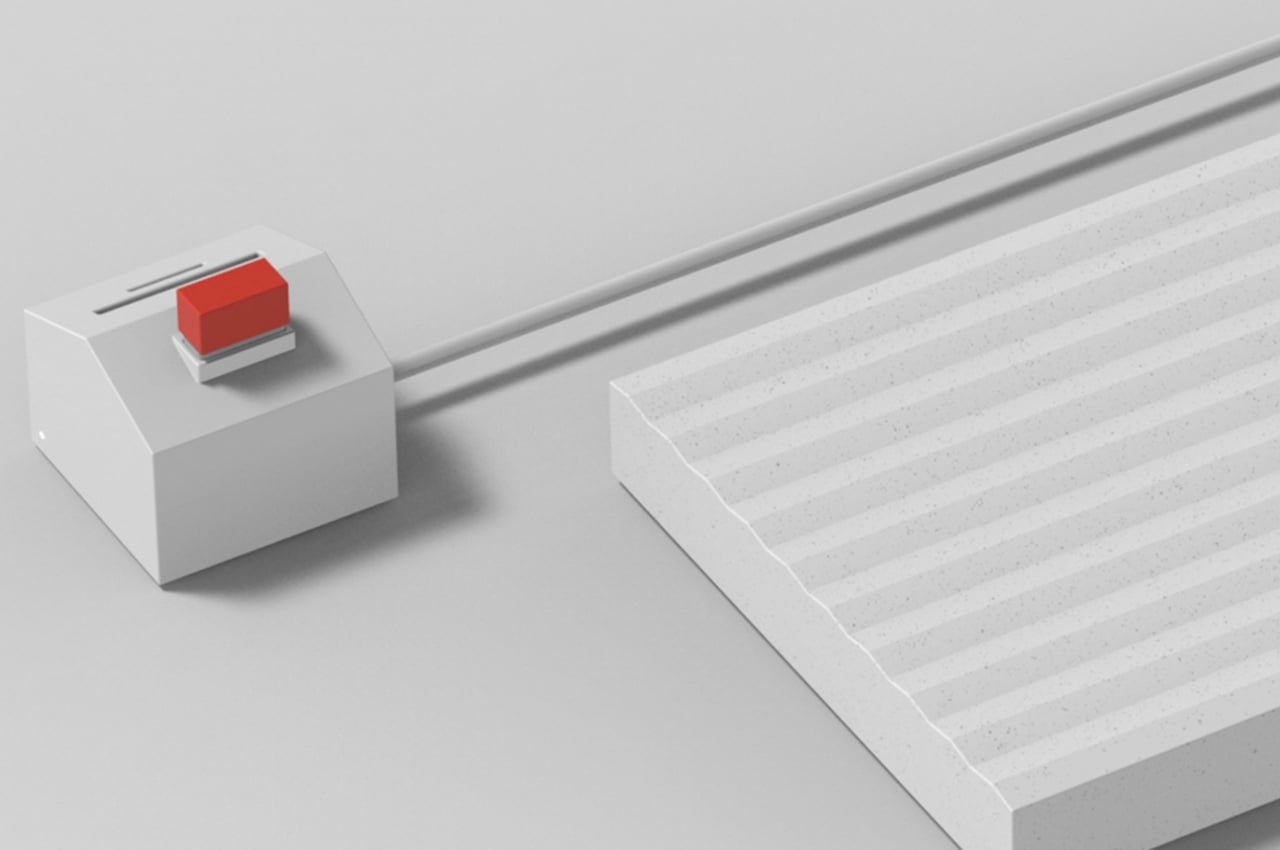
Whether you agree with that almost contrived explanation, it’s hard to argue that cabin is a rather creative way to blend utility and decoration in a fun way that doesn’t draw too much attention to itself. At first glance, the set looks like a white house with a red chimney set on top of a white plain. In truth, those three are also the three main parts of this deceptive computer accessory bundle.
The white box that serves as the base of the house is meant to be an external hard drive, with its ridges calling to mind white mountain tops in winter. The house is a USB hub with slots on the roof for data cards. That red chimney is actually the butt of a USB flash drive, though its size suggests it might have very little space for files inside.
The idea isn’t exactly groundbreaking, but it does raise the question of why very few manufacturers have dabbled in turning computer accessories into desk toys. The predominant minimalism trend in product design has flooded the market with nondescript and almost impersonal hubs and boxes. Maybe it is time to make a shift that allows people to express themselves even though they are using a boring USB hub.
This mountain-shaped household appliance is designed to visualize the journey of a seven-day workweek
Mt.
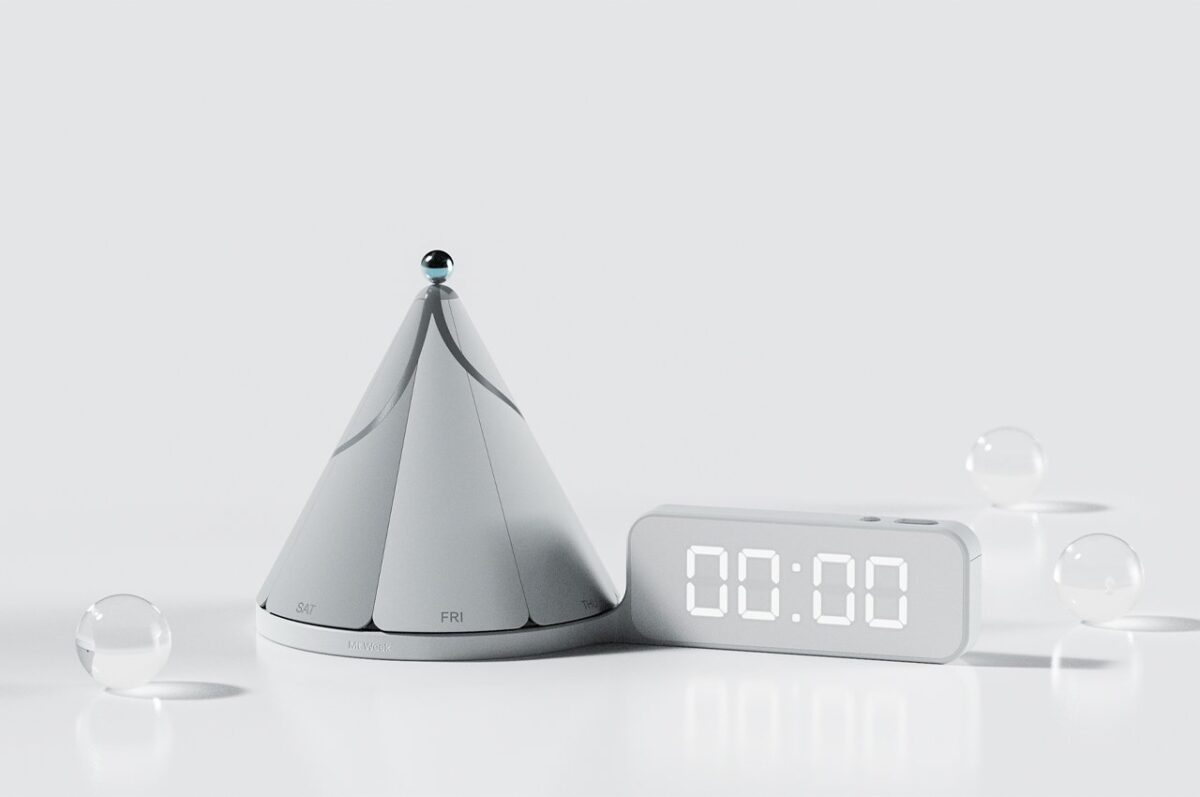
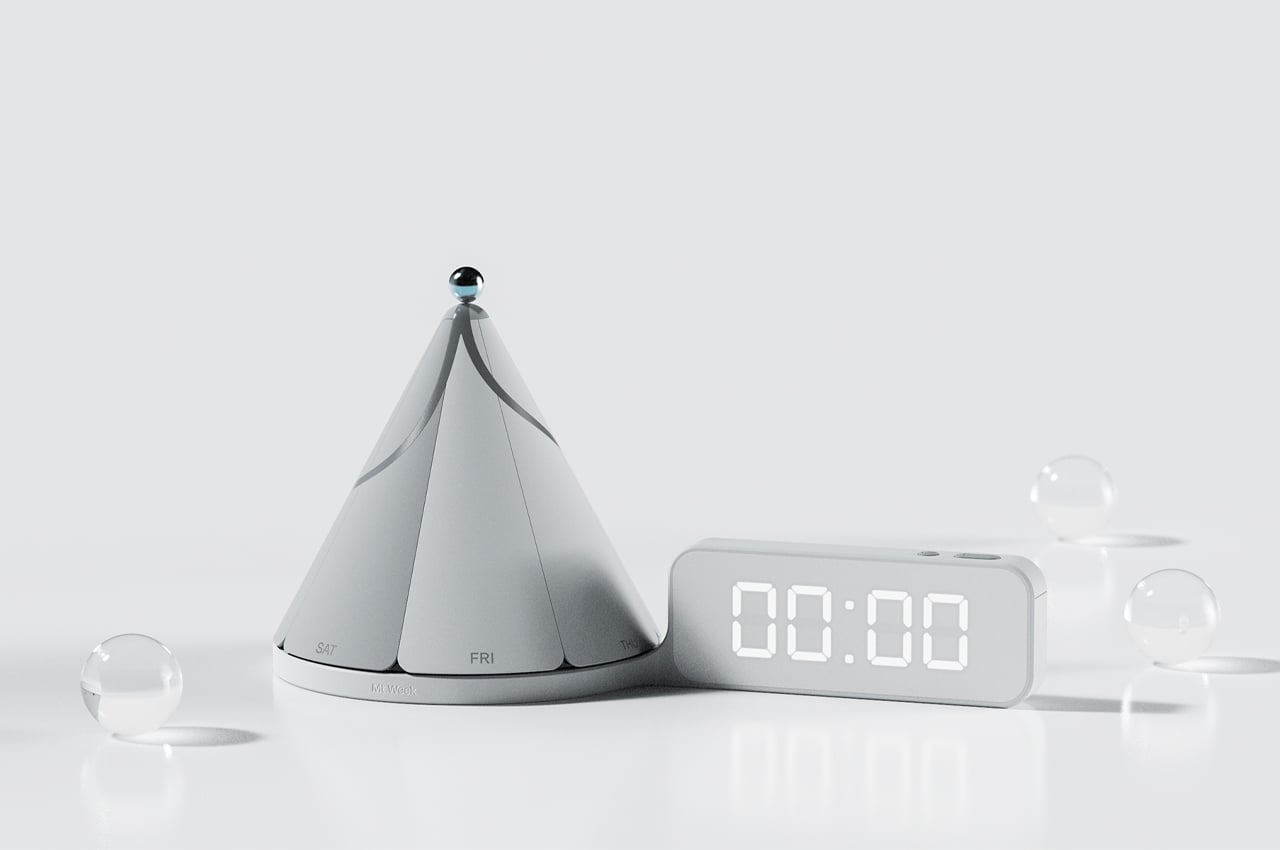
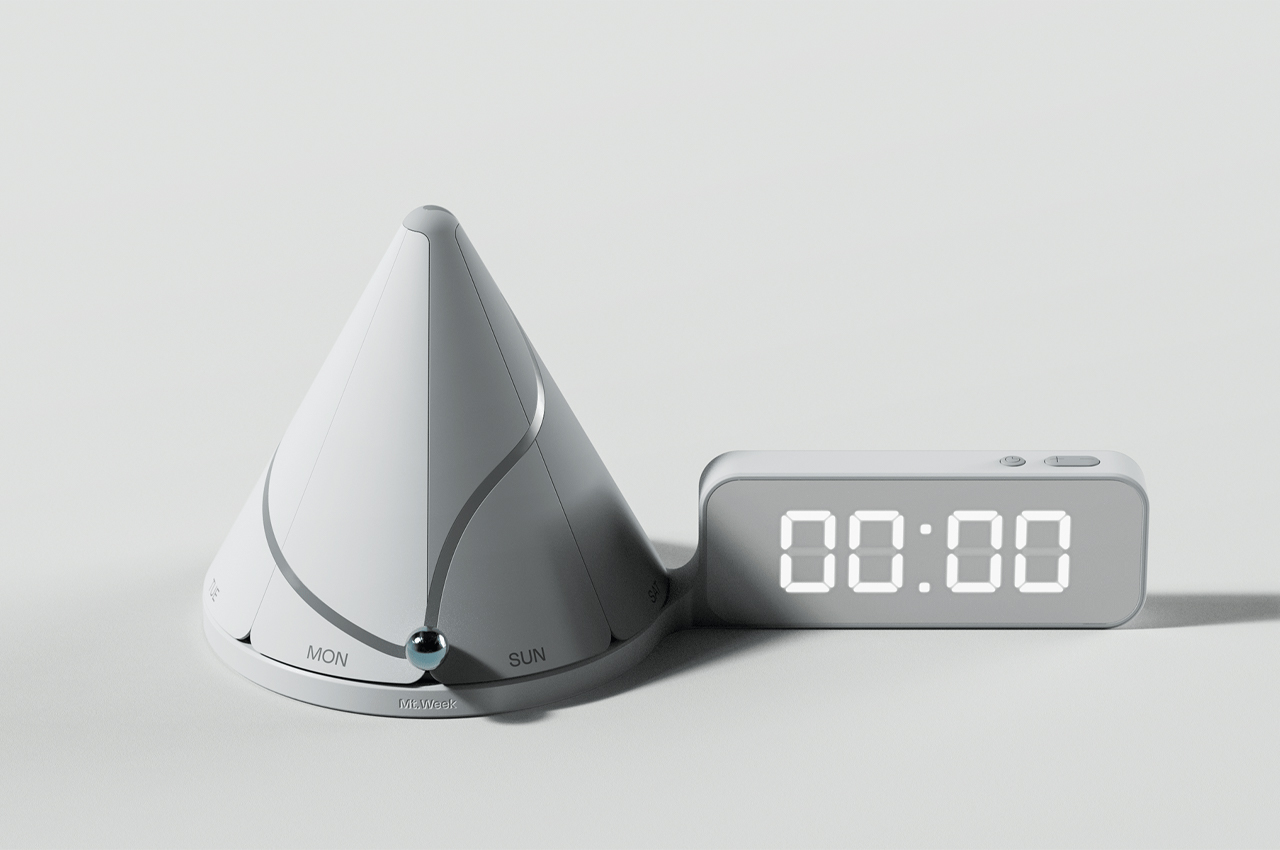
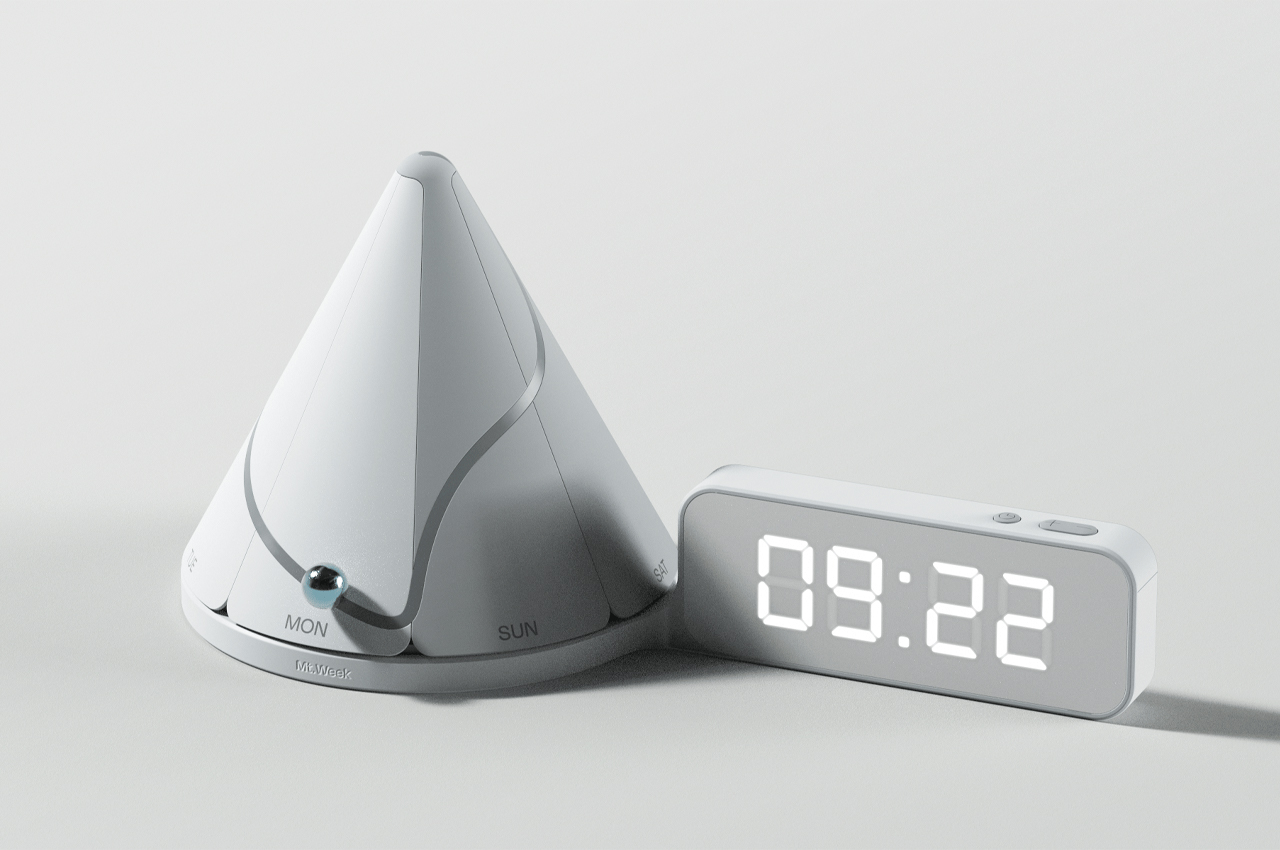
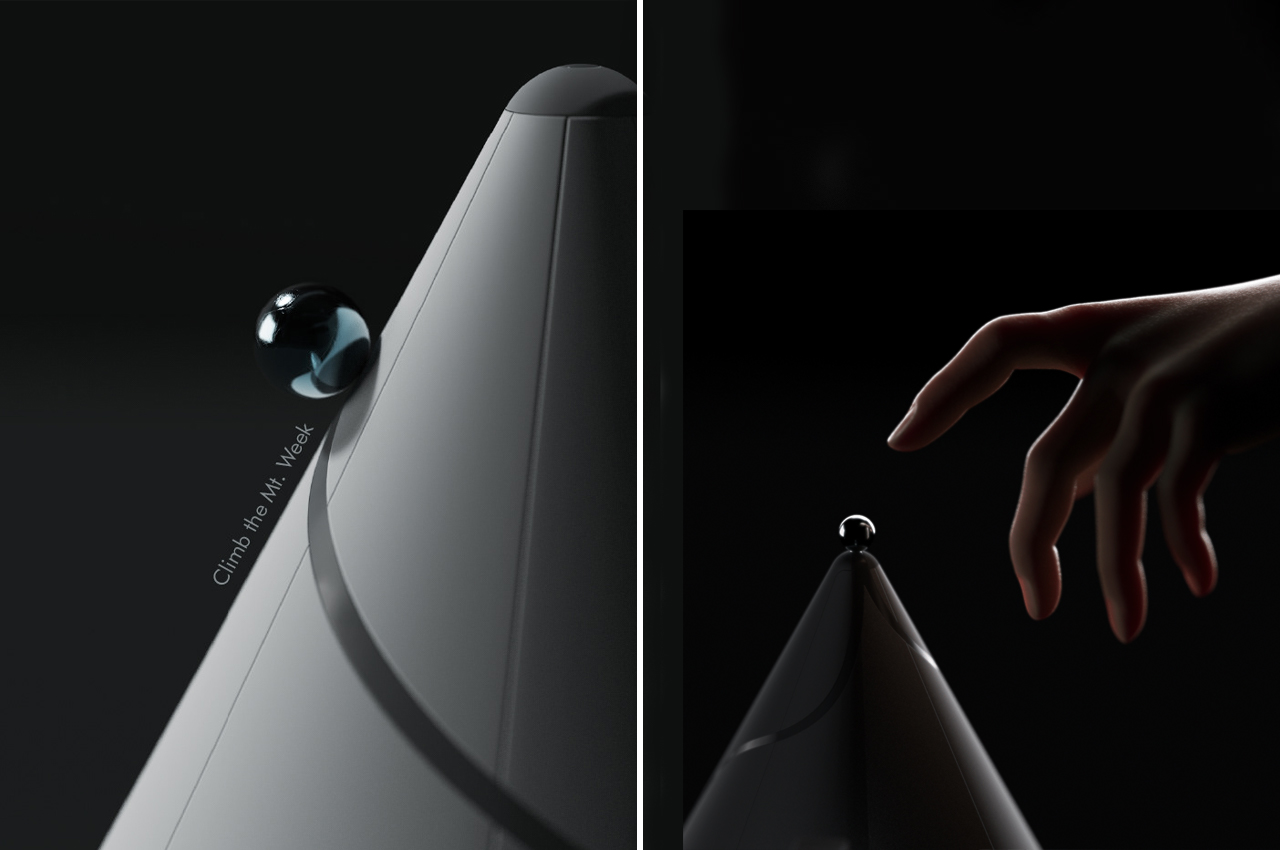
There are few things more universally exciting than reaching the weekend after a long, arduous work week. It’s like reaching a mountain’s summit after spending the morning and afternoon traversing its trails and footpaths. There’s nothing like that first gulp of water, overlooking the valleys and tree canopies below, or that first cup of coffee on a slow Sunday morning. Mt. Week, a cone-shaped clock appliance that denotes the motions of a week’s journey.
Designers: Minsu Kim, Yoonjeong Lee, Seunghyun Ko, Gyeongah Hwang, Hyunmin Kim
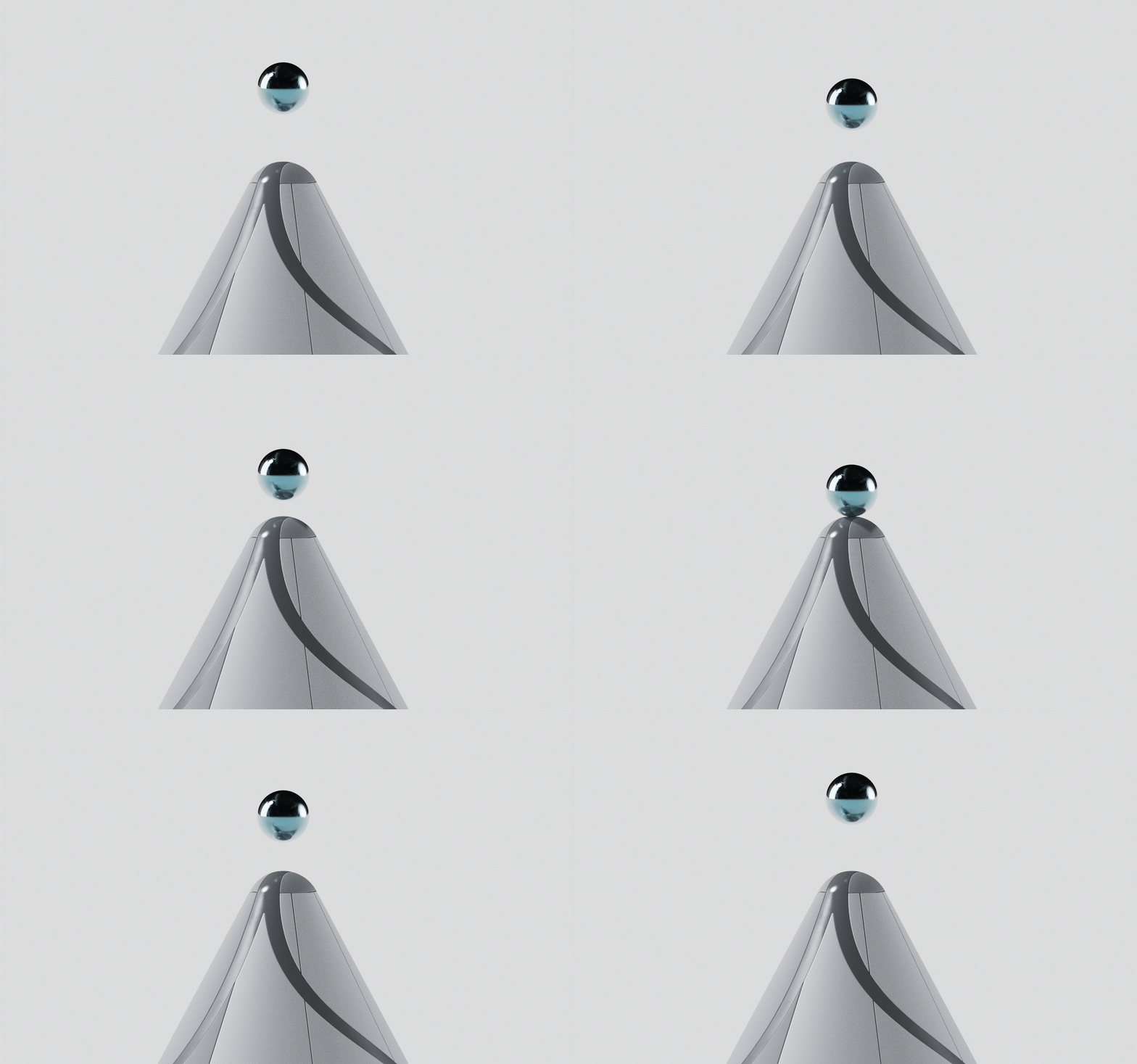
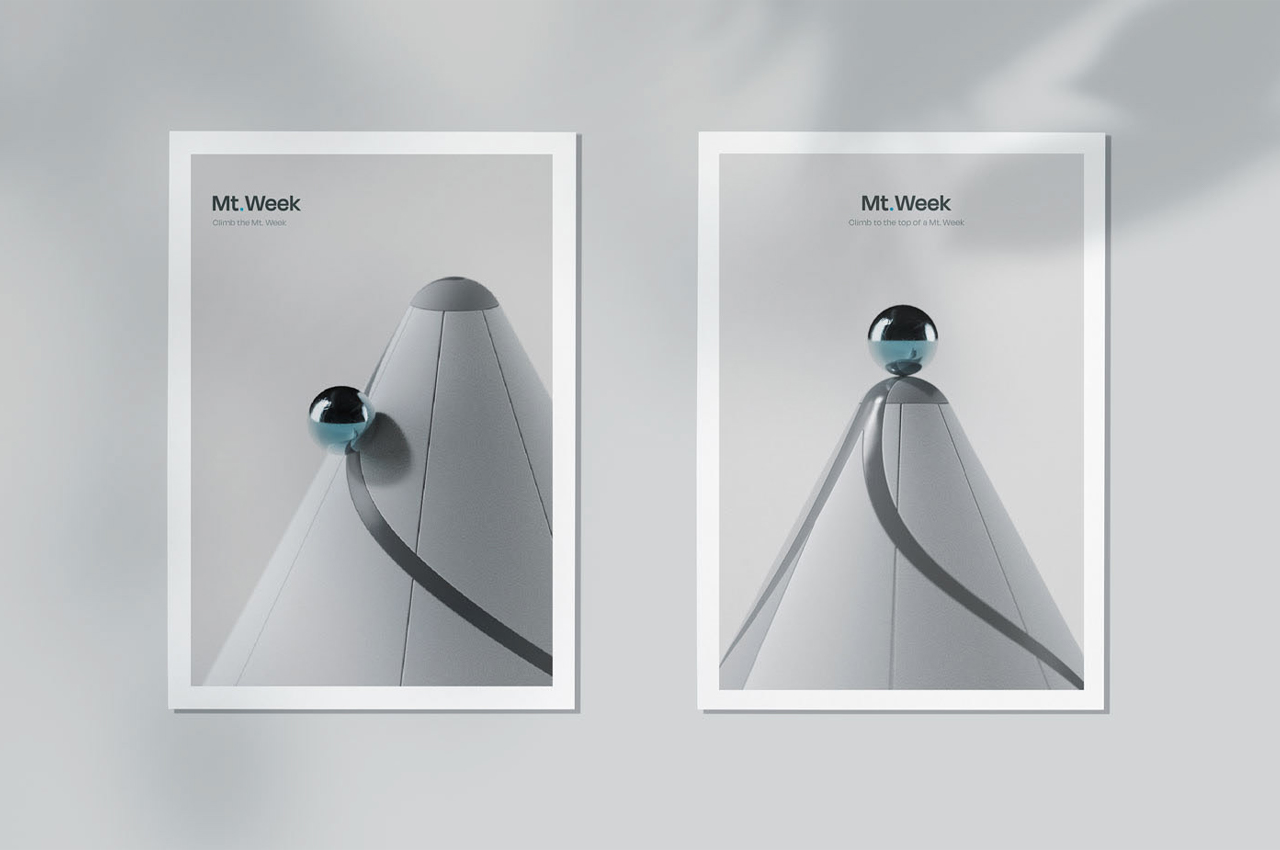
Inspired by the shape of a mountain, Mt. For its magnetic sphere, Week is an upside down triangle that winds toward its apex.
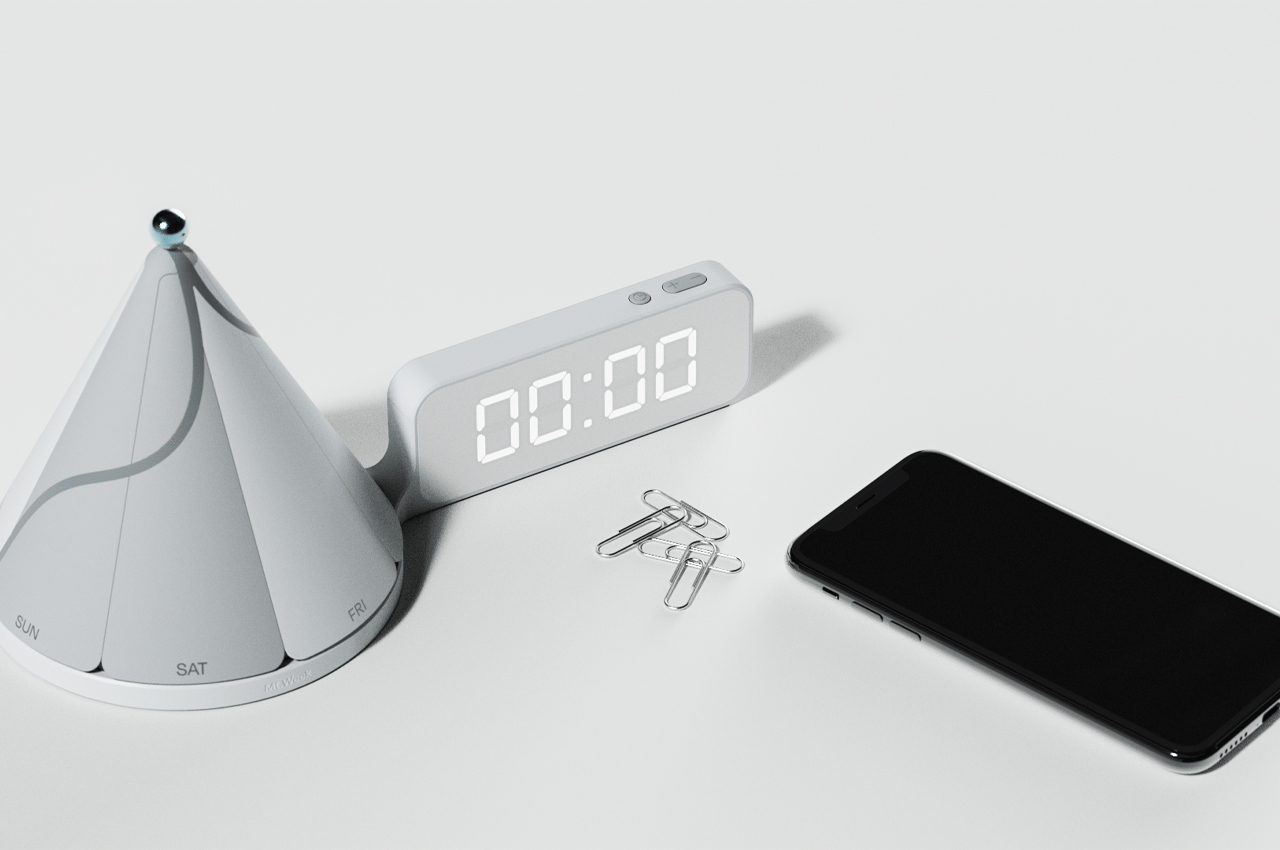
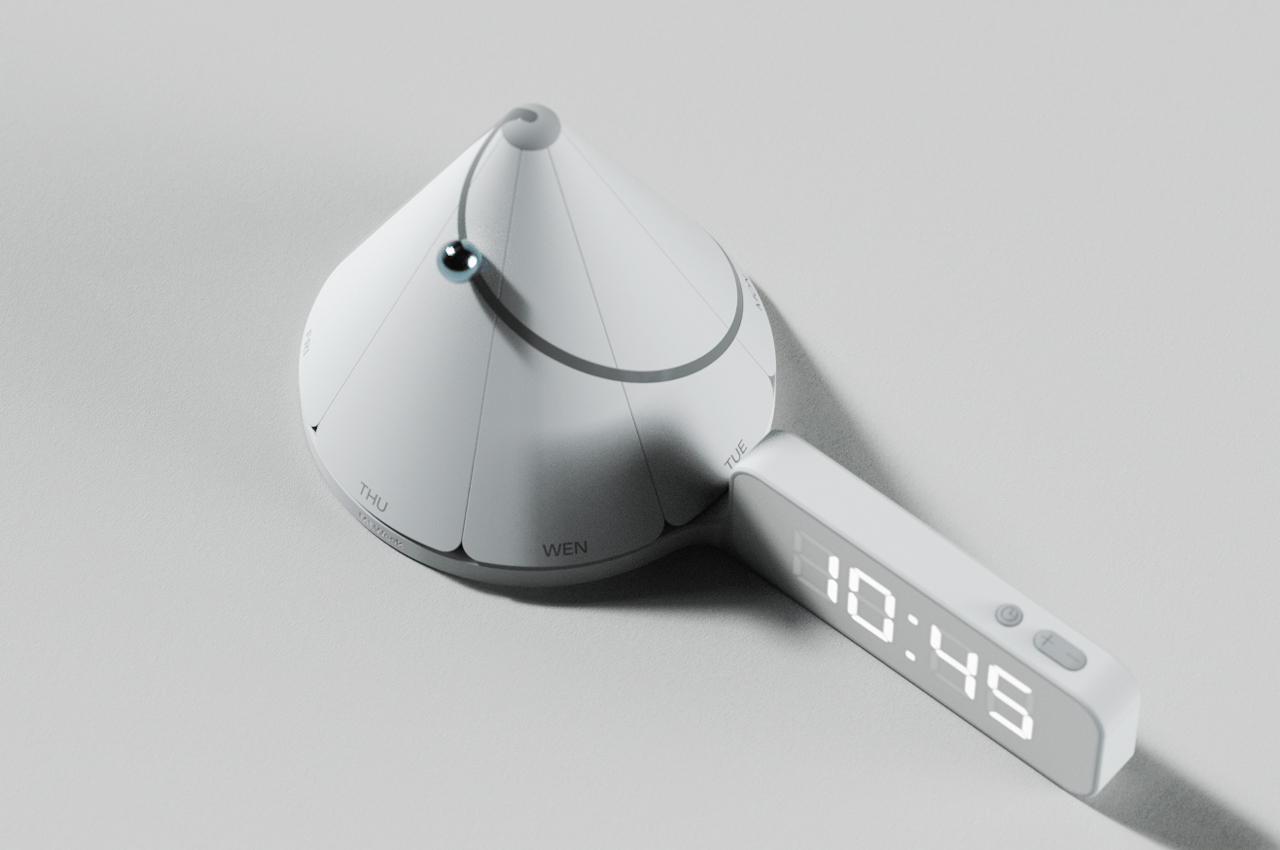
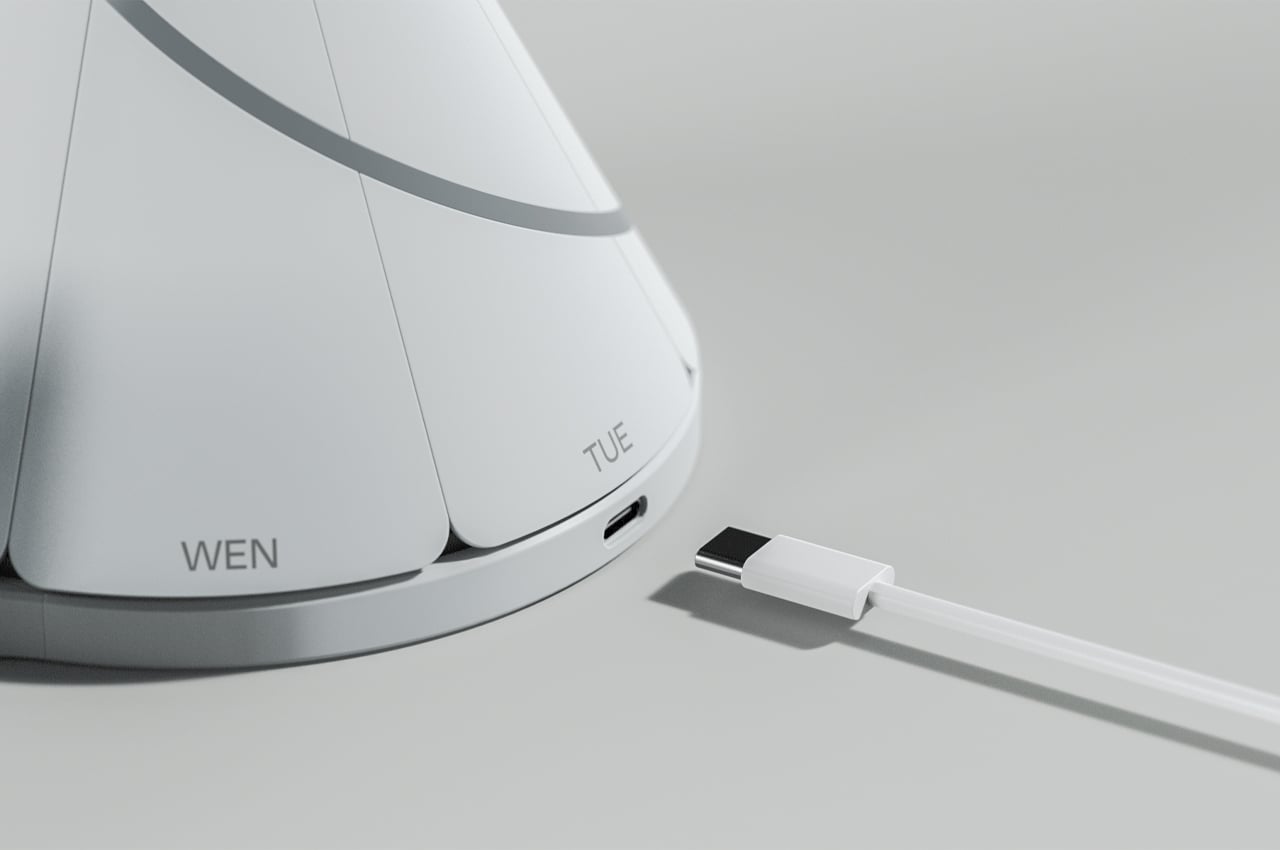
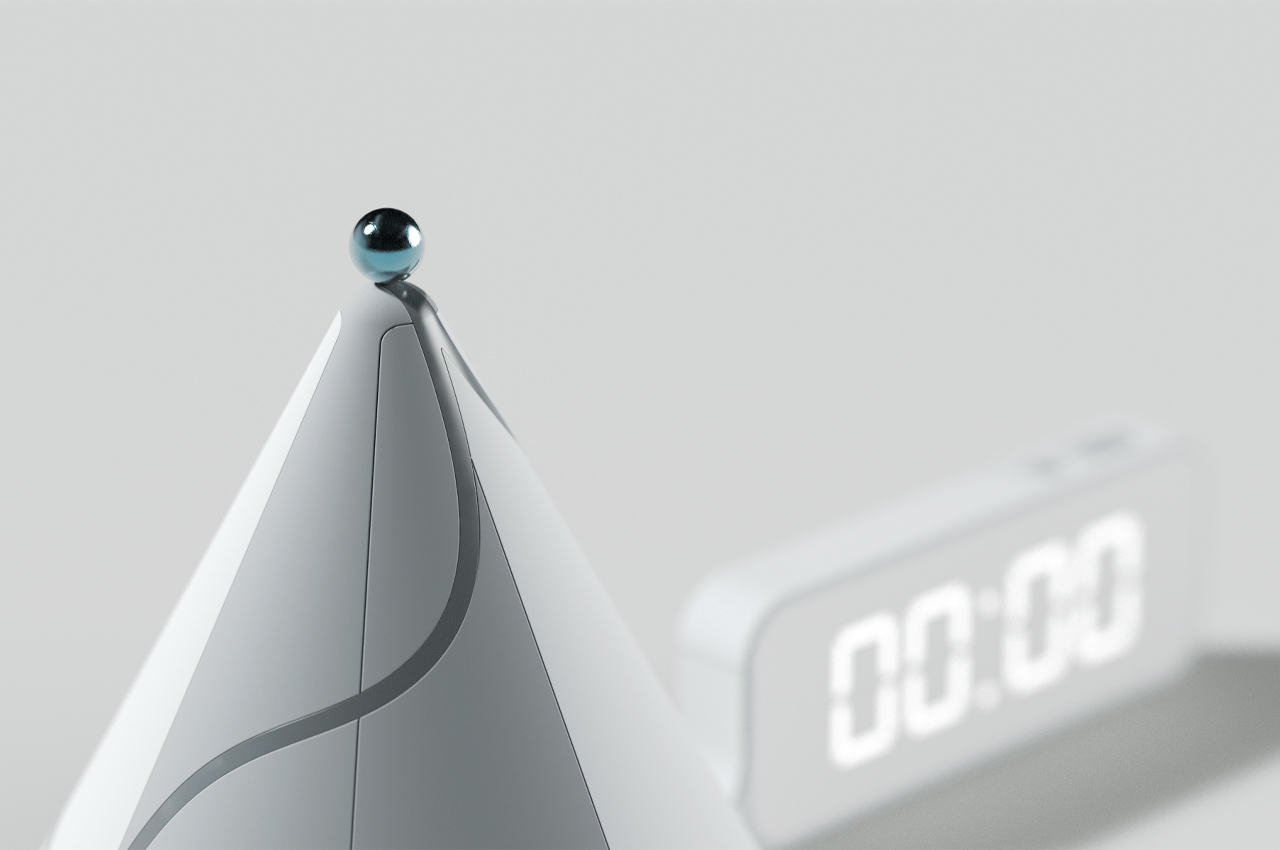
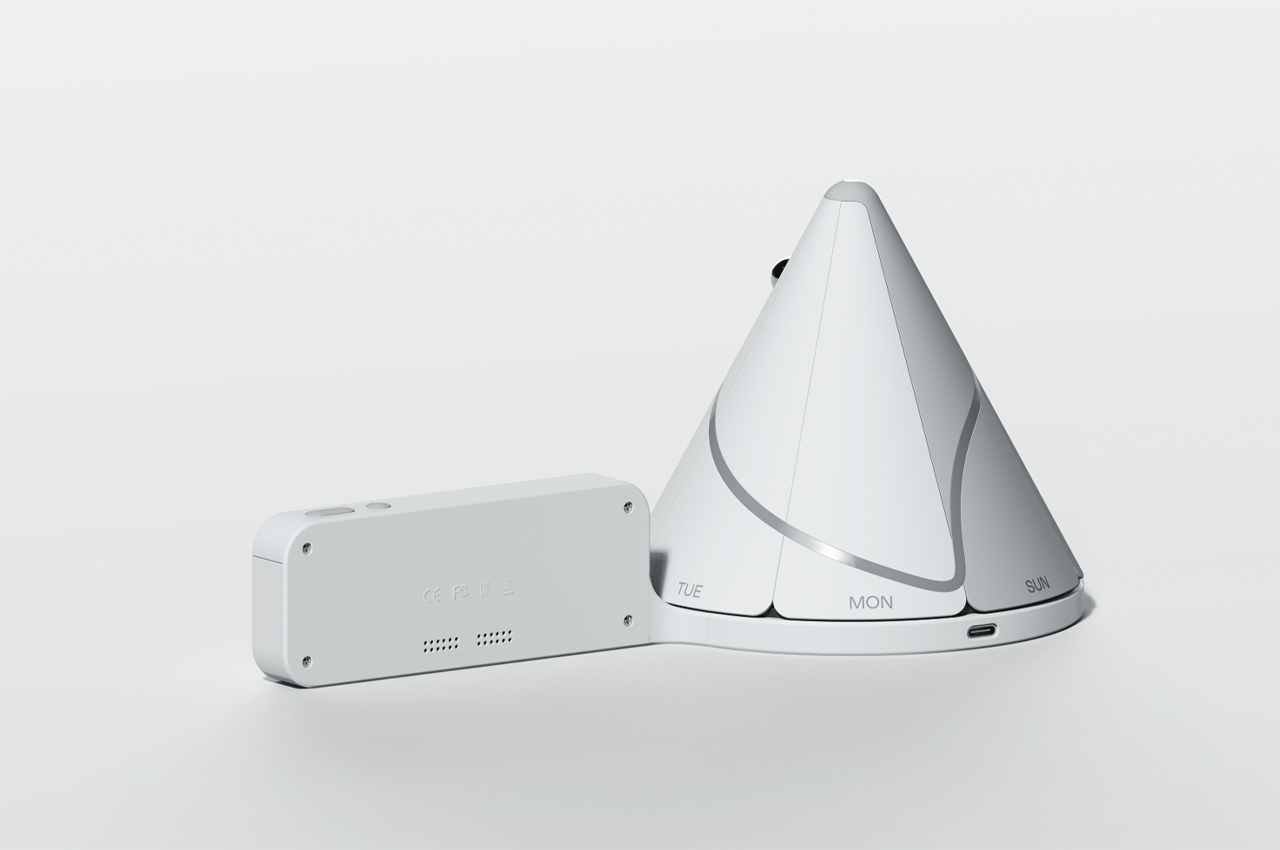
Separated into seven even parts, the cone represents the seven-day week and the magnetic sphere represents our timed journey through the week. Comprised of three main components, Mt. Mt. consists of three main components. Week has an integrated digital clock on its side that indicates the time of the day. A magnetic sphere navigates seven equal sections.
Describing the device’s time-controlled modules, the designers describe, “Mt. The week is broken into seven sections, each representing one week of travel. The sphere climbs the mountain diligently [on] weekdays and descends with ease during the weekend.
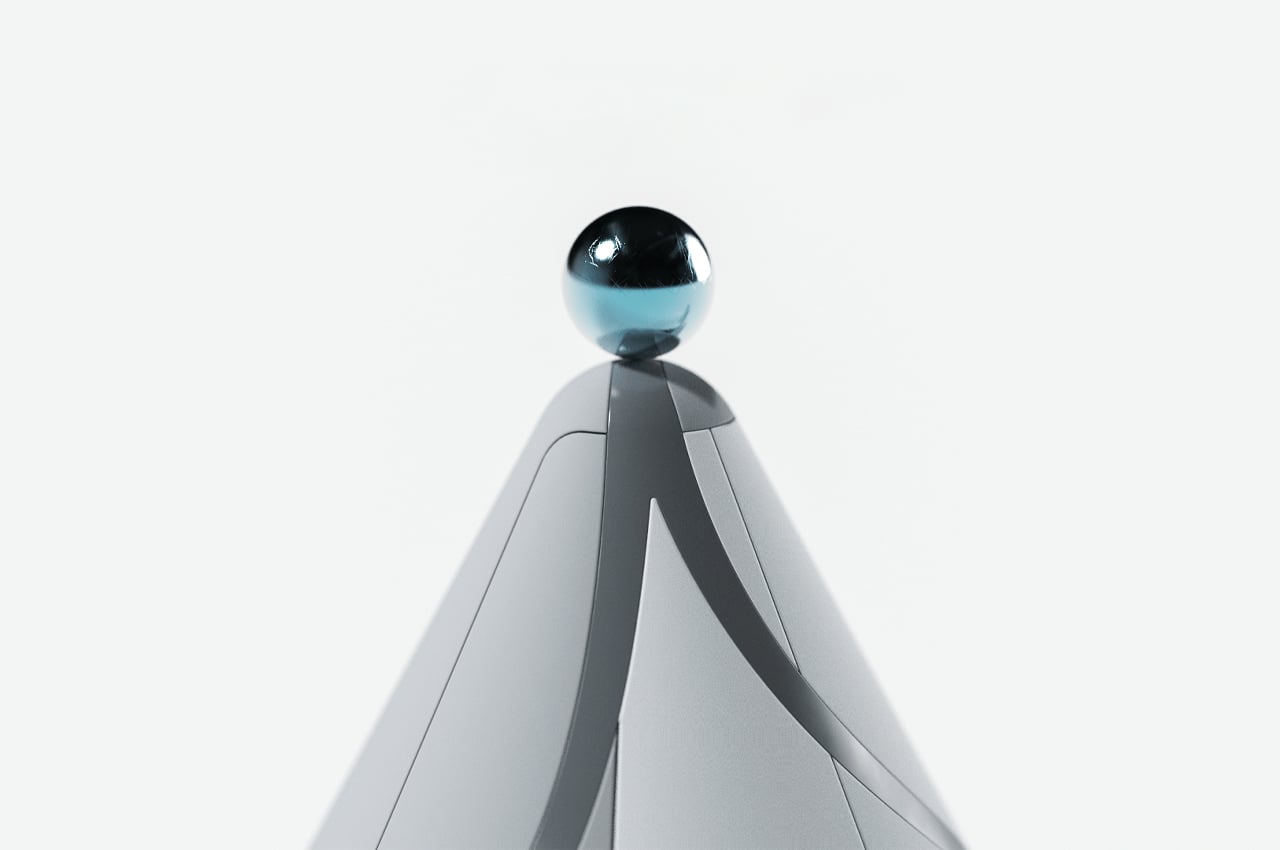
Users will find themselves excited while watching the sphere moving towards the weekend.” A built-in magnetic rail traces the cone’s surface for the magnetic sphere to latch onto and follow. The cone’s rotation signals the magnet sphere which day it is, while the clock shows the current time.
The integrated magnetic rail mimics the curving nature of trailheads.
When users place the magnetic sphere at the top of Mt. The magnetic rail places the magnetic sphere at Mt.
Operated via a wire connection, all users would need is an outlet.
Even when not in use, Mt. Mt. Week adds a sense of elegance and simplicity to your bedroom or office.
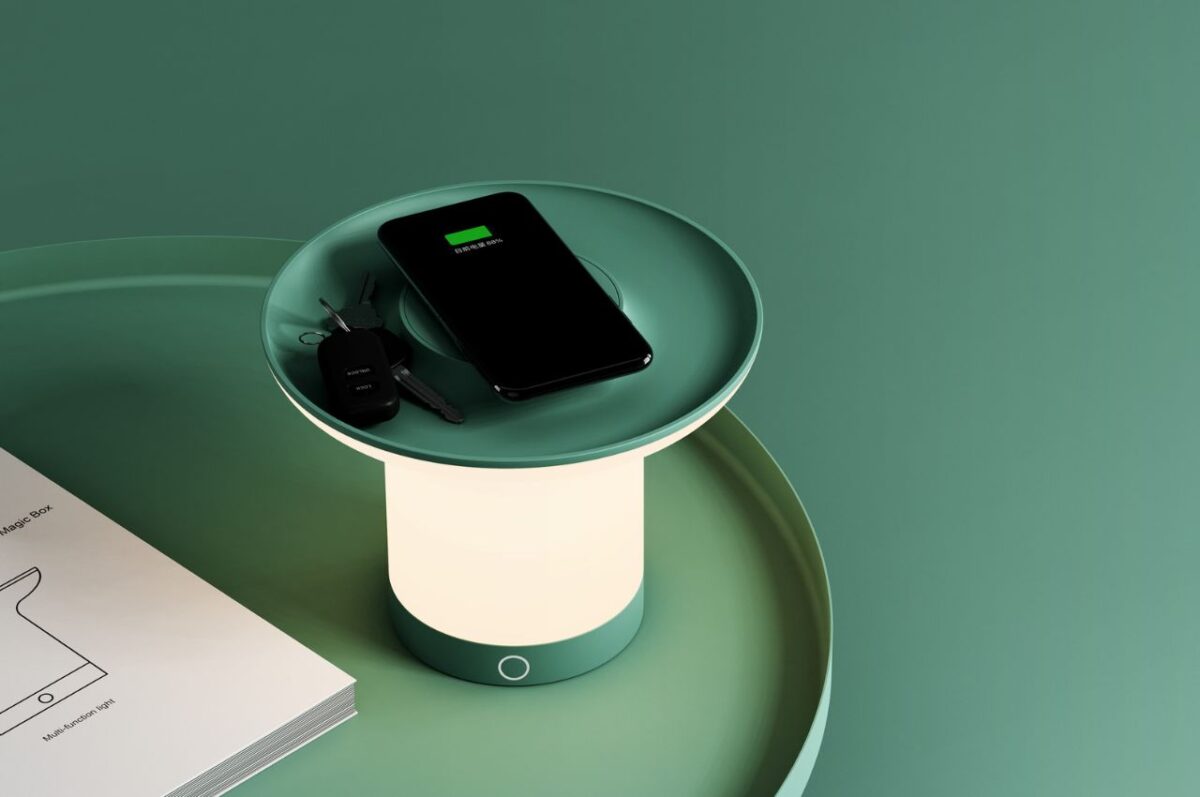
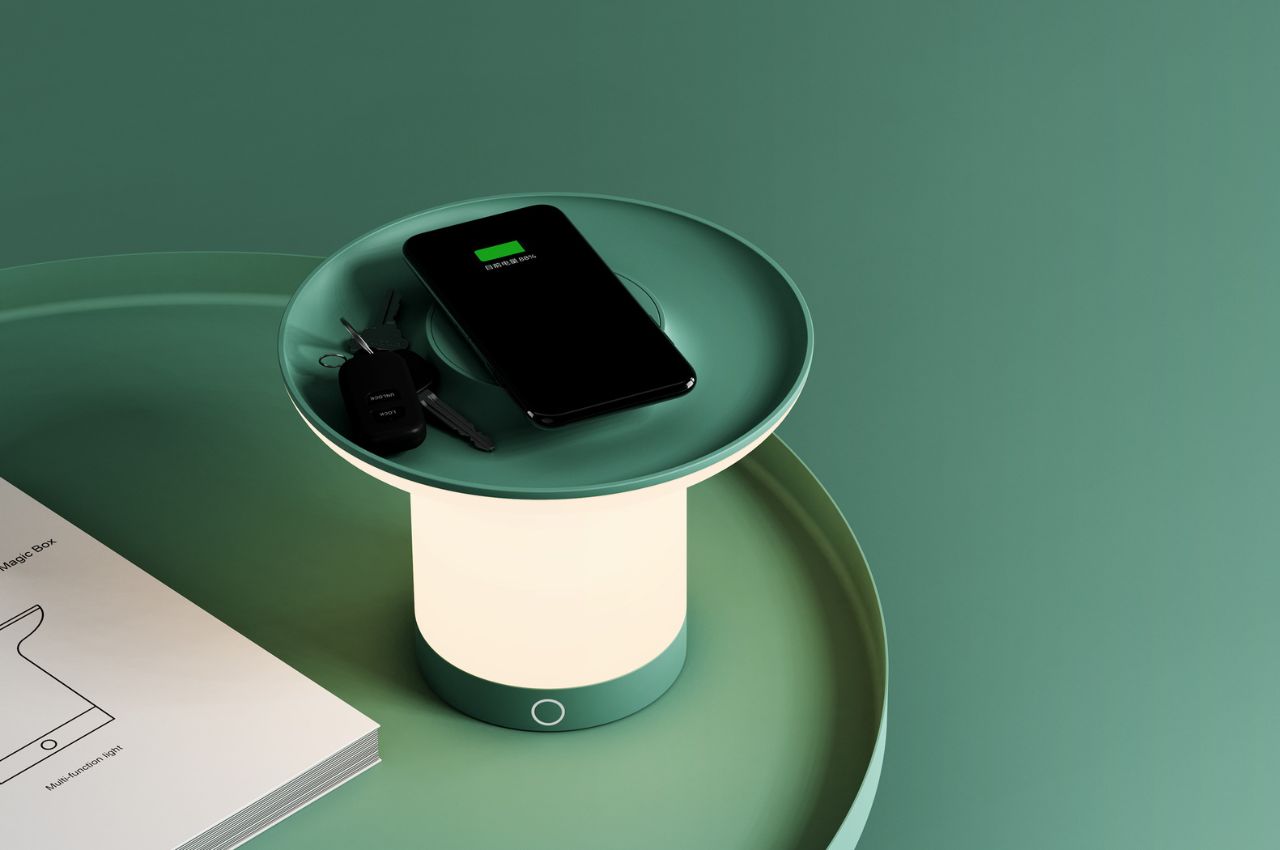
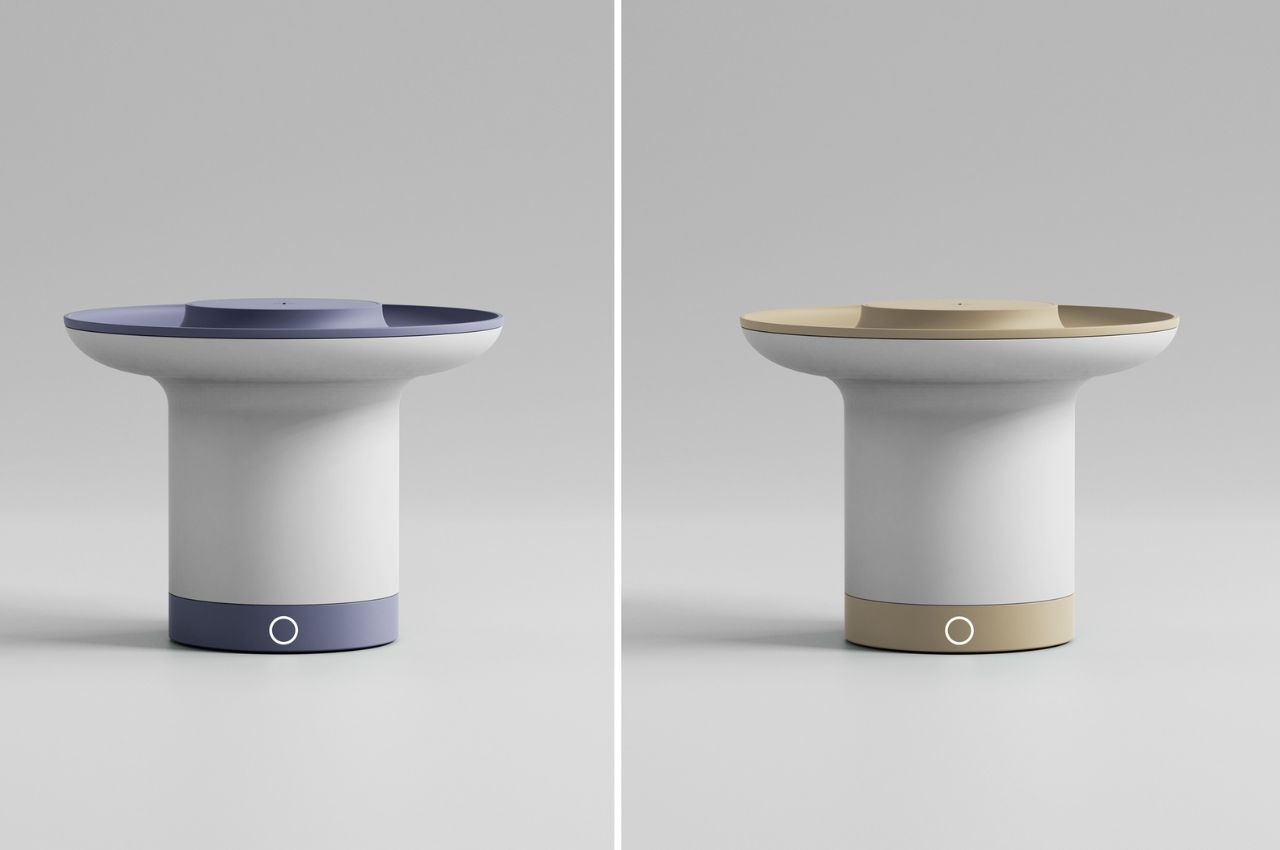
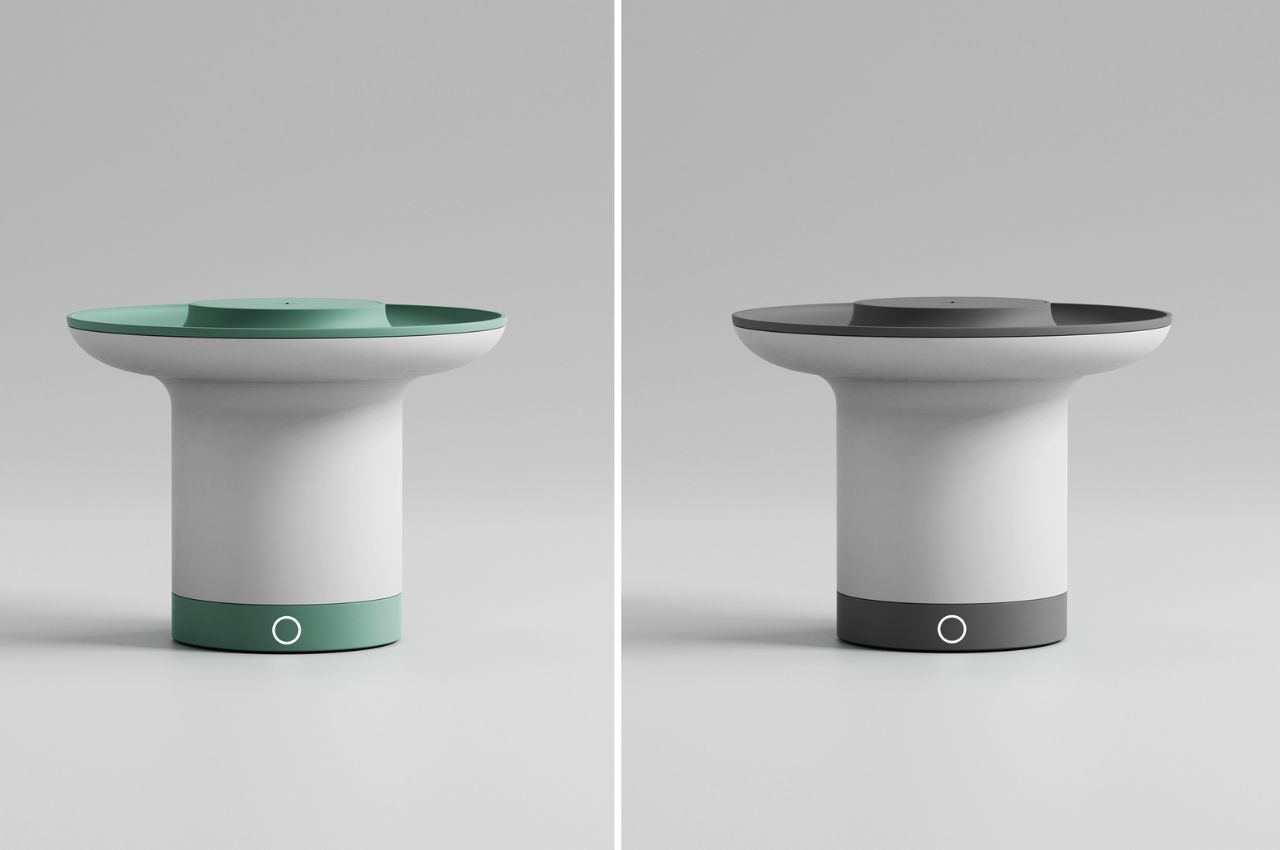
Multi-purpose light is a wireless charger, lamp, and container in one
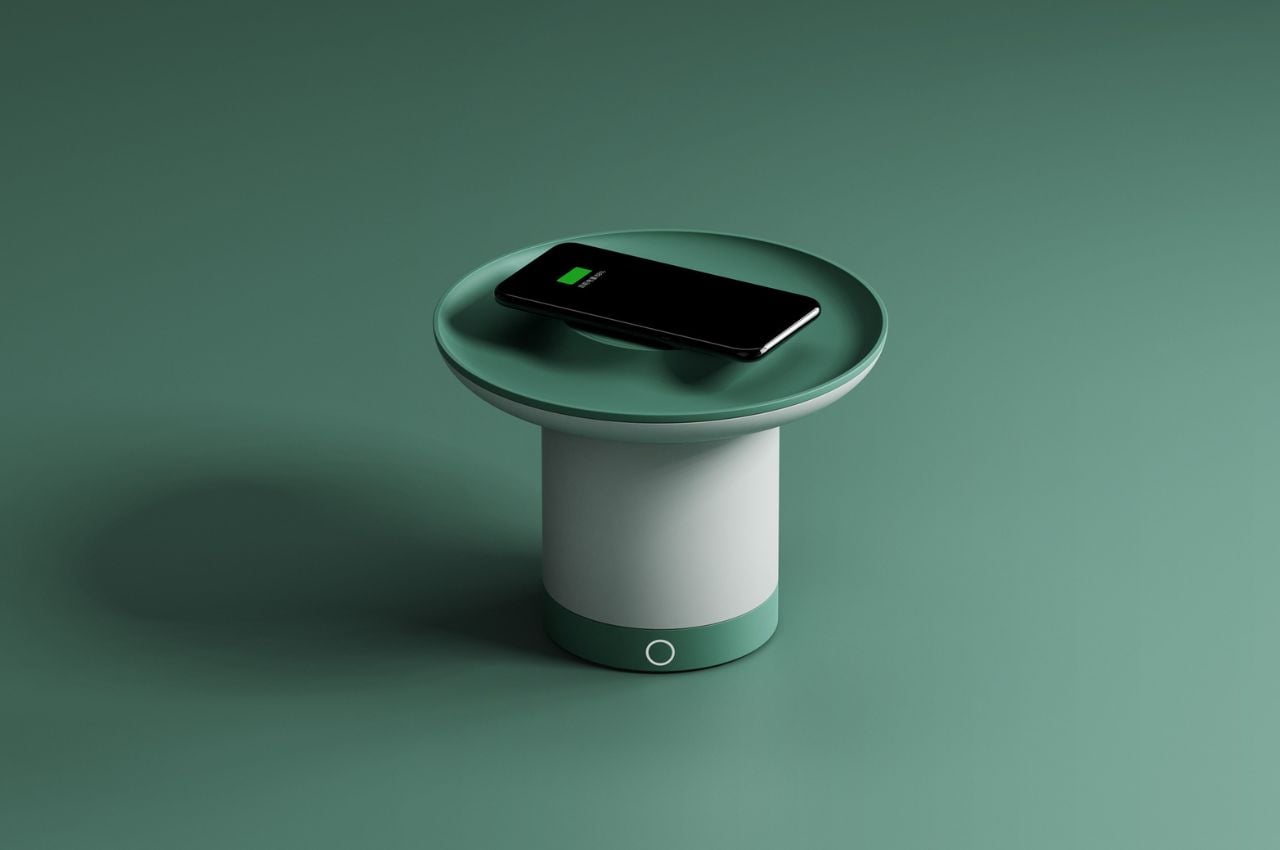
One of the first things that I do when I get home, especially after a long day out, (aside from going to the bathroom) is to charge my smartphone. Well of course you drop your keys, bag, or any other things that you may be carrying, but plugging in and charging your phone is a priority. Wireless chargers have become more popular. You can even decorate your phone with them and use other functions.
Designer: Wenhua Xu
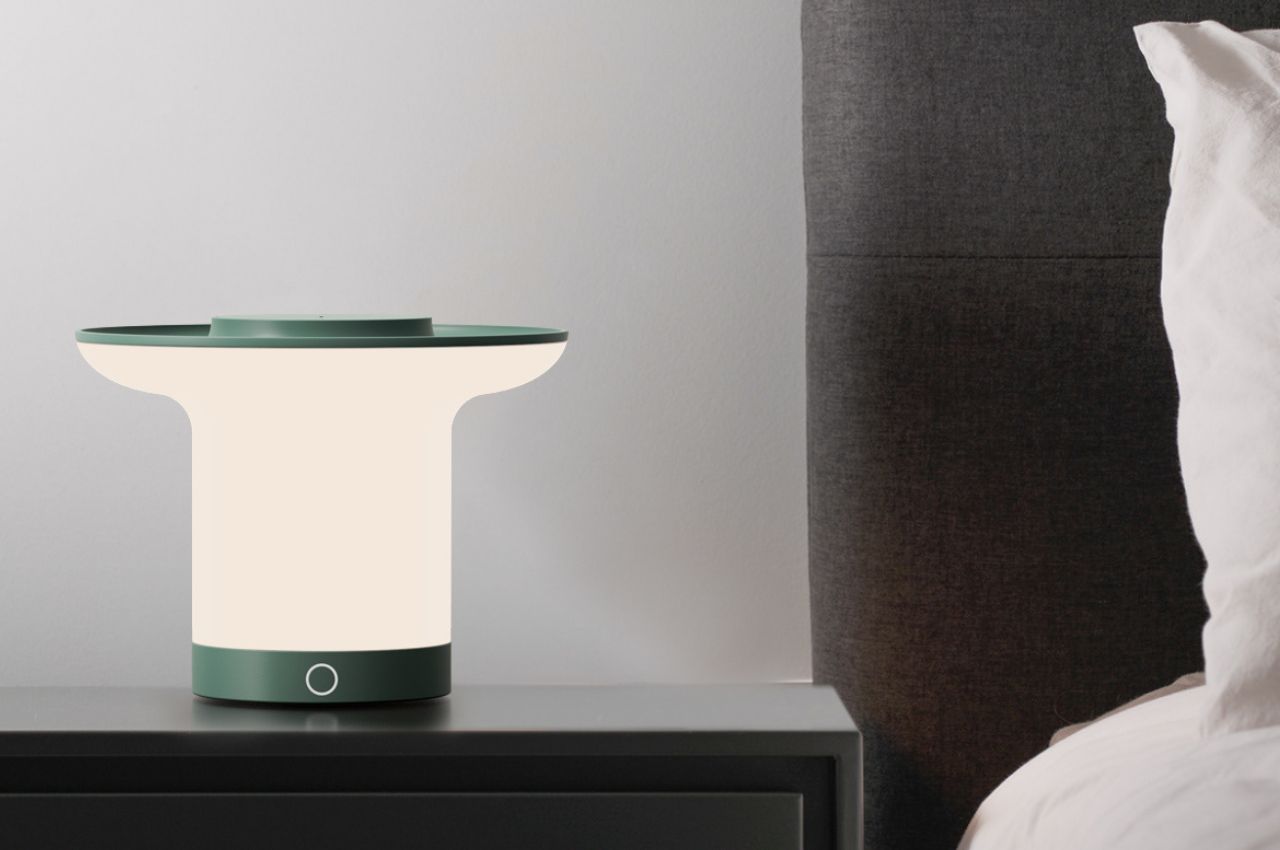
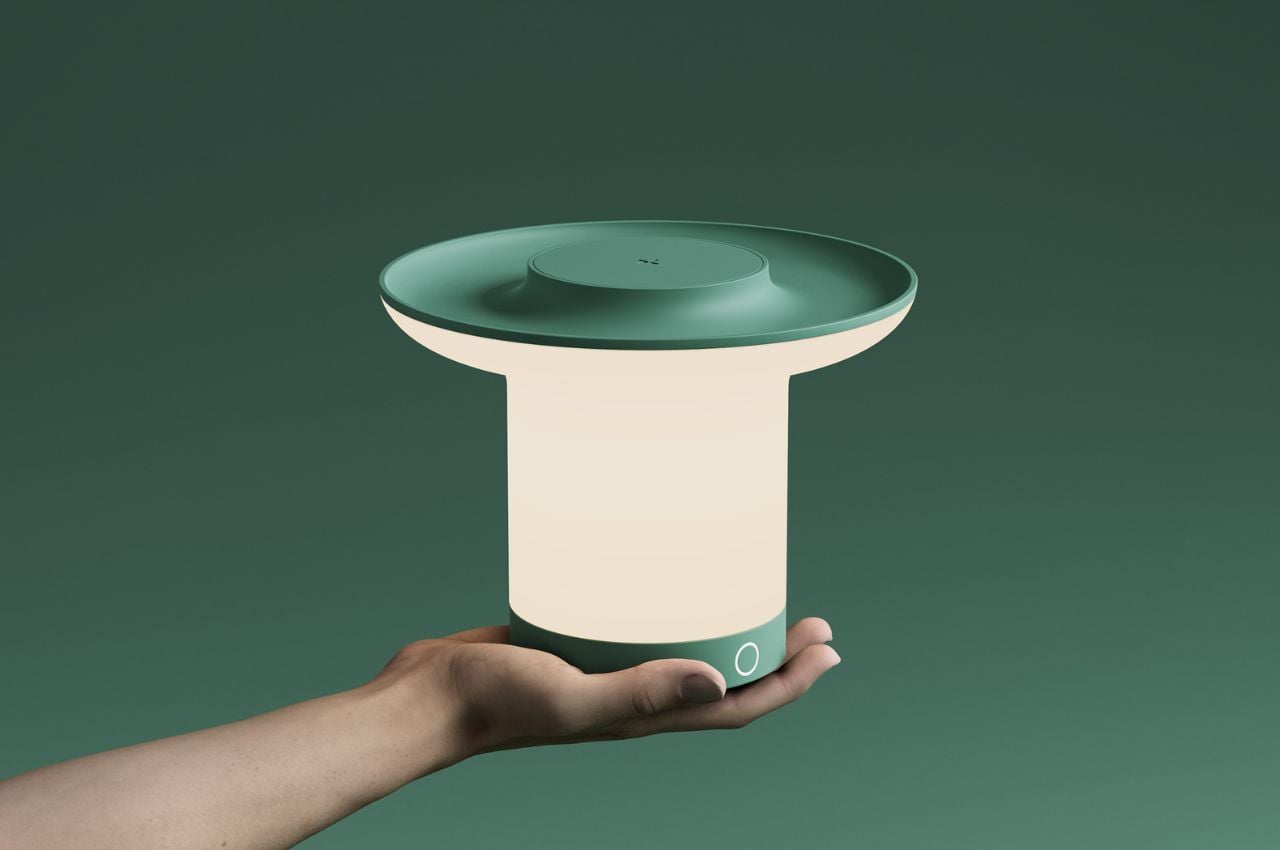
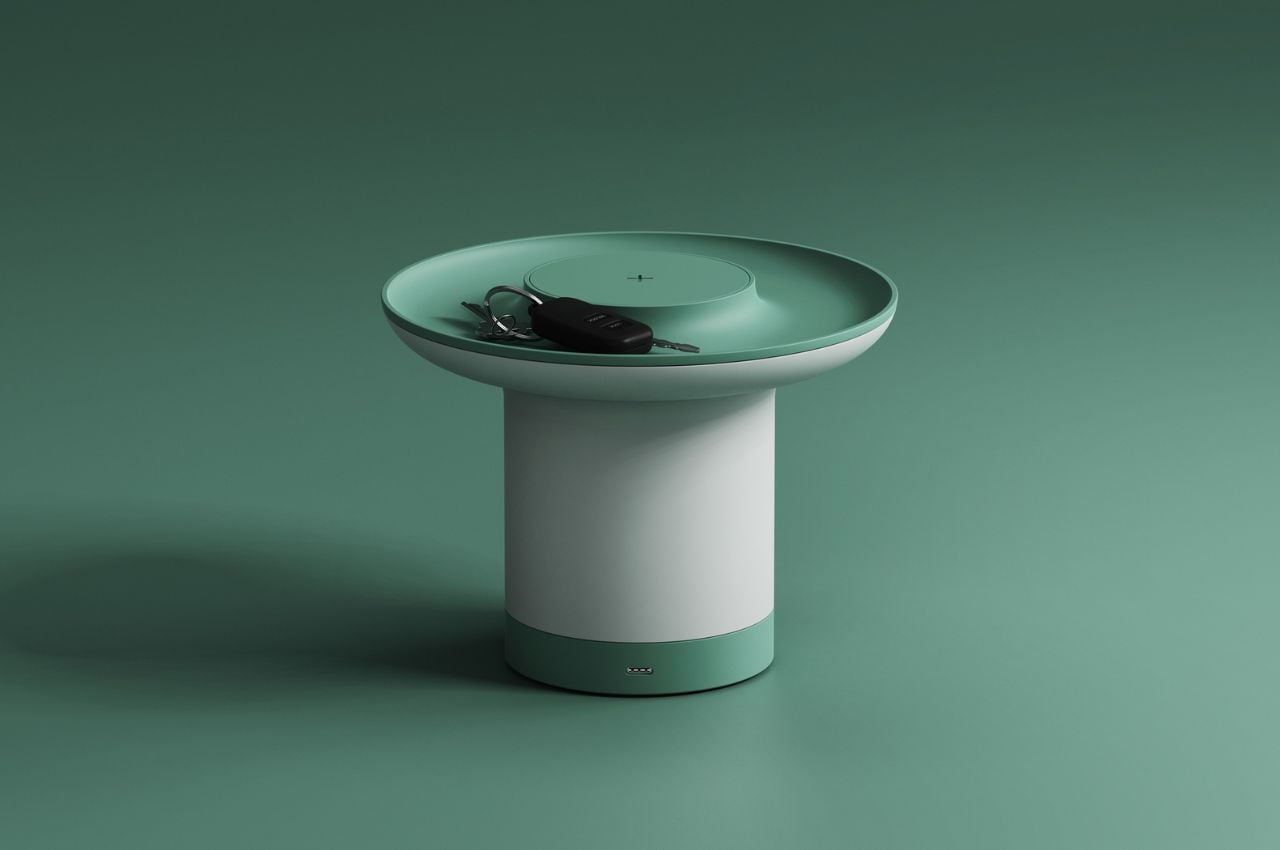
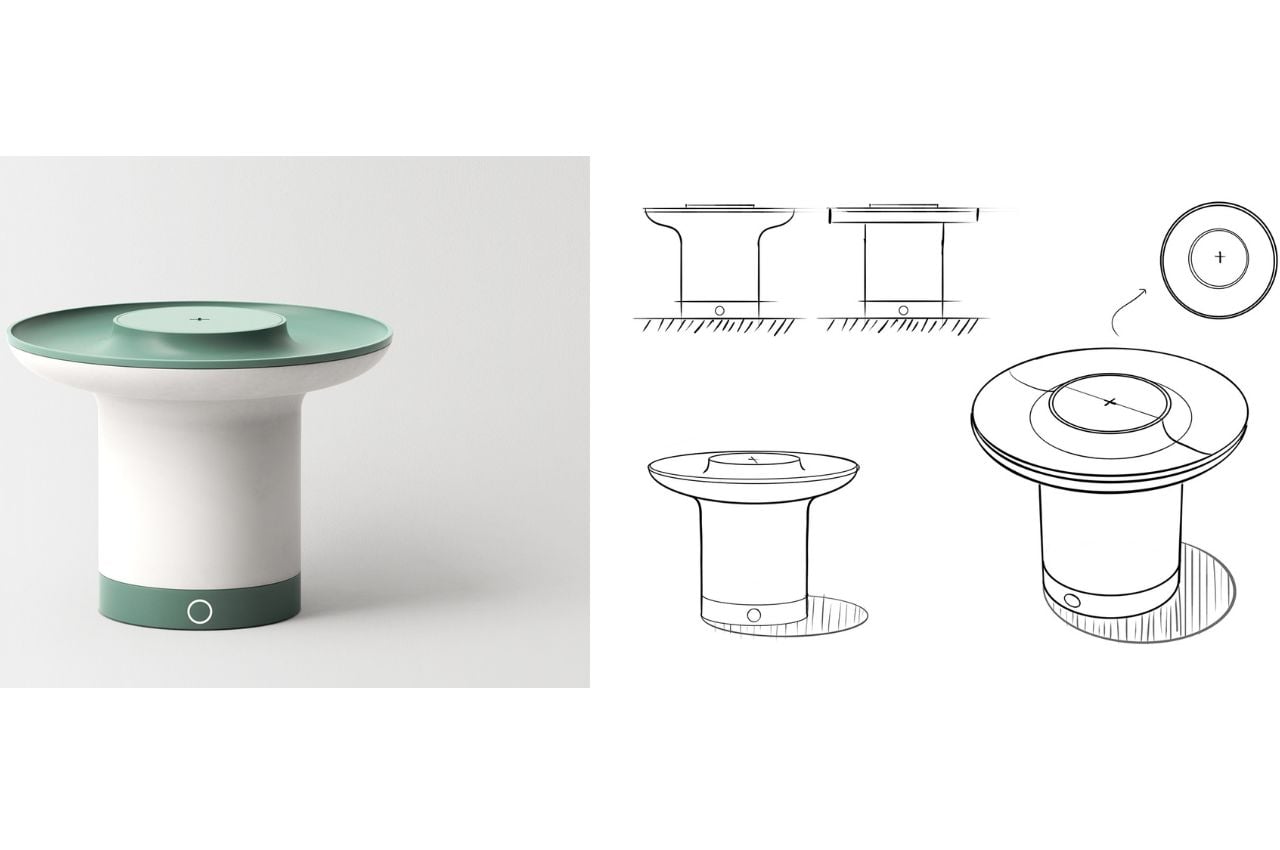
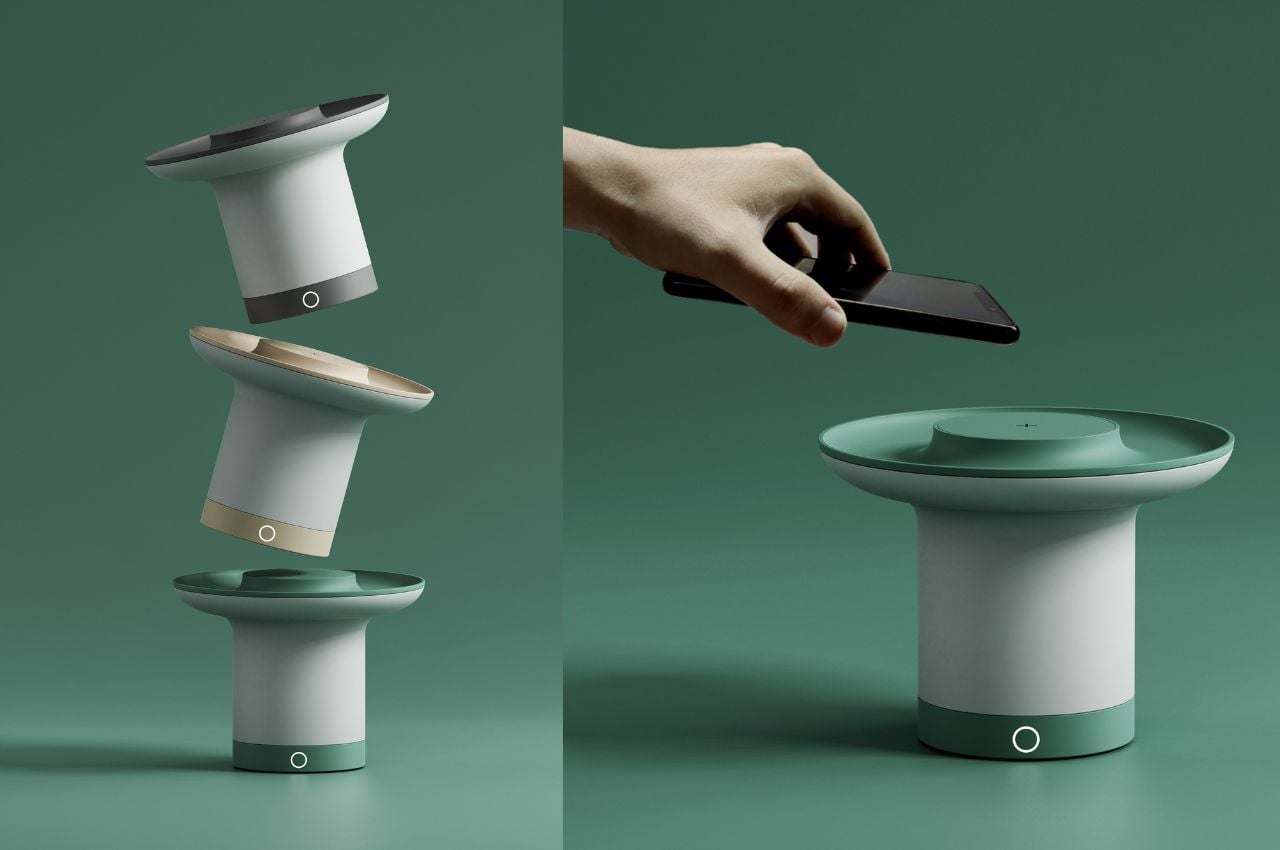
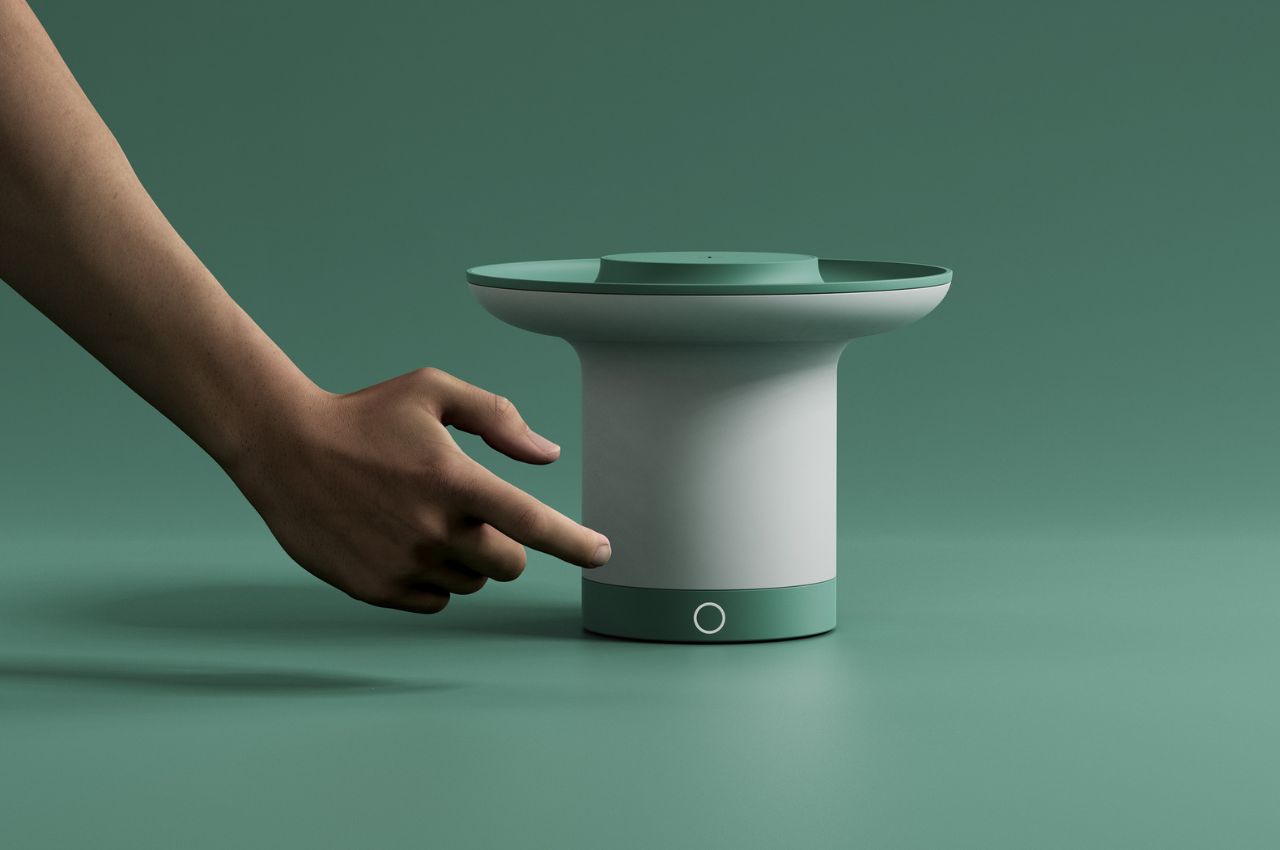
Wireless chargers are not just simply plain old chargers anymore but product designers are finding ways to incorporate it into our lifestyles. Multi-function lights are more like lamps or containers. This multi-function light can be used to charge your phone and also serves as a lamp or container. The lamp can be placed at your bedside to provide light if you aren’t comfortable sleeping in darkness. But it can also be placed anywhere in the house where you need a lamp.
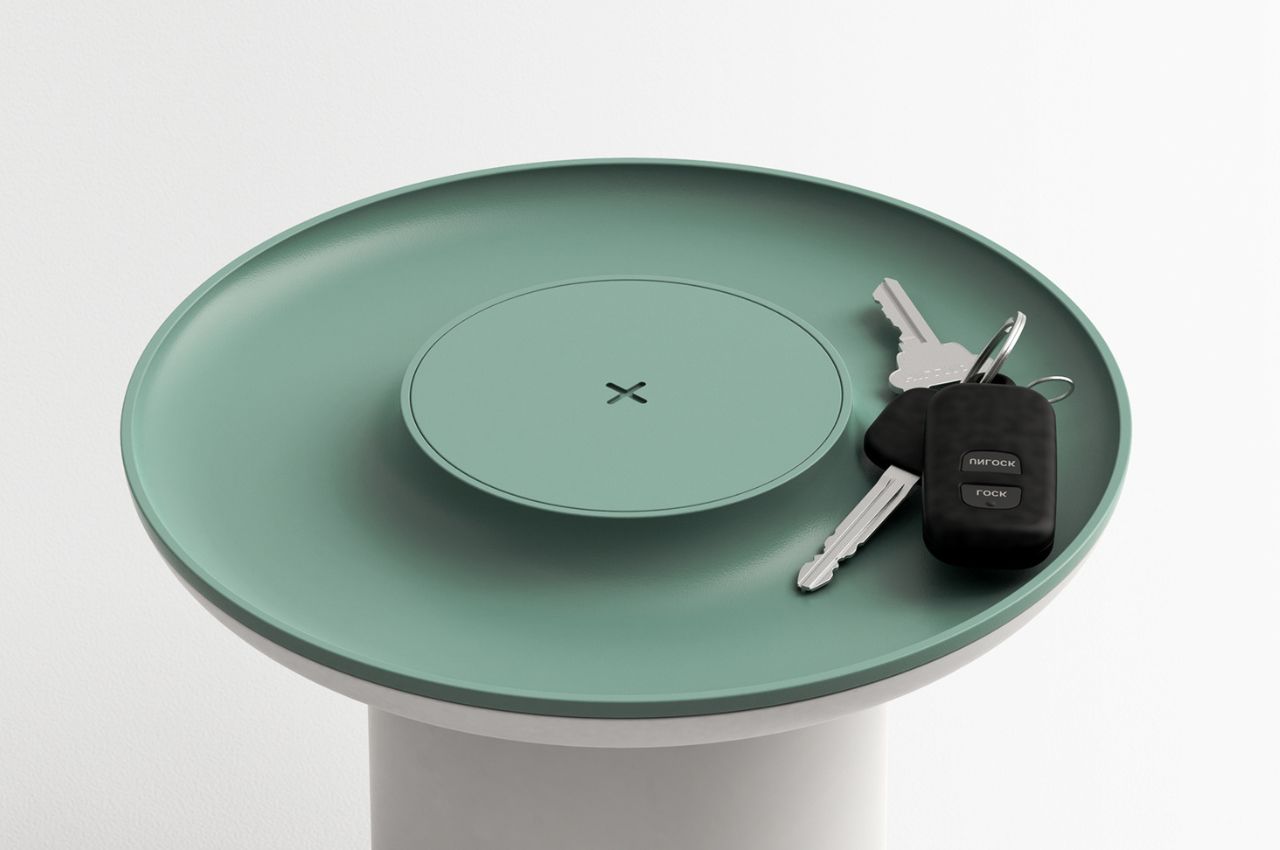
Aside from the lamp and the wireless charger, the device is also designed so you can place tiny things around the charging base like keys, medicine, a scrunchie, or anything small enough to place in that space. It’s a good spot to put items that you don’t want to forget before you leave the house since you probably will remove your phone from the charger and not forget to put it in your bag. Some people may want the multi-function lamp to be placed in their living rooms or next to the front door.
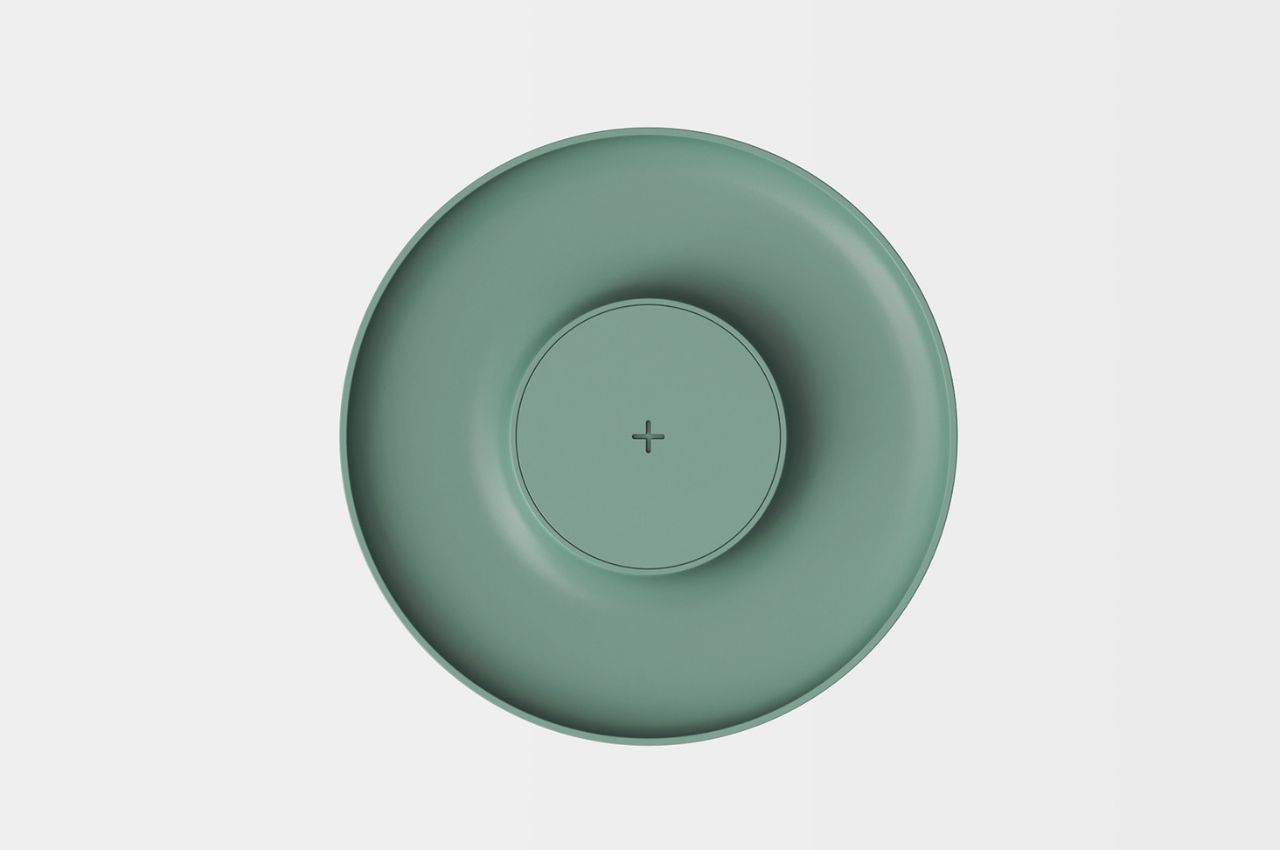
As for the charging pad itself, there doesn’t seem to be much information about the specifications which is understandable since this is still in the design phase. All we know is that the pad has an x marks the spot design just like a lot of other wireless charging pads. You place your smartphone within that x and it should be able to juice it up. The cylindrical part under it is where the charging coils are located and where the lamp part comes in.
Because I always seem to need to charge my phone and I always forget things like my keys, this is something that can be useful to me. The lamp part is a bonus since I also can’t sleep completely in the dark.
The charging study aftermath: Overnight charging is going out of fashion
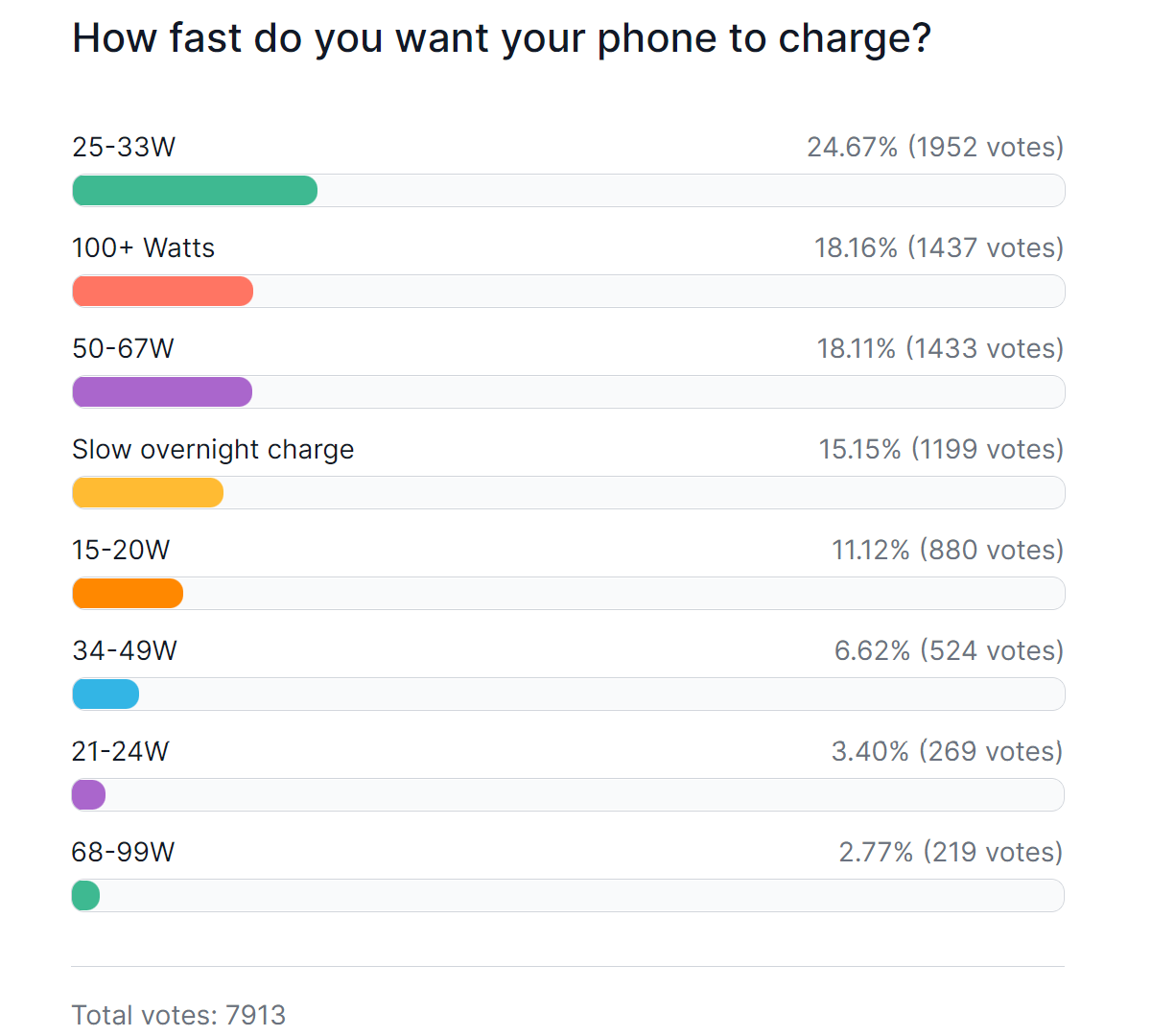
This week, we explored how charging speed affects the battery’s capacity. We also asked for your preference in charge rates. While fast charging is the most popular method of charging, overnight charging seems to be out of favor.
It was already on its way out a couple of years ago, but it was still the preferred method for a quarter of voters. Now that number is down from 25% to 15%. Slow charging has the advantage that you can always use one of your low-power chargers. We wish Android exposed better controls for charge speed, but even without on-screen controls it is easy enough to keep a 5W/10W charger at your night stand.
Most voters will go for a phone in the 25-33W range. These charge fast enough with no downsides. They don’t have an additional charge like phones with the most advanced charging technology.
Speaking of, the phones that support 100+ Watt charging were the second most popular category, narrowly beating the 50-67W devices, which came in third. We can see why charging is such a hassle and that people want it to be done quickly.
Doesn’t it damage the battery, though? Not so much, say manufacturers, who claim that it will retain 80% of its original capacity after several hundred cycles – some promise to match the 800 cycles industry standard, others even promise to exceed it twice and go as high as 1,600 cycles. Keep in mind that 800 cycles is over 2 years of daily charging from 0 to 100%.
Many phones with super-fast charging are advertised as gaming phones. At two years old a mobile GPU will be noticeably lacking in capabilities compared to new models. So, even if the battery is as fresh as the day it came out of the factory, the device will not be a great gaming phone anymore.
One concern that should not be ignored is the fact that this generates e-waste. These days a phone with a dead battery may not be worth the price of the repair, if you can even find someone to do the repair. A dead battery used to be a 60-second, no-tools-required kind of fix when batteries were user-accessible.
The EU has been working on a way to bring that back. Legislation will mandate that all consumer electronics have user replaceable batteries with “basic and commonly available tools”. The EU is also considering setting requirements for how long phones should be supported – it might demand 7 years of updates and availability of spare parts. These two factors can help make battery life more manageable. This will be something we’ll keep an eye out for from manufacturers.
Weekly poll results: Realme GT Neo3 showered with love
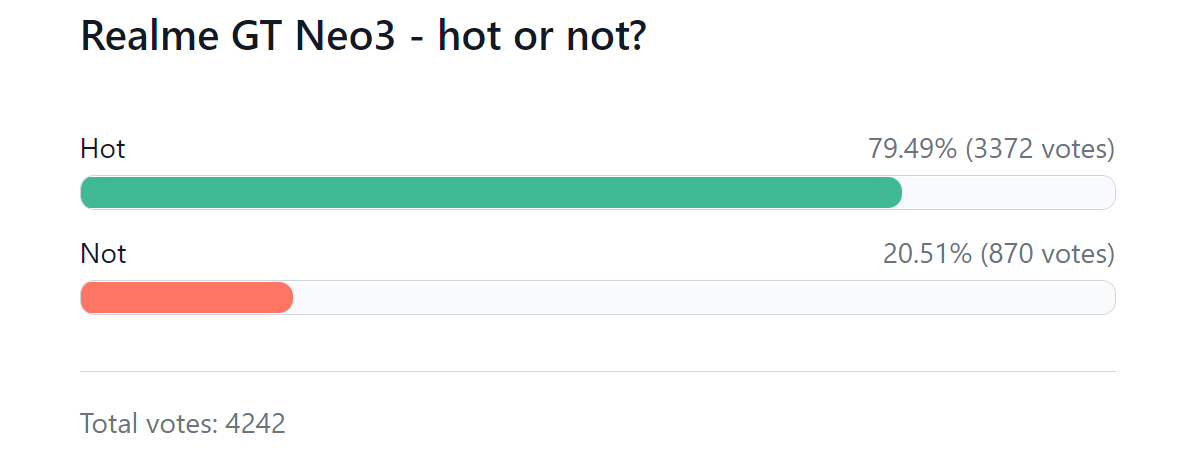
Realme has nailed it – the Realme GT Neo3 was showered with love in last week’s poll, where 80% of the votes were in its favor. We rarely see a phone be favored so strongly. Its predecessor, the GT Neo2, actually got a slightly negative result at the polls.
The Neo3 appears to be a success in its home market already, after selling 100,000+ units on launch day. It’s not clear which of the two versions – 4,500 mAh battery/150W charging or 5,000 mAh battery/80W charging – was more popular. The 80W one is certainly cheaper (CNY 2,000 vs. CNY 2,700).
Price is something that will determine the level of success of the GT Neo3 globally. Realme is yet to announce plans to expand its reach into new markets. The outgoing GT Neo2 is EUR450 in Europe, so we expect to see the new model in the same price range.
Meanwhile, it looks like the OnePlus 10R will be nearly identical to the Realme GT Neo3. Alas, we haven’t heard anything about the pricing on the 10R either.
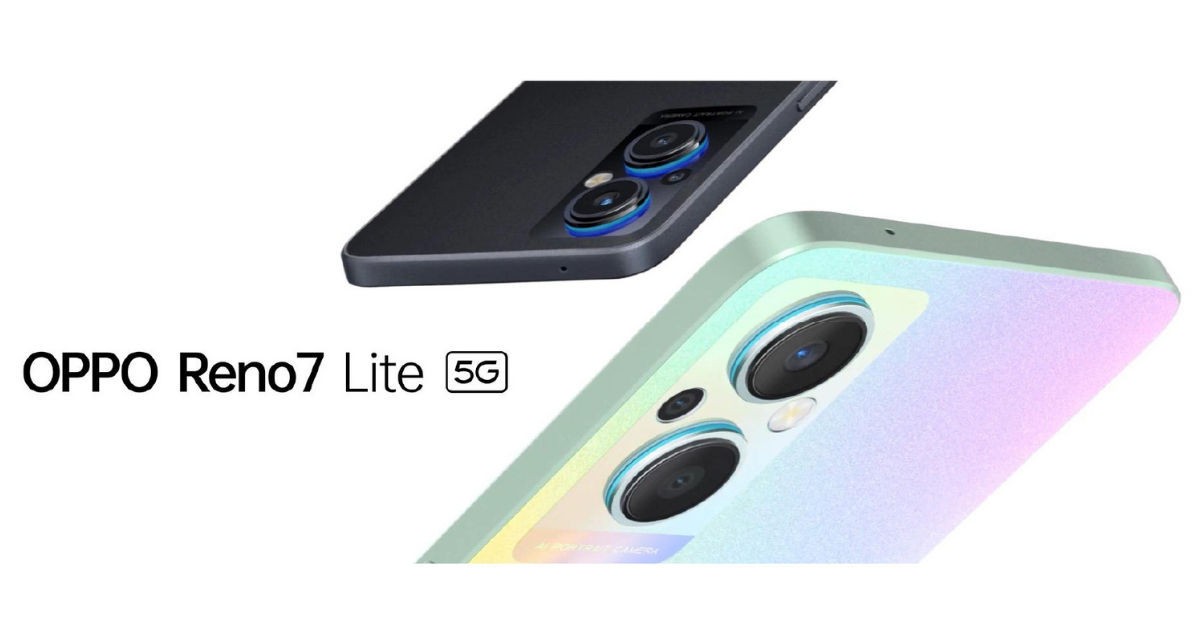
Oppo F21 Pro and Reno7 Lite 5G specs and prices surface ahead of launch
The Oppo F21 Pro 4G and 5G are supposed to arrive on April 12 in India and a recent tweet seems to have spoiled the surprise for some. It is possible that it was correct in the first instance. The Oppo Reno7 Lite, on the other hand, is heading towards the European market but we don’t know when to expect it.
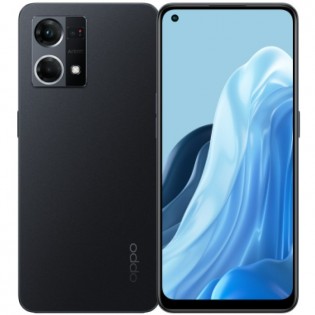
Let’s start with the F21 Pro. The tweet claims that the 5G option will come in 8GB/128GB memory configuration with a starting price of INR 25,990,l while the 4G version will have the same memory combo priced at INR 21,990. Moreover, judging by the teased design, the handset will likely be a re-badged Oppo Reno7, so we know what to expect in terms of specs.
Oppo Reno7 4G
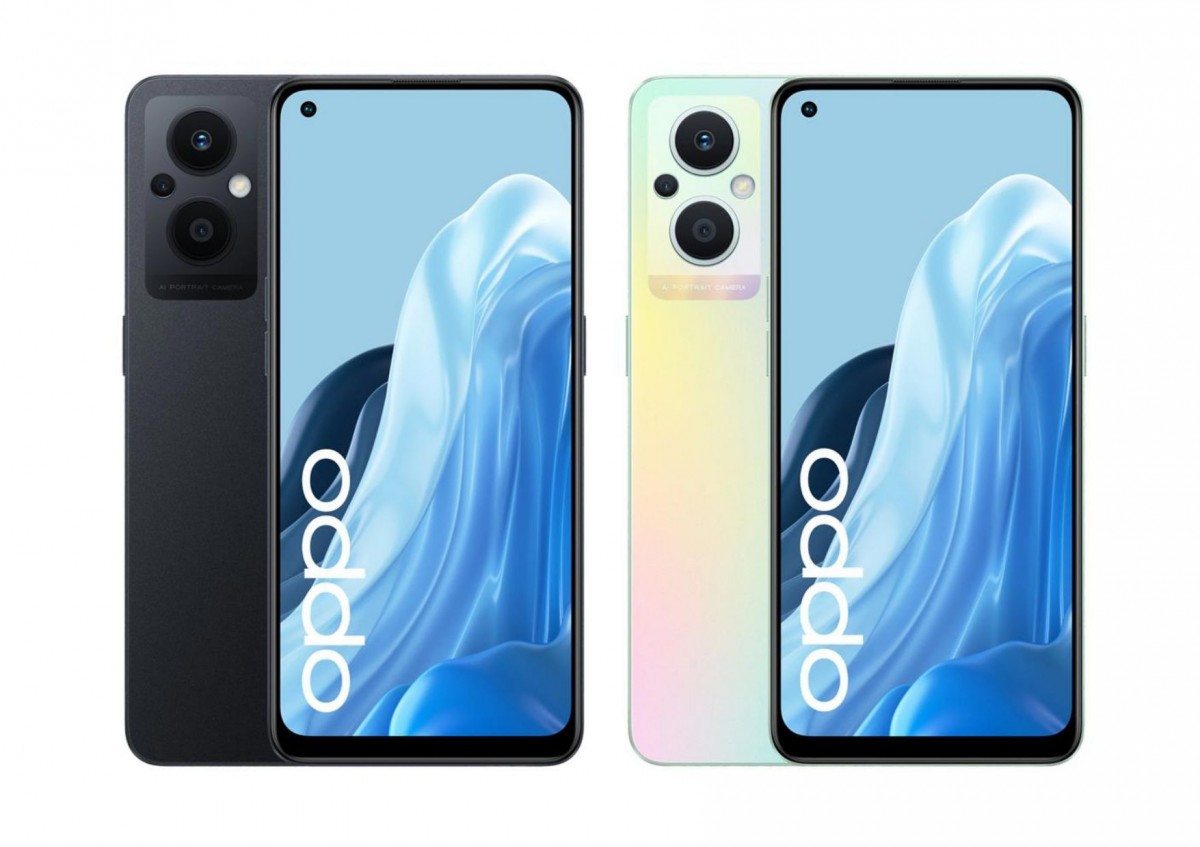
Speaking of the Reno lineup, the Reno7 Lite 5G destined for Europe probably draws some similarities with the F21 Pro 5G. The source claims that the handset will be built around a 6. 43-inch OLED panel with up to 600 nits of brightness, Snapdragon 695 chipset and at least 8GB/128GB of memory.
The back will house a 64MP main camera winged by two 2MP sensors – one used for depth while the other for close-up macro shots. All of this will run on a 4,500 mAh battery with 33W fast charging. Of course, the latest Android 12 and ColorOS 12 will be pre-installed.
As far s pricing goes, the handset is tipped to carry a price tag of EUR350 and will be available in only two colors – black and blue. There is no word yet on when it might be available, but we expect it to happen soon.