iQOO 9 gets a new color-changing Phoenix Orange variant in India
iQOO launched the iQOO 9 in India in February in two colors – Legend and Alpha. These are today joined by a third version in the country, dubbed Phoenix Orange. But, unlike the other two variants, this one comes with color-changing technology, making it the fifth smartphone in India after the vivo V23 5G, vivo V23 Pro, Realme 9 Pro, and Realme 9 Pro+ to have a color-changing back panel.
iQOO tells us that the rear panel of the Phoenix Orange iQOO 9, covered with Frosty AG Glass, changes to orange color when exposed to sunlight or other artificial sources of UV light. To get an even better understanding, you can see the clip below.
Apart from the paint job, everything else remains the same on the iQOO 9 Phoenix Orange as the other two regular versions, meaning you get the Snapdragon 888+ SoC (Chinese variant has Snapdragon 8 Gen 1), 6. 56″ 120Hz FullHD+ AMOLED screen, Android 12-based FuntouchOS 12, in-display fingerprint reader, and a 4,350 mAh battery with 120W charging.
Photography is handled by a 16MP selfie shooter on the front, while the camera system on the rear consists of a 48MP primary (with gimbal OIS), 13MP telephoto, and 13MP ultrawide units.
iQOO 9 in three colors
The iQOO 9 Phoenix Orange’s pricing also remains the same – INR42,990 ($570/EUR520) for the 8GB/128GB model and INR46,990 ($625/EUR570) for the 12GB/256GB model. Although with cashback and other offers you can get it for a lower price. It’s available for purchase on iQOO India’s official website and Amazon.in.
Our iQOO 9 review is underway, but you can read our first impressions here in the meantime. You can also head this way to read our iQOO 9 SE hands-on.
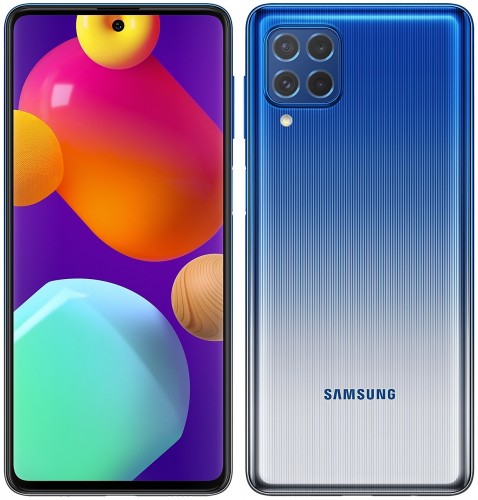
Samsung Galaxy M62 is receiving Android 12-based One UI 4.1 update
The Samsung Galaxy M62 announced last year with Android 11-based One UI 3.1 is receiving the One UI 4.1 update based on Android 12.
The update brings refreshed design to the Galaxy M62 with the usual Android 12 and One UI 4.1 goodies. It also bumps up the Android security patch level on the smartphone to March 2022.
The new firmware comes with version M625FXXU2BVC3 and is seeding in Saudi Arabia, Brazil, Indonesia, and the UAE. If you haven’t received it yet, you can check for it manually by navigating to your Galaxy M62’s Settings > Software update menu.
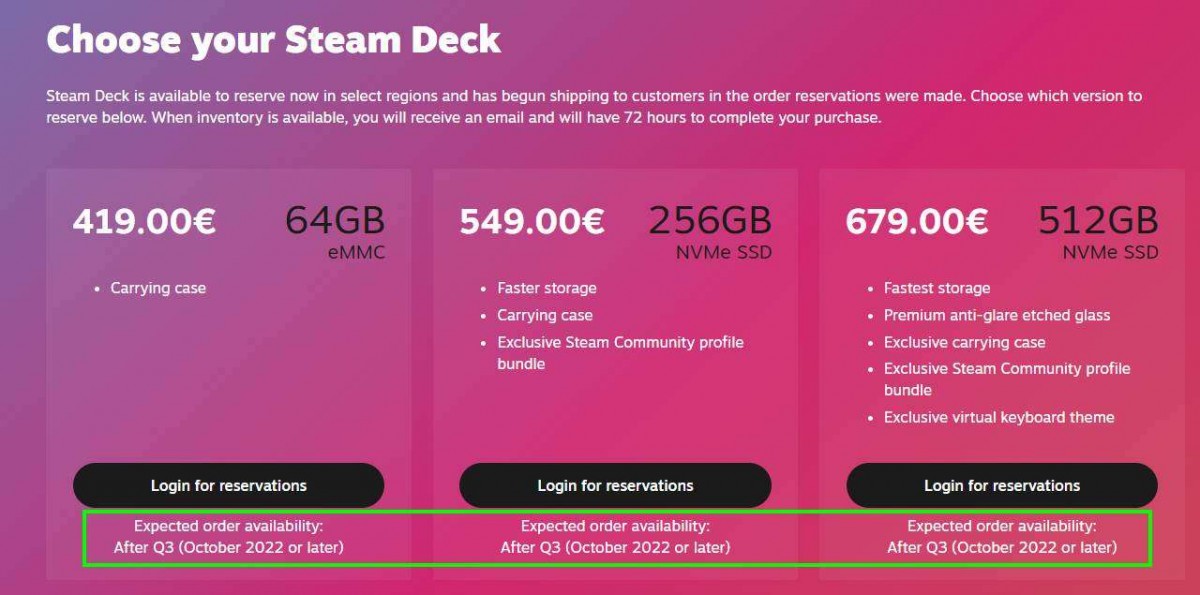
Valve is saying it’s starting to ramp up Steam Deck production and will be sending more order availability emails every week to those who reserved. It’s currently sending the first set of emails to Q2 reservers and says that no reservation windows have been changed or delayed.
We’ve also updated the Steam Deck product page to clarify what Q2, Q3, and After Q3 mean in terms of months. There have not been any changes or delays to the reservation window. We just added some information. Log in and visit this page to see your quarterly estimate: https://t.co/AcuGmUPbNN
Any of three tiers of Steam Deck ordered now are estimated to arrive in October, or possibly later. According to Valve’s Lawrence Yang in an interview with IGN in February, ramping up of production will happen very quickly – tens of thousands in the first month, hundreds of thousands in the second month.
Having your Steam Deck delayed may be a blessing in disguise as early reviews have reported many issues. Some have deemed the device unfit for gaming, while others say it’s very much a work in progress, but having huge promise. All things in keeping with the Steam Deck’s first-gen nature.
Samsung discontinues Galaxy S9 series software support
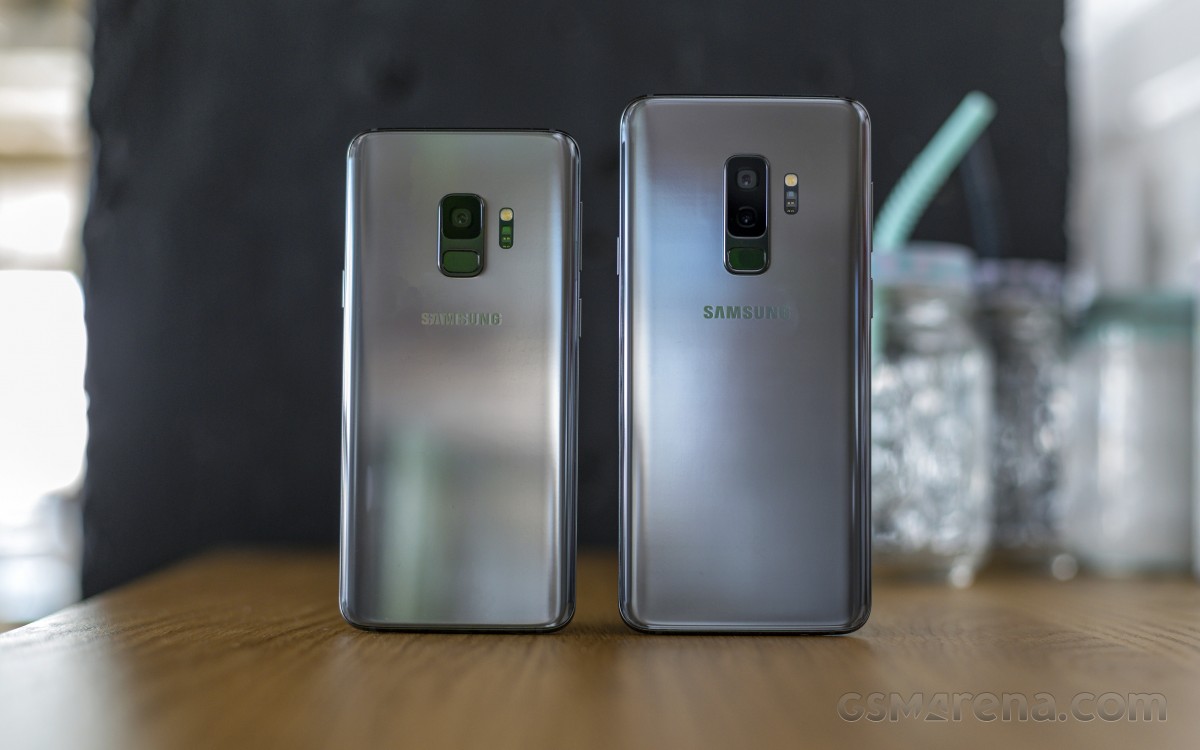
Samsung Galaxy S9 and Samsung Galaxy S9+ smartphones will no longer receive software updates. Samsung has removed the 2018 flagships that were eligible for security upgrades from its list of eligible devices.
The Galaxy S10 series meanwhile were moved from monthly to quarterly updates, now that they are over 3 years old.
The Galaxy S9 series is following the path of its predecessors. Back in early 2021, Samsung demoted the S9 from monthly to quarterly security updates, when the Galaxy S8 was completely taken off the list, and the same thing happened to the Galaxy S7 phones a year earlier.
The Galaxy S9 series’ last major update was to One UI 2. 5 package, received in late 2020.
Samsung Galaxy Buds 2 and Buds Live gets 360 Audio in new software update
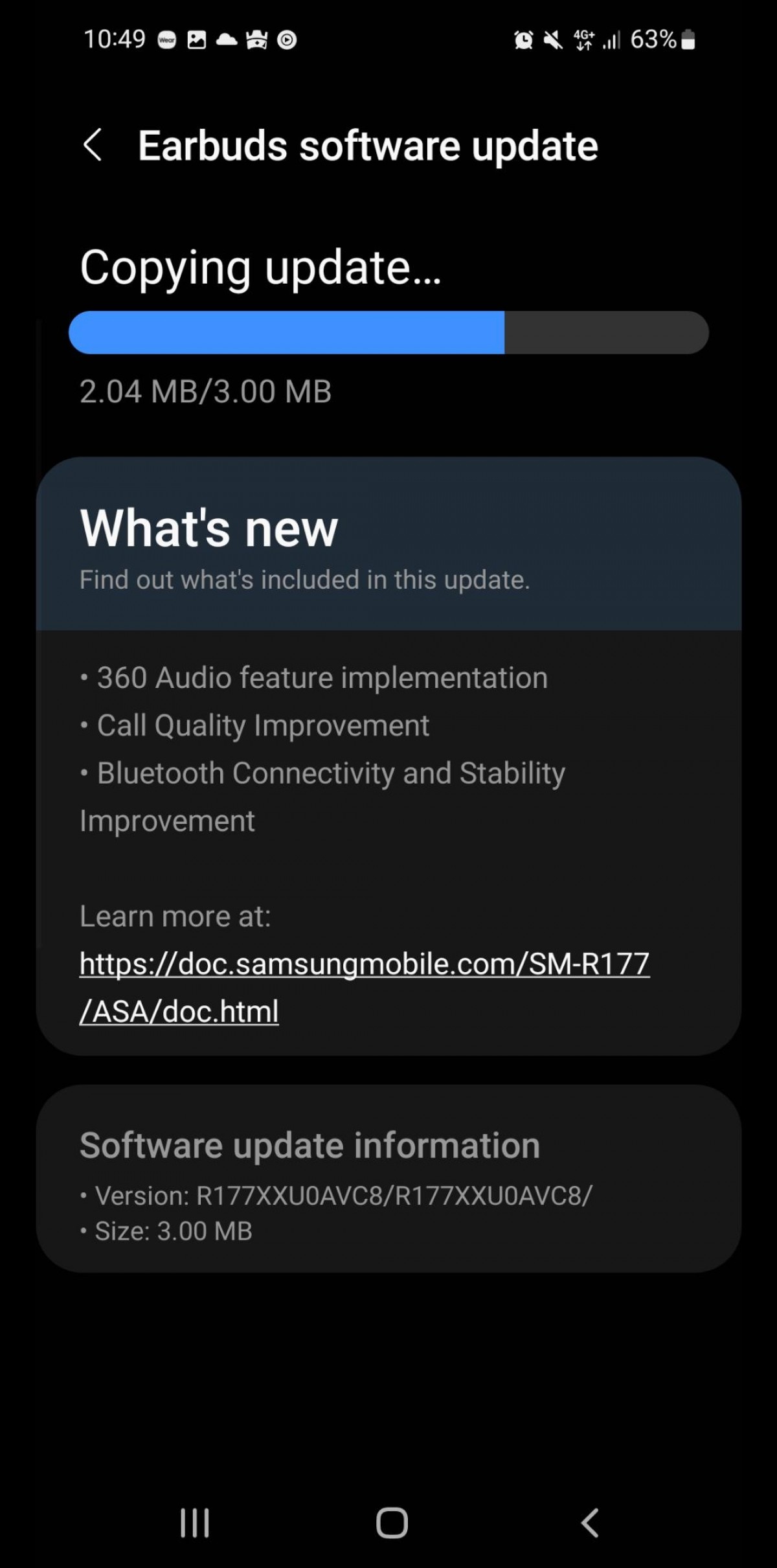
Samsung announced the Galaxy Buds Pro back in 2021, and until now they were its only wearable with 360 Audio by Dolby. The Korean maker just pushed a software update to Galaxy Buds 2 and Galaxy Buds Live, bringing them closer to the Pro experience.
360 Audio is based on Dolby Head Tracking technology, and is similar to Spatial Audio by Apple – the sound appears as if it’s always coming from the device screen, even if you move around or turn your head.
It is worth noting that although Galaxy Buds 2 and Galaxy Buds Live devices from all over the world are getting the software update, you need a Samsung phone running One UI 3. 1 or higher to actually be able to use the feature.
The update is just 3 MB in size and has release code R177XXU0AVC8 (for Buds 2) or R180XXU0AVC2 (for Buds Live). It also brings improvements in call quality, Bluetooth connectivity and overall stability.
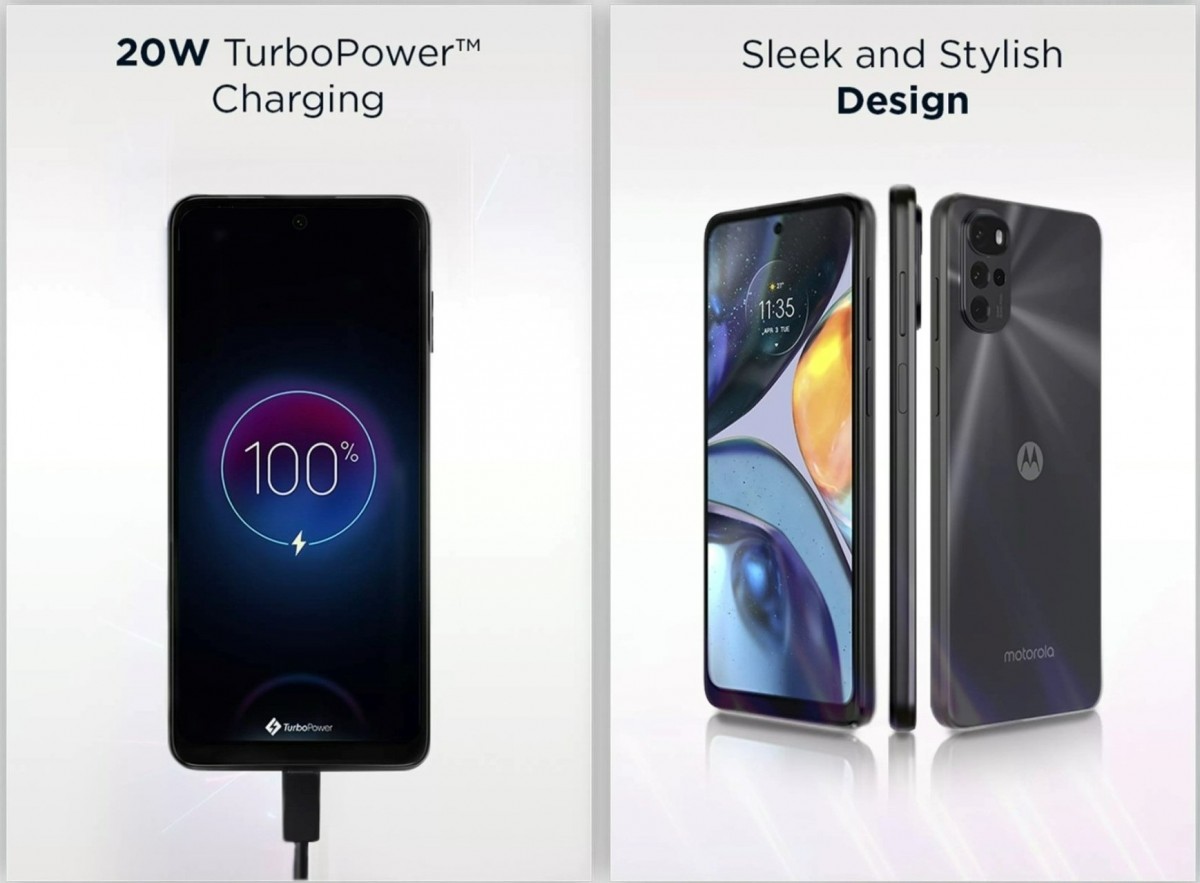
Motorola Moto G22 launching in India on April 8 with faster charging
The Motorola Moto G22 unveiled last month will debut in India on April 8. This revelation comes from Indian online retailer Flipkart, which set up a promo page on its website for the Moto G22, revealing the smartphone’s specs and color options for the Asian country.
The Moto G22 is powered by the Helio G37 SoC and runs a “near-stock” version of Android 12. It has 4GB RAM and 64GB of storage onboard and a dedicated microSD card slot for storage expansion up to 1TB.
The smartphone’s built around a 6. 5″ 90Hz HD+ LCD and has a water-repellent design. It features a 16MP selfie shooter and sports a quad camera setup on the rear comprising 50MP primary, 8MP ultrawide, 2MP macro, and 2MP depth units.
You also get a side-mounted fingerprint scanner on the Moto G22 for biometric authentication, and fueling the entire package is a 5,000 mAh battery, which, in India, will support 20W charging instead of 15W.
The Motorola Moto G22 was announced in three colors – Pearl White, Cosmic Black, and Iceberg Blue. Flipkart only lists the first two colors, suggesting that the Pearl White model won’t be available in India. At least not on April 8.
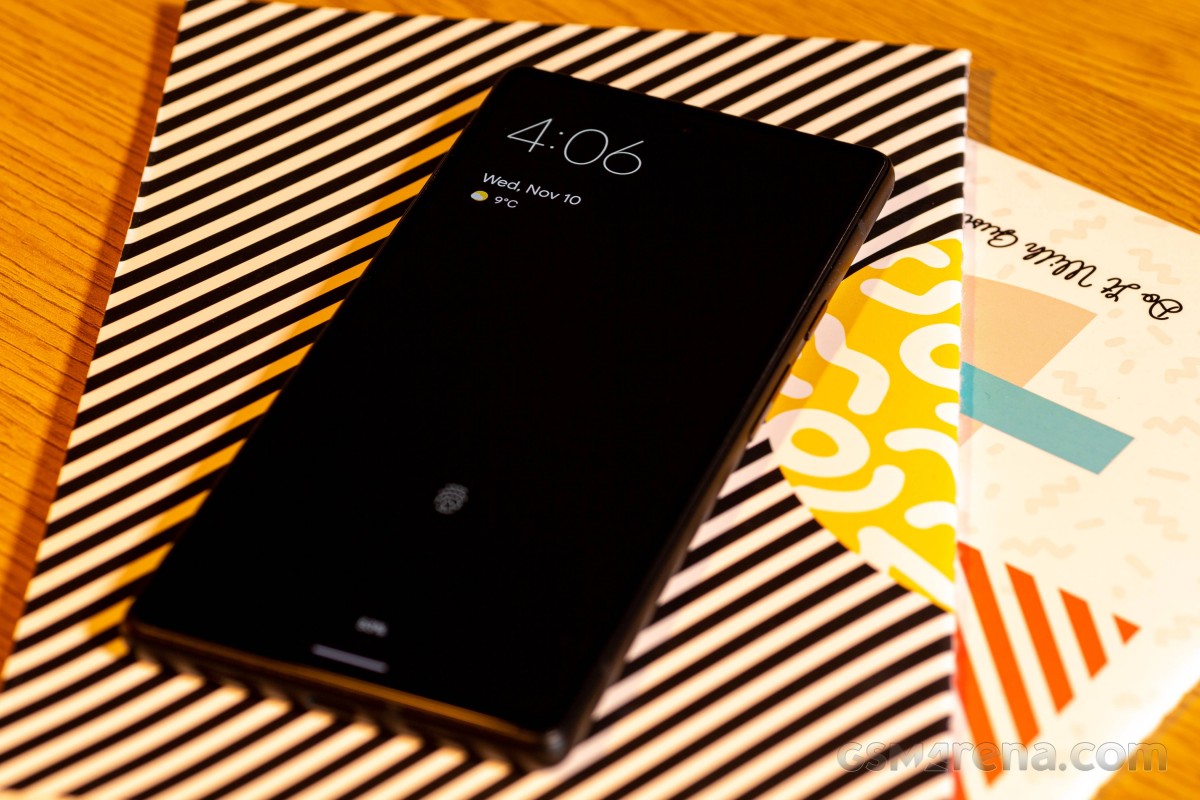
Today is the first Monday in each month. This can only be understood as an Android update by Google. Right on time, the company has issued the April update for the Pixel smartphones it still supports, and for the first time the latest Pixel 6 and Pixel 6 Pro are actually getting a monthly update at the same time as the other handsets. No more delays for the most recent Pixels.
Hopefully this is a good sign, which means there will also be less bugs in the software releases for the 6 and 6 Pro, but that remains to be seen. For now what’s clear is that this April update fixes a ton of high risk security vulnerabilities, and so you should install it as soon as it pops up on your phone. This may be a Google rollout and Google loves to speed up its updates.
Aside from the security fixes, the update also packs some other improvements for Pixels. The update also includes improvements for Pixels in other areas. For example, wireless charging should perform better with certain accessories (unnamed). Additionally, the front camera preview won’t appear zoomed into “in certain applications” and the green screen which occasionally appears in the camera preview has been removed. These only apply to the Pixel 6 and 6 Pro.
The rest of the improvements are for all Pixels that are still supported. The following issues were fixed: A crash in System UI when you use apps in Picture in-Picture mode, an issue causing an error message when setting a wallpaper for the desktop; an issue causing Quick Settings and the Notification Shade to disappear after changing wallpapers; an issue causing animated messages to not display correctly when you cancel a search in your app drawer; an occasional issue preventing navigation in overview screens while TalkBack is active and an issue that could sometimes prevent the Recents button showing an overview when using third-party launcher
The new build number is identified as SP2A.220405. 004 for the Pixel 6 and Pixel 6 Pro, and SP2A.220405. 003 for all the other devices.
LUGO G3 dual extruder 3D printer makes creating your dream project more enjoyable
3D printers have already introduced a whole new world of creativity, but this new printer breaks the gates wide open thanks to its dual-wielding innovations.
It’s almost inconceivable today how there was a time when hobbyists and modders could only dream of projects that required access to expensive and professional production pipelines, which practically translated to the word “impossible.” 3D printers democratized the process of creating parts, whole chassis, or even food, depending on the material used. Most 3D printers, however, have so far been limited to using one kind of material at a time, which means creators have to spend more time printing each piece separately and then assembling them afterward. Although dual extruder printers exist, they are not easily accessible or convenient. LUGOLABS makes that a thing of the past, and its new LUGO G3 is giving dual 3D printers a unique spin, making it easier to work with two different materials simultaneously to reduce production time and assembly work.
3D printers had come a long way since the early days when most were limited to either using ABS or PLA materials. There’s a wide variety of options these days, including glass fiber reinforced and oil-free, but most 3D printers are still limited to working with one material at a time. This means that you will have to switch filaments whenever you want to change materials, so you’ll have to do extra work to batch prints of the same material together. This also means that you will have to assemble pieces that shouldn’t have been assembled.
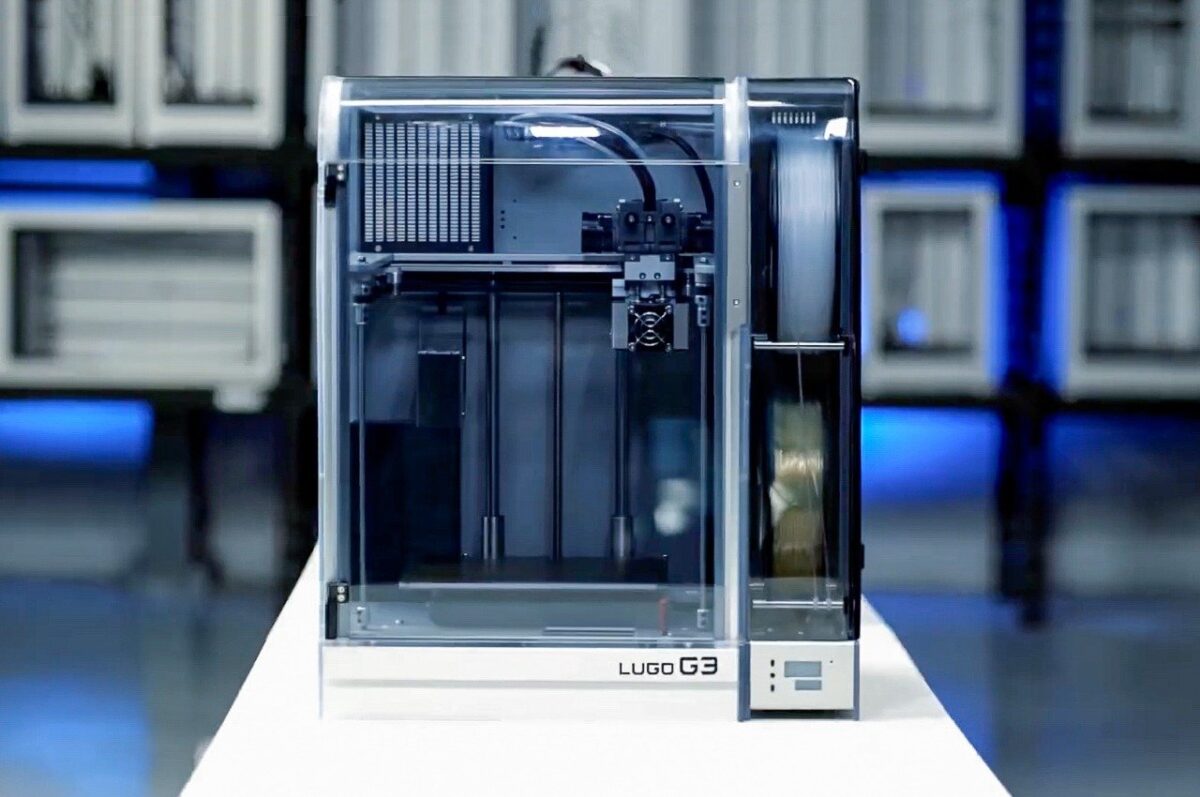
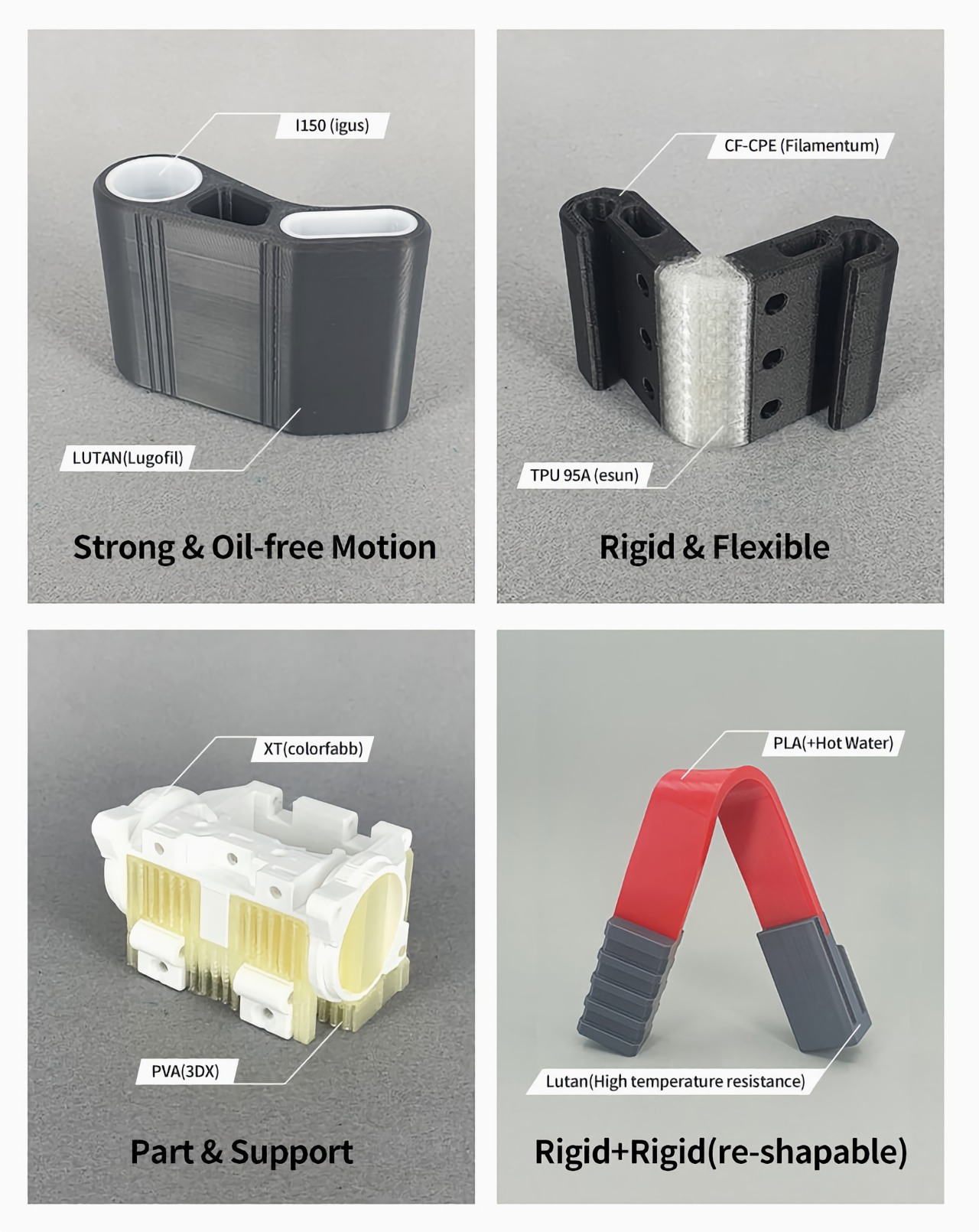
The combination of DCH head and purge-box in LUGO G3 enables multiple parts to combine into a single product in one process.
The LUGO G3 is part of a breed of 3D printers that can actually print a single piece that’s made from two different materials. You can print a single piece that is made from two different materials. This gives creators the freedom to print more complex structures and parts compared to regular 3D printers. These dual-wielding 3D printers are nothing new, of course, but most of them have been out of reach for most hobbyists and creators, either because of their complexity or because of their price.
It’s easier than ever to print multiple parts with different materials.
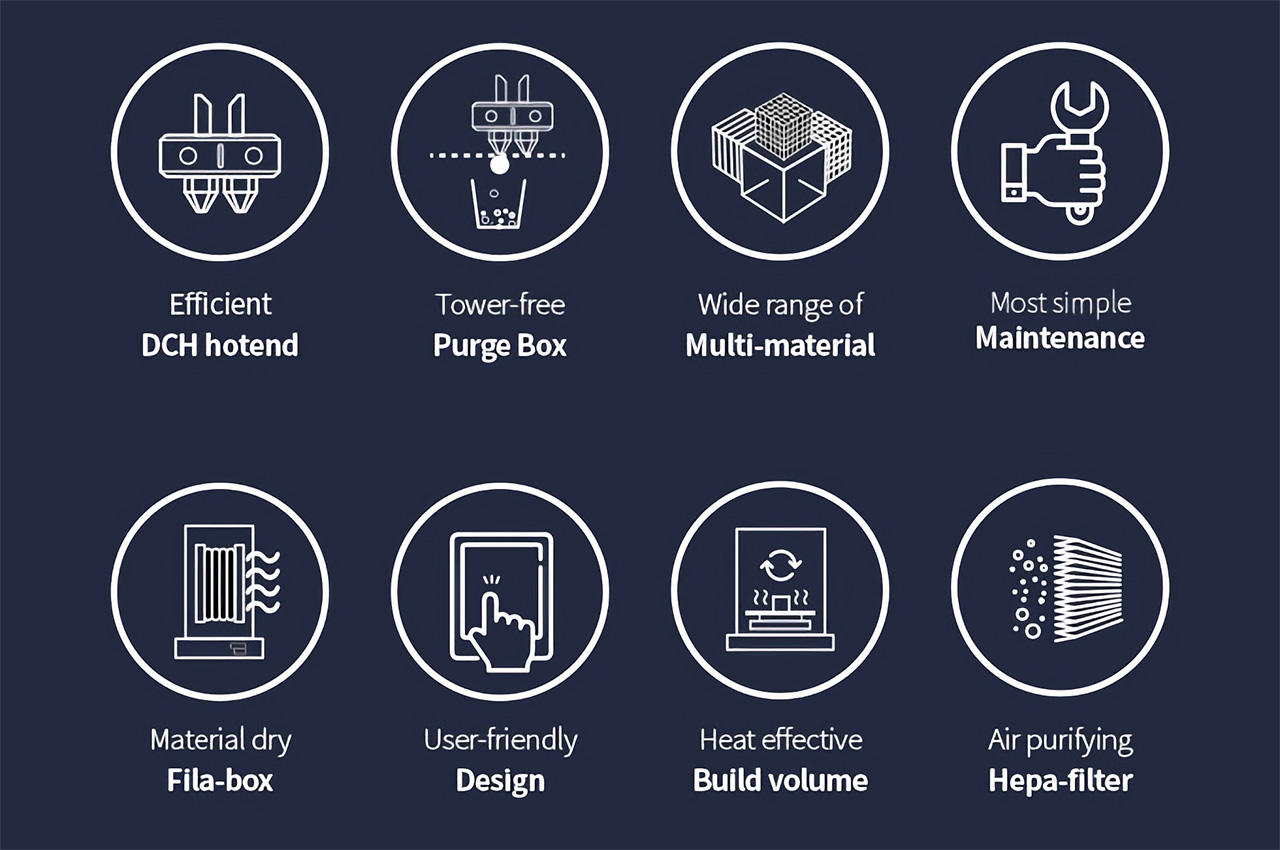
What makes the LUGO G3 special is how it makes dual extruders more convenient and more enjoyable to use. It is precisely calibrated, eliminating any worries of having gaps or overlaps. The temperature of each nozzle can be adjusted separately so that it is easier to work on materials with different requirements. Even more, LUGOLABS developed its own material, Lutan. It is made of a PBT copolymer, which makes it easy to print, but also strong, and not like traditional PLA.
The LUGO G3 also has other features that help make the user’s life easier, like a double-sided spring plate bed and swappable nozzles that can work with different kinds of material. The printer also has a high-efficiency H13 HEPA filter to keep harmful gas byproducts away from you and your family. LUGOLABS has taken the existing concept of dual 3D printers and leveled it up, making the system more affordable and more comfortable to use. With its one-of-a-kind DCH Head and an assortment of innovative features, the LUGO G3 Dual Extruder 3D Printer breaks through the barriers of dual 3D printing to help creative minds turn their ideas and dreams into reality.
vivo X Fold marketing materials leak revealing more specs
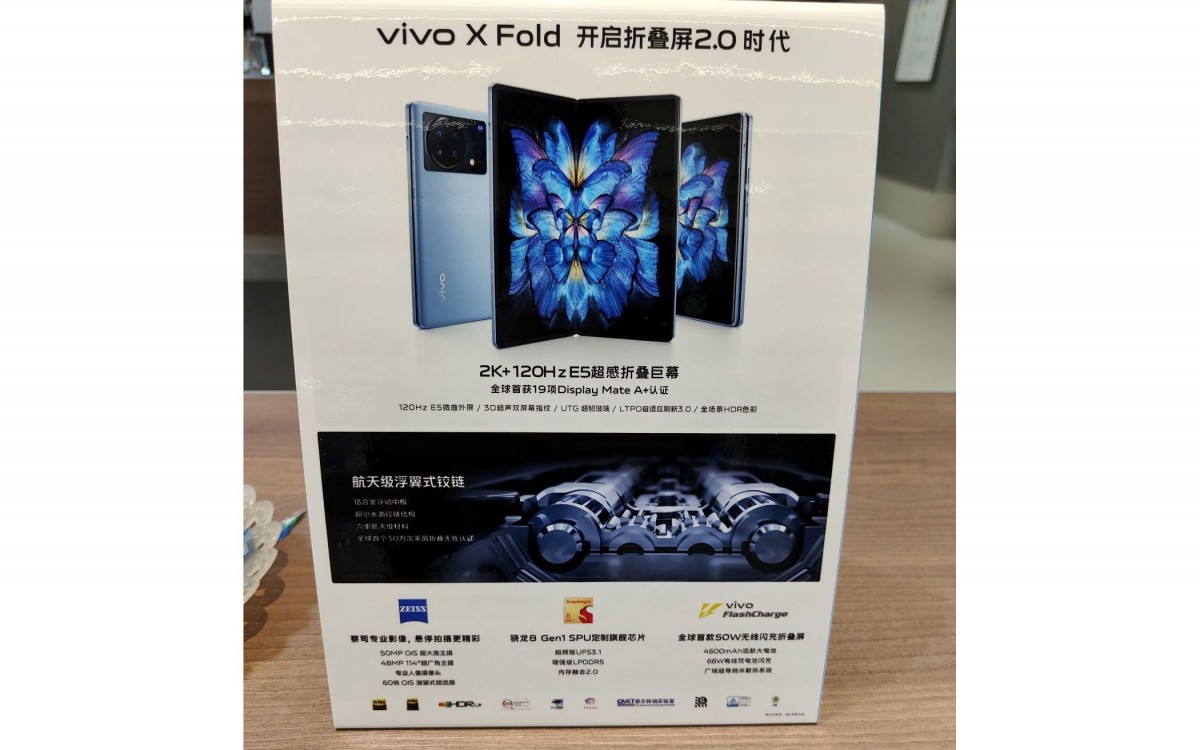
vivo will soon announce the first foldable smartphone ever, the aptly-named vivoX Fold. It will become official at an event in China on April 11. In the meantime, a photo of a marketing stand for offline stores has been leaked, revealing a lot of the phone’s specs in the process. :
The vivo X Fold is thus confirmed to have an 8-inch “2K” internal folding screen with 120 Hz refresh rate and LTPO 3.0 technology for varying said refresh rate, a 6. 53″ FHD+ 120 Hz outer display, the Snapdragon 8 Gen 1 chipset at the helm, LPDDR5 memory, UFS 3. 1 storage, Android 12 on board, and a 4,600 mAh battery with support for 66W wired and 50W wireless charging.
The phone comes with a quad rear camera setup with Zeiss branding and T* coating, with a 50 MP Samsung GN5 main snapper with OIS. The rest of the cameras are a 48 MP ultrawide with 114-degree field-of-view, a 12 MP portrait lens (which we take to mean 2x zoom), and a 5 MP 60x OIS periscope cam. Wi-Fi 6 and NFC are also confirmed to be inside the vivo X Fold.
The materials additionally mention that the X Fold’s screen has matched or broken 19 DisplayMate A+ records, while the hinge has been certified to work for 300,000 folds/unfolds by TUV Rheinland. The fact that the materials are in Chinese means the vivo X Fold will be launched in China first. Hopefully it will make it to global markets at some point, unlike the Xiaomi Mi Mix Fold and the Oppo Find N, but we wouldn’t hold our breath.
It seems like Chinese companies are betting big on foldables, but only for their home market, for reasons that we can’t quite fathom. That’s a shame since it means that globally there’s much less competition in this space than there could be.
Someone managed to fit an entire Raspberry Pi computer inside the body of a cassette
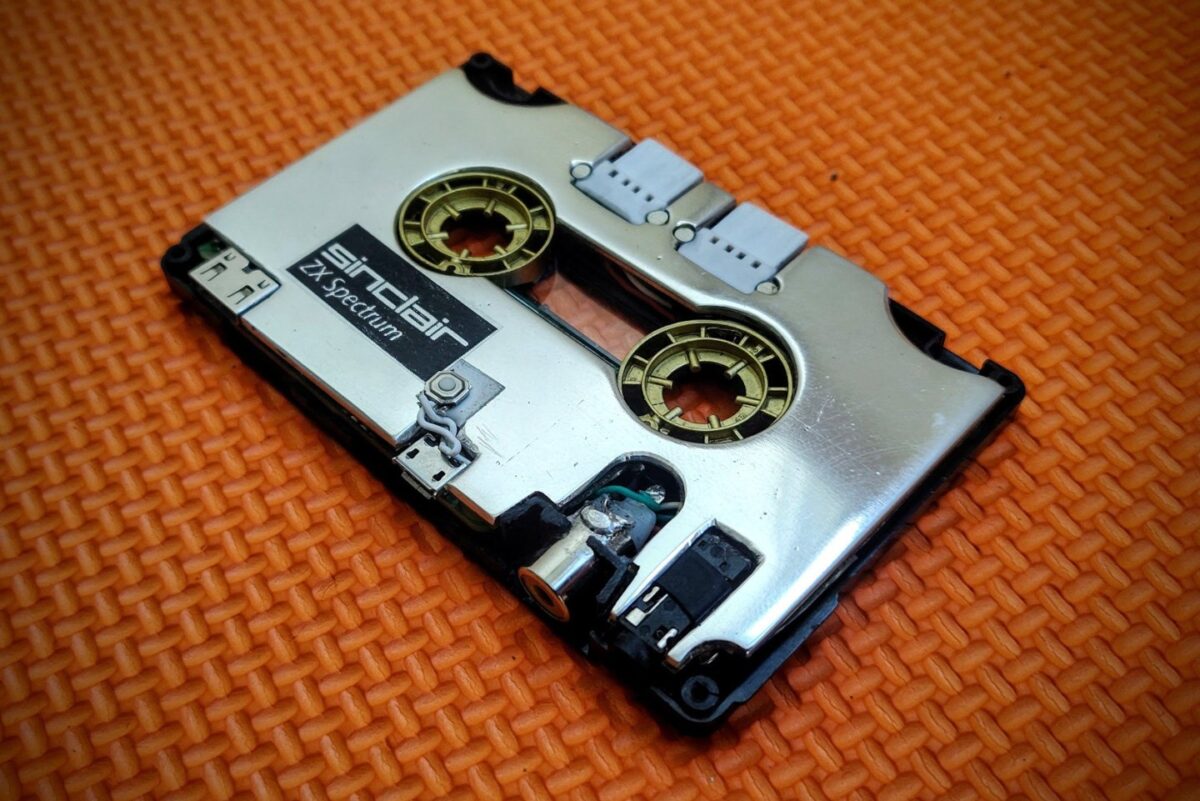
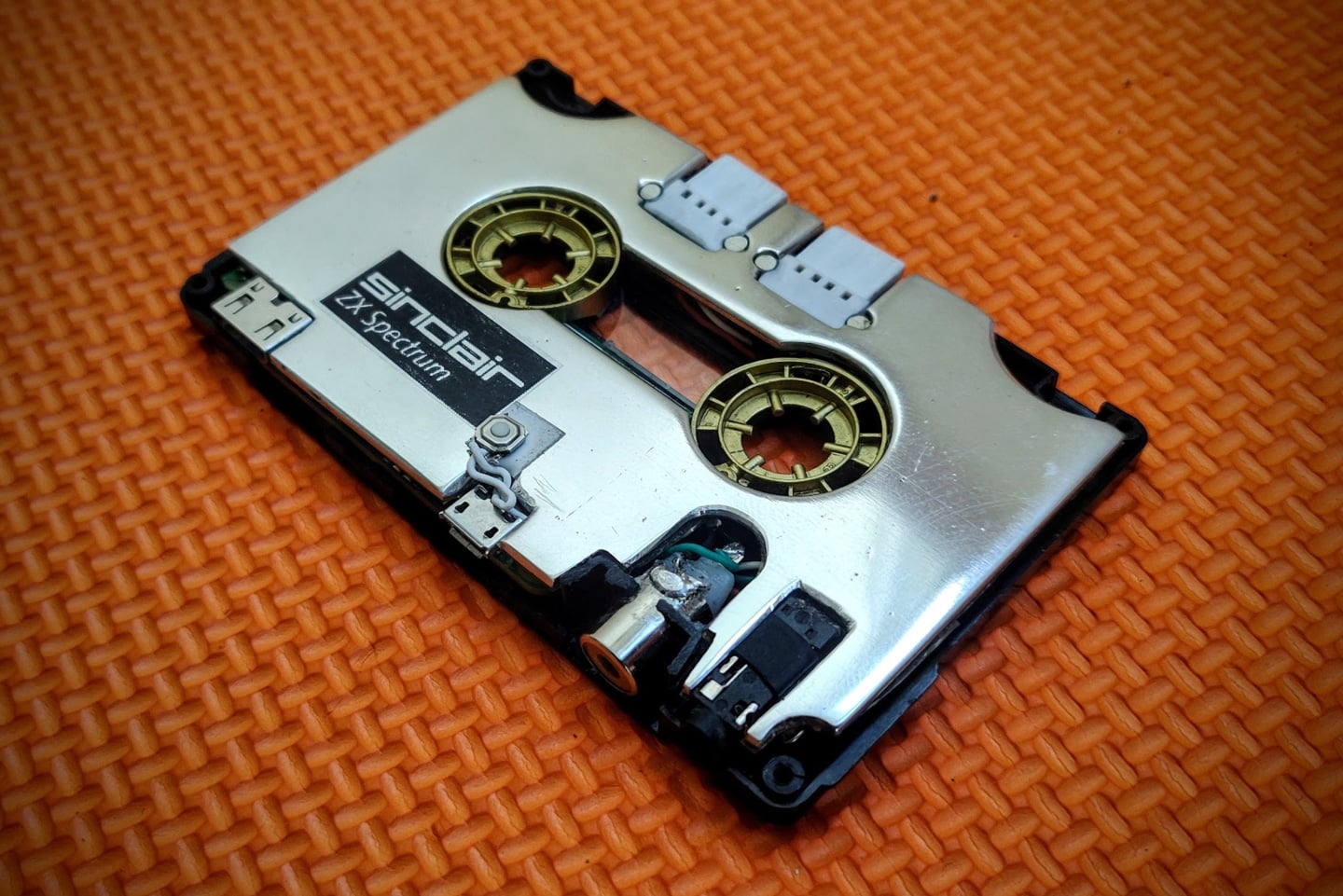
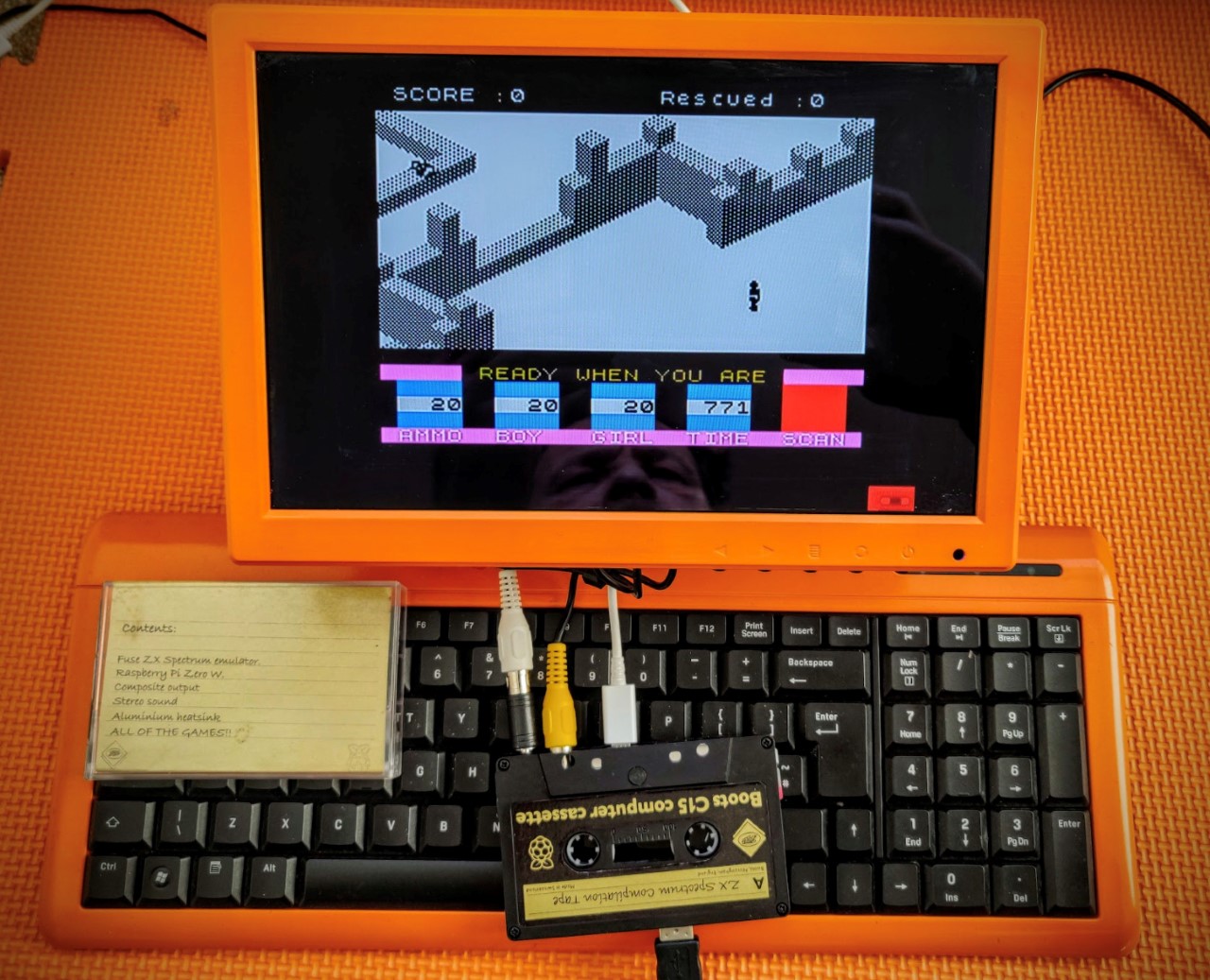
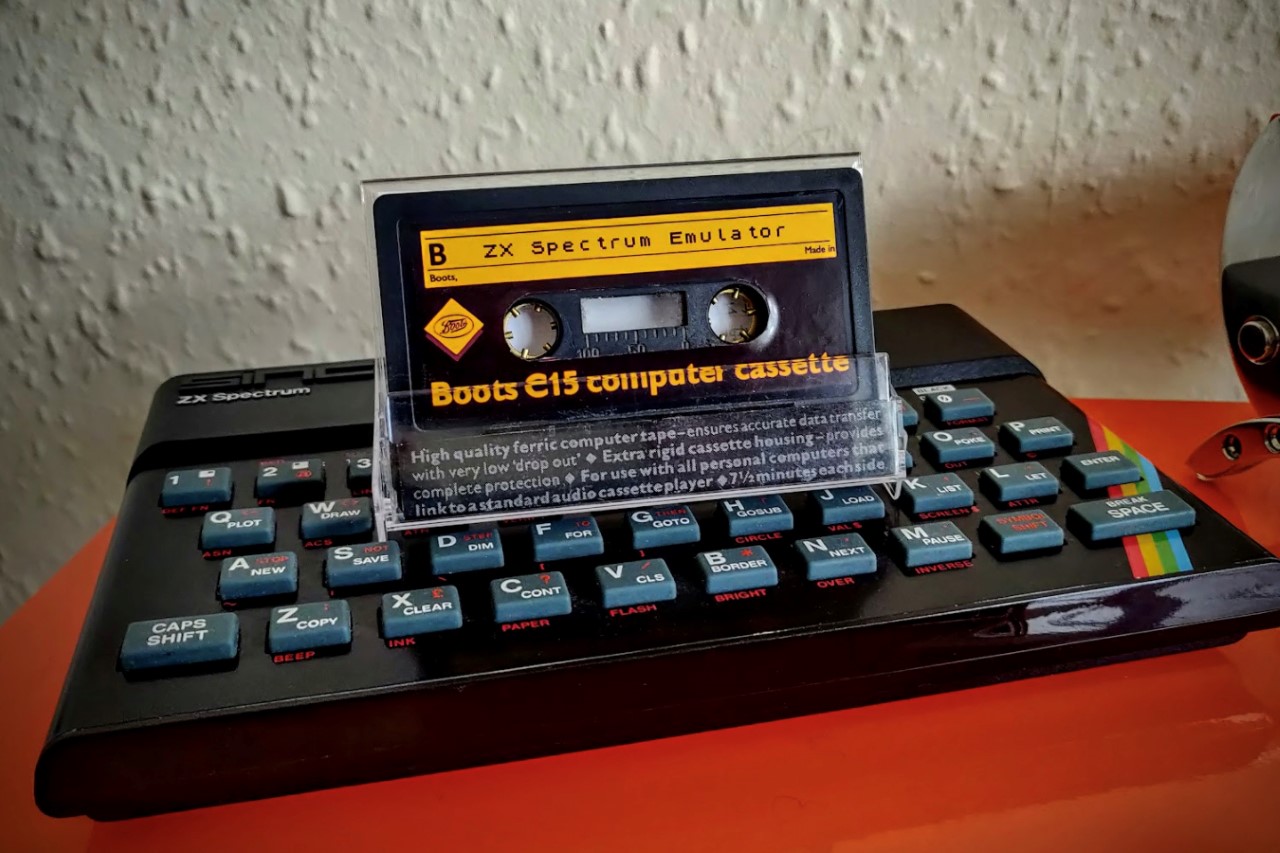
This isn’t a throwback. If nothing, it’s actually a throw-forward. Designed to show how far we’ve come in a span of 4 decades, this cassette has a fully-functioning Raspberry Pi computer inside it running a ZX Spectrum emulator inside it. Hacked together by Stuart Brand, the cassette pays tribute to his first-ever computer, the ZX Spectrum. The ZX Spectrum was an 8-bit personal home computer developed by Sinclair Research. Ironically enough, Stuart would write programs on the ZX Spectrum and store them on cassette tapes. 40 years later, the entire ZX Spectrum computer can practically fit inside the same cassette’s plastic body, with a few minor adjustments made to allow the parts and ports to line up perfectly.
Designer by Stuart Brand
Brand used his free time to learn coding and to tinker in his garage. He said, “I would have no idea how to build this stuff prior lockdown.” It proves that even though you try, you don’t know how to do it.
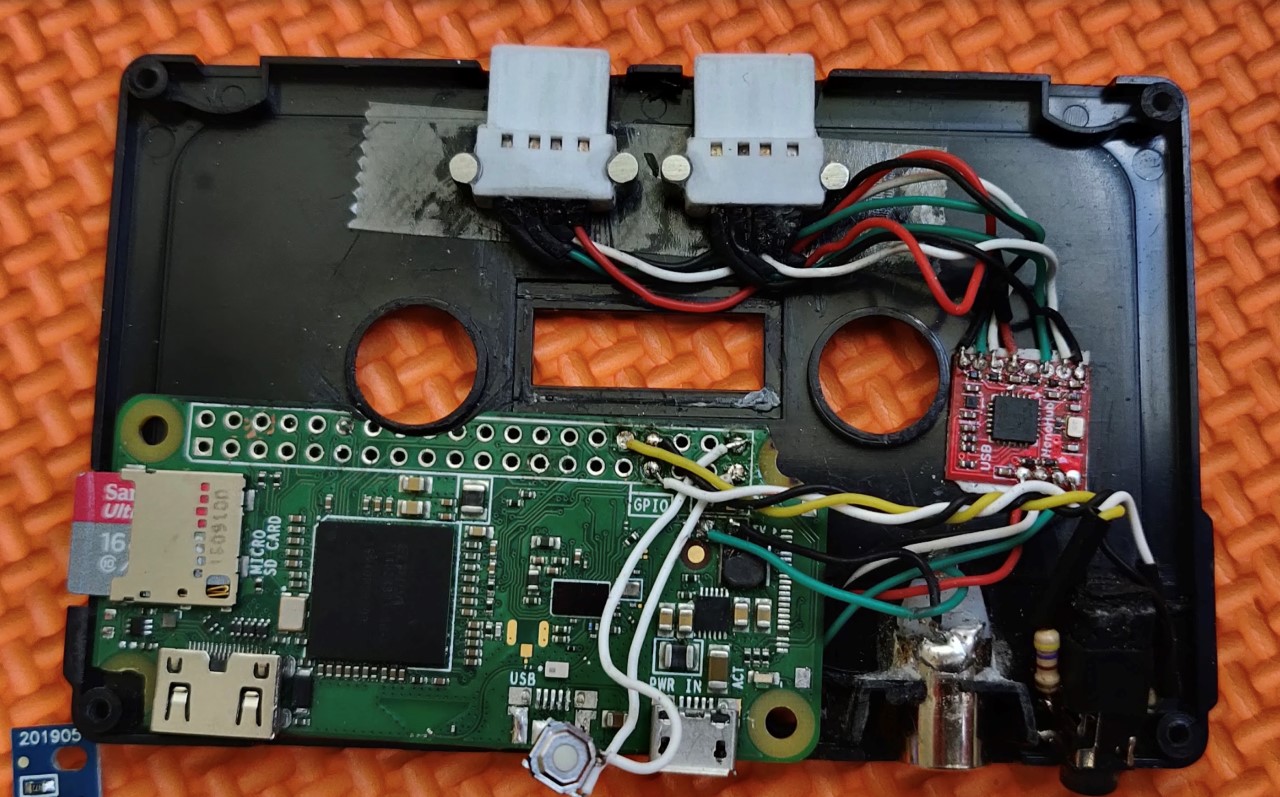
Stuart faced a tight space restriction and chose to use the Raspberry Pi Zero W. Stuart said that cassette shells are a good form factor. He used a simple black spare cassette shell as a starting point and then used side cutters and a hand file to cut out the plastic supports. The heatsink shown at the top was also created entirely from scratch using scrap metal sheets and a bandsaw. A Dremel, needle files, and fine-grit sandpaper were used to finesse the shape.
The 5mm interior of the cassette meant Stuart had to hack together his solution. Stuart had to cut out part of the Raspberry Pi Zero W’s PCB in order to create the illusion. Thankfully, this didn’t affect the functionality of his computer. Stuart cleverly used his GPIO ports to store them. This allows you to connect the cables and make it work. That required a bit of cutting and sanding too, although it didn’t do anything to the cassette’s front profile, leaving it looking exactly the way it should. Stuart printed labels to attach the labels on the top of his cassette. He now uses his ZX Spectrum Pi Cassette as a ‘pick up and play’ device whenever he fancies “a quick bash at some old school gaming.”
Unfortunately, the schematics are not available for other people to make their ZX Spectrum Pi Cassettes. Stuart describes himself as an haphazard, inexperienced tinkerer, but he started the project with no planning and detailed instructions. The entire process was effectively planned out in his head. He apologizes for not having any diagrams and never measured anything. His best advice is to leave more space than you believe you will need .”
.
Stuart’s build was featured in this month’s official Raspberry Pi magazine MagPi issue 116.