

While they aren’t making phones that can be repaired easily, Samsung and Google have made big strides in making them more durable.
Smartphones have become more than just a luxury item that the wealthy can afford. However, there are a number that are affordable and that are worth the investment. Some of these mobile devices have been as important as computers and have almost become part of our daily lives. Smartphones are designed to break down, unlike most other tools like laptops or PCs. While they are possible to repair, the expense of replacing a phone can sometimes make it more expensive. This is not to mention the time-consuming process of returning a phone for repair, which can sometimes lead to privacy violations. Smartphone repairs can add to the stress of a broken phone, but two of the world’s most famous tech companies are trying to change the status quo and make these devices easier and more affordable to fix than ever before.
Designer: Google


Google and iFixit team-up
Smartphones are constructed today in such a way as to prevent them from falling apart. The phones are also protected from liquids and dust that could otherwise cause damage to the interior. The side effect of making it more difficult to open up these phones for repairs. Gone are the days when you could simply pop off the phone’s back to change the battery. These days, you risk cracking the glass rear right at the start of the repair process.
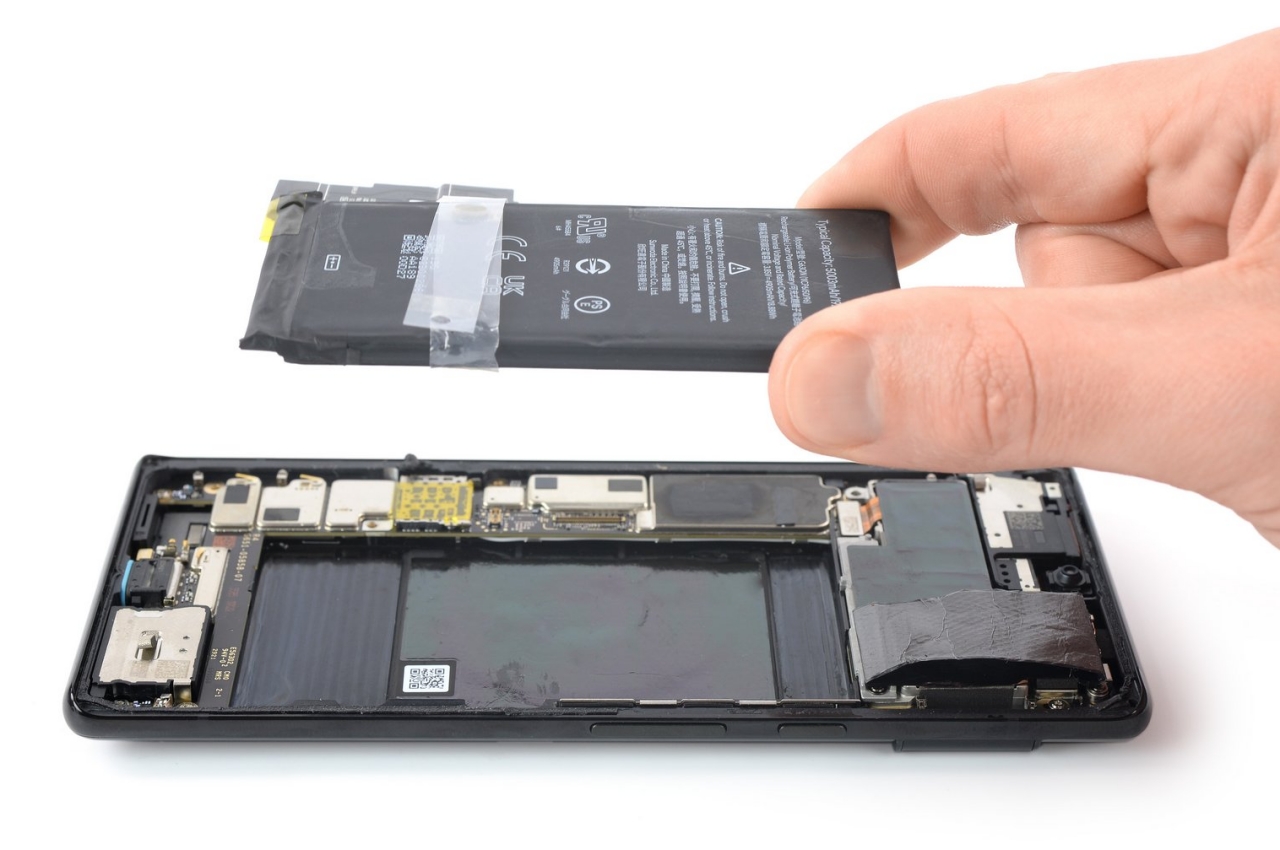
That’s not the only consideration when repairing a phone, though. First-party repair services are often expensive and limited, especially for phones with limited availability like Google’s Pixels. Although there are some third-party companies and more advanced users who can repair phones themselves, this practice is strongly discouraged. It’s not always easy to find genuine parts. Most companies won’t sell them to anyone outside the company.
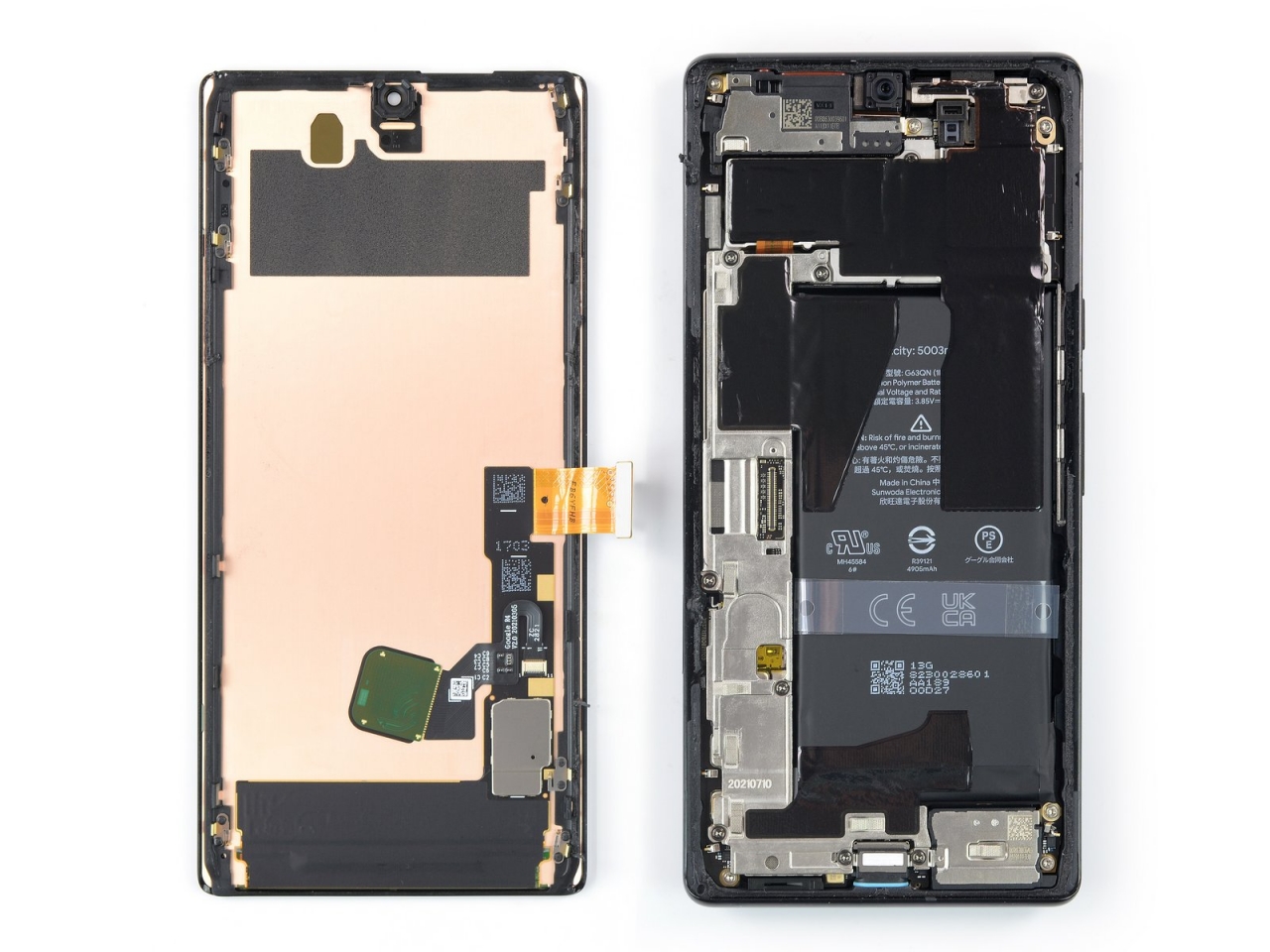
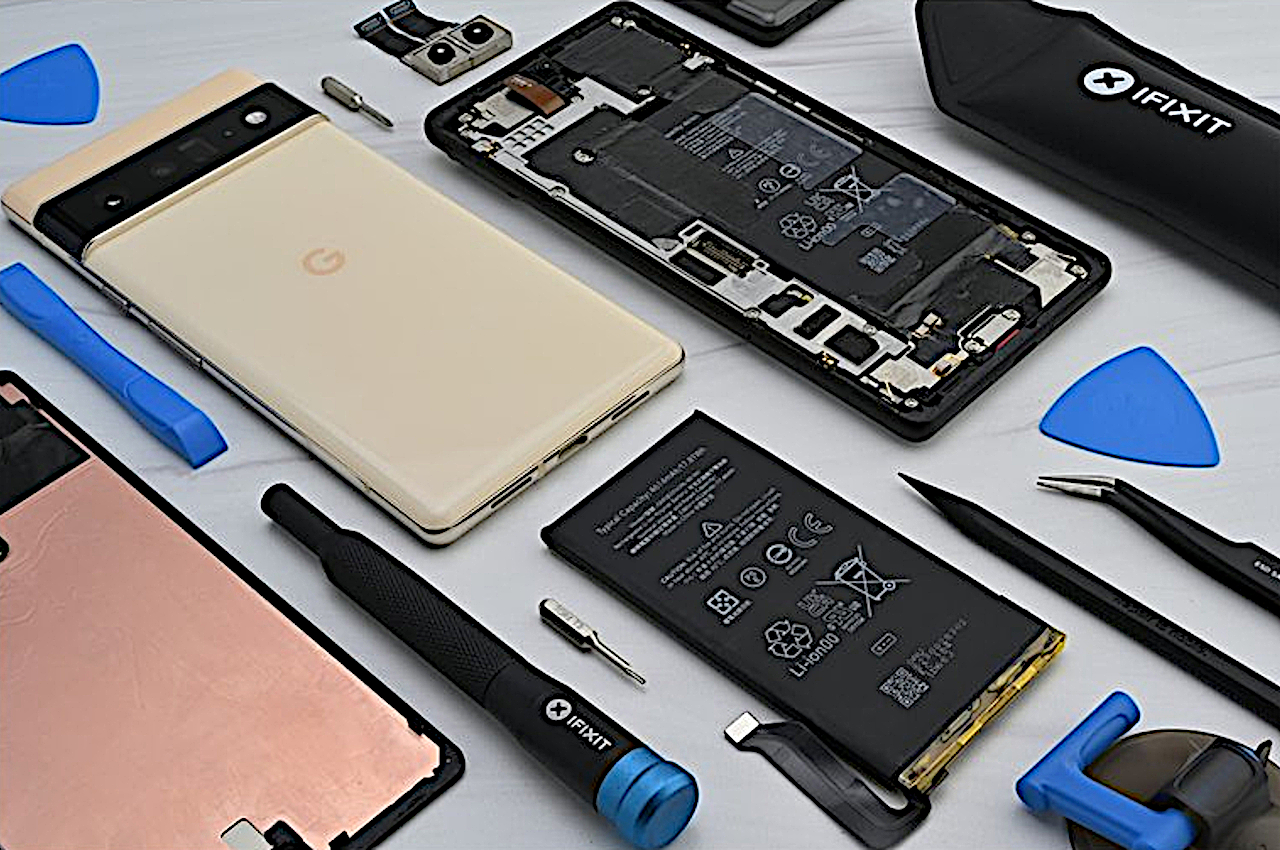
Google is trying to challenge that business model and has partnered with iFixit to sell those replacement parts, ranging from batteries to displays to cameras and more. This, of course, means that Google is giving blanket permission for anyone to repair their own Pixel phone, a trend that is thankfully gaining traction among the big smartphone makers. Apple kicked it off last year, and Samsung followed suit earlier this month, teaming up with iFixit as well.
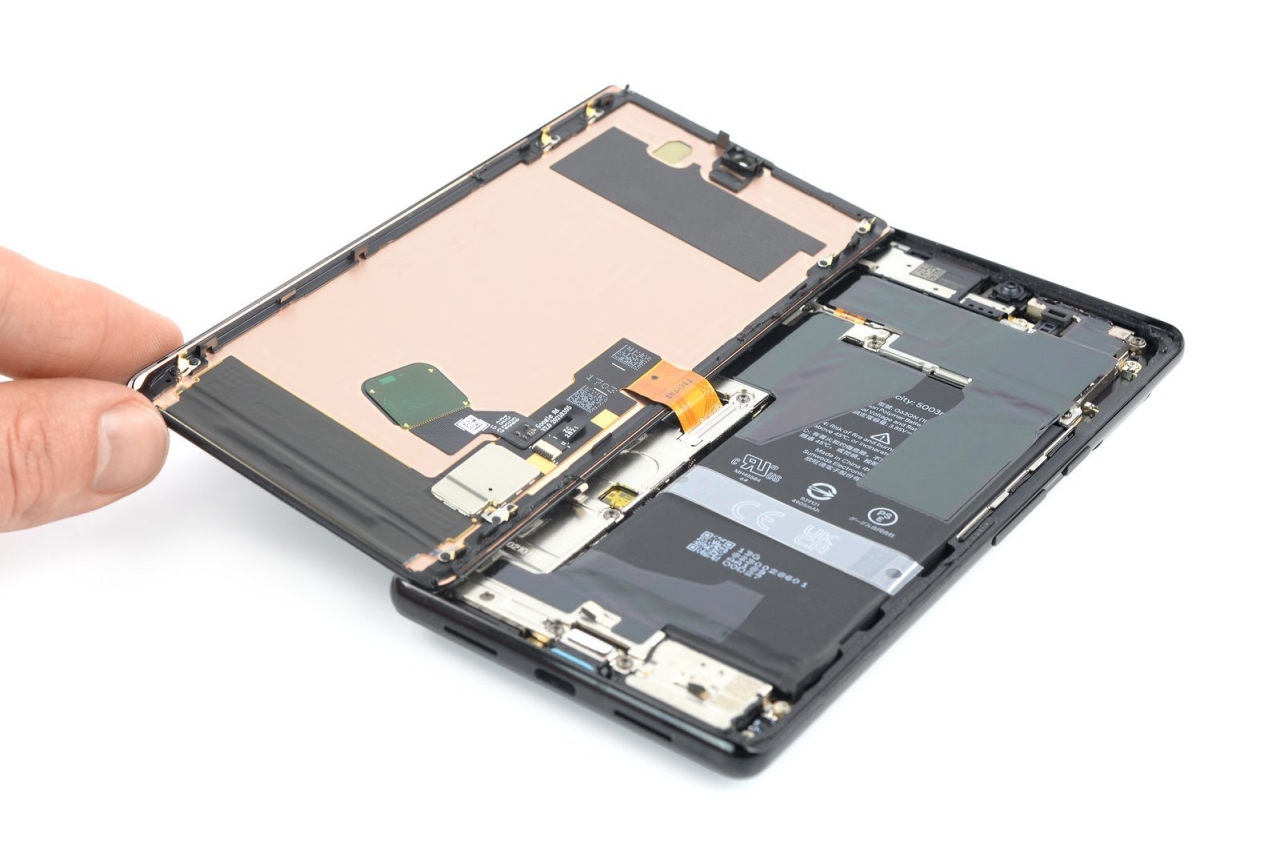
Images: iFixit
Of course, this presumes that the phones are designed to be easily repaired, which isn’t generally the case. The Google Pixel 6 Pro, however, does diverge from the path that most phones take and have a few places where it does help facilitate self-repairs. Although we are far from perfect, some companies won’t punish you for fixing your phone by yourself.
Samsung Recycled Replacemnts
Samsung is already ahead of the self-repair game, but it might be doing something extra special to really drive the sustainability message home. Making replacement parts easily accessible is definitely a good thing, but that also comes with the risks of increasing e-waste even more. This new program could cause more harm than its intended purpose, as electronics can be thrown away and easily replaced.

According to industry reports, however, Samsung might have a simple solution to that as well. Samsung has made a lot about recycling and upcycling and might use the same process to replace parts. In other words, Samsung might introduce a program where it will provide certified recycled parts to be used for repairs and replacements.
Designer: Samsung

In addition to the environmental benefits of such a program, using recycled parts could also be advantageous to consumers. These parts could reduce repair costs by as much as half. Not only does it make self-repairs more accessible and affordable, it also encourages such a culture of repair in opposition to current business models. Hopefully, both Google’s and Samsung’s efforts will bear good fruit so that they become role models on how to make smartphones more sustainable in the long run.