Google releases Android 13 Beta 2 as OnePlus, Xiaomi, vivo, Asus and more join the fun
As you may know already, Google I/O is upon us, and it’s been a busy day so far, with the company announcing the Pixel 6a and Pixel Buds Pro, teasing the Pixel 7 and 7 Pro, Pixel Watch, and Pixel Tablet, and updating core apps like Maps and Translate while reviving previously-killed apps like Wallet.
And among all this, Google still found time to release a new Android beta. We’re talking about Android 13 Beta 2, which should be going out to enrolled Pixels starting today. If you want to enroll your Pixel in the Android Beta program, just go to this website where you’ll find the list of your eligible devices (if any).
Then it’s a one-click affair to enroll, and after that it will get an update with the new beta in a few hours (or less). From that point on, you’ll get all subsequent betas as over-the-air updates, and the finalized Android 13 release too when that hits in the fall.
The next beta release, coming in June, will reach what Google calls Platform Stability, which means it will have the final Android 13 SDK and NDK APIs as well as final app-facing system behaviors. From then on, it’s a bug-fixing race to the finish line!
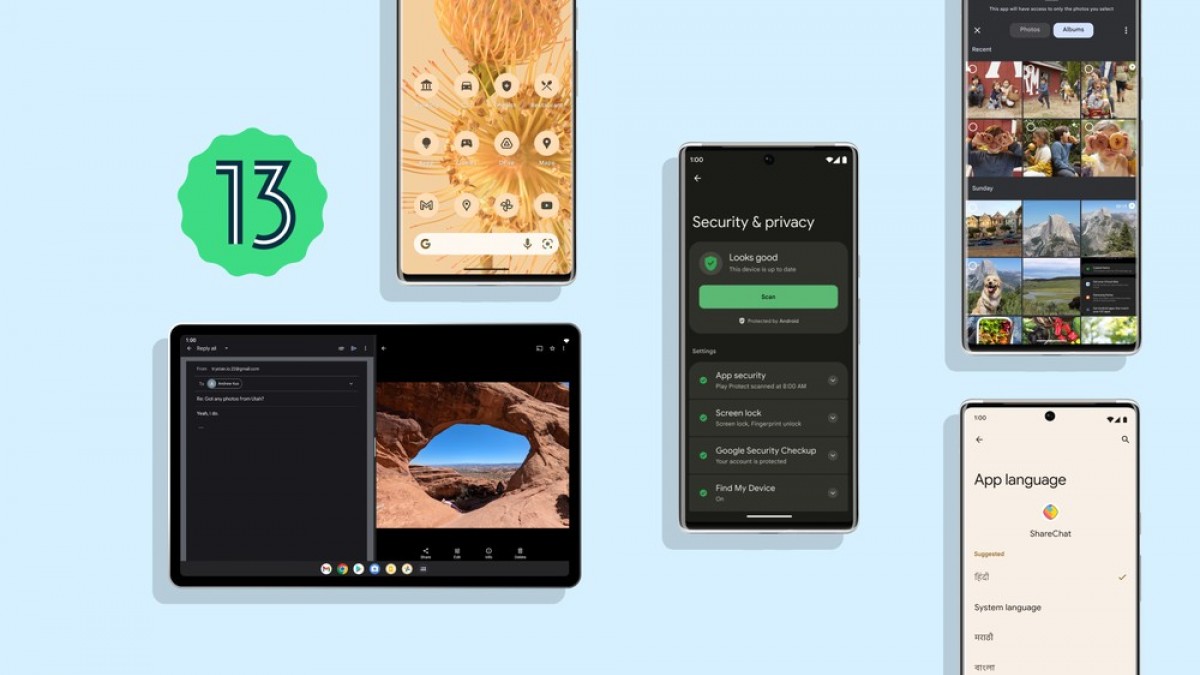
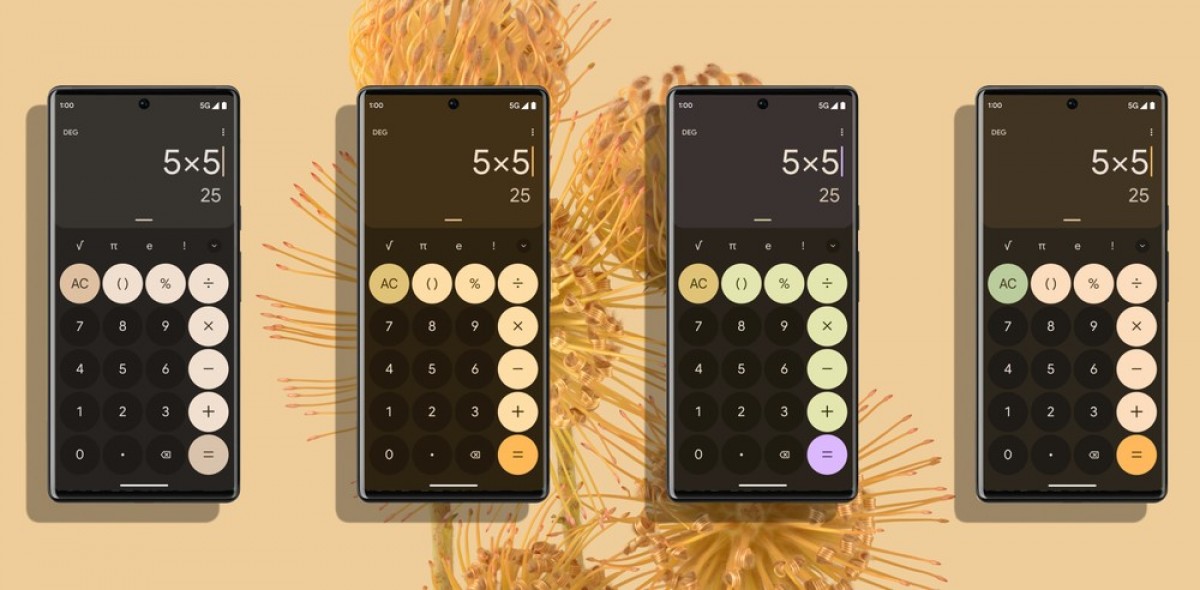
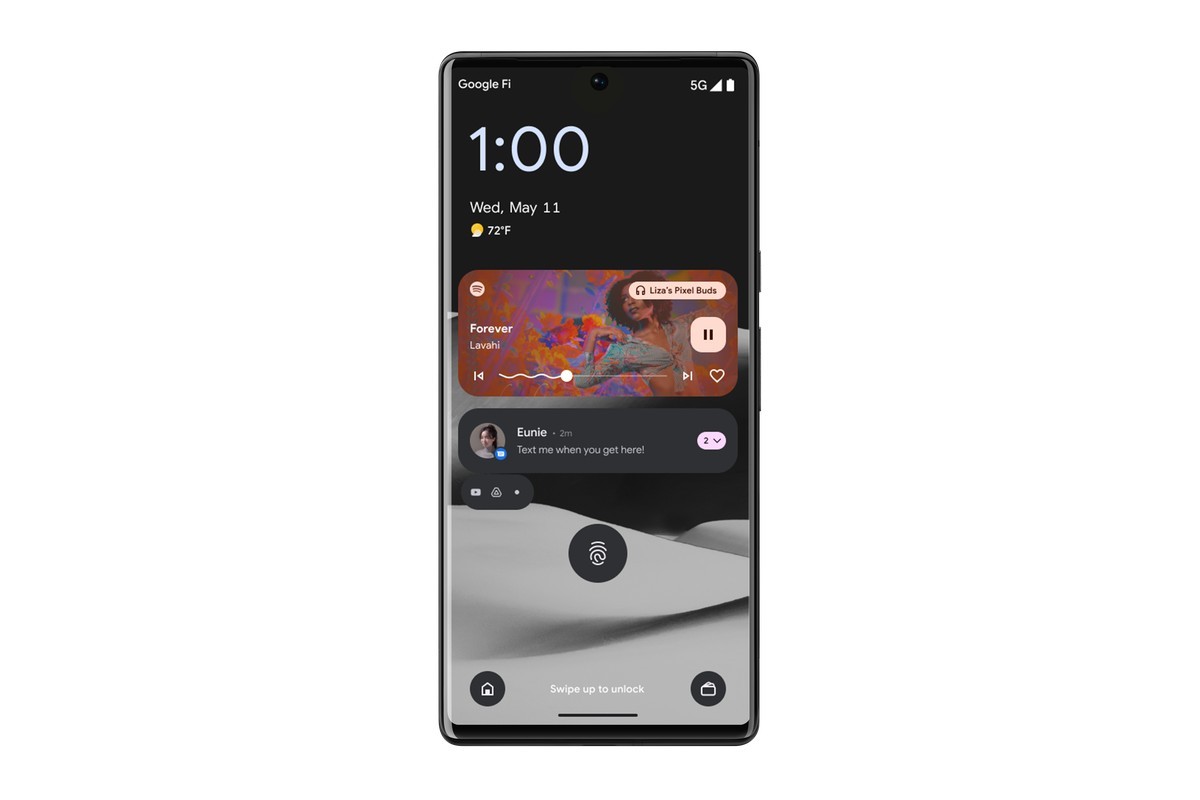
Android 13 includes a new permission for sending notifications, a privacy-protecting photo picker, improved permissions for pairing with nearby devices and accessing media files, app-specific language settings, matching of app icons to theme colors, support for HDR video, Bluetooth LE Audio, as well as MIDI 2.0 over USB. You can also get a bunch of tablet enhancements, including a privacy-protecting photo picker and improved permissions to pair with nearby devices and access media files. There is also an app-specific language settings and matching of app icons to theme colors.
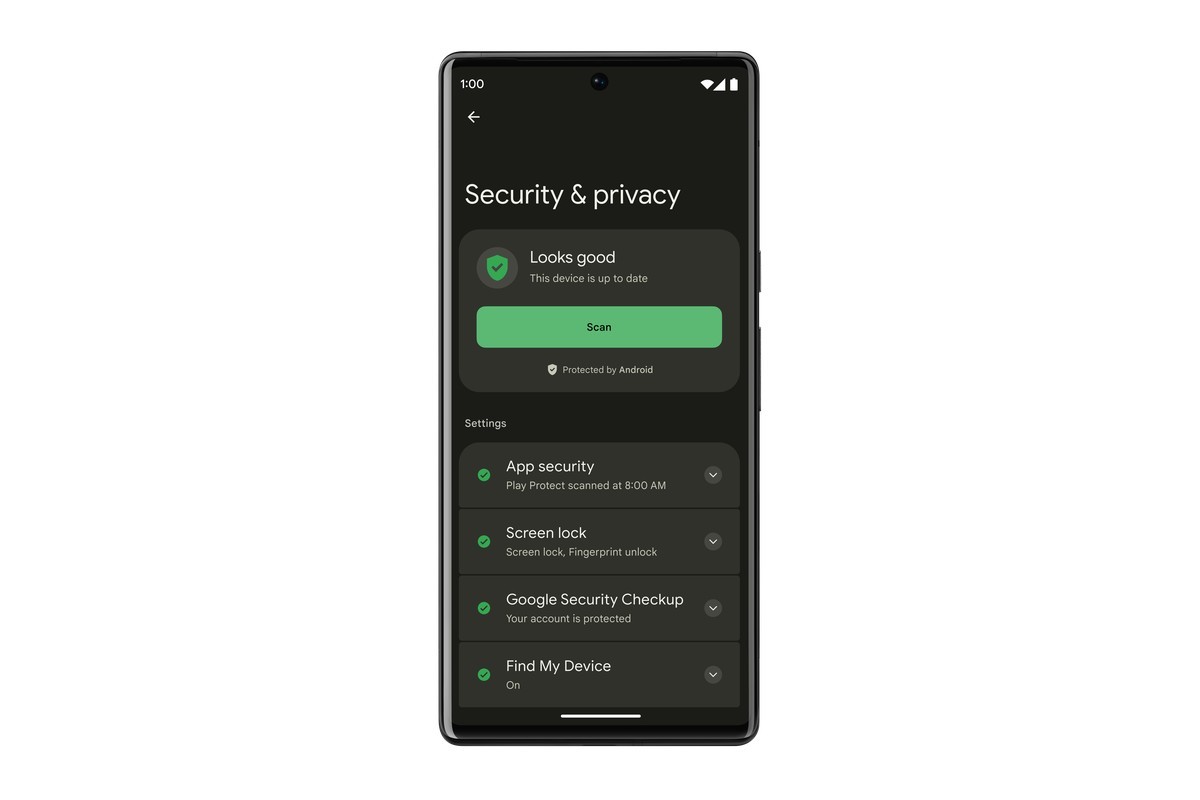
Coming in later releases is a new unified Security & Privacy settings page, which will provide a clear, color-coded indicator of your safety status and offer suggestions about how to improve things.
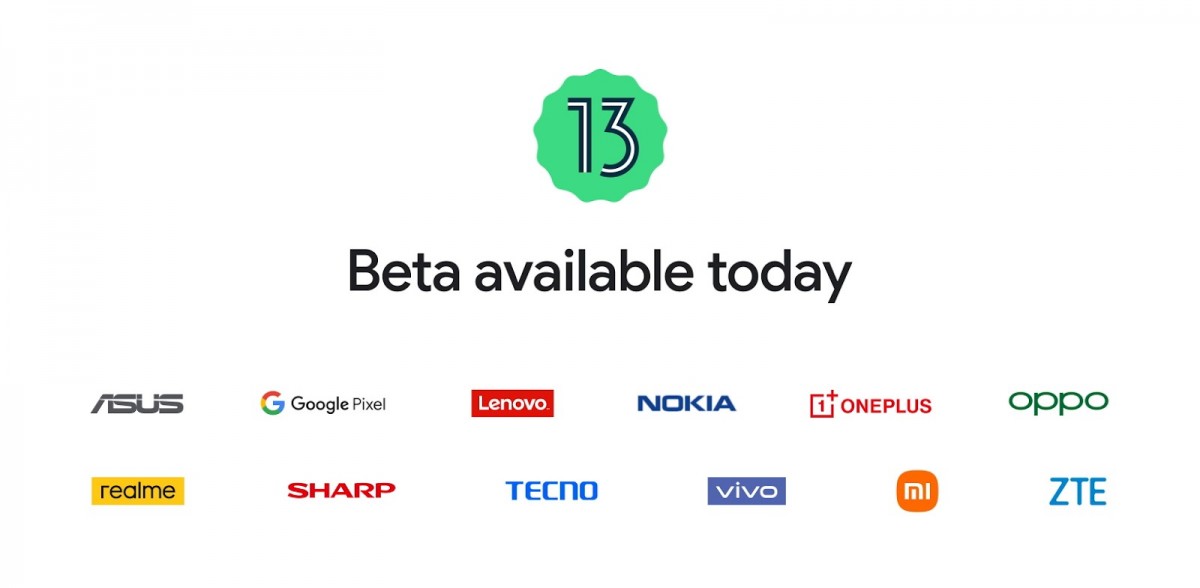
Google is announcing that betas are available today not just for Pixels, but also for devices from Asus (for the Zenfone 8), Lenovo (for the Tab P12 Pro), Nokia (not live yet), OnePlus (for the 10 Pro), Oppo and Realme (for the Find X5 Pro and GT2 Pro), Sharp (for the Aquos sense6), Tecno (for the Camon 19 Pro 5G), vivo (for the X80 Pro), Xiaomi (for the 12, 12 Pro, and Pad 5), and ZTE (for the Axon 40 Ultra).
Do however keep in mind that each of these companies will handle their own enrollments and support, and provide the beta updates to you directly – so don’t go calling Google if something goes wrong.
Magic: The Gathering has a secret language that few can translate
As complicated as Magic: The Gathering is — with all its various and ever-changing keywords, strategies, products, storylines, even entire gameplay formats — would you believe it also has its own secret language?
Phyrexian was first introduced in 2010. It’s a language spoken in-fiction by a loathsome species of cybernetic monsters on the plane of Phyrexia. Publisher Wizards of the Coast has never completely explained how it works. So, for more than a dozen years now, a dedicated group of amateurs has been working to translate it, going card by card with only a few lines of new text occasionally delivered with new sets of cards. What they’ve discovered is a tongue that’s simultaneously alien and also very much a part of our world.
Fernando Franco Félix, a science advisor for PBS’ Space Time, is perhaps the foremost expert in Phyrexian outside of Wizards. A polyglot — that is, a master of multiple languages, in this case including English, Spanish, and Esperanto — he’s been fascinated with Phyrexian for years now, and maintains a small but dedicated following on YouTube.
“I’ve always liked languages,” Félix told Polygon from his home in Aguascalientes, Mexico. “What I always say is that a language is like an art gallery, and every aspect of the language is like an art piece. I see languages as the greatest collaborative work of art in the history of humanity. You have millions of people and, without even realizing it, they are creating this system, which is beautiful.”
Phyrexian is written natively in columns, and those columns are read top to bottom and left to right. For Magic cards, Wizards of the Coast prints those columns on their side and places them in reverse order — a format that looks like English, but which would seem bizarre to a native Phyrexian speaker. Even when a card is tapped (turned on its side) Félix ends up having to read it backwards — right to left.Image: Wizards of the Coast
Of course, Phyrexian wasn’t created over thousands of years across multiple cultures. It’s a constructed language, also called a conlang. That makes it similar to the languages found in Tolkien’s The Lord of the Rings books, or modern conlangs like Star Trek’s Klingon and Game of Thrones’ Dothraki and Valyrian. Of course, you can easily find documents online that will teach you how to speak like an elf or a Klingon. But not so with Phyrexian.
“They explained that it was a real language [and] that they hired linguists to create this language,” Félix said, “but they have never explained how it works. And so I saw that as a challenge.”
As it turns out, Félix was more than up to the challenge. He and his community of collaborators have created a Phyrexian dictionary. In January he used it to become the first person to translate a Magic card written in Phyrexian before the English-language version of the card was released to the public.
But how? Félix says it’s largely a guessing game.
“You try to make good guesses,” Félix said. “You try to see if your guesses hold up. If they can’t hold up, you try to come up with something else. If they do hold up, you probably got it right and you can continue moving on.”
Félix explained that while Phyrexian is a unique construction, it derives many of its quirks from existing languages. For example, it uses a consonantal root system, just like Hebrew and Arabic, to create an assortment of easily recognized word stems. But Félix thinks its system for conjugating verbs is clearly derived from German. Its alphabet shares similar features with Hangul, the alphabet used in Korea. The script used to write Phyrexian shares similar features with Hindi and Sanskrit. Phyrexian also uses a rigid set of punctuation marks, including notations for marking tense, quotations, and the beginning and the end of a sentence. There is even a way of marking the place where a reader should pause to take a breath, a kind of caesura embedded into the grammar of Phyrexian itself.
But over the last 12 years, fans have only been able to observe Phyrexian in a very narrow context, namely the rules written on collectible trading cards. Sometimes there’s a bit of flavor text at the bottom of those cards, a quote or a pithy epithet presented with limited context. Félix and his community are hungry for more. These texts are fragments of Phyrexian literature.
“My dream is that one day [Wizards publishes] a very short story, less than 1,000 words, but it’s all written in Phyrexian,” Félix said. “Then they just let us go to town with it. I’m pretty sure we could decipher it.”
What about actually speaking Phyrexian? That may take quite a bit longer to tease out in full. Phyrexians are part machine, after all, and their language includes elements where native speakers are obliged to slap their specialized metallic mouth parts together for emphasis.
“We have very few examples of spoken Phyrexian,” Félix said, “and the ones we have are very distorted because they are supposed to be spoken by these monsters, and they’re very hard to understand.”
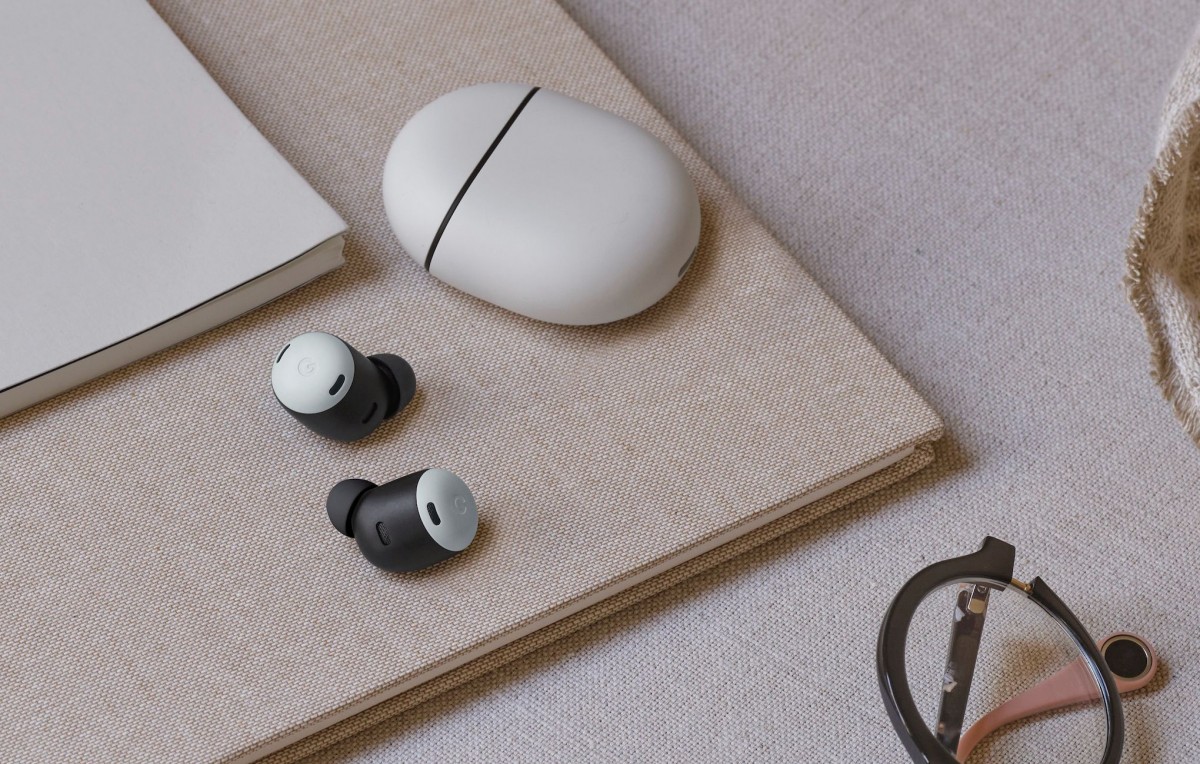
Google today announced the Pixel Buds Pro, the most premium version of their in-ear truly wireless earbuds. They are priced at $199.99.
The Pixel Buds Pro are the first pair of Pixel Buds that support active noise cancellation. The earbuds feature a custom 6-core audio processor and use custom algorithms to cancel out the noise. They also use a feature called Silent Seal to adapt to the shape of your ears in order to maximize the amount of noise canceled.
The earbuds feature a custom-designed 11mm driver. Volume EQ automatically adjusts the audio tuning based on the volume level. A 5-band EQ lets you further customize the sound to your liking.
As with many other earbuds, the Pixel Buds Pro feature transparency mode. This lets in ambient sound so you don’t miss out on important audio cues without having to take out your earbuds.
The earbuds have pressure sensors inside them. Google claims they actively measure the pressure inside your ears so the earbuds can relieve them to keep them comfortable, although how exactly they achieve this is unknown.
The Pixel Buds Pro will also receive an update later in the year, which will enable spatial audio support. Users can experience surround sound effect while watching spatial audio content on compatible Pixel phones.
Other features include beamforming microphones, voice accelerometer, wind-blocking mesh covers, multipoint connectivity, touch controls, and hands-free Google Assistant support with real-time translation. The earbuds have IPX4 water resistance and the case is IPX2.
The Pixel Buds Pro have a rated battery life of 7 hours with ANC and 11 hours without ANC. With the case, you get a total of 20 hours with ANC and 31 hours without ANC. The case supports wireless charging.
The Pixel Buds Pro will be available in four colors: Coral, Lemongrass, Fog, and Charcoal. They will go on sale online on July 21.
EA CEO says the company is rethinking Battlefield ‘from the ground up’
EA DICE, the maker of Battlefield 2042, is “rethinking the development process from the ground up,” according to Electronic Arts’ chief executive. The company is reconsidering its flagship shooter franchise after a lackluster November launch, followed by a series of delays to live service content, some of which are still unresolved six months later.
“They’re using the kind of Vince Zampella/Respawn model of ‘Get to the fun as quickly as possible,’” Wilson told investors during Tuesday afternoon’s quarterly earnings call. Wilson was referencing the founder of Respawn Entertainment, maker of EA’s wildly successful Apex Legendsbattle royale.
In December, Electronic Arts assigned Zampella — who also founded Infinity Ward, the studio behind the Call of Duty: Modern Warfare sub-series for Activision — to oversee the Battlefield franchise. Battlefield 2042, a multiplayer-only iteration of the shooter franchise that launched over the holidays on PlayStation, PC, and Xbox.
Battlefield 2042’s launch was immediately followed by a damage-control memo from EA DICE, a launch-day title update to correct performance issues seen in the game’s early access, and multiple patches immediately after release. Battlefield 2042’s Metacritic scores, on console, are the lowest in the series’ history, and the PC version’s score is second-lowest, ahead of 2015’s Battlefield Hardline, made by Visceral Games.
“They’ve been doing thousands of updates for the community, working on quality of life, and really getting the core game right,” Wilson said on Tuesday’s call. “I think there’s still more work for us to do there. […] Once we get to a place where we feel like we’re in the right place with the core experience, and with the core game, then you should expect us to invest and grow beyond where the game is at today.”
The first season of multiplayer progression and unlockable content is delayed to sometime this summer, EA DICE said back in February. Battlefield 2042 launched in November with promises of four seasons and attendant battle passes offering tiered unlocks, such as four new playable characters and new maps. Battlefield 2042 finally delivered in-game voice chat in mid-April, and a scoreboard in March.
Investment analysts also questioned Wilson about Battlefield Mobile, the Android and iOS adaptation that EA announced on April 22. That is being developed by Industrial Toys, the mobile studio EA acquired in 2018.
“Right now, I think we were looking at going into further testing at the end of May,” Wilson told investors, “and then, subject to the metrics and the data that we’ve seen, we might look towards the end of this year, beginning of next year, for global launch. […] We want to give ourselves the opportunity to ensure that the game has all the soft launch and closed beta that it needs in order to ensure the balance.”
Google I/O Roundup: Immersive maps, multisearch, Matter support, new Pixel devices, more
Google on Wednesday held the opening event of Google I/O, the company’s annual conference for developers. During the event, Google announced multiple new features and technologies that will be available not only for Android users but also for iOS and macOS users. This includes immersive maps, multisearch, enhanced video calling, personalized ads, and much more.
Read on for a roundup of what Google announced today at I/O.
Google Maps is certainly the most popular map service worldwide, and it’s now getting even better with more immersive maps. In selected cities, users will have the option of an “Immersive View,” which shows landmarks in 3D.
But the feature goes beyond just showing buildings, as Immersive View combines Street View data and aerial captures to show everything around in rich detail. For instance, Immersive View simulates the current weather and traffic, and you can even change the view as you like. Android developers will also be able to integrate Immersive View from Google Maps into their apps for a rich AR experience.
Multisearch
Google’s main product is Google Search. Now, Google Search is getting even more powerful with new tools like multisearch and scene exploration with Google Lens.
With multisearch, Google wants to make it even easier for users to find real-life products and stores. As an example, if you need something that you don’t know the name of, you can simply take a picture and then type “near me” right next to it in the search. Google will find stores or even restaurants that have that item near you.
Scene exploration, on the other hand, Google describes as “Ctrl + F for the real world.” Using the phone’s camera, users can point to products in a store to find multiple details about them at once. Then these products can be filtered by rating, flavors, or whatever you want.
Enhanced video calling
As video calls are now more essential than ever, Google has announced improvements to Google Chat. Android developers can now implement content sharing directly from their apps, similar to Apple’s SharePlay. But that’s only part of the new features announced.
During video calls, users will have Portrait Lighting options. This way, you can change the light during a call. More than that, the intensity and position of the artificial light can be freely changed in the video. Google Chat will also read the entire chat to automatically generate a summary of the conversation based on what users have written.
Personalized ads
Google’s services are highly ad-based. This year, the company will launch “My Ad Center,” a place where users can have more control over the ads they see across the web. There, users will have options to disable Personalized Ads and reduce the number of ads based on the user’s data, or even choose which categories of ads the user wants to see or not see.
Users will even be able to limit advertisements by brands or sensitive content, such as alcohol, gambling, weight loss, or dating. According to Google, My Ad Center will be available later this year for all web users.
Google Wallet
Android 13 users will find a new app on their phones called Google Wallet, which is similar to Apple Wallet. Instead of a dedicated app for payments, Google Wallet also stores tickets, documents such as a driver’s license, and even the user’s COVID certificate.
One particular and very interesting feature announced for Google Pay is support for virtual cards when shopping online. Google Pay will automatically suggest the user use the virtual number instead of the physical card number for more secure transactions.
Tablet apps
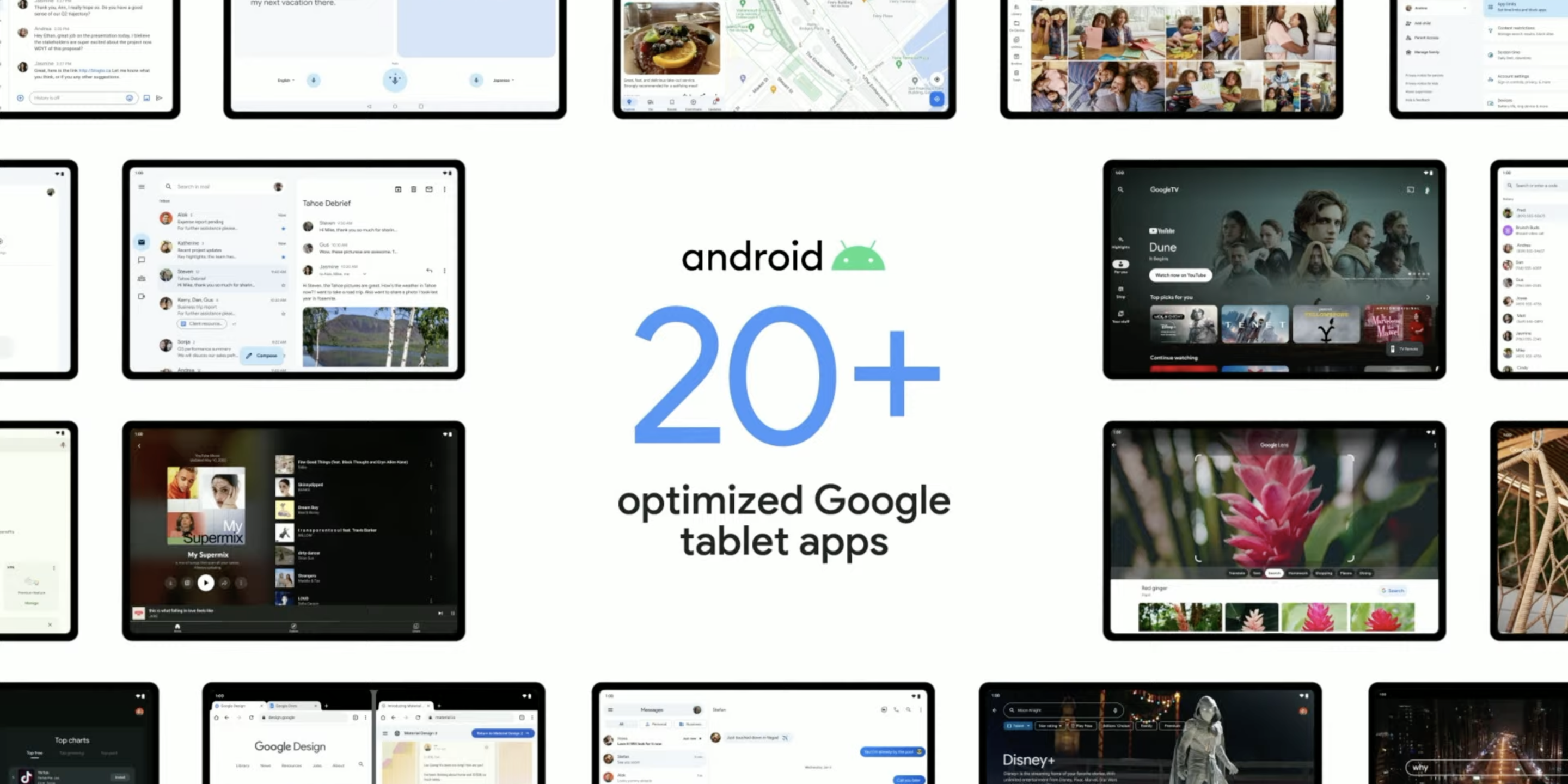
When it comes to tablets, Android is still far behind iPadOS. However, during Google I/O, the company showed a preview of system apps redesigned to take advantage of larger screens. In addition, Google has been working with developers such as TikTok and Facebook to improve their apps for Android tablets.
Matter support
Matter is a new standard for smart home devices supported by Apple, Google, Samsung, Amazon, and other companies. Although the standard has been delayed multiple times, Google said at I/O that Android 13, which is coming later this year, will provide support for Matter-enabled devices.
With Matter, the same smart home device can be connected to different platforms such as Apple HomeKit and Google Home.
Pixel 6a and Pixel 7
In addition to software and service news, Google also announced Pixel 6a – a new midrange version of its smartphone. Pixel 6a comes with a 60Hz OLED screen, in-display fingerprint scanner, and the same flagship Google Tensor processor as other Pixel phones.
With 6GB RAM and 128GB of storage, Pixel 6a is capable of taking 12-megapixel photos through its wide and ultrawide rear cameras. It supports Pixel-exclusive features like Magic Eraser, Real Tone, and Face Unblur to enhance photos. The phone, which will cost $449, will be available in July. Google says Pixel 6a will get three years of Android updates and five years of security patches.
Google also teased Pixel 7 with a new camera design and a faster processor as well as new Pixel Buds Pro earbuds to compete with AirPods Pro.
Google Pixel Watch and Pixel Tablet
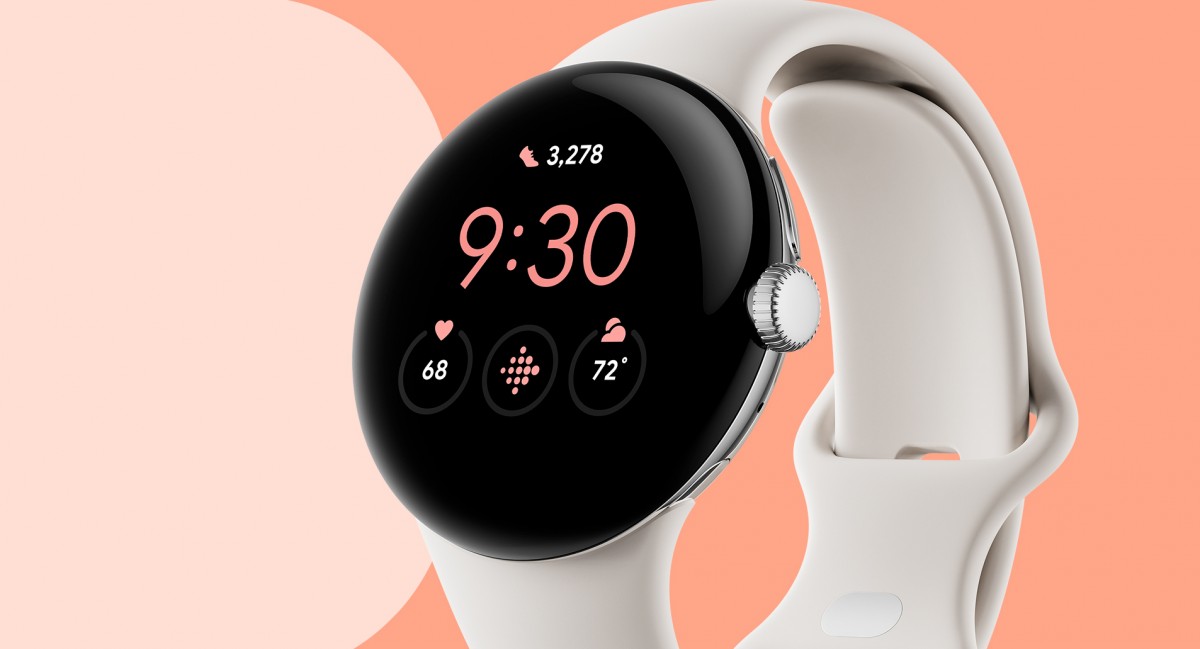
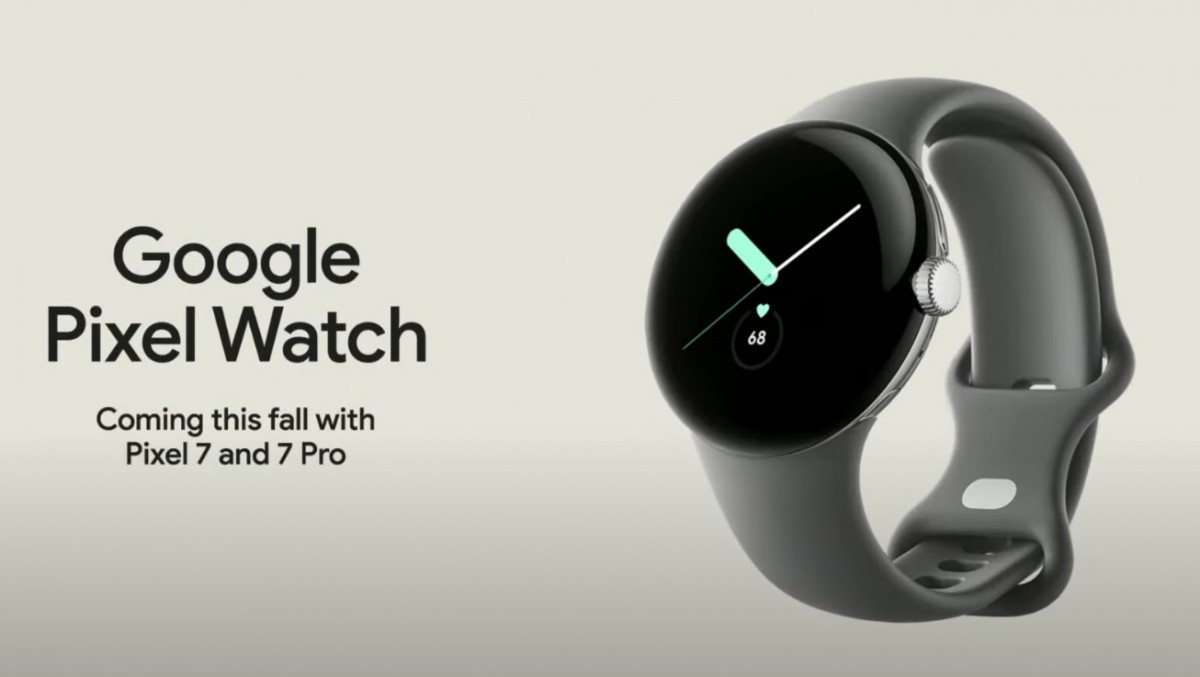
After multiple leaks on the web, Google has officially announced its new smartwatch called Google Pixel Watch. With a rounded design, it runs the custom version of Android WearOS with all of Google’s services built in.
Not many details about Google Pixel Watch were revealed at the event, as Google says the product will be released later this year. Google also revealed that it’s working on its own Pixel Tablet, coming in 2023. All of these products will have deep integration with Android phones.
Wrap up
Even if you’re not an Android user, Google announcements are definitely interesting since many of us use Google services on our iPhones, iPads, and Macs. According to the company, many of the features announced today will be rolled out to users later this year.
Google teases Pixel 7 and 7 Pro, Pixel Watch, and Pixel Tablet
At its I/O developer conference today, Google not only made the Pixel 6a and Pixel Buds Pro official, but also teased a bunch of new products coming in the future.
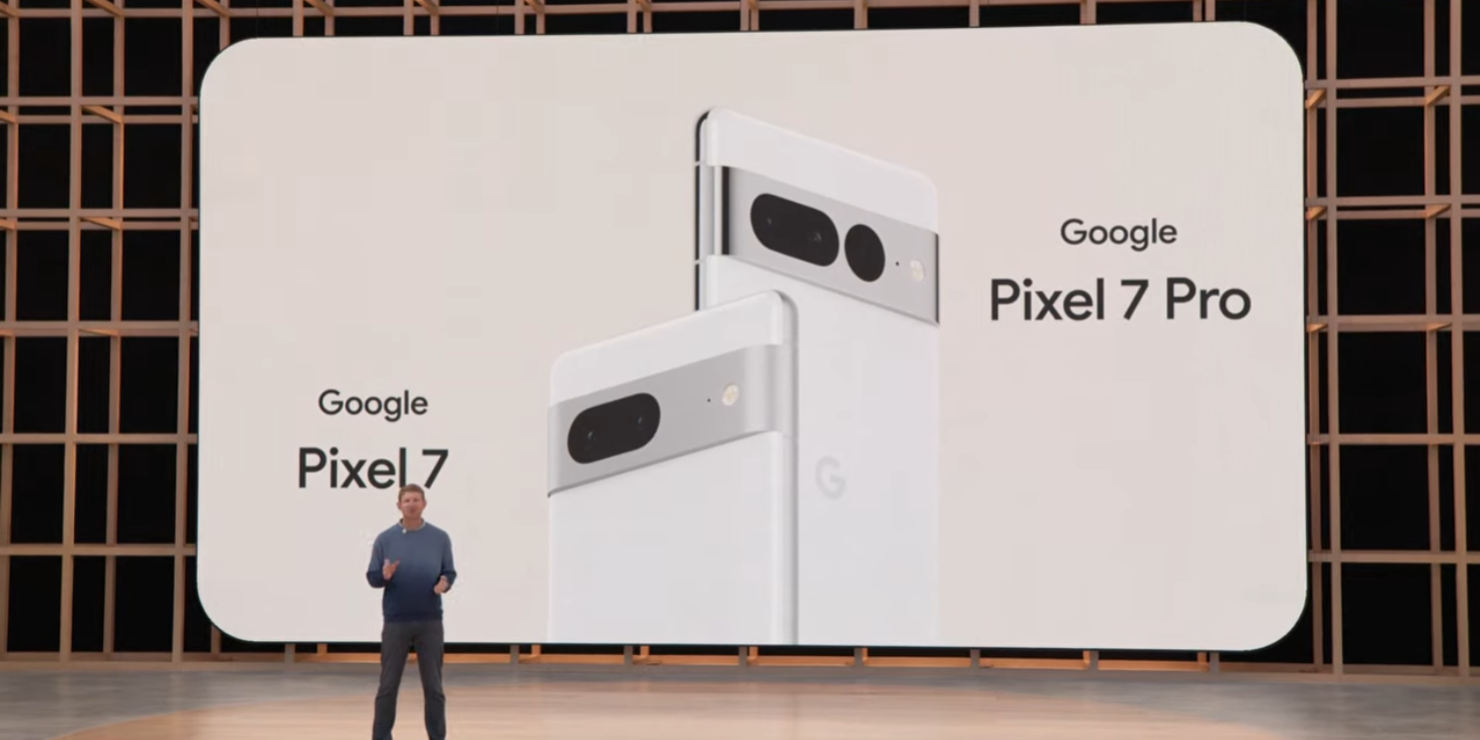
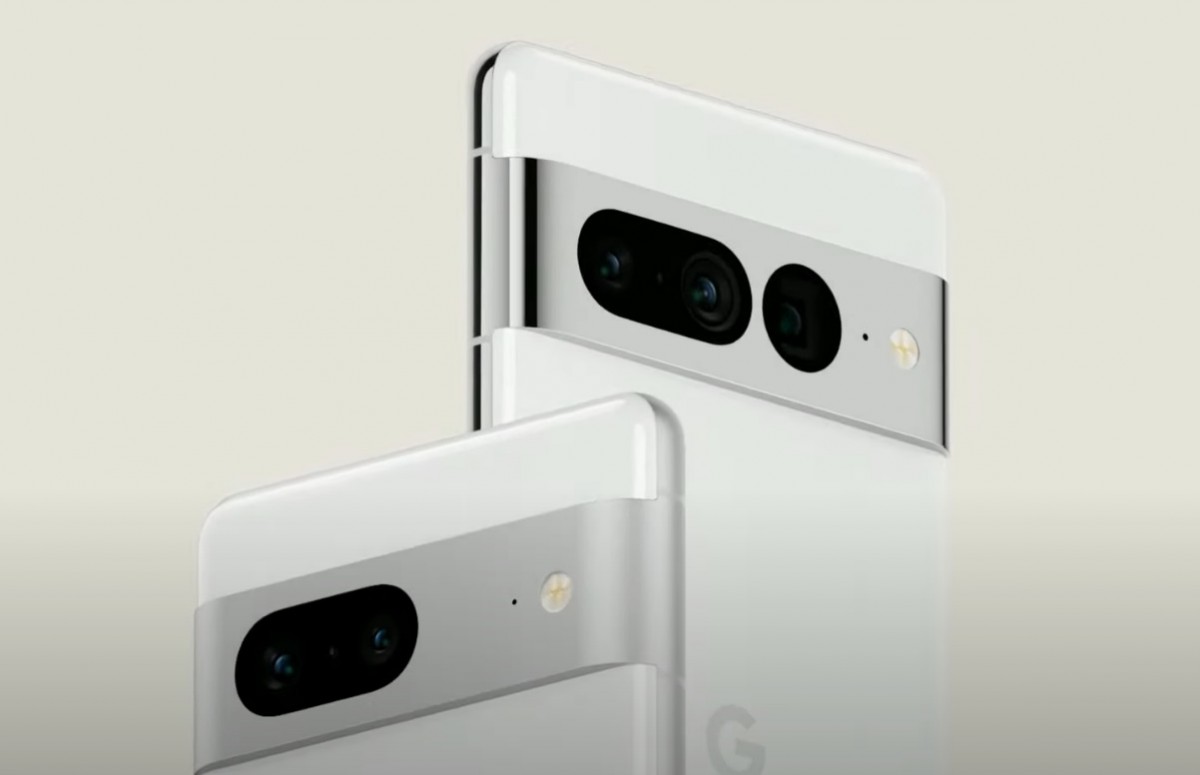
Let’s start with the Pixel 7 and Pixel 7 Pro, which will both be powered by the next generation of the Google Tensor SoC. The company’s showing us their backs, and while the ‘visor’ design from the Pixel 6 family is intact, the camera bar itself is now made from polished aluminum which runs right into the frame on both sides, for a more integrated look.
The camera cutouts into the aluminum are very obvious too, for a bolder, even more recognizable look than what last year’s Pixels were going with.
Google Pixel 7 Pro
The Pixel 7 has two rear cameras and the 7 Pro has three, so on that front things aren’t going to change. The devices are expected to be fully announced this fall, alongside the next teased item – the Pixel Watch.
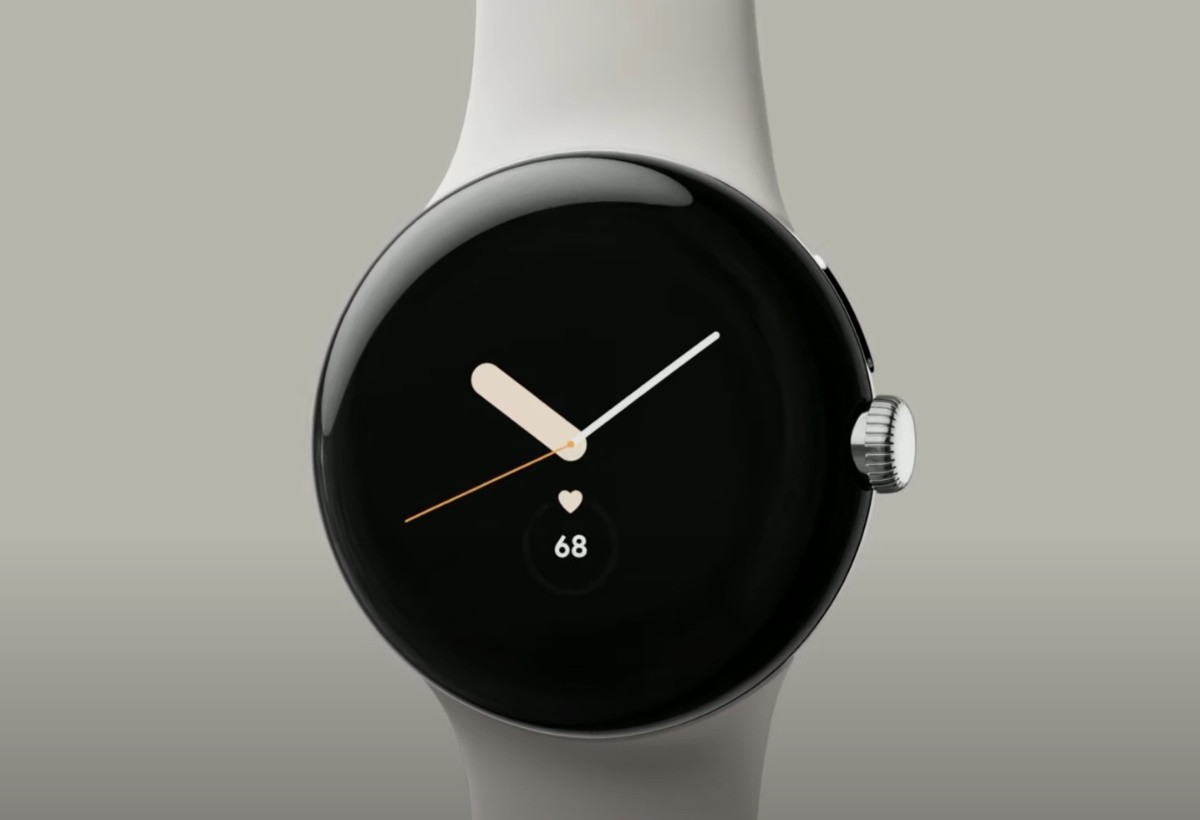
This is the first smartwatch developed from the ground up by Google, and the leaks were correct once again – it’s round, it has a domed look to its glass, and will come with Fitbit integration since Google owns Fitbit.
That means you’ll get fitness tracking with Active Zone Minutes, stats, progress, and personal fitness goals, continuous heart rate tracking, as well as sleep tracking powered by Fitbit. A new Google Home app is coming to Wear OS too, allowing easy control of your connected devices right from your wrist.
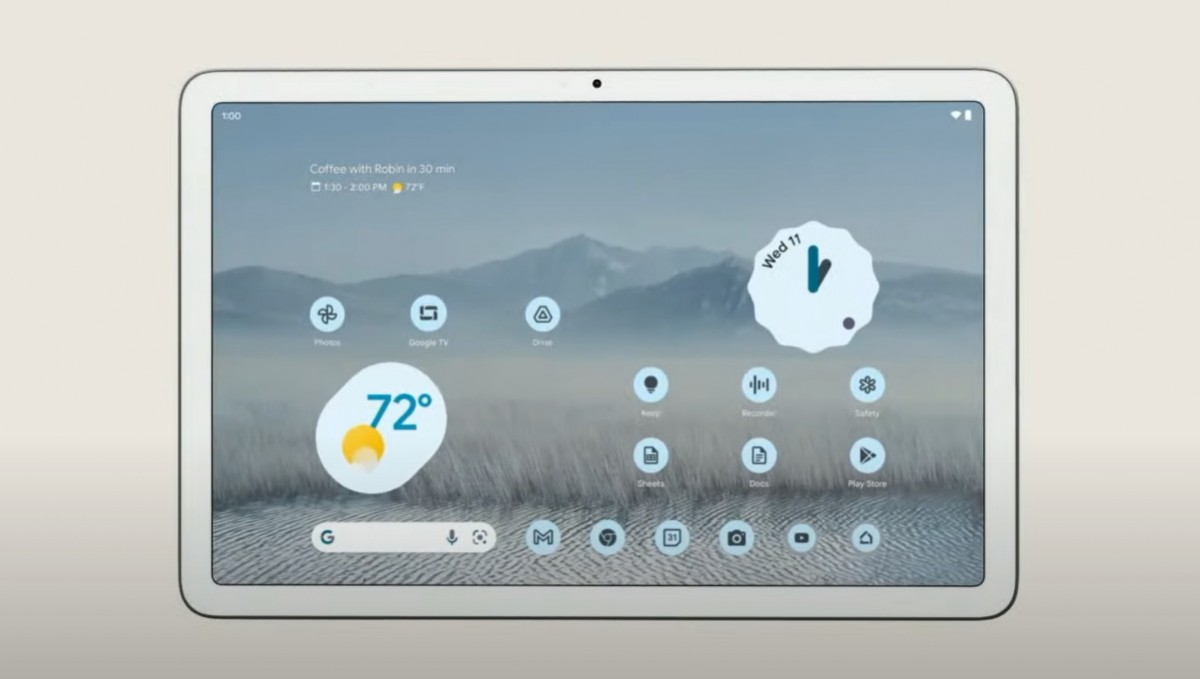
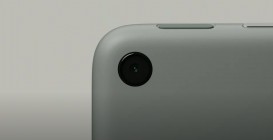
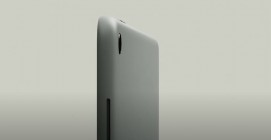
Finally, and surprisingly because this hasn’t been leaked at all so far, Google is also working on a Pixel Tablet. This will be launched next year, and today the company decided to give us a sneak peek.
It’s powered by Google Tensor, “designed to be a perfect companion to your Pixel phone”. As you can see, the bezels are slim and the front-facing camera is mounted inside one of them.
Google Pixel Tablet
These are all the details that are out right now. Google says it’s designed to be the most helpful tablet in the world.
Ubisoft’s Avatar: Frontiers of Pandora game is still coming this year
Ubisoft’s earnings reports include something a bit surprising: Avatar: Frontiers of Pandora is still set to be released before the end of the publisher’s fiscal year, which ends March 31, 2023. The first-person action-adventure game set in the Avatar universe was revealed with a trailer at E3 2021 that showed off the lush flora and fauna of Pandora, along with an aerial fight between humans and the Na’vi.
The title was originally announced in February 2017; it is being developed by Massive Entertainment in partnership with Lightstorm Entertainment and Disney. Massive is the developer behind The Division games, which were built on the proprietary Snowdrop Engine. This engine will also be used in Avatar .
We haven’t seen much of Frontiers of Pandora besides a few screenshots and the announcement trailer. {The game’s description states that players will “embark on a journey across the Western Frontier, a never-before-seen part of Pandora.| In the game’s description , players “will embark on a journey through the Western Frontier. This is a new part of Pandora.” Explore a living and reactive world inhabited by unique creatures and new characters, and push back on the formidable RDA forces that threaten it.”
There’s still much to learn about the game. This is unusual considering it’s so close. Skull & Bones and Mario + Rabbids: Sparks of Hope, two other Ubisoft titles currently in production, are also slated to arrive before March 31, 2023.
We’re approaching an absolute bounty for fans of the Avatar franchise: Mobile game Avatar: Reckoning is scheduled to be released before the end of 2022, and Avatar 2: The Way of Water is set to be released in theaters in December.
Correction: A previous version of this article misstated the release window for Avatar: Frontiers of Pandora.
Google jabs Apple over lack of RCS support on iPhone during I/O
During Google I/O 2022, Apple was indirectly referenced in a not-so-subtle jab over its lack of RCS support for iPhone users. RCS, or Rich Communication Services, is the modern upgrade to SMS texting that Apple leapfrogged with iMessage over a decade ago.
“We hope that every mobile operating system gets the message, and upgrades to RCS, so your messages are private, no matter what device you’re using,” a company executive argued during the presentation. This security angle is one that Google now uses annually.
RCS improves basic SMS with support for features like read receipts and encryption. Apple built these features into iMessage when it debuted as part of iOS 5 in 2011, but Apple’s messaging service isn’t available on non-Apple devices.
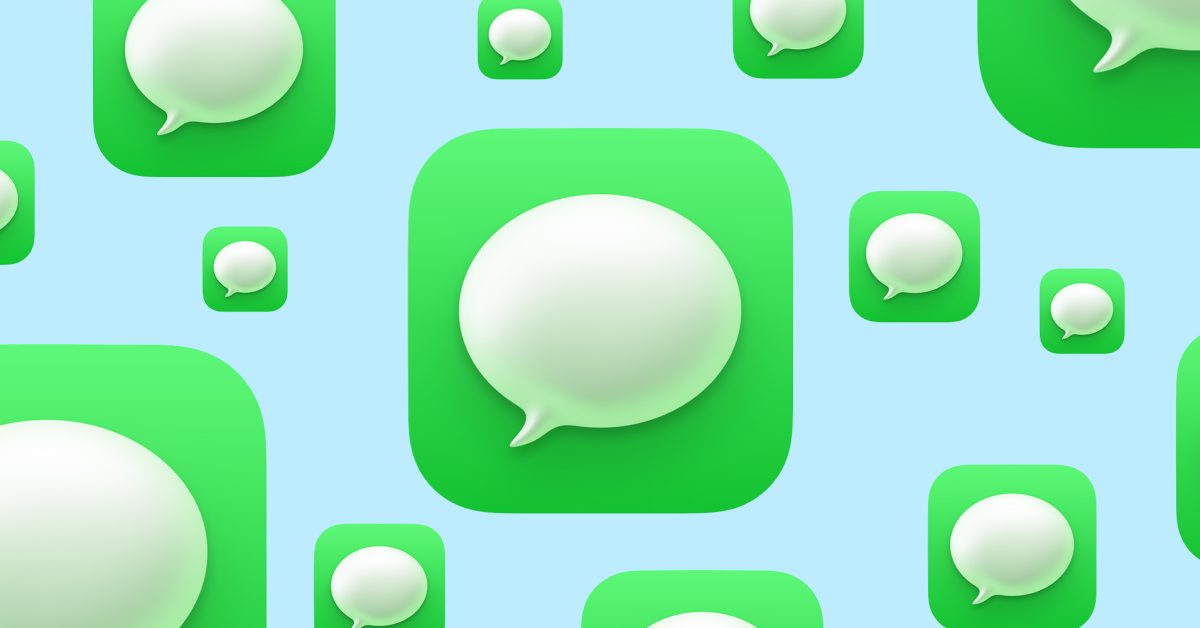
The fluidity of messaging between iPhones (denoted by blue bubbles) has been a major marketing win for Apple compared to the static experience of iPhone to Android phones (denoted by green bubbles).
In an alternate timeline without iMessage, RCS would be an easy feature upgrade for Apple to deliver to iPhone users. In reality, Apple solved the problem for iPhone users that RCS solves for Android users over ten years ago.
Should Apple still support RCS on iPhone for text communication that doesn’t use iMessage? I think the only good argument for ignoring RCS is that it might sell more iPhones. For Apple, that might be reason enough to ignore RCS, unless and until the company is compelled to change its mind by carrier services, regulators, or customers.
Google announces Pixel 6a with Google Tensor processor for $449
Google has announced the Pixel 6a, the the most affordable option in the Pixel 6 lineup. The phone is priced at $449, same as the previous generation Pixel 5a.
The Pixel 6a features a smaller 6.1-inch, 2400×1080 resolution OLED display. The display is only 60Hz compared to the 90Hz on the Pixel 6 and 120Hz on the Pixel 6 Pro.
The design of the phone is very similar to the other two Pixel 6 phones and also features an aluminum frame. However, the front glass has been downgraded from Gorilla Glass Victus to Gorilla Glass 3 and the back of the phone is now made out of plastic. The Pixel 6a is IP67 as opposed to IP68 on the other two.
Inside, the Pixel 6a runs on the same Google Tensor SoC as the other two Pixel 6 phones, along with having the Titan M2 security chip. It also has 6GB of LPDDR5 memory and 128GB of UFS 3.1 storage.
The back of the phone features a new 12.2MP f1.7 dual-pixel main camera with optical image stabilization. The ultra-wide camera is the same 12MP f2.2 found on the other two Pixel 6 phones. On the front is an 8MP f2.0 camera, same as the one on the smaller Pixel 6.
Other features include 5G connectivity, always-on display, in-display fingerprint sensor, stereo speakers, dual microphones, and HDR support. The phone comes with Android 12 out of the box with five years of software updates.
The Pixel 6a has a smaller 4410mAh battery. Google claims over 24 hours of regular use and up to 72 hours with the new Extreme Battery Saver mode. The phone supports 18W USB-PD fast charging but there is no wireless charging.
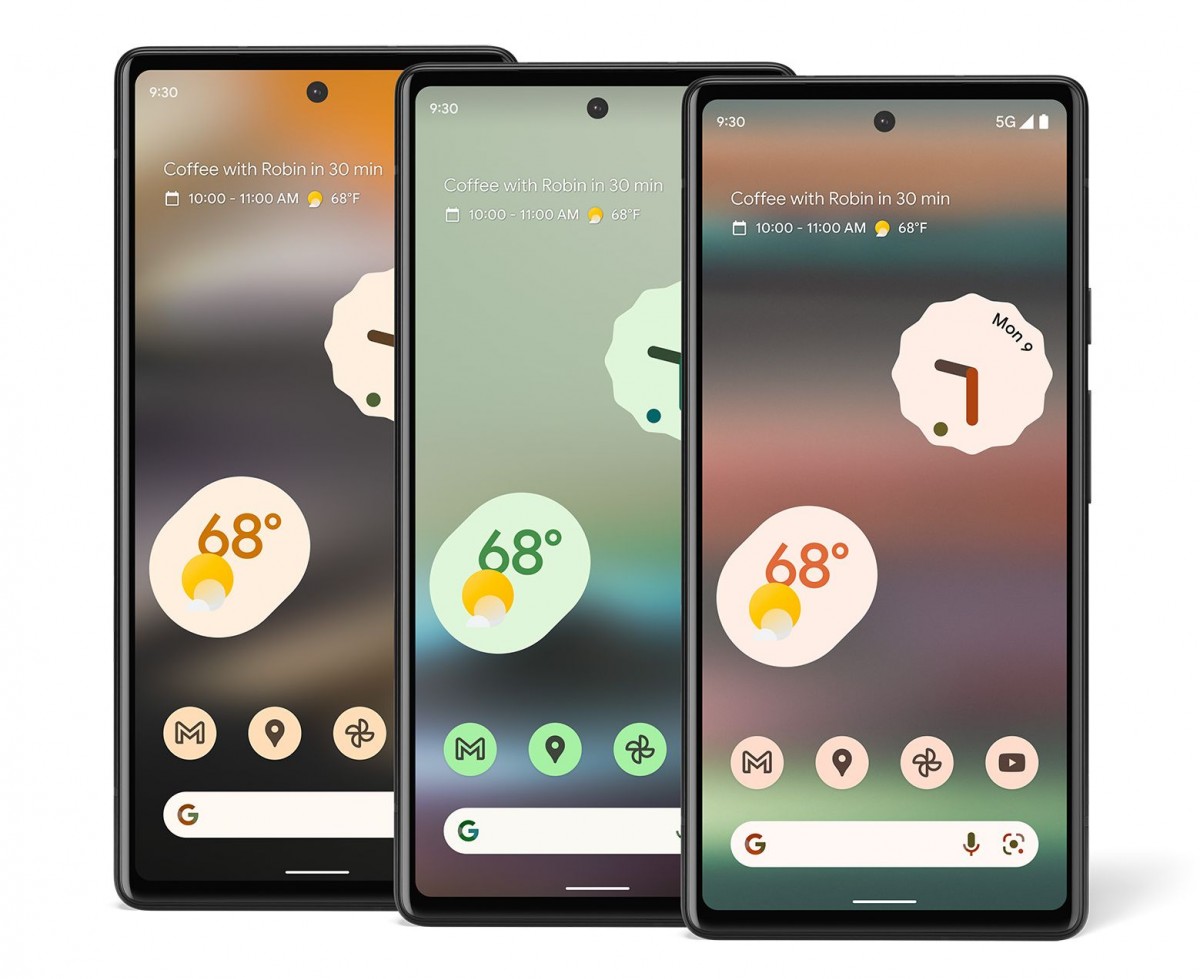
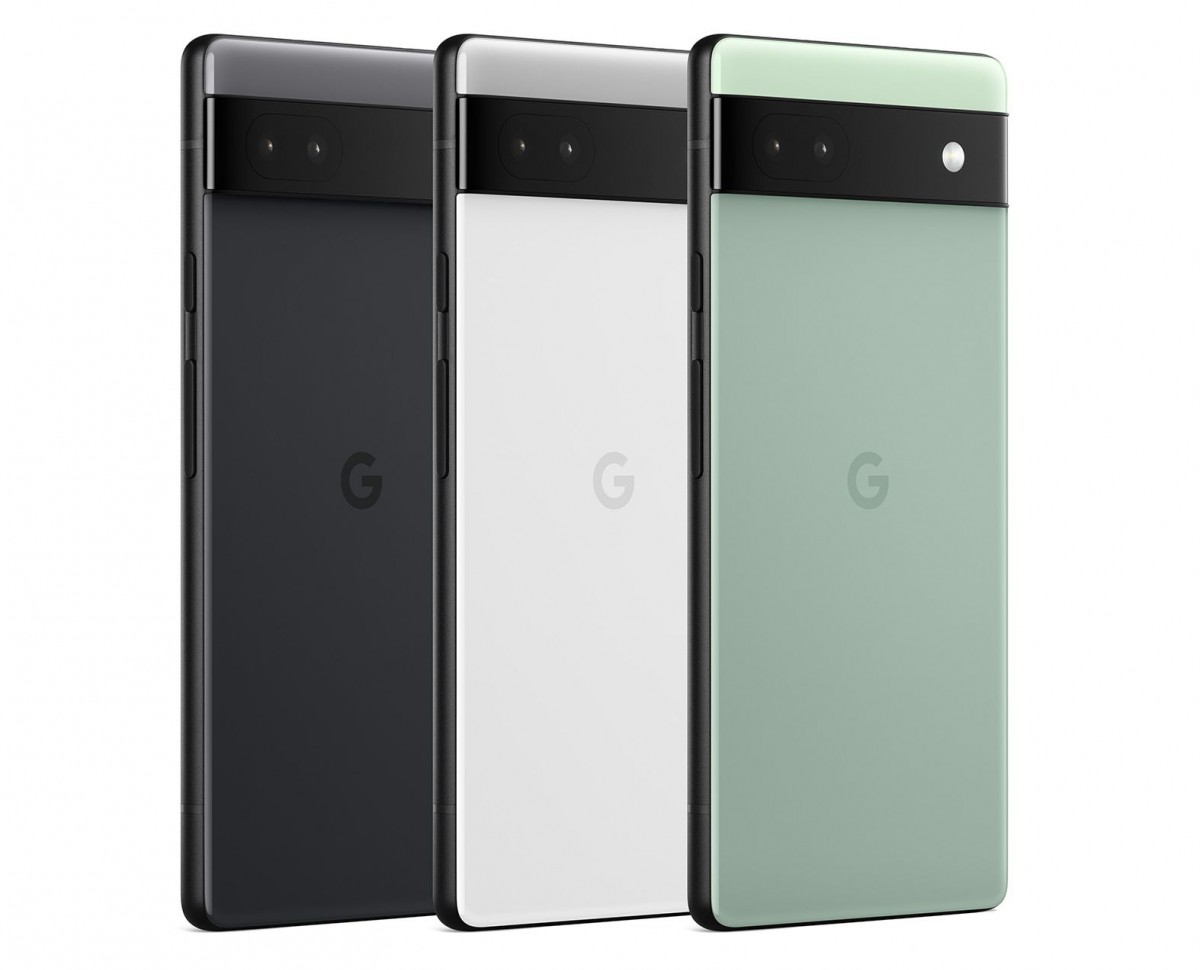
The Pixel 6a will be available in three colors: Chalk, Charcoal, and Sage. It will go on sale online July 21 and will be in stores July 28. The phone will be available in Australia, Canada, France, Germany, Ireland, Italy, Japan, Puerto Rico, Singapore, Spain, Taiwan, United Kingdom, and the United States.
Apple loses most valuable company crown to Saudi oil firm Aramco
Apple is not the most valued company in the world as of today. Saudi Arabian oil company Aramco has now taken over that title. According to Bloomberg, this reversal is because of a surge in oil prices due to current inflation increases.
Aramco, which hit a $2. 43 trillion market capitalization, has surpassed Apple for the first time since 2020. As of 1:05pm ET today the Cupertino company’s stock fell 3. 9% on the New York Stock Exchange (NYSE). Earlier in the year, Apple announced its $3 trillion market value, about $1 trillion more than Aramco’s. Since, the company has dropped 16% while Aramco has bumped up 27%.
While a surge in oil prices is good for Aramco’s profits, ever-growing inflation is causing the Federal Reserve to rise interest rates at a very fast pace. Investors are not paying attention to tech companies, which is causing stock market prices to fall.
Recovery will take time
Senior Portfolio Strategist at Ingalls & Snyder, Tim Ghriskey, believes it will be some time until tech companies recover. Tech giants won’t be able to retain their current dominance, with the Fed continuing to raise interest rates and not revealing any signs of resolution in Ukraine.
There’s panic selling in a lot of tech and other high-multiple names, and the money coming out of there seems headed in particular for energy, which for now has a favorable outlook, given commodity prices. Companies like Aramco are benefitting significantly from this environment.
Supply chain constraints due to world conflicts will continue to plague the iPhone maker for a while. Apple recently shared its earning results for Q2 2022, and the company mentioned it’s expecting supply chain problems to impact its Q3 results. However, within the sector, Bloomberg mentions Apple stock is still relatively safe to buy as the company has maintained steady growth this year.
Despite Apple beating Aramco, Aramco is still America’s most profitable tech company with Microsoft coming in second.
More on AAPL:
Warren Buffett bought $600M worth of AAPL last quarter, may be buying more now
AAPL Q3 2022 will be tough, says company, for five reasons
Apple services subscribers grow 25% to new high of 825 million

:format(webp):no_upscale()/cdn.vox-cdn.com/uploads/chorus_asset/file/23451780/Urabrask_Heretic_Praetor_EN_main_copy_2.jpg)