Categories
Uncategorized

Top 10 trending phones of week 14

Top 10 trending phones of week 14

Samsung Galaxy A53 extends its winning streak to three weeks and just like the last installment of our trending chart it’s joined on the podium by the Redmi Note 11 and the Galaxy S22 Ultra in that order.

And just like last week we have a new announcement in the fourth spot, only this time it’s coming from Realme and is the 4G version of its 9 mid-ranger.

The Galaxy A73 has regained a position and is now fifth, trading places with the OnePlus 10 Pro.

The Apple iPhone 13 Pro Max and Xiaomi 12 Pro take seventh and eight, while

Samsung Galaxy A52s refuses to let go and clings onto the final spot, helping kick the Black Shark 5 Pro and the Poco X4 Pro off the chart.

See you next week!

Samsung Galaxy A53 5G


specs gallery


Xiaomi Redmi Note 11


specs review


Samsung Galaxy S22 Ultra 5G


specs review


Realme 9


specs gallery


Samsung Galaxy A73 5G


specs gallery


OnePlus 10 Pro


specs review


Apple iPhone 13 Pro Max


specs review


Xiaomi 12 Pro


specs review


Samsung Galaxy S20 FE 2022


specs gallery


Samsung Galaxy A52s 5G


specs review


https://fdn.gsmarena.com/imgroot/news/19/04/top10-trending-phones/-952x498w6/gsmarena_002.jpg

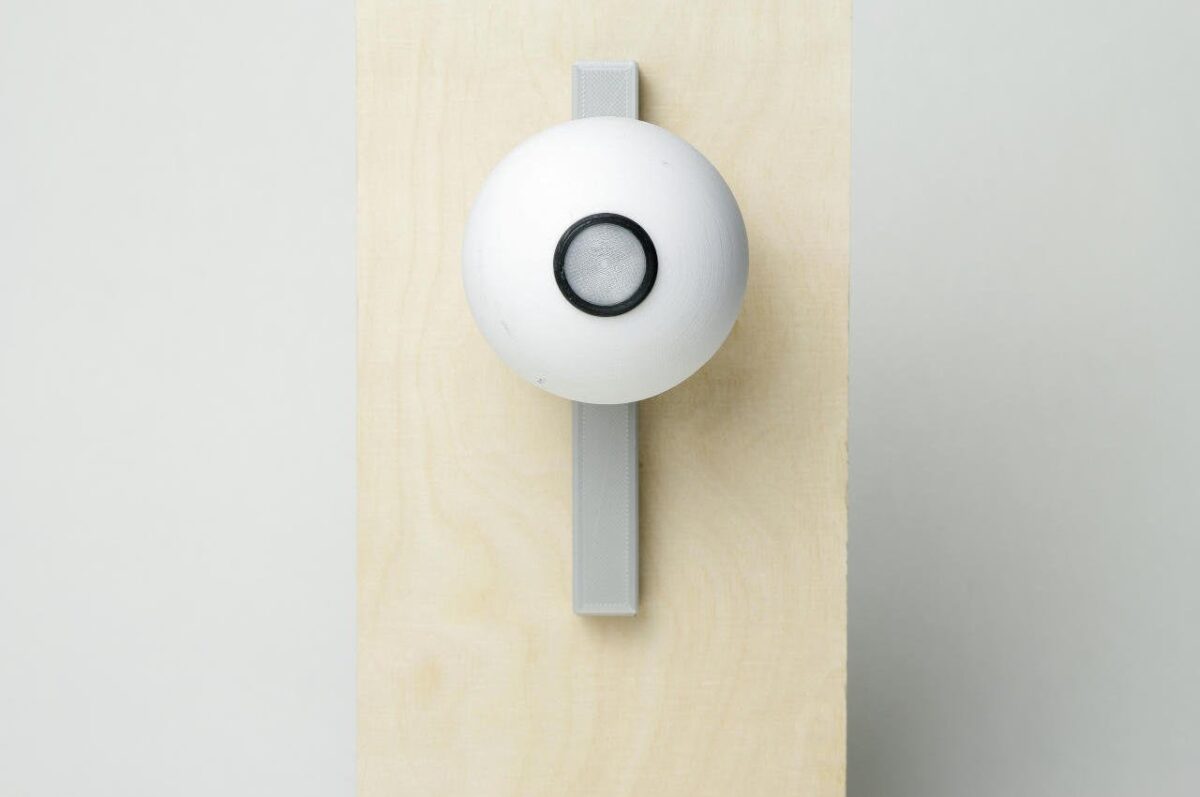
This indoor camera concept looks like a literal eyeball watching your every move

This indoor camera concept looks like a literal eyeball watching your every move

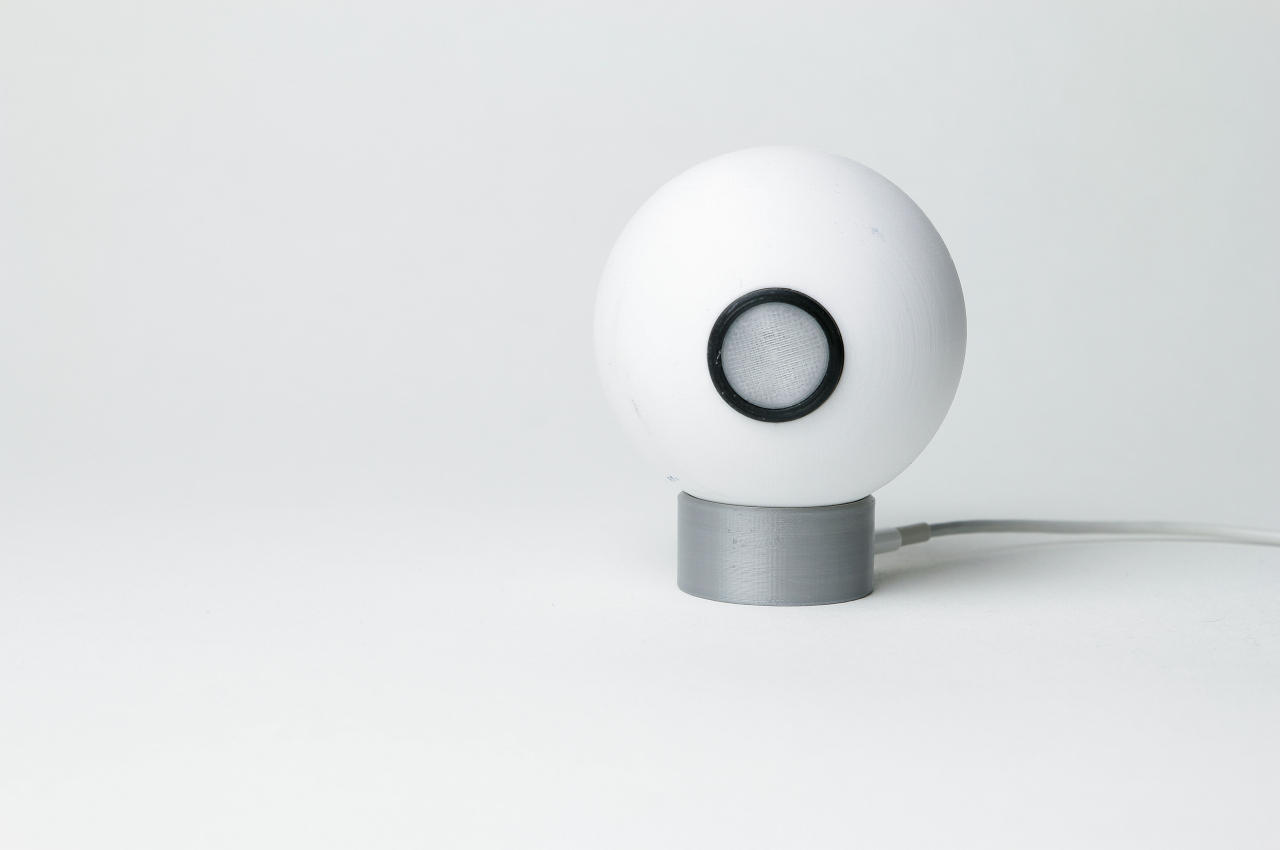
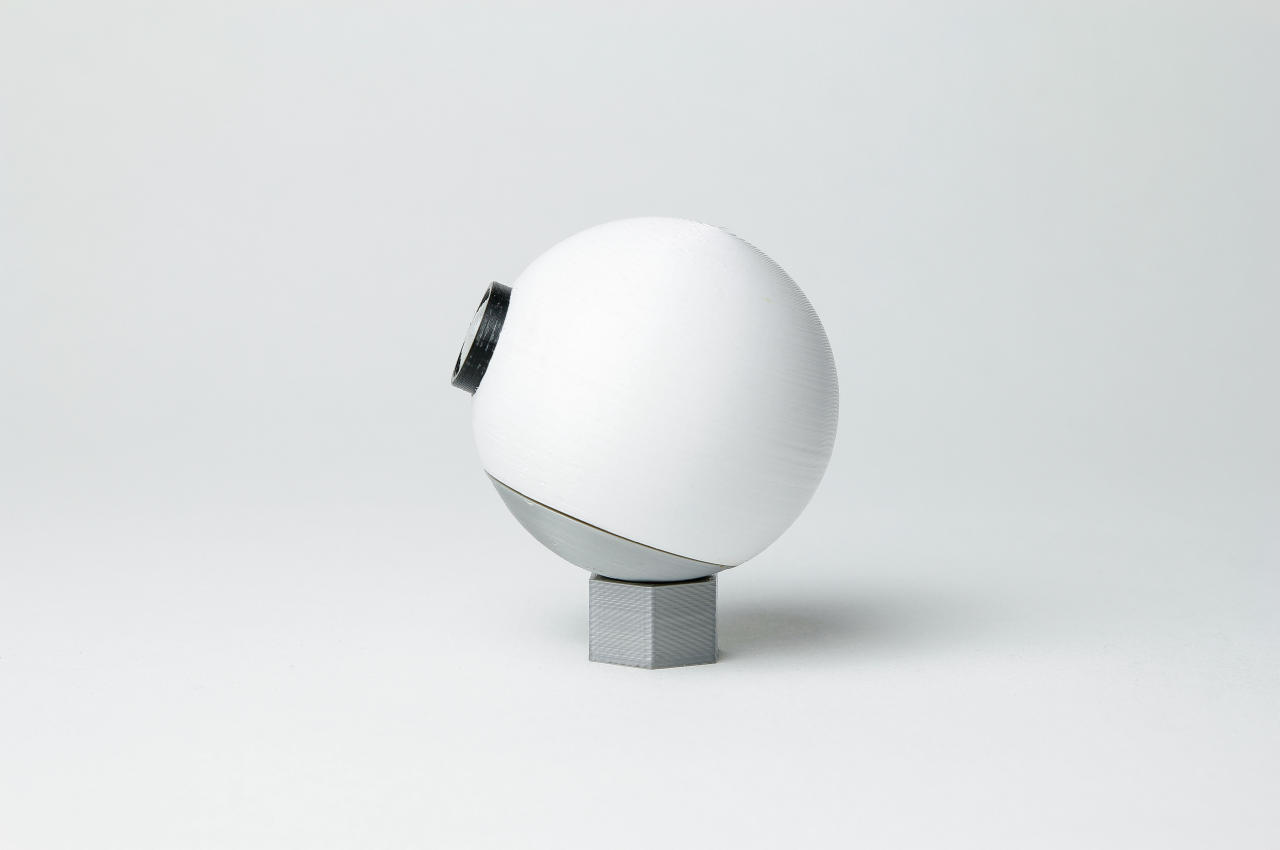
Unlike the Eye of Sauron, this home security camera looks less frightening and has a secret trick to keep it from seeing you all the time.

Smart security cameras for homes have seen a lot of popularity over the last few years. However, they also have been criticized. Having something that can see you 24/7 can be a horrifying thought for some homeowners, especially when it involves a third party, like a company that can take a peek at any time, whether you know it or not. There is a growing desire to be safe and secure while out. Service providers as well as homeowners must find ways to balance privacy and security. The concept of this product aims to accomplish exactly that. It provides a fast and simple way to disengage the all-seeing eyes and instantly know when it is sleeping.

Designer: Maurice Mischo


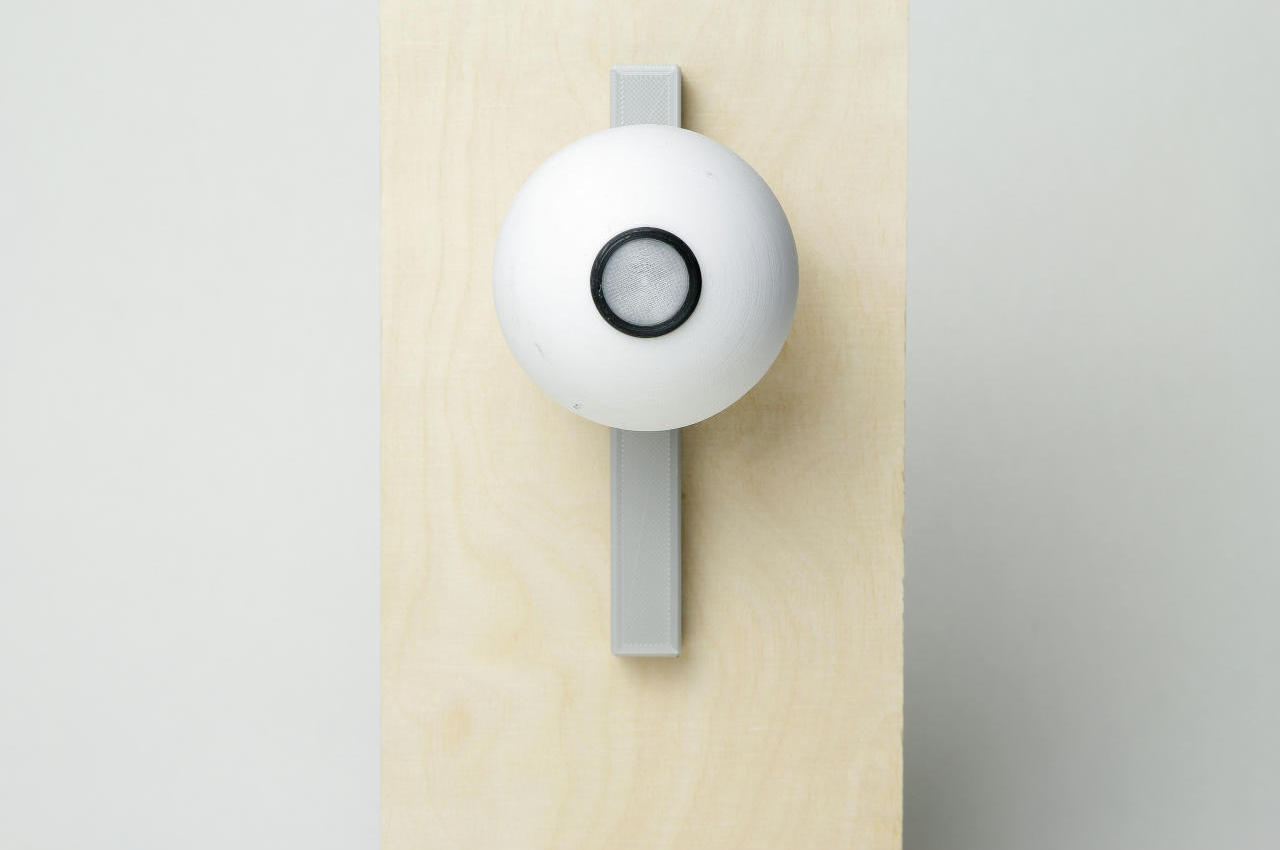
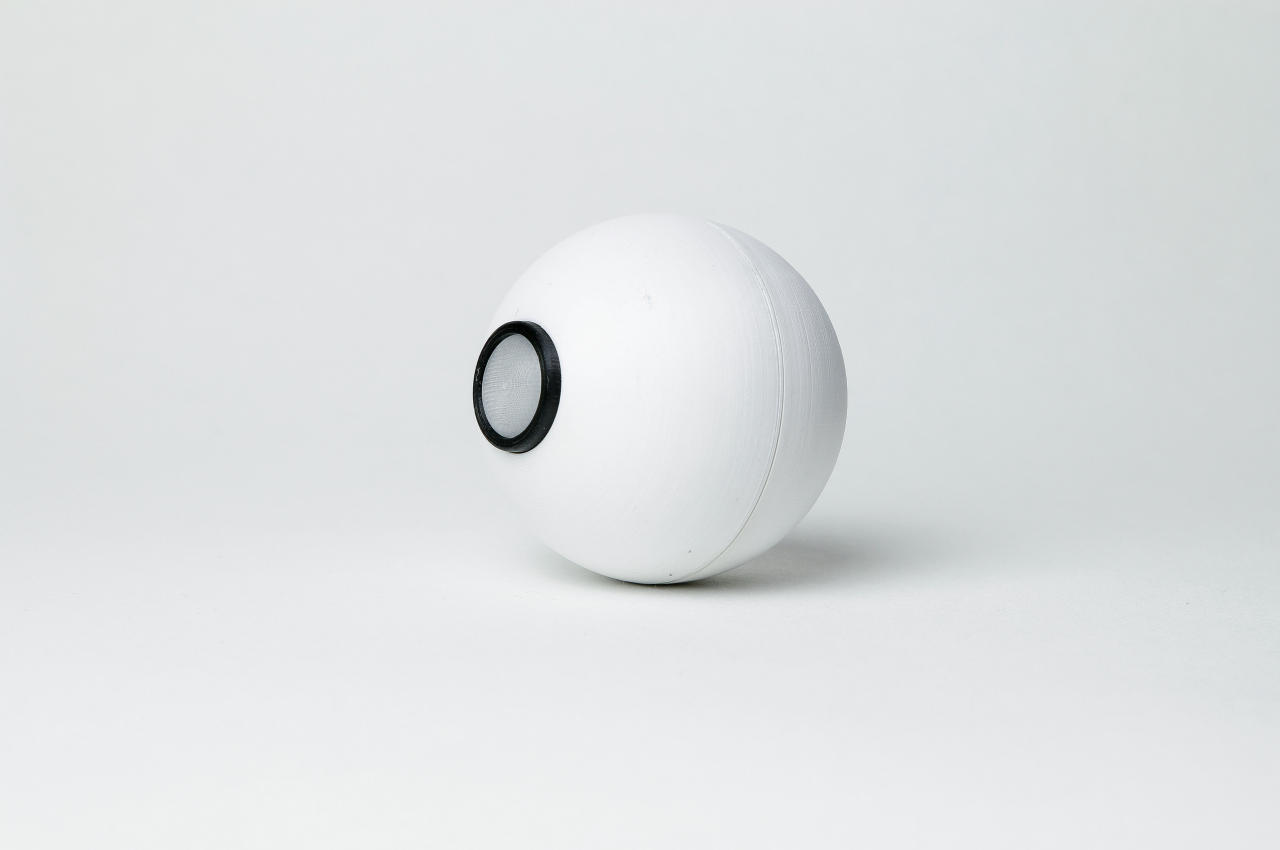
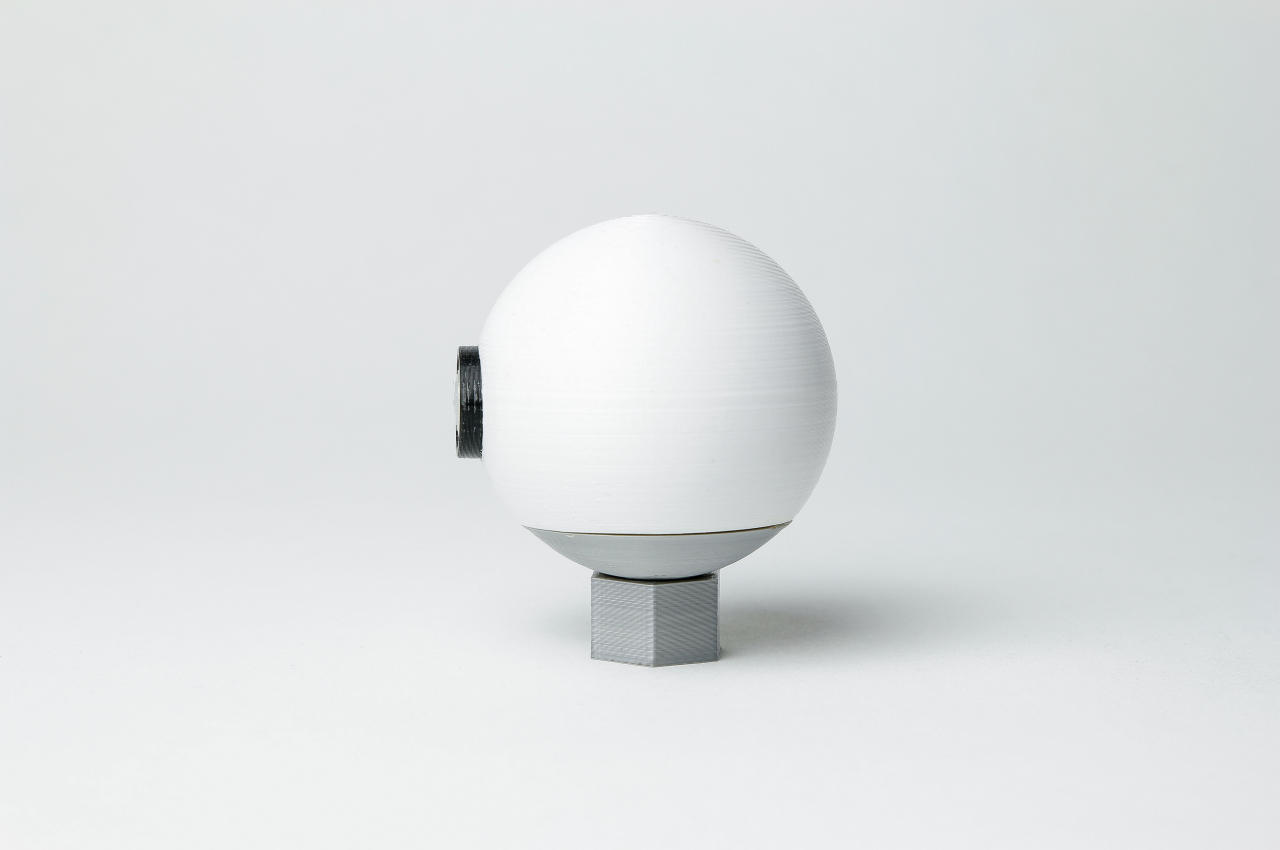
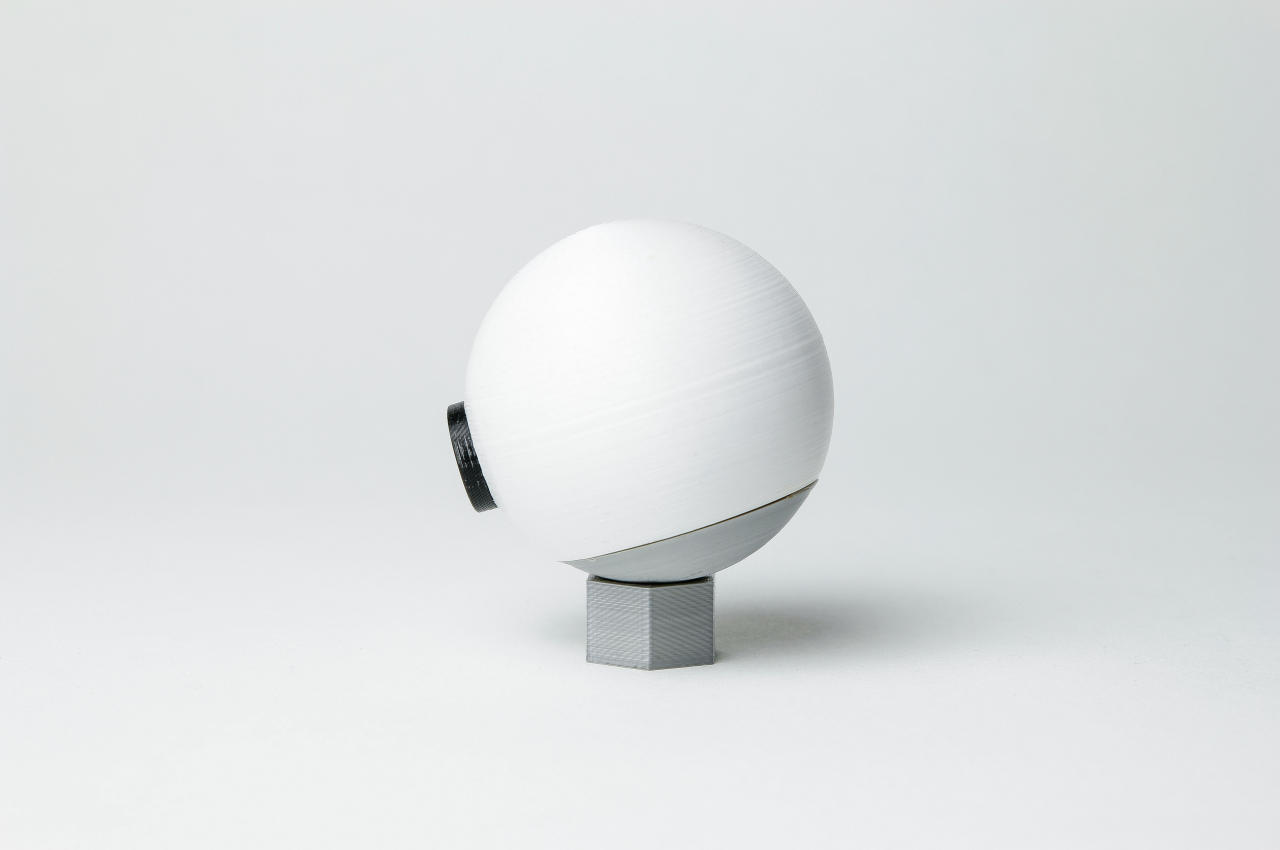
It’s almost ironic that the design of this indoor Wi-Fi camera is patterned after an eye. An eyeball is the best way to say “I see” and that’s why many connected camera companies deliberately design their products so they are discrete, discreet, and less intrusive. This camera idea is a bizarre design choice, especially when it comes to privacy.


The theme of the VISIO WiFi camera idea might not be privacy but rather “obviousness”. It is a camera, and it doesn’t disguise itself as anything else. You or your guests are unlikely to be caught unaware that there is an electronic eye that can see your every move within its field of vision.

It will be clear if the camera has been disconnected, rather than you having to guess it’s state. Smart cameras often have an on switch you only can toggle through an app. This makes it difficult to know if the camera is recording. Not all cameras have visible and unambiguous status indicators, so some owners might feel the need to just physically cover the camera when they want some privacy. That, however, might not stop it from still recording audio.

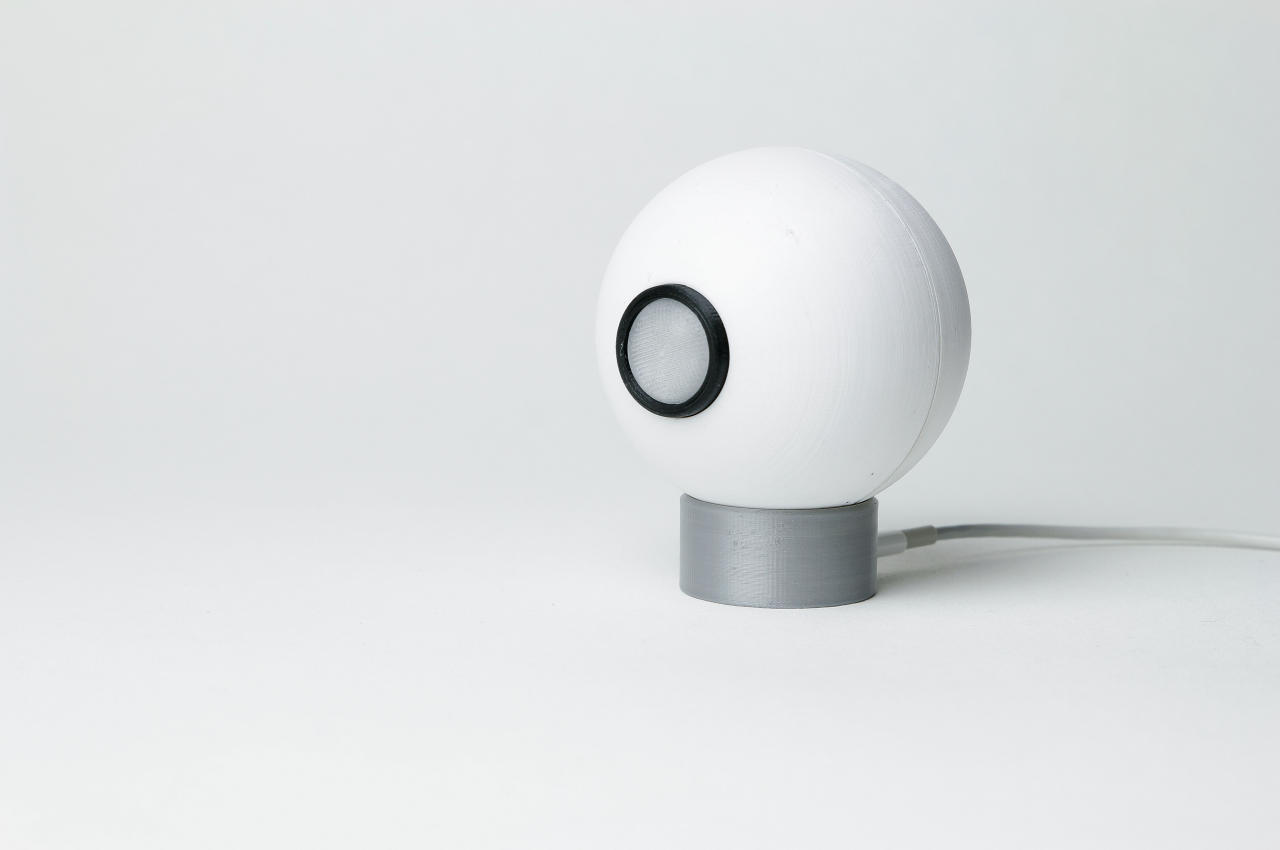
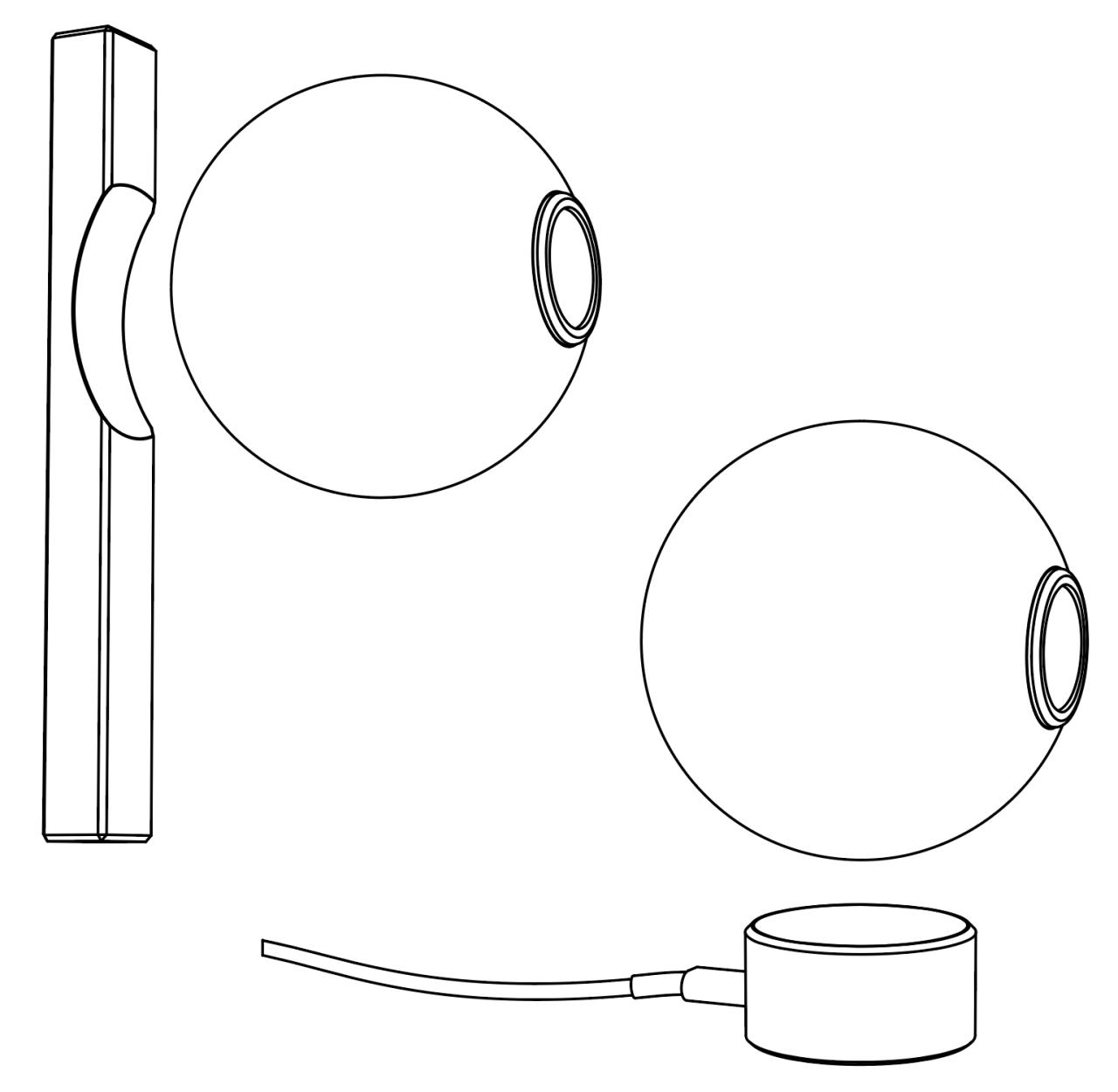
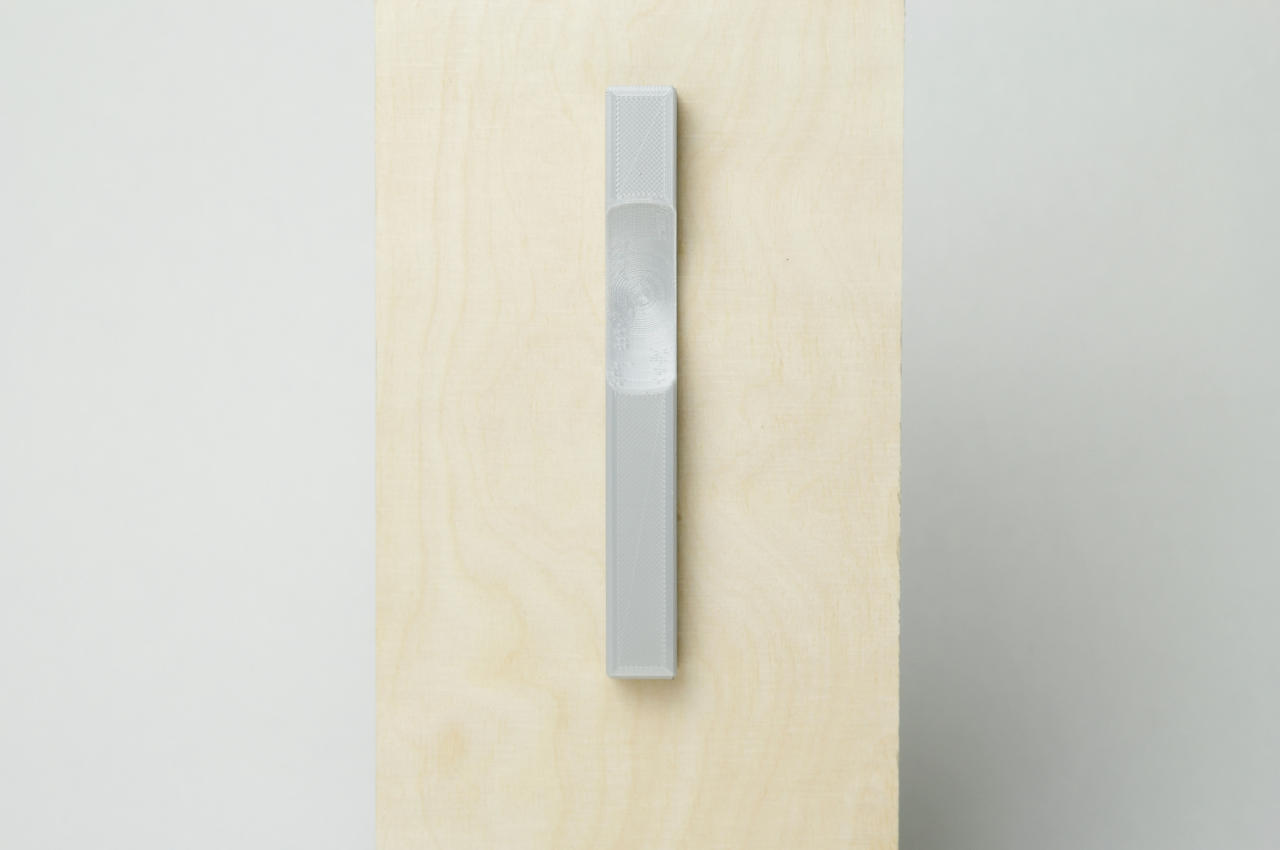
In contrast, the VISIO camera is completely disconnected when it isn’t connected to its base, which serves as its wireless power supply. Like any disembodied eye, this electronic optic won’t work unless it’s connected to something, though it would still have a small battery so that it could properly shut down when you remove it from its dock.

The VISIO compact Wi-Fi camera concept is genius in its simplicity. Easy to use and easy to distinguish, it takes a lot of guesswork and stress out of the equation of using a smart home camera. Privacy-focused, it is not “in your face”, and incorporates that privacy feature in its design. Unfortunately, this might be against the business interests of smart camera manufacturers, and is why it’s unlikely we will ever see something so simple like this smart eye.

https://www.yankodesign.com/images/design_news/2022/04/this-indoor-camera-concept-looks-like-a-literal-eyeball-watching-your-every-move/visio-camera-2.jpg

Etto dining table imagines how tech can be unobtrusively embedded in everyday things

Etto dining table imagines how tech can be unobtrusively embedded in everyday things

Minimalist furniture is often considered antithetical to hi-tech features, but this concept challenges those assumptions in a simple yet beautiful way.

There is no stopping smarter appliances and furniture from being made. Many lighting options today can connect to the Internet. Some wooden shelves and desks have wireless charging built in. The influx of technology in our homes can sometimes feel a bit too invasive and disruptive, especially if they tend to drive people apart, even when sharing the same physical space. Technology can sometimes also be too “in your face,” flexing its muscles and creating disharmony in people’s lives. Of course, it doesn’t have to be that way at all, and thoughtful product design offers the opportunities to upgrade what looks like simple, minimalist furniture without disrupting a family’s dynamics. It can be used by friends and family to help them build better relationships.

Designer: Dan Nigri


1

The dining table has always been traditionally associated with family bonding, at least before the era of television and smartphones. It is easy to see how many TV dramas and romcoms have their most pivotal or emotional scenes at the dining table. Things have changed drastically over the past years, especially when family members started paying more attention to their phones instead of each other, even when sitting around the same table. It’s only fitting, then, that this concept starts with a dining table to help repair the damage that technology has done in our lives.


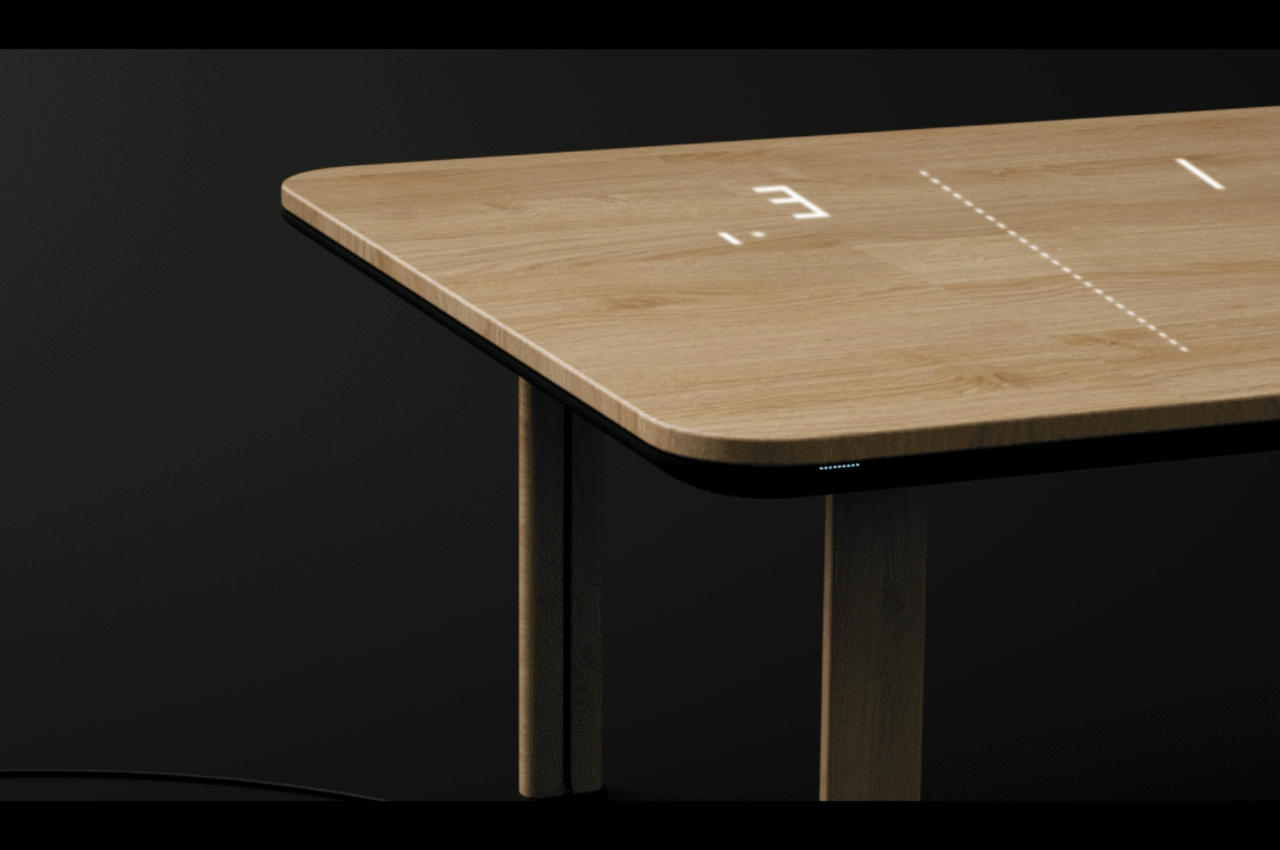
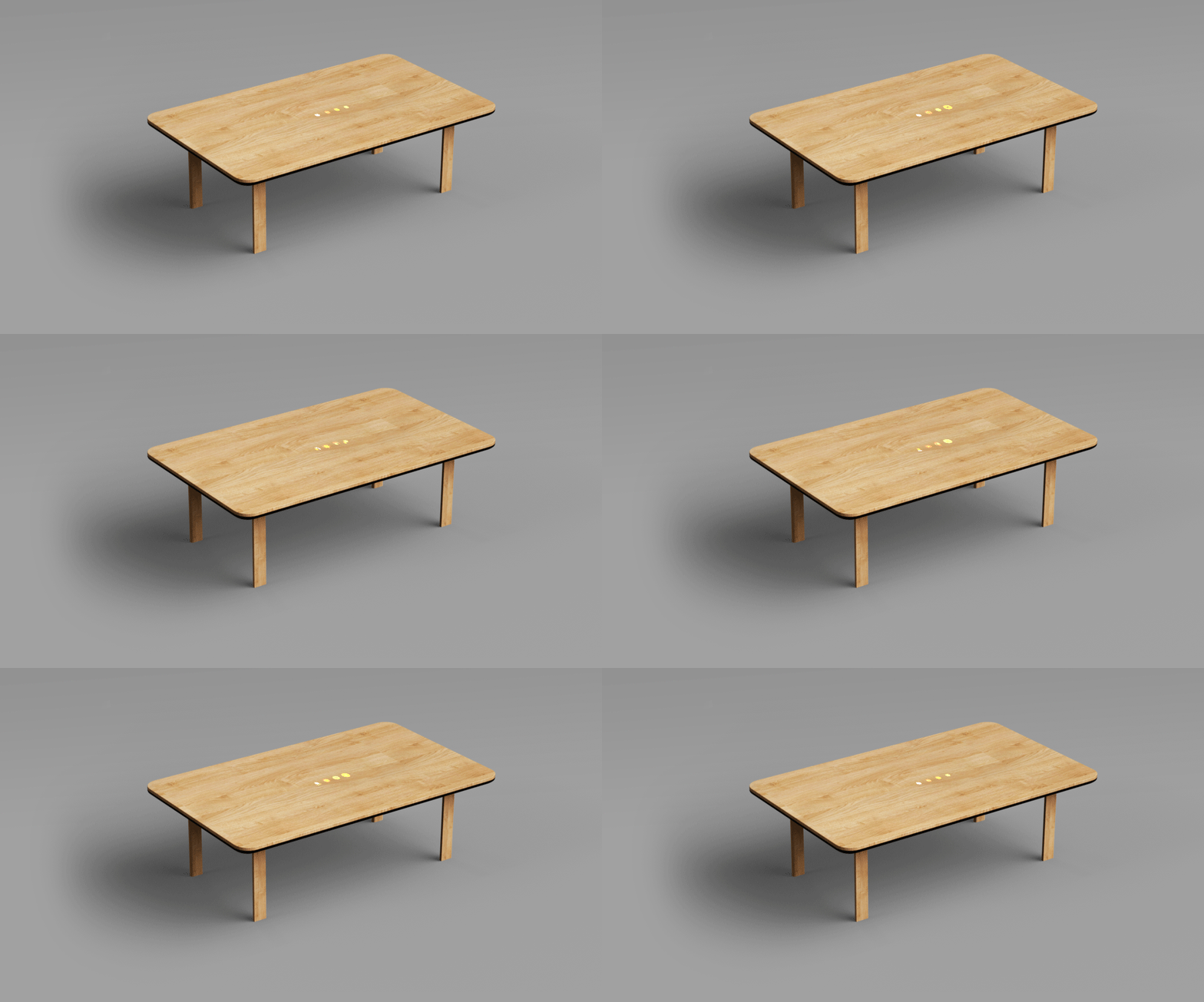
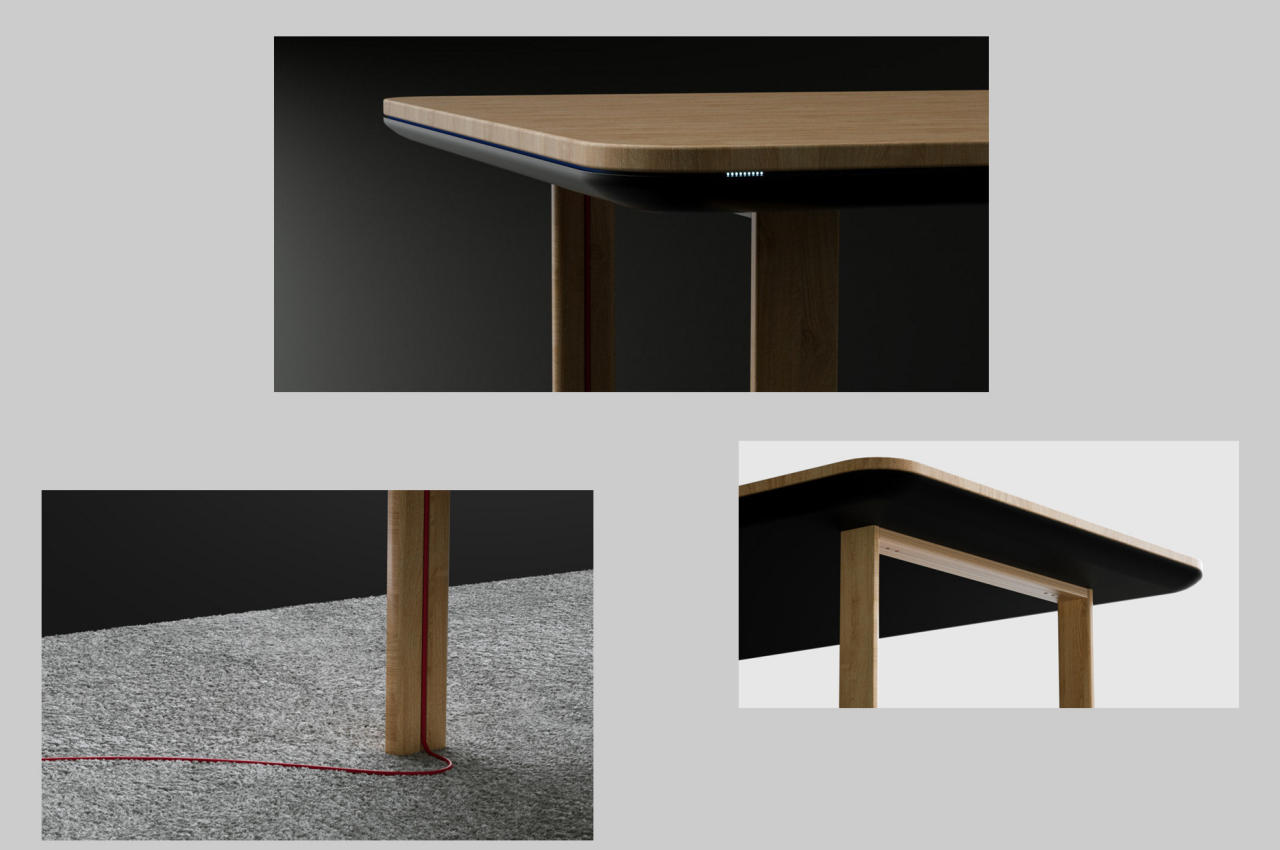
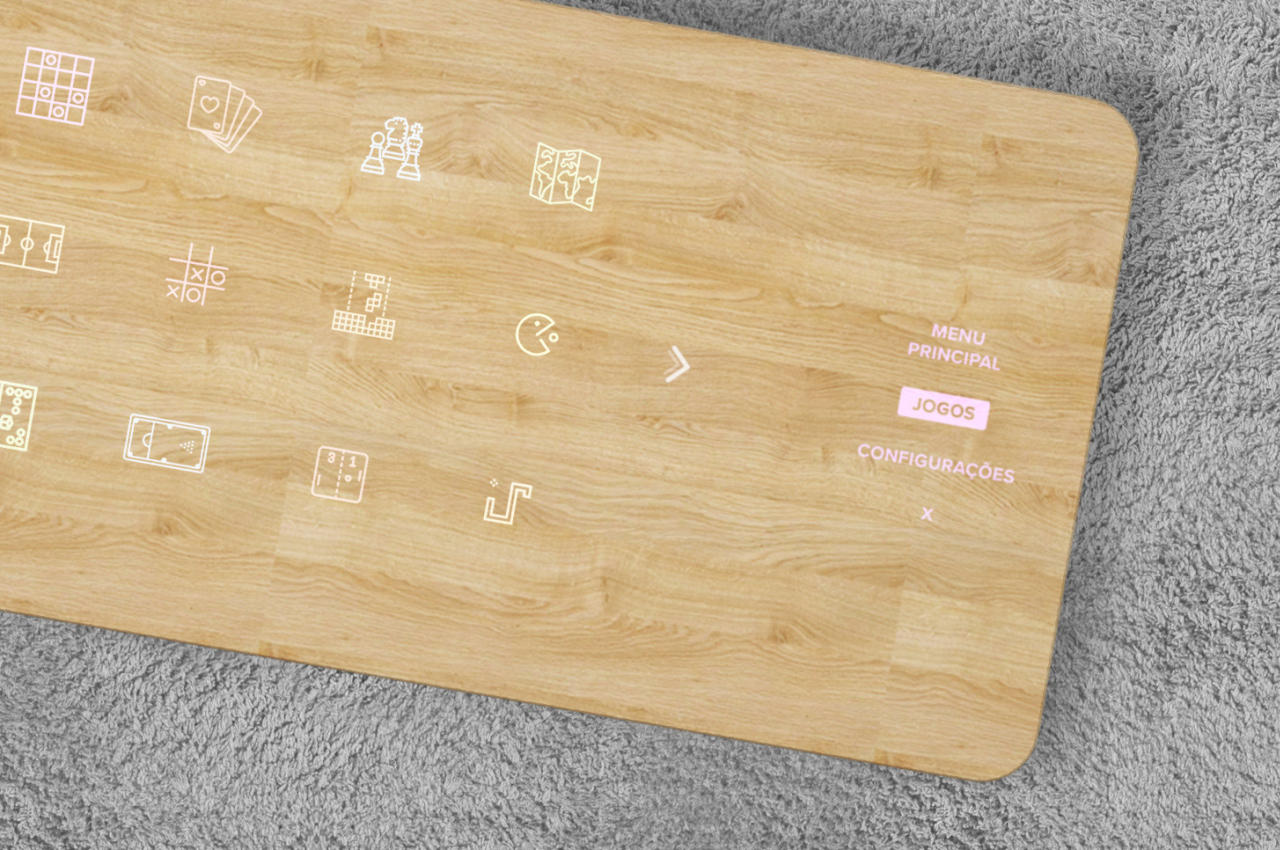
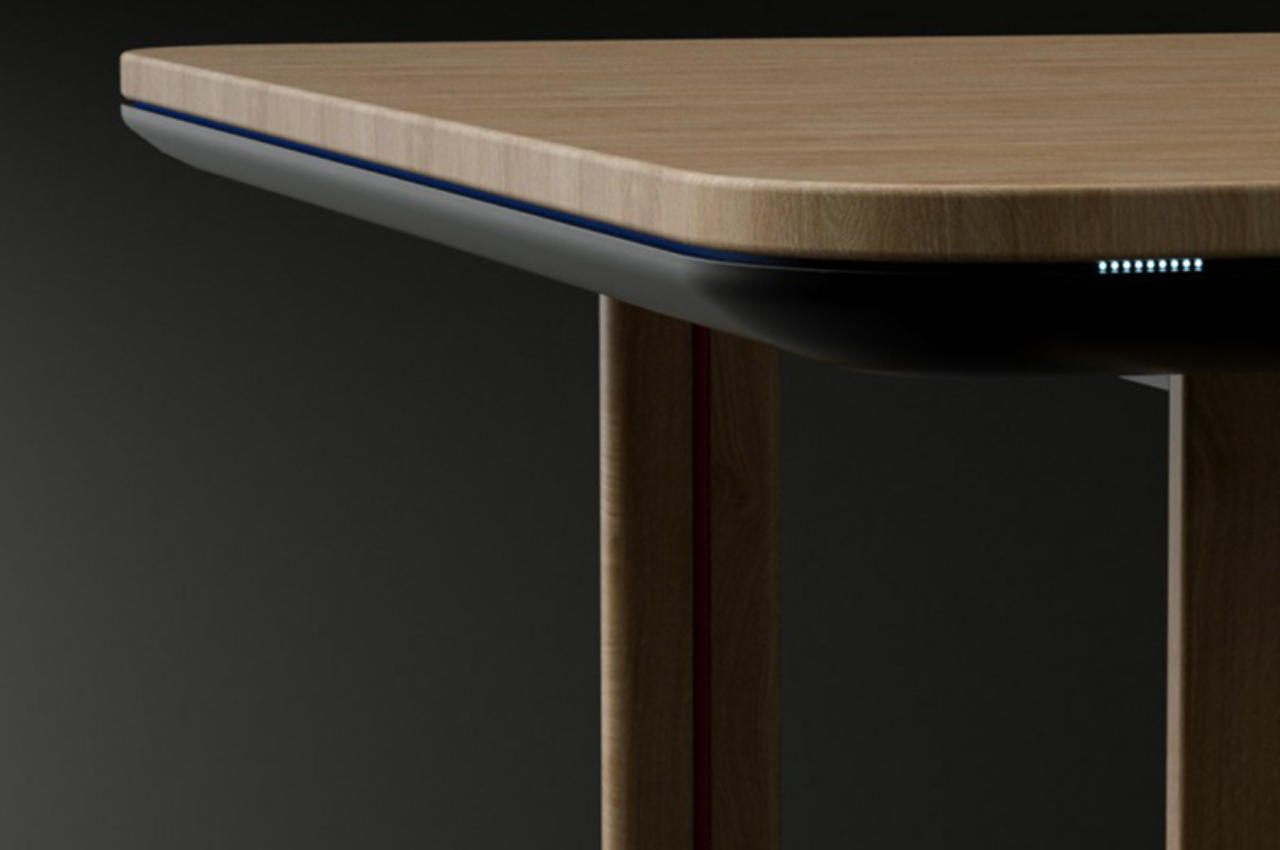
At first brush, Etto looks like a nondescript wooden table. Although it is minimalistic, we like its design. Things change, however, when you “turn on” the table and the surface starts to display icons and text. Underneath that wooden veneer is apparently a screen that you can also touch and play with. You can also assume it is connected to the Internet.

1

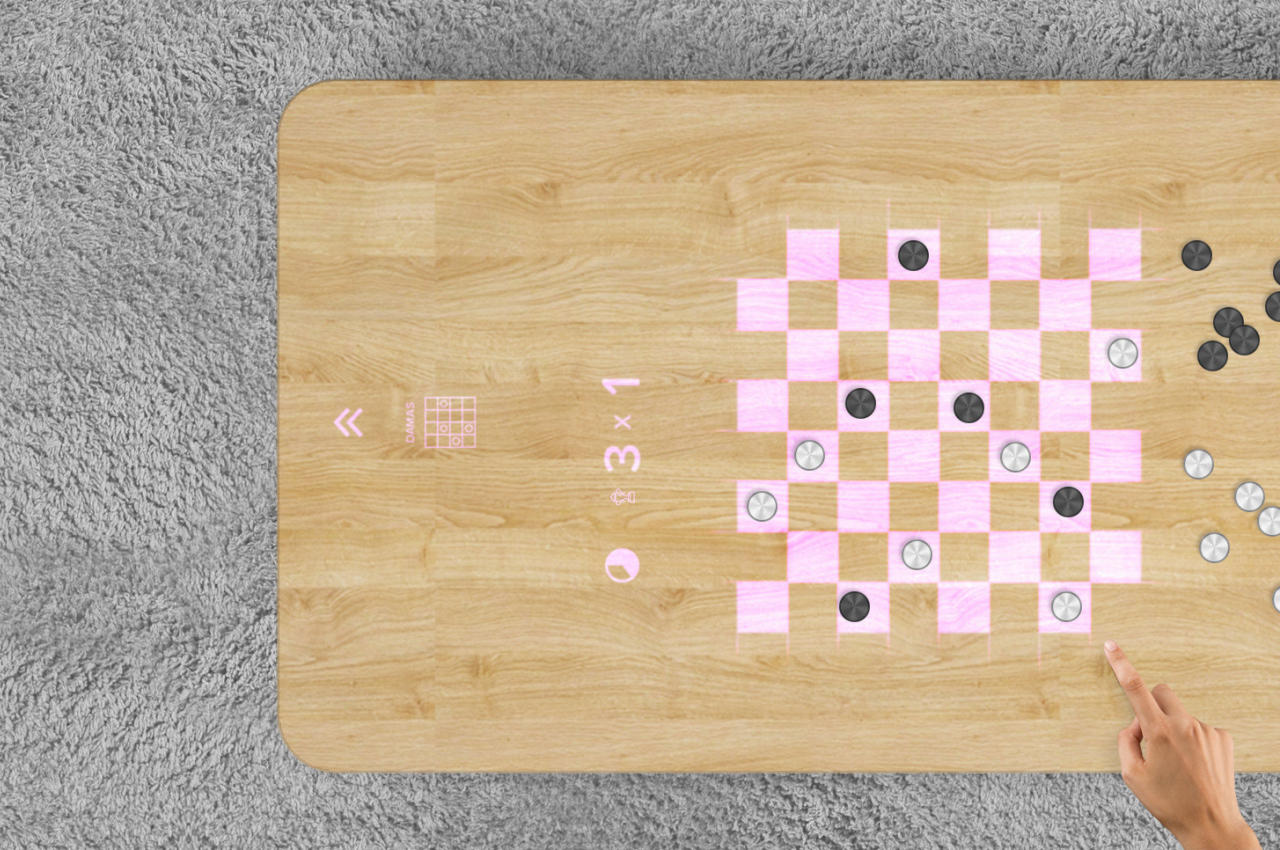
The motivation behind this concept design is to bring everyone back to the dining table again. In addition to eating together, the table encourages other social activities, particularly playing games. With a touch screen, however, Etto can really become a canvas for almost anything, like a calendar and project board for discussing the next family vacation or a leaderboard of chores that everyone has accomplished.

It isn’t a gigantic tablet, though, so there are still limits on what you can do on the table. It is limited to a monochrome display of white against the natural wooden surface of the table, and there don’t seem to be enough pixels to display hi-res images. These limitations are designed to be seamless with our daily lives, and not cause disruption or distraction.

Many of the technologies needed to make the Etto table happen already exist today, with touch screen panels hiding behind wooden planks. This is a much more enjoyable and easier way to see a future filled with information and touch screens at all points. You can have your cake and eat it too, and not be worried that it’ll come screaming at you for attention.

https://www.yankodesign.com/images/design_news/2022/04/etto-dining-table-imagines-how-tech-can-be-unobtrusively-embedded-in-everyday-things/etto-table-2.jpg

Our Xiaomi Redmi Note 11 Pro+ 5G video review is now out

Our Xiaomi Redmi Note 11 Pro+ 5G video review is now out

The Redmi Note 11 Pro+ 5G came out in China first, then it reached India as the Xiaomi 11i HyperCharge and went back to the Note 11 Pro+ 5G name for the global launch last week. So, keep that in mind, this isn’t the Redmi Note 11 Pro+ 5G that is sold in India (oh, Xiaomi…).


Xiaomi Redmi Note 11 Pro+ 5G

Xiaomi Redmi Note 11 Pro+ 5G

Now that we have that straight, here’s our video review of the phone, which complements the written review. The sizable camera bump on the back is home to the 108MP camera, a 120Hz 6. 67″ AMOLED display spans the front, while stereo speakers (tuned by JBL) adorn the sides, along with a 3. 5 mm headphone jack and an IR blaster. And all of them performed very well, but none of those are the most impressive feature on the phone

That honor goes to the 120W charger, watching it do its job is a sight to behold. The Boost mode finishes a full charge in 16 minutes. Disabling it goes easier on the battery, but is still wicked fast and gets to 100% in 22 minutes. You can see it in action in the video below:

PS. we also have a review of the Redmi Note 11 Pro+ 5G for India (including a video review) if that was the one you were looking for.

https://fdn.gsmarena.com/imgroot/news/22/04/redmi-note-11-proplus-5g-video-review/-952x498w6/gsmarena_000.jpg

Pikmin Bloom impressions after six months

Pikmin Bloom impressions after six months

I love Pikmin Bloom ., even though it is not entirely natural. My routine hasn’t changed in six months, even though it’s almost six months ago that Niantic’s companion app for walking launched. Each day I attempt to walk at least 30 minutes. The truth is, I fail to do so often. I sometimes earn far too many steps by driving with my phone in my pocket. I occasionally go out of town, and have to wait weeks for items I discover there to find their way back to me. But every day, multiple times a day, I check in. I feel like I’m accomplishing something.

I’m not. I’m making numbers go up. It’s a strange feeling. I don’t like the way it makes me feel.

There isn’t a lot to play here on a mechanical level. There are tasks that you have to accomplish, some of which require a bit more strategy. And there are ways to optimize your squad. It’s all about walking. Walking to plant seeds, walking to help them grow and then walking to get the food you need to feed them. In a typical game, this would lead to something. There are many different kinds of gameplay and stories that can be explored by growing more Pikmin. You can plant plants and battle mushrooms here, although it’s not difficult to do either. To build your team, you basically need to continue building it.

The Pikmin Bloom interface shows a player waiting to feed their Pikmin fruit

Image: Niantic/Nintendo

A big part of this, I think, is that Niantic has to make money. The more you can think about numbers, the more you will spend money to move those numbers faster. This is strange in a game that revolves around walking. However, it’s done with responsibility — you can’t keep key features from the game if you don’t pay. I haven’t spent (or felt like spending) one dollar.

Sans the usual challenges that I seek in games, I think that Pikmin ‘s appeal boils down to something pretty dull on paper: It’s satisfying when new technology works well.

Games on real-world maps may not be new, but it’s always fascinating to see yourself in both worlds simultaneously. Niantic’s technology has improved so that everything works seamlessly. In this case, you essentially play the role of a post office supervisor, and it remains fun sending Pikmin out and seeing them return, over and over. The app’s vibration feature is a great example of how the game can improve.

I also enjoy the passive collaboration. Unlike Pokemon Go and Ingress, Pikmin Bloom doesn’t feature competitive elements. I recall the developers of Journey talking at one point about removing features that would allow players to negatively impact each other online, and it feels like Niantic took a similar approach here. You can plant flowers alongside other players, and team up with other players to fight mushrooms faster, but the design limits you from doing anything that would ruin someone else’s experience.

It reminds me of Noby Noby Boy or Curiosity: What’s Inside the Cube? , in that you’re all working together towards a shared goal, though I suppose in the latter case that all kind of fell apart (and arguably wasn’t “shared” to begin with).

I wish that all the time I spend on this site was directing to something concrete. There are more than just things to buy. An end game. Yet, as I keep reminding myself, doing so would clash with the idea that this is a companion app for exercise as much, if not more, than it is a game. And perhaps more importantly, it would also, sadly, mean I’d have to stop playing.

https://cdn.vox-cdn.com/thumbor/Fq9J2KJz7_-kBfRXrucIauUSNVM=/76×0:1680×840/fit-in/1200×630/cdn.vox-cdn.com/uploads/chorus_asset/file/23377582/Pikmin_Bloom.jpeg

World of Warcraft finally wrapped up Sylvanas’ story — and it still doesn’t work

World of Warcraft finally wrapped up Sylvanas’ story — and it still doesn’t work

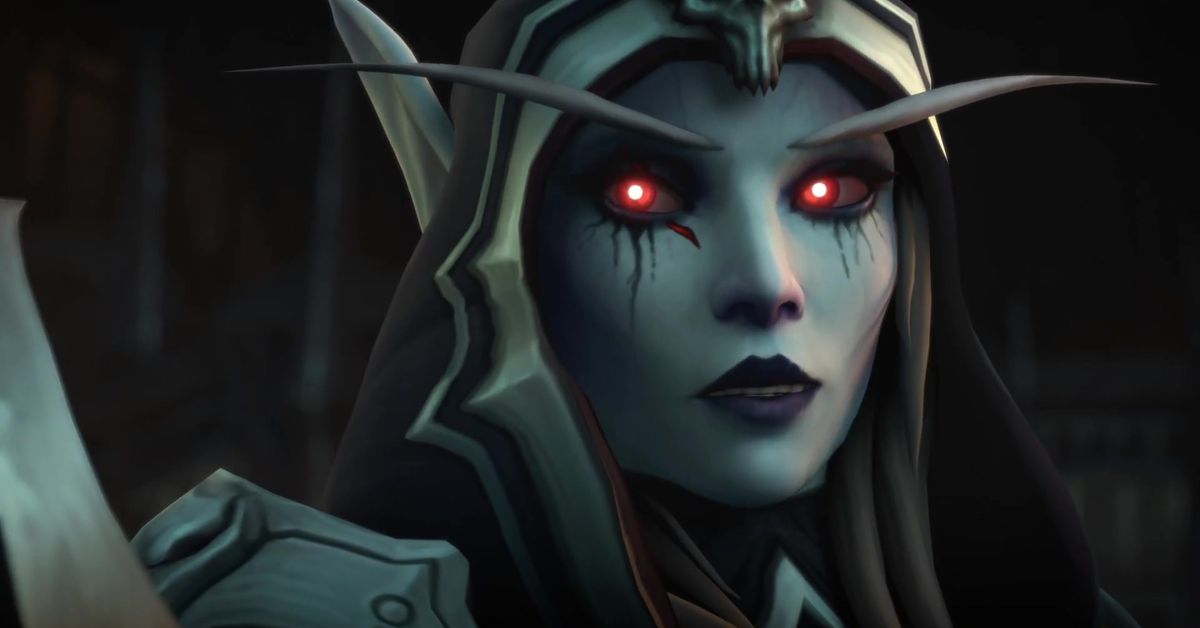
It’s over. The years-long, twisting, turning story of Sylvanas Windrunner that has dominated World of Warcraft‘s narrative has come to an end. The storyline, which began in 2018, is full of the most controversial decisions in Warcraft’s history — all centered around one of the franchise’s most popular characters.

Sylvanas Windrunner has become a kind of narrative black hole. Many of the good aspects of Battle for Azeroth and Shadowlands have been overshadowed by her increasingly convoluted and incoherent story. Up until the tale’s conclusion, Blizzard has told fans to “wait and see.” Now, with the release of the Sylvanas novel on March 29 and World of Warcraft‘s Patch 9. 2, Eternity’s End, we know the whole story start to finish – kind of – and we can finally do a post-mortem on how Sylvanas and her accumulated plans have pulled the Warcraft franchise so far off the beaten path.

How did things get so dang bad?

In 2018, with the launch of the Battle for Azeroth expansion, Horde Warchief Sylvanas Windrunner did something that has forever changed the Warcraft franchise: she committed genocide by burning down the Night Elf capital of Teldrassil, which is full of civilians that the Alliance cannot evacuate.

The game’s narrative said that she did it because of the war between the Alliance and Horde; she was attempting to defend her people with a pre-emptive strike. Sylvanas began the war by engaging in a series of horrifically evil war crimes. This was something that many Horde players hated. Why were they made complicit in the murder of civilians and torching their homes?

We wouldn’t find out for a while; in 2019, the Horde descended into Civil War and Sylvanas bounced. We got the most convincing explanation from players of Horde, who stayed loyal to her. She explained that she had a larger plan and nothing lasts .”

.

But then we got an explanation, kind of. Sylvanas was actually starting the war because, for some reason, everyone who dies is having their soul funneled to the worst possible hell in order to fuel the Jailer. Why? Who is the Jailer? Why does he need all of these souls? What theological issues such as fragmented souls and double death or automated Maw delivery are?

It took until 2020, after the Shadowlands launch and a campaign update, to get a big picture explanation. And in 2022, with the release of the Sylvanas novel, we’re finally getting all the small questions answered, too. The drip feed of content is suboptimal for any story, but especially for one that feels so flawed; players sat for months with serious questions about the fundamental integrity of the setting and the characters in it.

So who even is Sylvanas at this point, and why are players so devastated at what they perceive as an assassination of her character?

Back to the beginning

Sylvanas first appeared in Warcraft 3, which was released in 2002. This is an amazing legacy character. She’s been around for over two decades. She is a high elf ranger protecting the kingdom of Quel’Thalas, when the death knight and fallen prince Arthas comes to knock on the kingdom’s doors with an army of undead. Sylvanas fights valiantly to save her people. But Arthas comes knocking with an army of undead and the death knight Arthas. He kills Sylvanas, raises her up as a banshee and uses her as his weapon against the high-elves. This is a very sympathetic beginning for the character. Fans instantly connect with her after she’s made a banshee, as well as a slave.

It’s an unimaginable trauma that Sylvanas endures. Her body is reclaimed by her, she haunts it and makes her kingdom from the undead Forsaken (rotting survivors of Arthas’ wars). The Forsaken are hated and feared, but they are also free. Whether they use that freedom for good, like aiding their newfound allies in the Horde, or evil, like creating a plague that destroys the living and Arthas’s undead armies alike – is up to them.

That was the status quo up until 2008’s World of Warcraft expansion Wrath of the Lich King, where Arthas served as the main antagonist. Sylvanas is not allowed to attack Arthas directly. Instead, Horde and Alliance join forces at the middle of expansion for an assault against the Lich King’s Wrathgate. A sect of Forsaken betrays everyone and bombs the entire battle with blight, nearly killing Arthas – but decimating the friendly troops as well. Sylvanas seizes her capital, exterminates the traitors and serves as a support for the remainder of the war.

These are the facts that Sylvanas agree on. The rest is unclear, either because of fan disagreements or because of continual retcons from Blizzard. Making matters significantly more complicated is that Sylvanas’ writer post-Wrath of the Lich King was Alex Afrasiabi, a developer who was alleged to have been “engage[d] in blatant sexual harassment with little to no repercussions,” according to a statement given to Kotaku. Afrasiabi was fired in the summer of 2020.

Then, things get even messier

Sylvanas has many admirers as a hero and an empowering leader. She survived a genocide against her own people. Arthas’ murder of her, and his imprisonment of her body and spirit alike, reads for some as a rape metaphor. Yet, she unites a group of traumatized individuals under one banner to make them stronger.

The short story Edge of Night by Dave Kosak, published in 2011, explores Sylvanas’ emotions after Arthas is dead. It also starts her new character arc; now that the Lich King is dead, she needs a new primary motivator.

At first she didn’t care about the fate of the world, or any individual in it. She has her vengeance; she’s achieved her goal. She can now rest. And so, Sylvanas goes to Icecrown Citadel and commits suicide. After she succeeds initially, Sylvanas is brought back to a terrifying realm of eternal torment by the ghostly Val’kyr. These winged maidens transport souls and bring the dead into the afterlife. She starts her new lease on unlife with two motivating goals: one, stay alive at all costs and avoid the super hell where her soul ended up. Protect the Forsaken.

This post-Arthas Sylvanas, a morally dubious character who does bad things for a “good” reason like the defense of her people, continued on until 2018. This was the character fans understood throughout Cataclysm, Mists of Pandaria, Warlords of Draenor, and Legion.

At the start of Legion, Sylvanas is made Warchief after the sudden death of her predecessor. She goes from a shadowy manipulator to a front-facing leader, which doesn’t truly pay off until the end of the events of Legion. The next expansion, Battle for Azeroth, spun that character on its head and took us through a merry four-year dance through the current story.

Things quickly went off the tracks. Sylvanas started a war against the Alliance, committed genocide against the Night Elves, had her troops burn down Kul Tiran settlements and murder the inhabitants, imprisoned her political enemies and had them tortured, inspired a civil war, declared the Horde to be “nothing” to her, and then peaced out to the lands of death to complete her real plan. She then proceeded to kidnap the High King of the Alliance and mind-control him to be the Jailer’s slave. (Why this new allegiance to the Jailer? Again, the story took months between cutscenes to really explain.) She became a direct parallel to Arthas in every sense; the story even acknowledges this later on.

Sylvanas eventually realizes that she cannot trust the Jailer. This was obvious to all, even though he only said a few lines like “Death is for the souls of your world” and “You can’t stop Death!”

Sylvanas eventually betrays him, and he restores a fragment of her soul that was torn out when Frostmourne killed her – her soul being fractured at all was news to fans, let alone it being so integral to her story. After we stopped the Jailer, Sylvanas was faced with the punishment of having to roam the Maw, a realm of eternal torment, saving the souls she committed to its depths. It’s not the worst ending possible, but the path leading up to it was so rocky that it stains the entire character.

Where the final novel leaves us

Sylvanas by Christie Golden, published March 2022, does its best to create a coherent story out of this mess. There are times where it’s genuinely quite enjoyable to read. It feels more like a narrative told to its own ends than a coherent story.

The book starts back when Sylvanas was just a child, and it follows her growth into the Ranger-General of Quel’Thalas. It details her death, the torment she faced at the hands of Arthas, and the long journey she took on the road for revenge. This book provides a good overview of Sylvanas’ thoughts and relationships, as well as the context in which they occur. There are some great scenes, but the entire book shares the same flaw — it’s forced to retroactively change how people viewed Sylvanas and her actions. Her entire life story is now repurposed to explain why she did a whole lot of war crimes and genocide.

When the Jailer shows up in Sylvanas, he speaks more on one page than he has in his entire time onscreen in the game. We learn that he met Sylvanas back during the events of Edge of Night — it just never came up in the short story, at the time, or at any point in the decade since. His Val’kyr and the Jailer show Sylvanas many afterlives. They create a story that shows how death can be cruel and unfair and divides families. In Shadowlands, we occasionally meet people in life who reunite after death; the Jailer is portrayed as a crafty liar for only showing Sylvanas the afterlives that confirm her worst fears.

We also learn that Sylvanas’ brother, who had been a footnote in the lore, was actually crucial to her character and her current motivations.

During the launch of Shadowlands, Sylvanas kidnapped the High King of the Alliance, Anduin Wrynn, and her sympathy for him is the eventual key that leads her to betray the Jailer. Is it because she and Anduin somehow share a special bond? It’s a kind of — actually, Sylvanas is able to see Anduin, her brother who she did not save from death and war. This bond doesn’t feel justified or earned and it reads more like the deus ex machinea writers required to make the story work. The novel brought her brother forward as its explanation for why she did all of this.

Sylvanas is the attempt to create a compromise out of the trainwreck of her storyline, and while it somewhat succeeds at points, it never should have been necessary. Her story has spiraled out of control over the last four years, and the convoluted tale has nearly brought the entire narrative down with it. The next expansions in the Warcraft franchise will need to reckon with this damage if there’s any chance of ever undoing it.


https://cdn.vox-cdn.com/thumbor/W0gv9YfHjpTz7HUhJaSKaM9asG0=/0x38:1920×1043/fit-in/1200×630/cdn.vox-cdn.com/uploads/chorus_asset/file/22213474/shadowlands__story_trailer_119.jpg

Kingdom Hearts 4 announced, watch the first trailer for Sora’s new arc

Kingdom Hearts 4 announced, watch the first trailer for Sora’s new arc

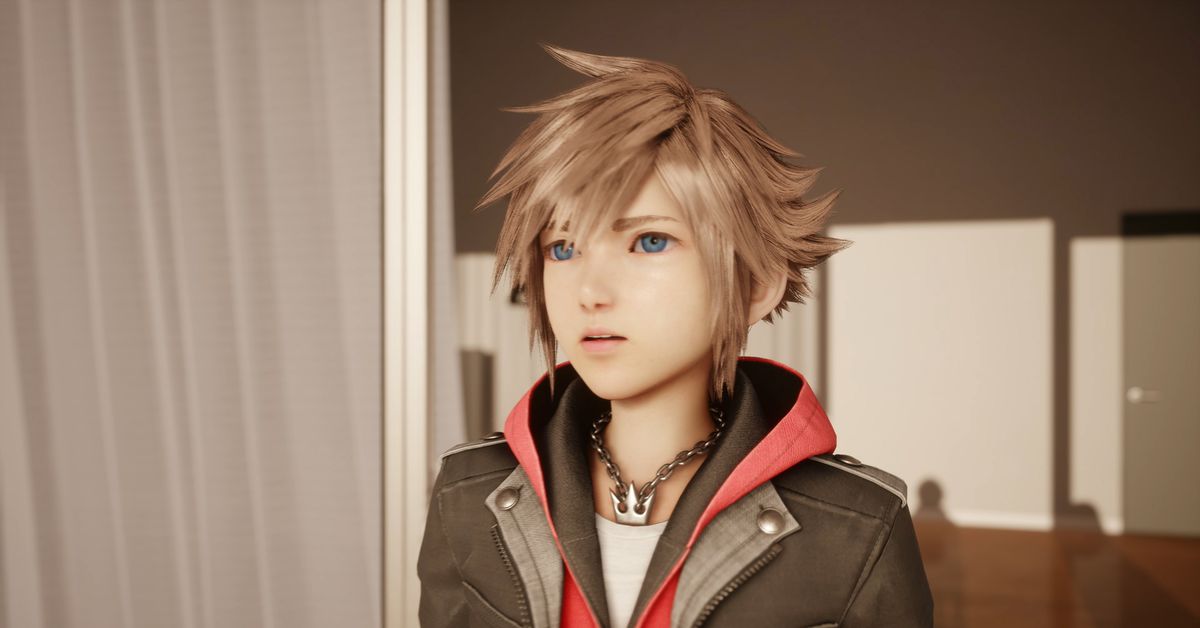
The next mainline Kingdom Hearts game, Kingdom Hearts 4, is now in development, Square Enix announced Sunday during a 20th anniversary livestream for the franchise. A new trailer for Kingdom Hearts 4 confirms the return of Sora, Donald, and Goofy for a brand-new adventure, and what Square Enix calls “an epic new storyline” named the Lost Master Arc.

Kingdom Hearts 4‘s first trailer introduces the Quadratum, which, while looking a lot like Tokyo, is described by Square Enix as an “expansive city set in a gorgeous, realistic world unlike anything ever seen before in the Kingdom Hearts series.” The trailer also introduces Kingdom Hearts fans to Strelitzia, a new character.

Square Enix did not announce a release date or platforms for Kingdom Hearts 4.

First screenshots of the new Kingdom Hearts are in the gallery below.


Square Enix announced another game, Kingdom Hearts missing link , which is in development and available for Android as well as iOS. The mobile game features adventures set in the world of Scala ad Caelum from Kingdom Hearts 3 and battles against the Heartless. Kingdom Hearts Missing Link will feature a new, original story, Square Enix says, but will almost assuredly tie into the story of Kingdom Hearts 4. Kingdom Hearts Missing Link does not have a release date, but a closed beta test for the game is scheduled for 2022.

Kingdom Hearts 3 was released in 2019 for PlayStation 4 and Xbox One, and later came to Windows PC in 2021 and Nintendo Switch earlier this year. The third main game in the franchise attempted to tie up years of complex storylines from multiple spinoffs and side stories, featuring protagonists Sora, Riku, and Kairi, and the dozens of Disney characters they’ve fought against and alongside over the past two decades.

In Square Enix’s announcement for Kingdom Hearts 4, series brand manager Ichiro Hazama said, “We’d like to thank the fans for all of their support over the years, and we can’t wait for them to experience all that’s to come for Sora.”

” “This glimpse into Sora’s next adventure is just the beginning — we can’t wait to show more when it comes to,” said Nana Gadd (director at Walt Disney Games). This glimpse at Sora’s next adventure is only the beginning .”

We can’t wait to share more.

https://cdn.vox-cdn.com/thumbor/LE-kHifHDg7i6kvk6bz9xmFBtVM=/0x0:1920×1005/fit-in/1200×630/cdn.vox-cdn.com/uploads/chorus_asset/file/23379867/KH4_01_legal.jpg
Categories
Uncategorized Uncategorized Uncategorized Uncategorized Uncategorized Uncategorized Uncategorized Uncategorized Uncategorized

Huawei MatePad Paper in for review

Huawei MatePad Paper in for review

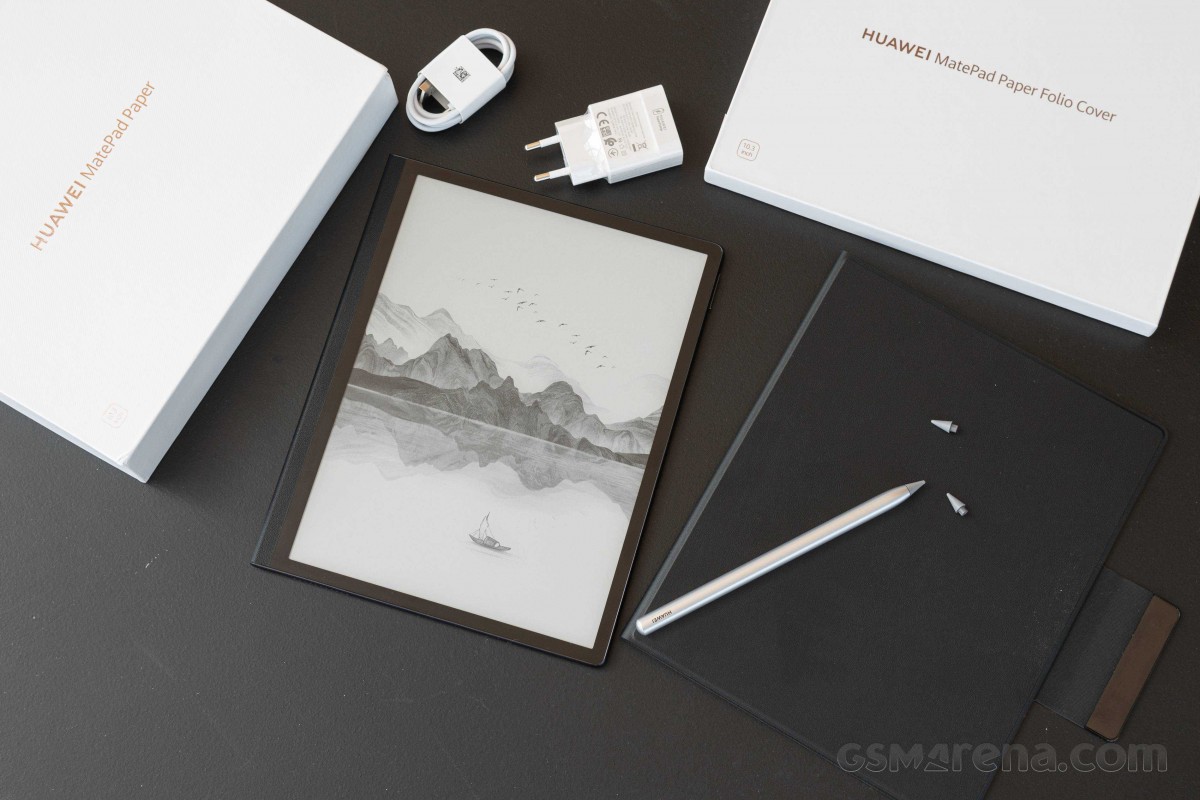
Huawei presented the MatePad Paper during MWC 2022,, making it one of our most unusual tablets yet. It features an eink display and was unorthodox. Now that unusual device is finally in our office and we are about to start its review. Here are some initial impressions.

Huawei MatePad Paper in for review

The MatePad Paper ships with a folio cover, and Huawei provided an M Pencil in the retail package as well. They all snap together neatly, thanks to the magic of magnets.

The e-ink display is rather big – 10. 3″ in diagonal. It has an unusual off-center positioning, with a thicker bezel on the left side enabling easier holding. It feels very light, making it ideal for long reading sessions.

Huawei MatePad Paper in for review

The software is HarmonyOS 2.0, and it is unlike any other tablet or e-reader we’ve seen. The home screen looks rudimentary, but you do have AppGallery, so we will be testing just how the tablet handles Android apps.

Technically, any app can run on the Kirin 820-powered MatePad Paper, but we have to check if the experience is worth it.

Huawei MatePad Paper in for review

We are also interested in how helpful the M Pencil is on screens with such low response times.

We are already working on a review so keep checking back for any questions!

https://fdn.gsmarena.com/imgroot/news/22/04/huawei-matepad-paper-in-for-review/-952x498w6/gsmarena_001.jpg

Thermostat-embedded clothes can regulate their temperature to make you feel warm in the winters

Thermostat-embedded clothes can regulate their temperature to make you feel warm in the winters

We have advanced heating systems for our cars and homes, but now they are available in our clothing. Meet the Quanta Vici, a collection of smart winter-wear that actually heats up to the exact temperature you choose!

Quanta Vici has expanded its smart heated clothing collection to include jackets and vests that are made with the smart-fabric. Smart fabric is thin, breathable, and can be heated up to your preferred temperature. This will keep you warm even in snowy conditions. To top it all off, Quanta Vici’s collection now also comes in vegan leather and recycled, vegan-friendly materials, making the apparel line both smart and 100% cruelty-free.

Designer Adrien Beyk, Quanta Vici

Click Here to Buy Now: $189 $410 (54% off). Hurry, only 2/32 left!

Warm winter clothes are merely designed to capture and trap body heat… not generate heat. Quanta Vici’s smart thermal-wear, on the other hand, has the ability to warm you up to a toasty 130degF, with an app that lets you adjust the temperature to your liking. Quanta Vici allows you to adjust your car or home’s temperature from within the comfort of your clothing. With a range spanning touchscreen-friendly gloves, a full-body jacket, and a sleeveless jacket/vest, Quanta Vici’s smart thermal clothes are app-controlled and give you the ability to not just regulate the temperature but also select specific zones to heat up. These clothes are equipped with removable battery packs, which have a life span of more than two days and can be charged via USB-C .

.

This unique smart heating feature sets the Quanta Vici apart from regular winter-wear. While the traditional way of ‘warming up’ was to just wear more layers, Quanta Vici’s clothes let you just select a temperature of your choice from an app, and the clothes do the rest. The gloves, made of vegan leather and featuring touchscreen-friendly tips are equipped with a small, removable battery. This allows for smart-clothes to be powered from the wrist. The company’s now even added jackets to the mix, in both sleeved and sleeveless options.

The sleeveless Smart Vest comes in masculine and feminine styles with an abundance of pockets, is designed to be entirely weather and waterproof, has a gold-insulated inner lining, and gives you the choice of heating the front and/or the back of your torso. Full-sleeve jackets are available in both masculine and female styles. The outer material is made from recycled polyester. The jacket features 6 hidden travel-ready pockets, and has the same heat-zone selection ability as its sleeveless counterpart. The jackets, which can both be worn sleeveless or sleeveless, are made of recycled polyester and can be washed after removing the battery pack.

Quanta Vici’s latest range has a distinctive quality: it incorporates sustainability in smart fashion. Both jackets and gloves now have vegan-friendly outer material that looks and feels luxurious. Then, the inner PrimaLoft fiber layer is made of post-consumer recycled polypropylene plastic. This allows heat to naturally trapped. The material used in Quanta Vici’s zippers are recycled too, and the garments are all designed in a way that makes them easy to upcycle after their life is over.

Quanta Vici’s latest line, which is exclusively limited to Kickstarter for now, starts off at $149 with a base range, which features the app-based heating capabilities, but also includes a ‘smart’ range starting at $179, which includes a built-in thermostat that regulates the heating to maintain the temperature you set on the app. The smart-apparel lets you choose between 4 sizes and ships with a 1-year guarantee.

Click Here to Buy Now: $189 $410 (54% off). Hurry, only 2/32 left!

https://www.yankodesign.com/images/design_news/2022/04/smart_heated_leather_gloves_with_precision_heating_hero.jpg

Weekly poll results: Redmi Note 11 Pro+ 5G is poised for success, its siblings headed for oblivion

Weekly poll results: Redmi Note 11 Pro+ 5G is poised for success, its siblings headed for oblivion

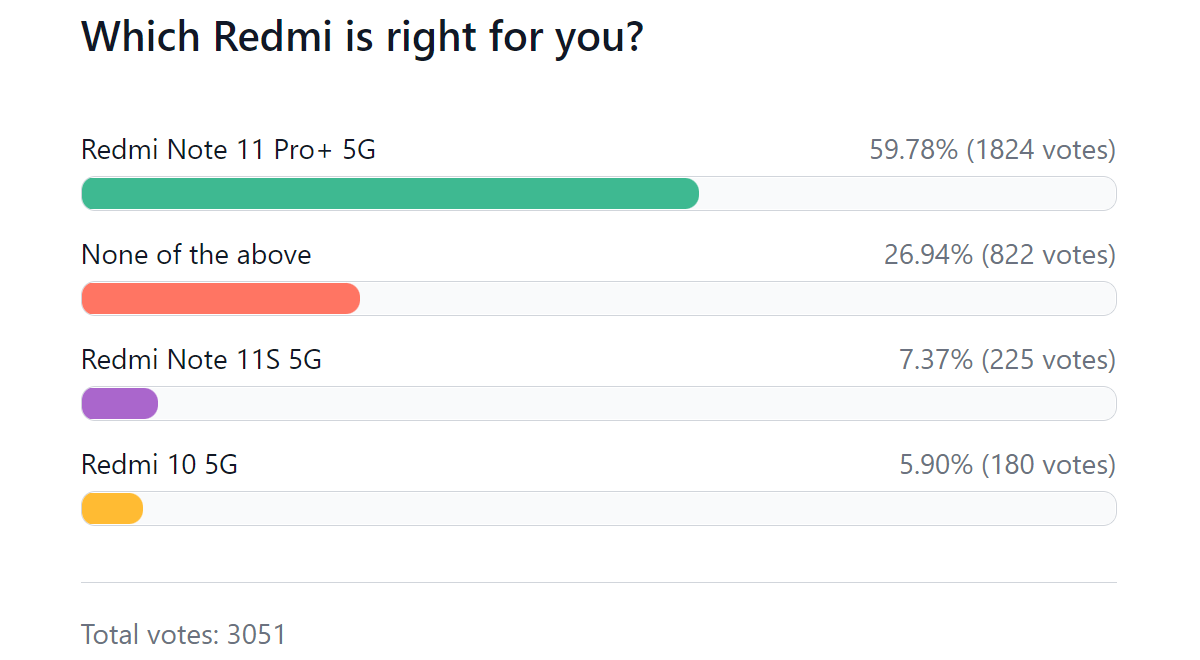
Xiaomi did the right thing by expanding the availability of the Redmi Note 11 Pro+ 5G. The phone was previously available in China and in India (under the name Xiaomi 11i HyperCharge 5G), now the phone is reaching for a wider audience.

It will be a big hit, according to the results of last week’s survey. Nearly two-thirds of votes were for it, with most positive votes. We’ll just say the Redmis’ other Redmis did not fare nearly as well.

Xiaomi includes the powerful 120W charger in the retail package, the phone has a microSD slot and a 3. 5 mm headphone jack. This is a popular choice among phones without such features. The 120 Hz 6. 67″ Super AMOLED display also helps, as does the 108 MP main camera. Not everyone in the comments was a fan of the Dimensity 920 chipset, but it doesn’t seem like a deal-breaker either.

At a staring price of $370, the Redmi Note 11 Pro+ 5G is competitively priced and is a one to keep an eye on if you’re in the market for a mid-ranger.


Redmi Note 11 Pro+ 5G
Redmi Note 11S 5G
Redmi 10 5G

Redmi Note 11 Pro+ 5G * Redmi Note 11S 5G * Redmi 10 5G

The Redmi Note 11S 5G misses the mark. The 4G version was highly unpopular in an earlier poll and gaining 5G didn’t help fix that. A lesser display (60 Hz 6. 6″ IPS LCD vs. 90 Hz 6. 43″ AMOLED) and camera (50 MP vs. 108 MP) make this one to skip.

The Note 11S 5G is a rebranded Poco M4 Pro 5G and when we asked about that one, our readers made it clear that the price will make or break the phone. $250 is too much, apparently, so Xiaomi needs to go back to the drawing board.

Finally, the Redmi 10 5G found itself at the bottom of the poll. This $200 phone might find some success among undiscerning buyers who just want a 5G phone on the cheap. With a bit of research you can find the phone that makes your life easier.

Weekly poll results: Redmi Note 11 Pro+ 5G is poised for success, its siblings headed for oblivion

https://fdn.gsmarena.com/imgroot/news/22/04/weekly-poll-results-redmi-note11proplus5g-redmi-note-11s-redmi105g/-952x498w6/gsmarena_000.jpg