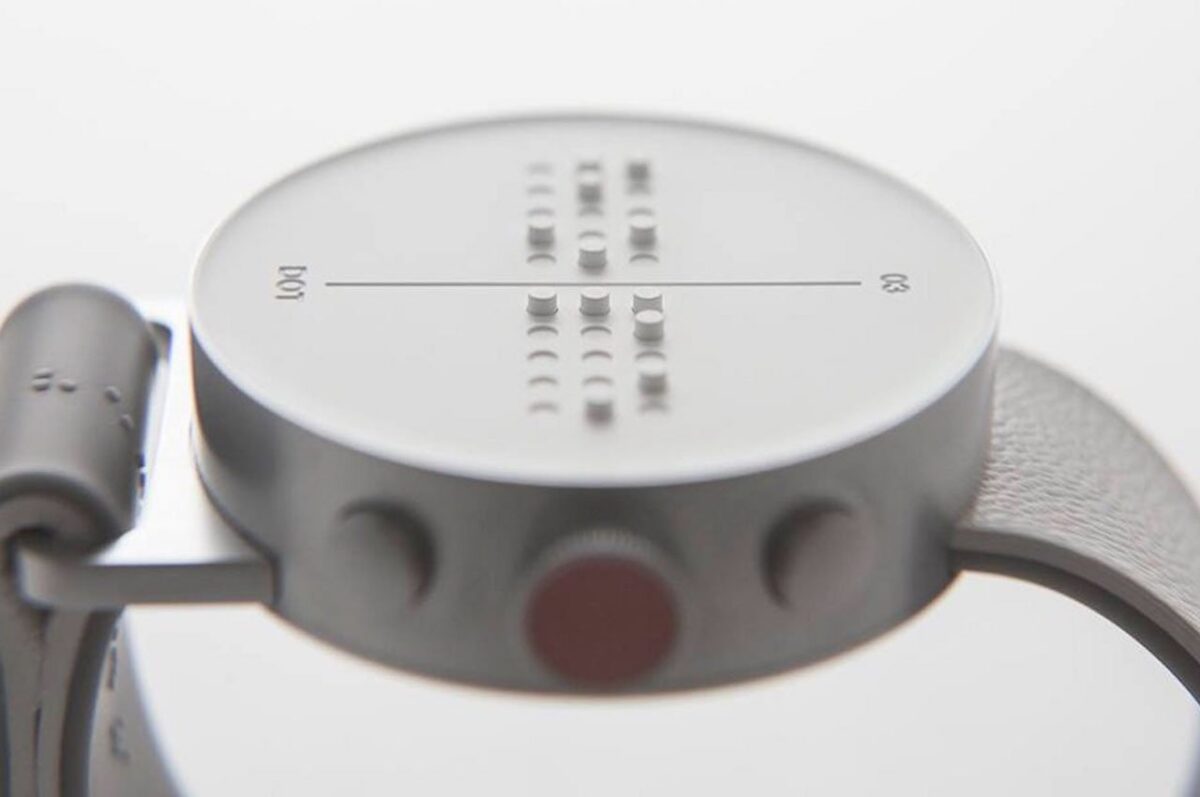
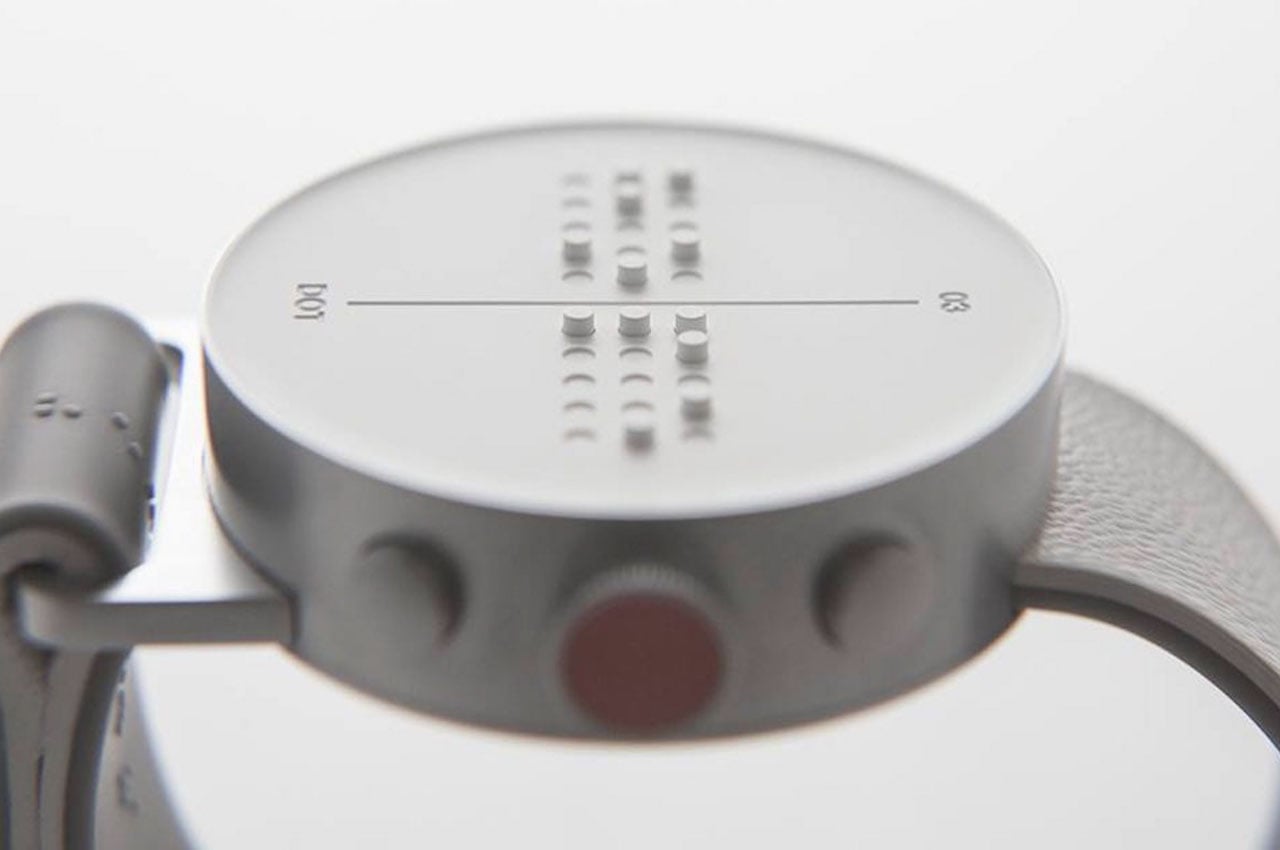
The Dot Watch is the first Braille smartwatch in the world
Braille is one of the most important writing systems in the world today. The centuries-old system is still very much being used these days. The tactile writing system is still considered a meaningful language despite the advancements in technology.
Braille may not be a language, but it is a way to code. Nevertheless, this system remains useful since there are people who have poor or no vision at all. Although there have been many concept designs for product in the past, not all of them have become reality.
Designer: YeongKyu Yoo (cloudandco design studio)
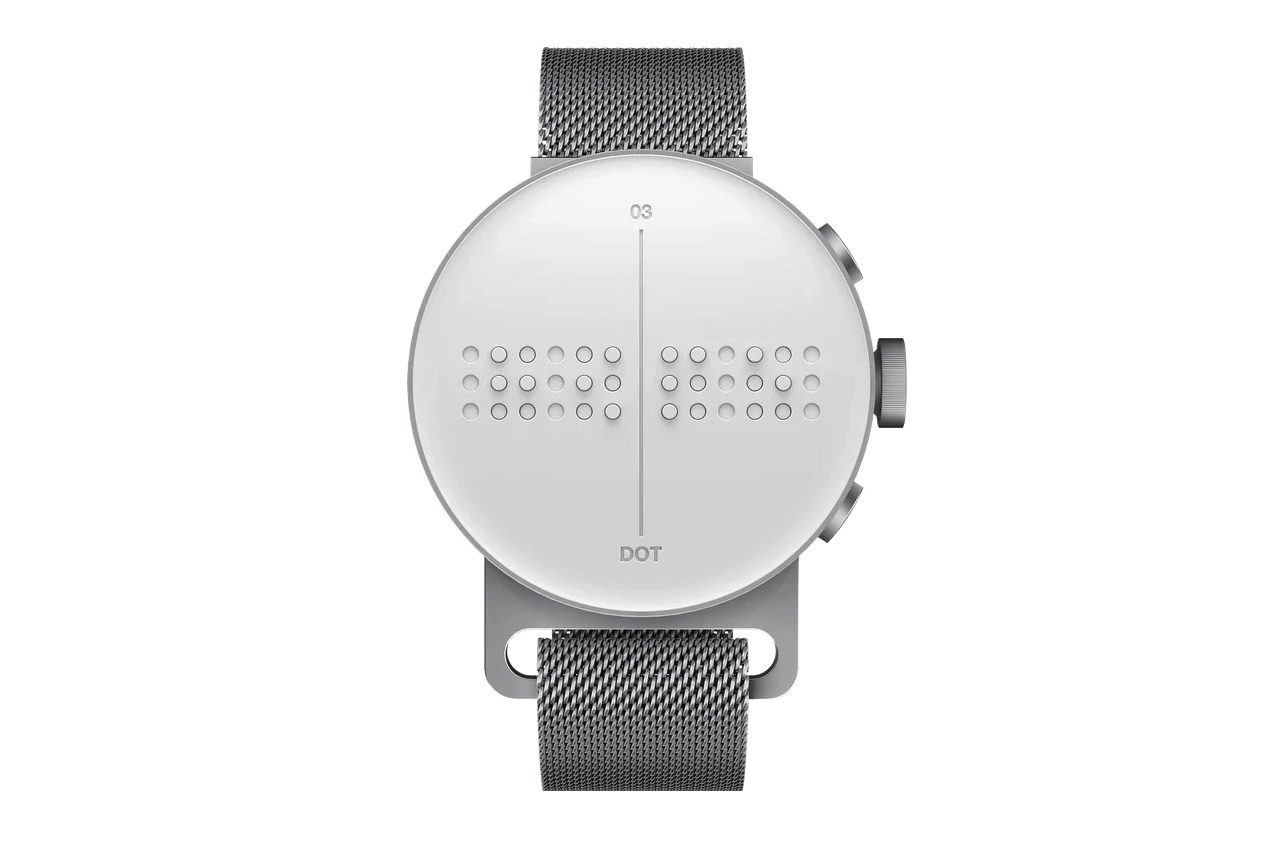
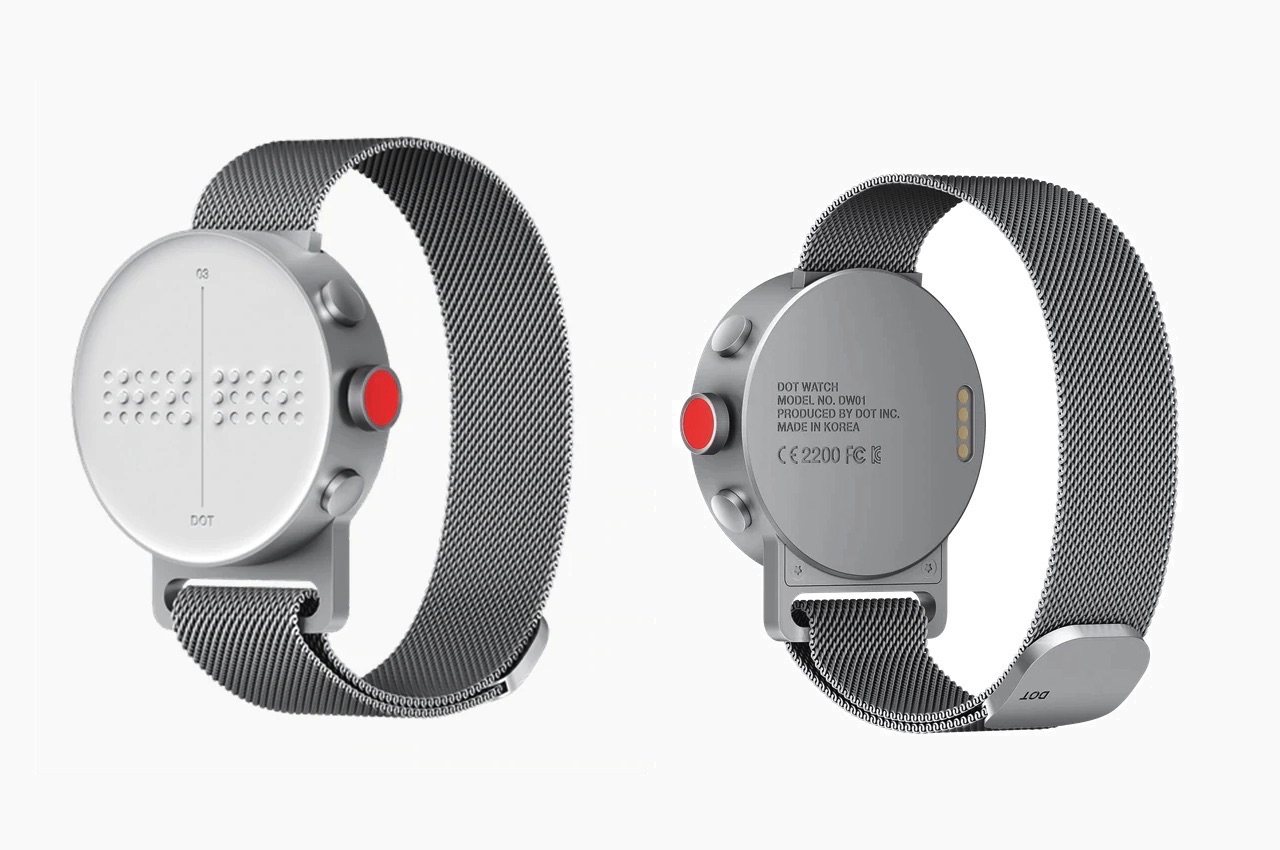
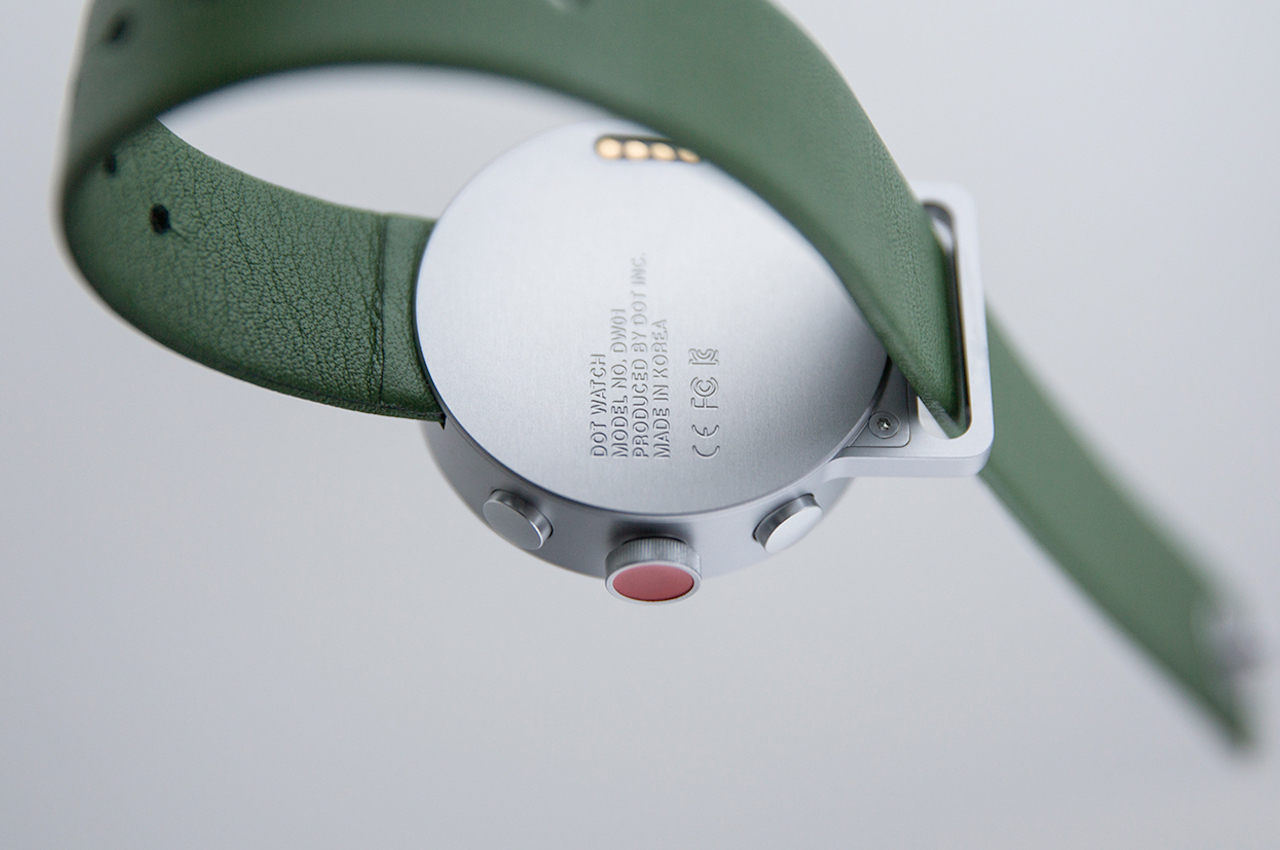
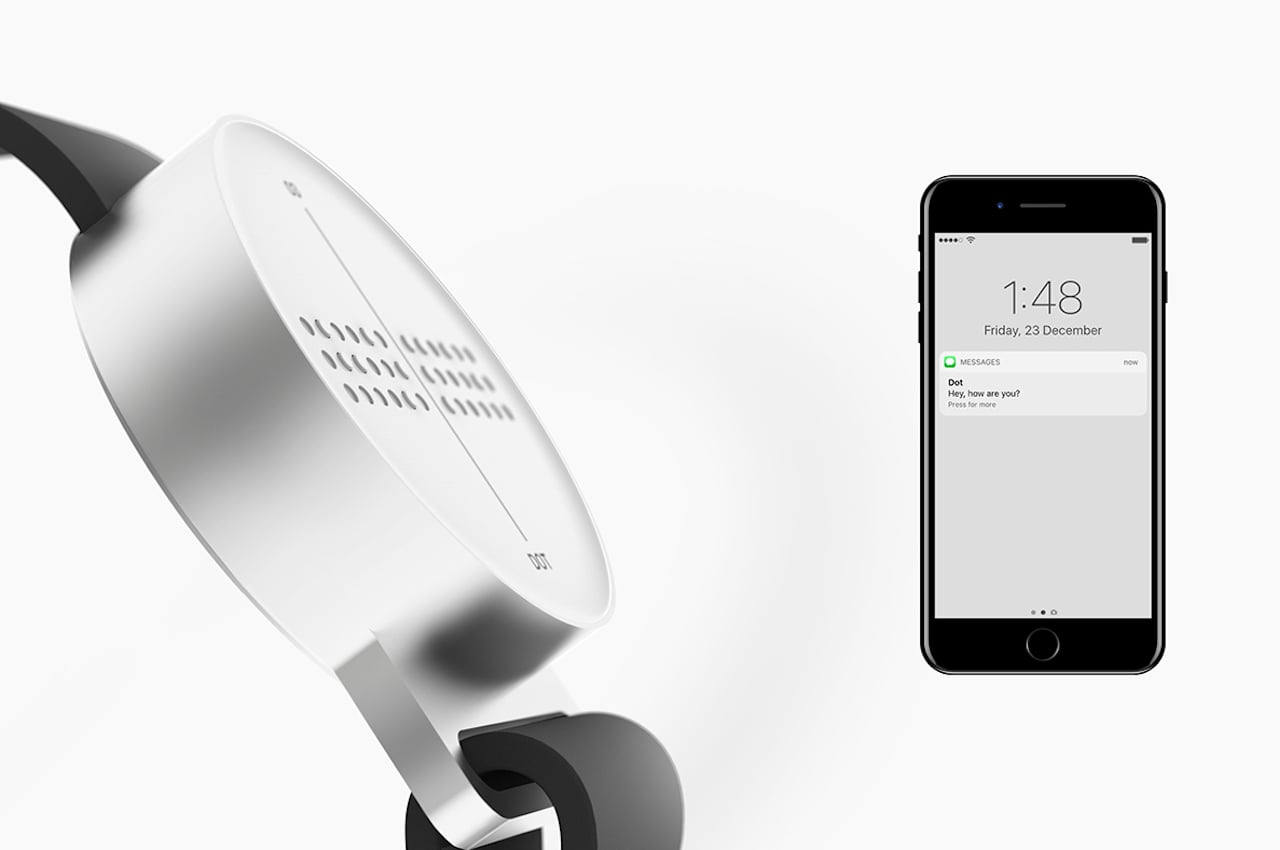
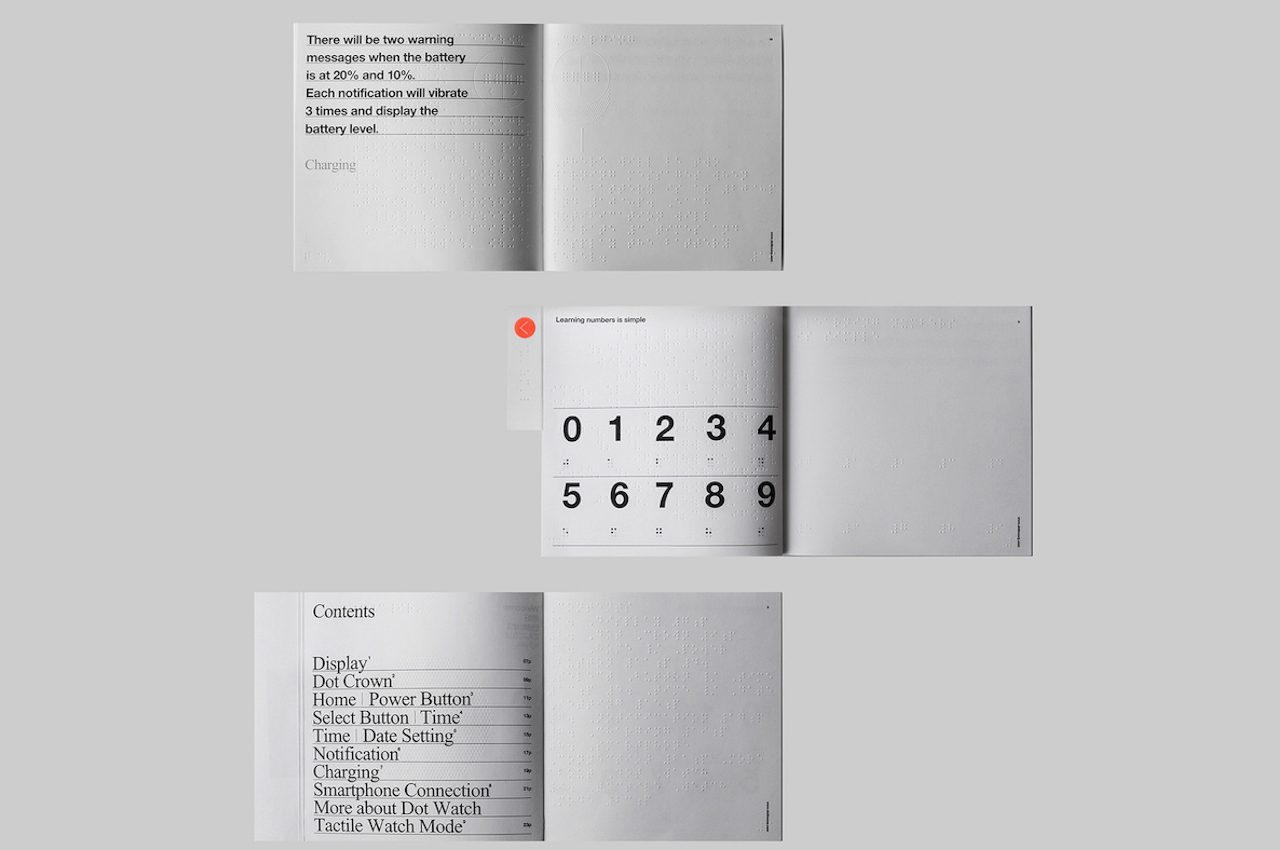
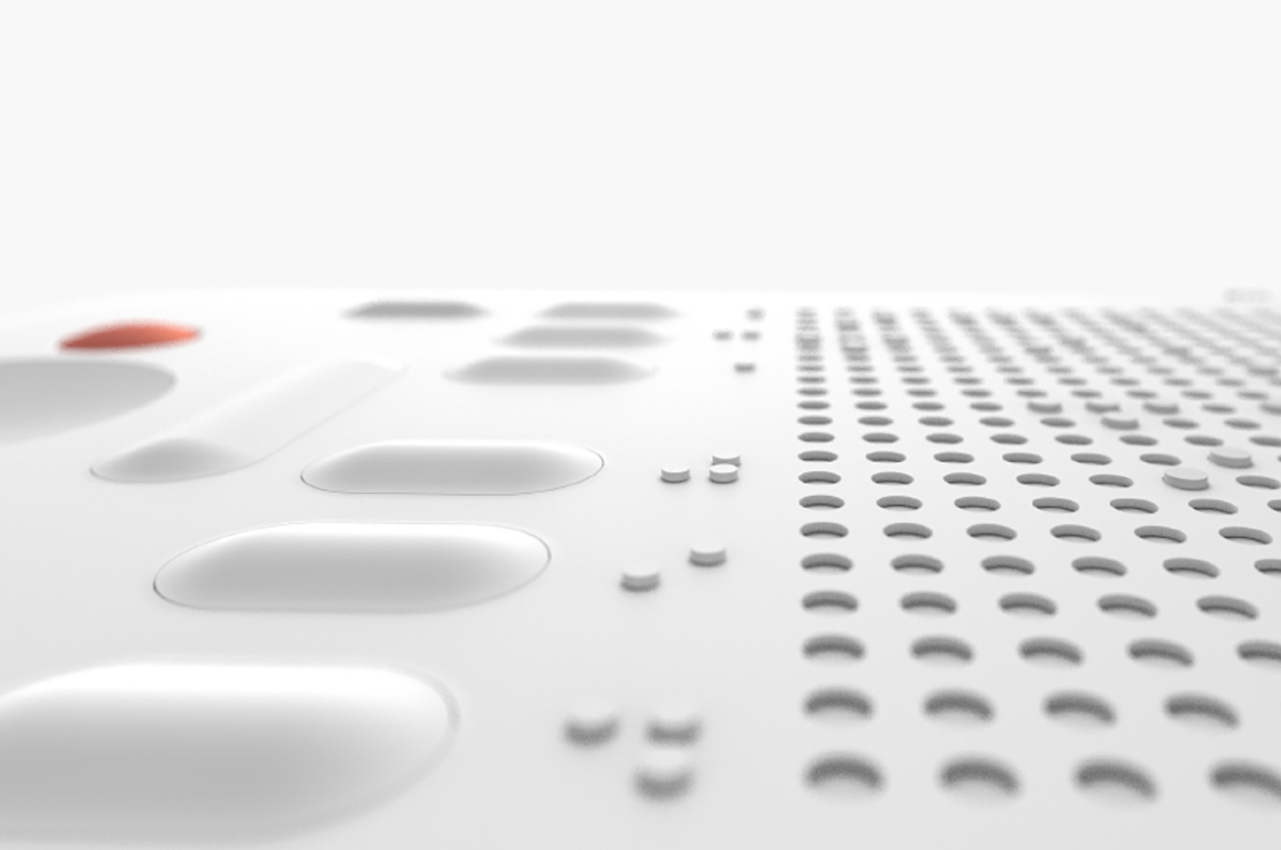
The Braille Smartwatch For Visually Impaired is our latest discovery. It’s a smartwatch that preserves the beauty of Braille. This smartwatch is the first to use braille moving technology and was created for visually impaired people. The smartwatch comes with a powerful and cohesive look. The smartwatch features a distinctive display that has four built-in cells for “interaction”. In addition, it has touch sensors on both sides that respond to gestures.
The concept is a response to the fact that there are many vision-impaired communities today, and there aren’t many tools available. About 95% of the blind give up learning braille because resources are expensive or because they think braille technology is already outdated.
The Braille Smartwatch is called the Dot Watch and it’s for the lost. This is the most user-friendly and accessible device that a visually impaired person could use. In the sense that it allows users to communicate, it is truly a smartwatch.
The concept is actually from a few years ago. In fact, it has already received a few awards and recognitions. We wanted it to become a reality. This product is now a real thing that balances beauty and function.
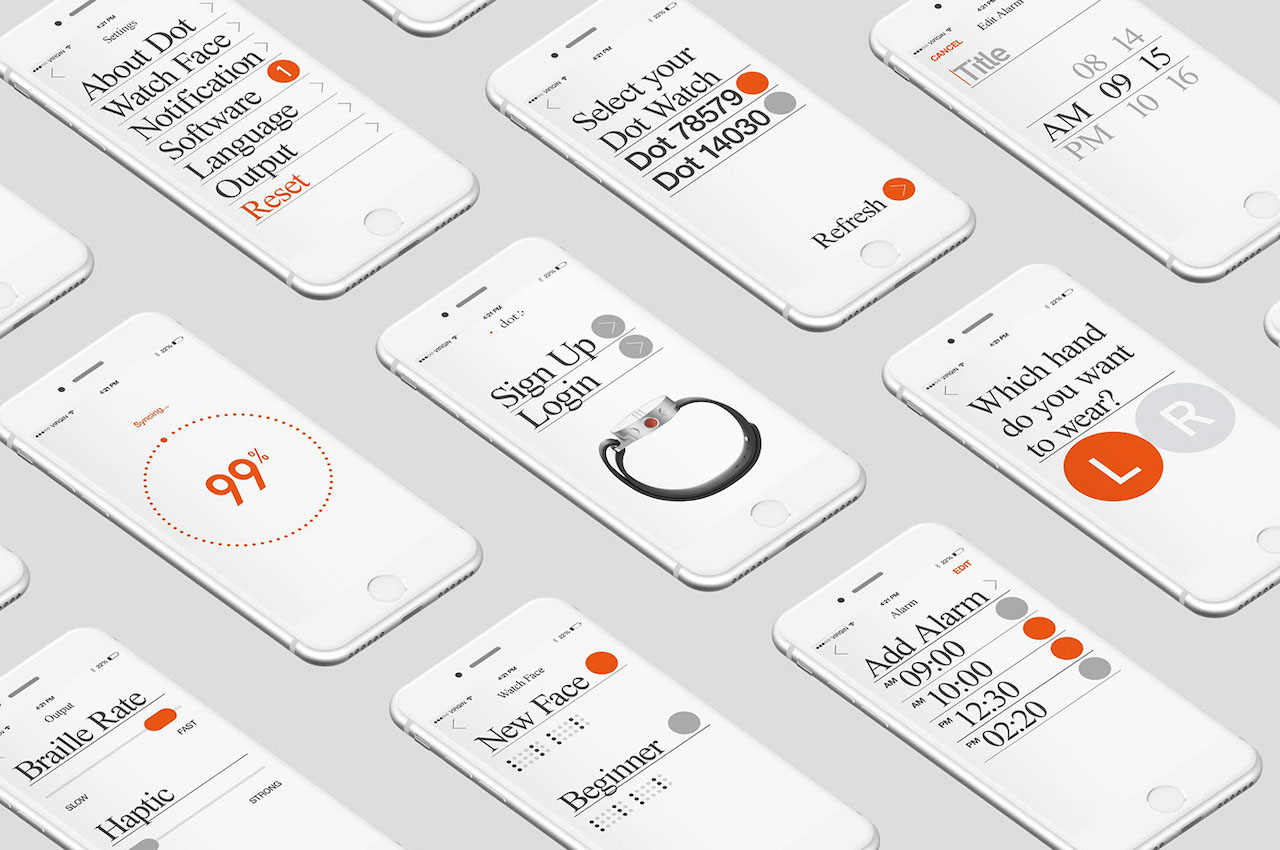
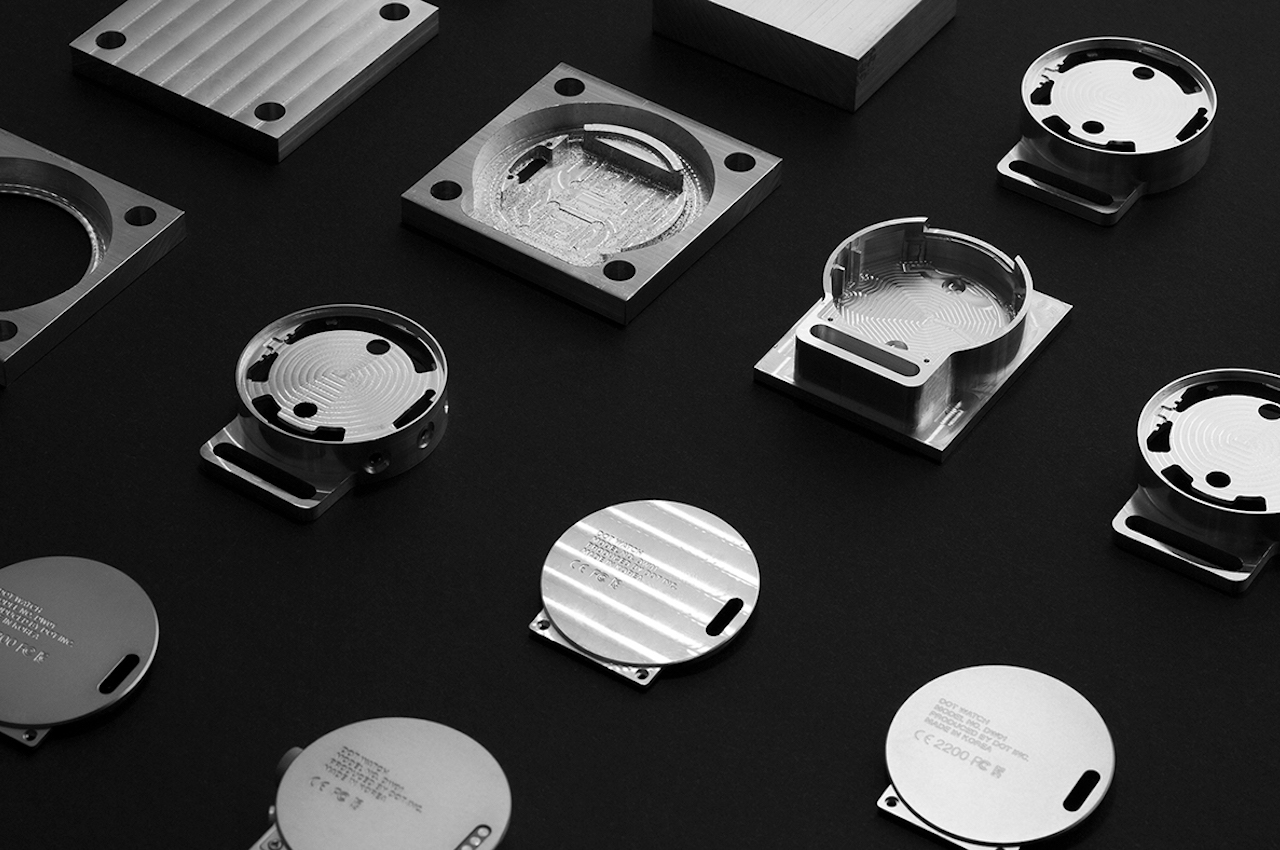
The Dot Watch weighs only 29 grams but is packed with potential. It uses the smallest Braille cell technology in the world, developed b Dot Inc. It connects to a smartphone via Bluetooth so you can be notified of who is calling. When you receive a text on the phone, the message is translated to Braille and is communicated to the Dot Watch for you to “read”. You can customize the Auto-Scroll and touch controls of the watch face. Messages can be saved so you can check on them later.
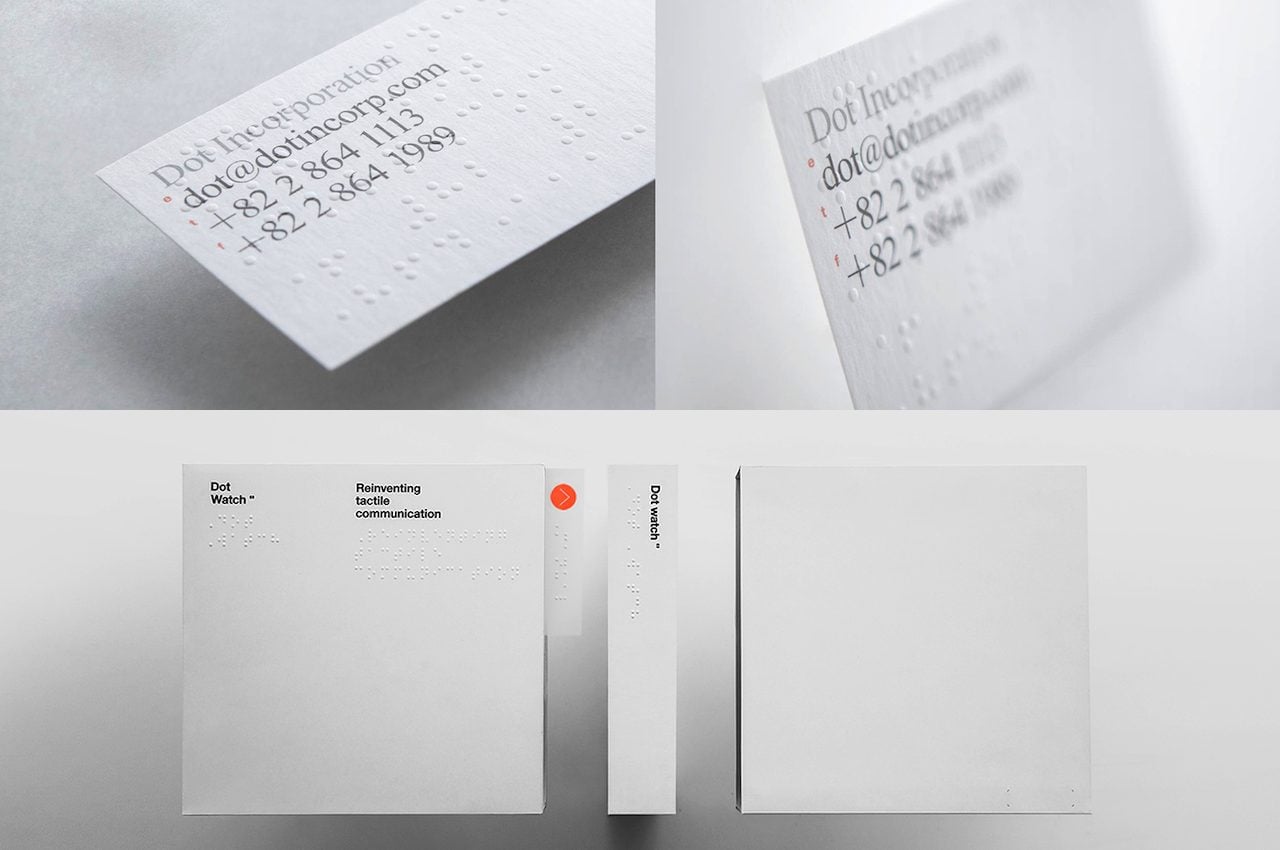
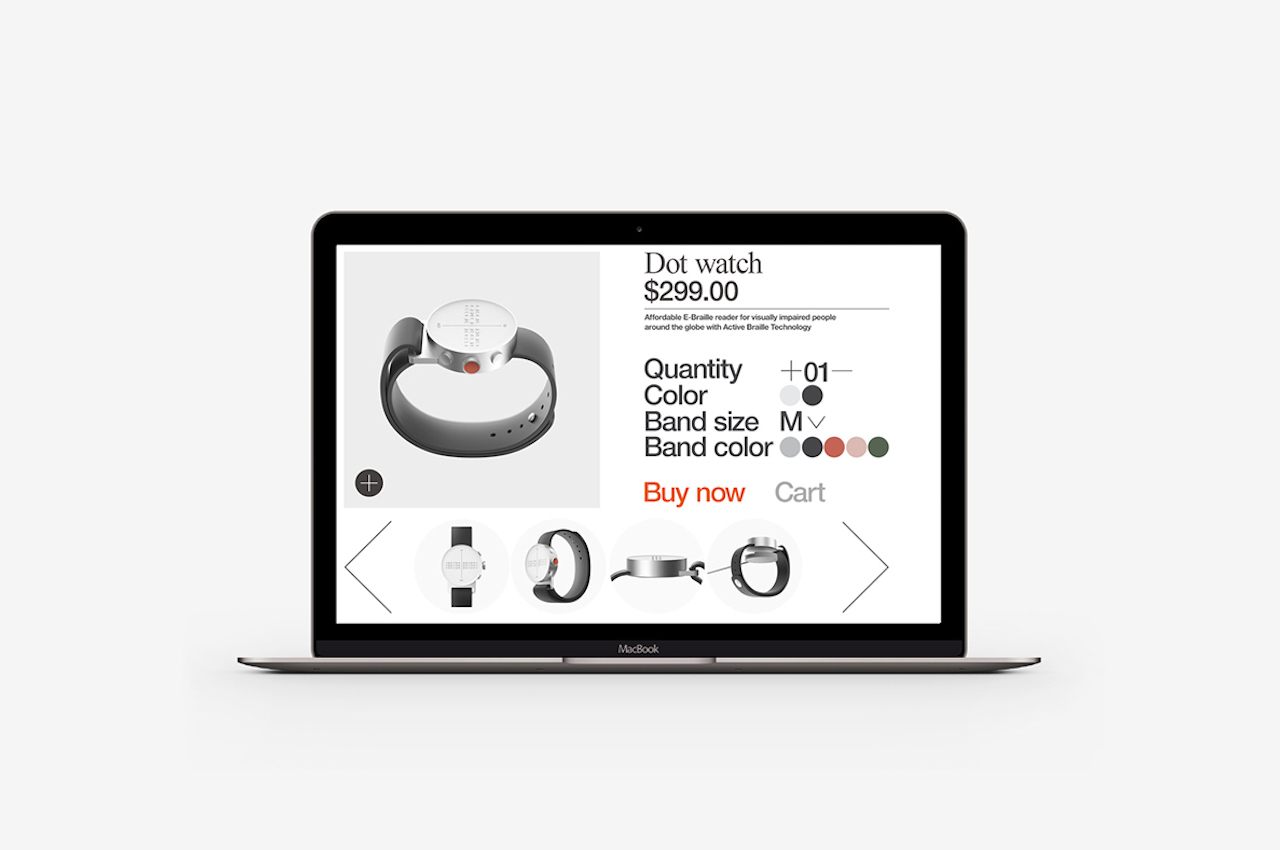
The Dot Watch is priced at $299 and each unit comes with three additional ProSkins, one Dot Watch Magnetic Charger, and a one-year warranty card. We believe his DOT WATCH with Braille is a perfect example of a great idea coming to life. You can purchase directly from HERE.
London police seize Club Penguin clone site, three suspects arrested
The London police arrested three for cloning Disney’s once popular, but now closed website Club Penguin .. The company closed Club Penguin and its follow-up, Club Penguin Island in 2017 and 2018, respectively, but clones have been popping up since. The penguin-based social media hangout spot for kids launched in 2005 and was extremely popular; at its peak, it had more than 200 million registered members.
Unofficial clones, like Club Penguin Online and Club Penguin Rewritten, increased in popularity and activity at the beginning of the COVID-19 pandemic, BBC said, but Disney has continuously tried to shut them down. Club Penguin Online was forced offline in 2020, with one person arrested “on suspicion of possessing indecent images of children,” the BBC reported. Once that website was closed, players allegedly moved on to Club Penguin Rewritten.
During a BBC investigation, Club Penguin Online was found to have poor moderation, allowing “homophobic, anti-Semitic and sexual messages” on the site. A Club Penguin user informed the BCC that Club Penguin was also “unsafe” because of a lack in moderation.
The Club Penguin Rewritten site has since been taken over by London police’s intellectual crime unit. This image is displayed to users who navigate to the site. Image: City of London Police
Three more were arrested in connection to Club Penguin Rewritten, on “on suspicion of distributing materials infringing copyright.” All three have been released pending investigation, London detective constable Daryl Fryatt told Polygon in an emailed statement.
“Following a complaint under copyright law, PIPCU have seized a gaming website as part of an ongoing investigation into the site,” Fryatt said.
The website has since been taken over by London police’s intellectual crime unit as part of the ongoing “Operative Creative” campaign, which kicked off in 2013 and with the goal of combating alleged copyright infringement online. A message from London police is now displayed on the Club Penguin Rewritten website: “This site has been taken over by Operation Creative, Police Intellectual Property Crime Unit (PIPCU).”
Polygon reached out to Disney in order for comments.
Dungeons & Dragons Direct goes live on April 21, here’s what to expect
Dungeons & Dragons publisher Wizards of the Coast will host a special streaming event on April 21 at 9 a.m. PT. Called D&D Direct, the approximately 30-minute presentation will “unveil upcoming products, along with other announcements, and updates” according to a news release. It will be broadcast live on both Twitch and YouTube.
Wizards has a lot of irons in the fire at the moment, especially when you consider it also publishes Magic: The Gathering. For the D&D brand, there is at least one new book on the way. It’s called Journeys Through the Radiant Citadel, and it’s the first project penned entirely by Black and brown authors in the franchise’s nearly 50-year history. There’s also a major motion picture in the can, starring Chris Pine with Bridgerton‘s Rege-Jean Page, Fast and the Furious’ Michelle Rodriguez, and Paddington 2‘s Hugh Grant. Meanwhile, we haven’t heard much on the live-action TV show in a while either. Then there are the video games. Baldur’s Gate 3 is still in early access, and an as-yet untitled third-person open-world game is on the way from Hidden Path Entertainment.
Wizards’ parent company Hasbro, announced Wednesday that it has acquired D&D Beyond. This is the most widely used digital toolkit for gaming. The acquisition comes on the heels of a banner year for the Rhode Island based toy company, which cleared $1 billion in sales for the first time in 2021.
Playdate’s crank control input has been an idea 8 years in the making
Since the introduction of portable gaming, each new handheld has been designed to stand out from the crowd — which has often meant more power, but also unique features that some might consider gimmicks. The Microvision introduced swappable cartridges. The Game & Watch kept track of time. The Game Gear featured color visuals and drained six AA batteries in a matter of hours. And while impressive new features haven’t always resulted in outstanding sales, the world of handheld gaming has continued to leap forward with selling points like touch panels, microphones, and stereoscopic 3D effects. Prior to a few years ago, little did players know one of the strangest was yet to come.
Today Nintendo almost single-handedly controls the dedicated gaming handheld market, while phones and tablets fill the void for the average consumer. Enter Playdate. Panic’s adorable yellow gaming device, originally announced in early 2019, has its feet planted firmly in both the past and the future. Though it has the appearance of a boxy Game Boy Pocket, the quirky handheld is designed to receive digital games weekly via Wi-Fi. With a retro aesthetic and modern innards, Playdate represents an artistic twist on both old and new.
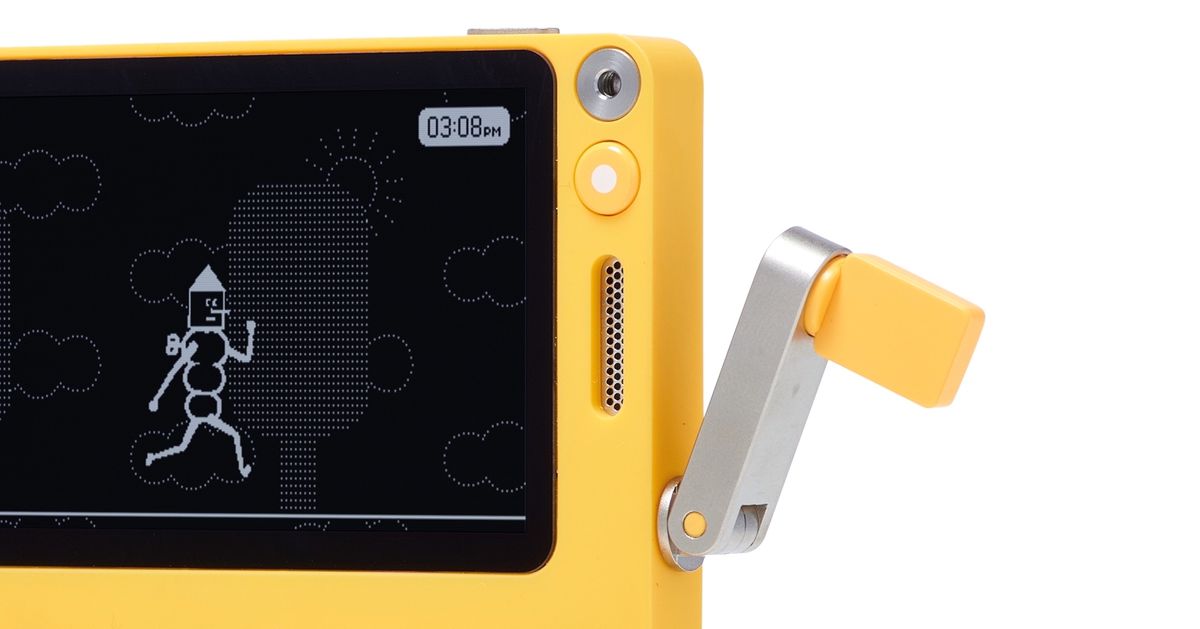
And yet, the aspect that seems to have piqued the interest of most fans and developers is the small crank protruding from Playdate’s right side. With a silver arm and yellow handle, Playdate’s crank looks like a tiny hand waving hello to apprehensive players. Playdate represents a wide array of novel ideas, but none as bizarre and enticing as the crank. Thus we have committed ourselves to understanding the crank. Becoming one with it. Who thought it up? How has it been tested? How are developers using it in their games? All will be answered. All will be cranked.
Image: Panic
“And the crank. The crank. My God.”
To understand where the crank came from, one first needs a crash course on how Playdate itself came to be. It all began 10 years ago, when Panic co-founder Cabel Sasser reached out to designer Jesper Kouthoofd of Teenage Engineering. A fan of Teenage Engineering’s stylish synthesizers, Sasser wanted to know if the small Stockholm-based electronics design team would be interested in teaming up for Panic’s upcoming 15-year anniversary. The plan was to “manufacture something incredibly special” for Panic’s most loyal customers. The connection was successful, but the product in question was still up for debate.
Sitting quietly in the back of Sasser’s mind for the next few years, the anniversary item was never a focus for the small team at Panic. It wasn’t until Sasser discovered the existence of a super-reflective black-and-white LCD screen that he had an epiphany — why not make a handheld console? This was a big leap for Panic, a company known in tech circles for its intuitive file transfer and web development software, but Sasser and his team began to draw up plans for a simple prototype that could play games with pre-set visuals and limited movement à la the Game & Watch. “But it needed a ‘spark’, something special,” Sasser says. “That’s when we reached [back] out to Teenage Engineering.”
By this point, Panic’s 15-year anniversary was in the rearview mirror, so Sasser decided this new mystery project would have to coincide with the 20th. When Kouthoofd heard of the idea for the product, he was more than happy to offer Teenage Engineering’s expertise, agreeing to meet with the Panic team at the biannual Moogfest, a music and technology festival, then held in Asheville, North Carolina. The two teams, one known for software and the other for hardware, sat down to bounce ideas off one another and hash out a rudimentary plan. It was this meeting that officially transformed the handheld project from a theoretical anniversary gift to a potential commercial product.
Settling on the codename “Asheville,” a nod to their initial meeting spot, the two teams retreated back to their respective sides of the globe to ponder ways to make the handheld a reality.
A mere week after the face-to-face meet up, on Sunday, May 4, 2014, Sasser found an email sitting in his inbox from Kouthoofd. It was labeled “first ideas” and read as follows (typos verbatim):
goals:
• the design should make mass production easy
• avoid metal to improve bluetooth signal.
• mould the case in one color, with the addition of grey for graphics and details. add as much of the graphics to the mould to reduce print costs.
• As the display is a major part of the device, try to match design elements so they are in harmony with the display (and the graphics shown on it) Perhaps using pixel icons on keys…
• make the device feel like some kind of cartridge. Technical but still fun and happy.
• avoid making the device too “gamey”. would be great to define a new category (i love the season 1 thinking…). A digital experience, art object, magic entertainment device.
• Simple and striking design that once you have seen it you will always remember it. (like a floppy disk, you can draw it from memory)
• Add at least one creative input methods. Crank, scroll wheel, slider, hidden switch etc..
• figure out some kind of stand or hanger for clock mode.
overall create a design and a device that is not obvious a game device but something more, something new.
Don’t worry about being frank if you don’t like it. If you have other ideas you want to try, just send me references or sketches.
-Jesper
The email came with a picture attached:
Teenage Engineering’s initial concepts for PlaydateImage: Panic
Sasser was blown away. After forwarding the email to the rest of the Panic team, he shot off a quick response, now adamant the handheld had to be made.
I have notes and thoughts, of course, but this is immediately exciting.
And the crank. The crank. My God.
-Cabel
Since Asheville, Kouthoofd had been thinking long and hard about what a gaming handheld should and shouldn’t be. He was determined to steer Panic in the right direction, the direction Teenage Engineering had been sailing for years.
“Everything we do is to create kind of an alternative to touch-screen psychosis,” Kouthoofd said years later on an episode of the Panic Podcast. “It’s very effective for, like, a smartphone, but for a gaming device … A gaming device to me is almost the same as a musical instrument. It’s about zero latency, muscle memory, and you need to feel that you are in instant control of everything that happens. That tactility, however you solve it, if it’s pressing a button or turning a knob or a crank, it’s very important for the whole experience and the joy of being in control and using your hands.”
Each of the control dynamics proposed by Kouthoofd and his team had potential, thought Sasser, but the one that especially struck the Panic team was the small, removable crank that could attach to the side of the handheld, allowing for radial input. An outrageous concept for any gaming device that wasn’t a fishing controller.
“The crank was obviously the real — no pun intended — turning point in terms of, ‘Maybe this thing can follow its own path,’” Sasser tells Polygon. “But we did experiment. For a while, the crank idea was that you could plug different things into it. Maybe a hex shaped port that the crank magnetically snaps into and you can plug something else in, like a dial. I love exploring stuff like that and I have a very patient team that also loves exploring stuff like that. But very quickly we got the sense, a gut feeling, that maybe it was too much. We already felt like we were pushing the limits, not only trying to do this season delivery thing, which is pretty unusual, but also having the black and white screen and the crank. At some point, this system is just going to be too much. It’s going to be like Homer’s car in The Simpsons.”
And so, as other details like the handheld’s name and wireless game delivery service were hammered out, a single, non-removable crank was settled on. Now Panic and friends just had to engineer the design, test it thoroughly, tie it into the operating software, and convince game developers to jump on board.
Panic manually built and tested prototype Playdate unitsImage: Panic
Loose Playdate cranks from the testing processImage: Panic
Cranks a million
After much discussion and debate, the powers that be at Panic and Teenage Engineering discovered that Playdate, in its final form, would need to be made entirely of custom parts. Every tiny Pozidriv screw and springy button cover would need to be crafted from scratch and assembled by hand in a Malaysian factory. And all the parts would need to fit neatly within Playdate’s minuscule 76 × 74 × 9 mm casing.
According to Panic’s mechanical engineering and manufacturing consultant Steven Nersesian, the crank introduced a handful of production and engineering issues. In an email, Nersesian broke down these issues into five distinct sections:
Surface Finish: Getting the surface finish on the axle was critical, inclusive of the diameter and tolerance, and the “roundness.” This was paramount to getting the proper feel of the rotation… not too loose, not too tight.
Bearing: There is an internal plastic bearing that the crank assembly presses into. Similar to the axle challenges, we had to watch the “roundness” of the bearing as injection molded parts tend to shrink at different rates in alternate axes. And the material choice was critical, requiring multiple iterations to test until we got it just right.
Handle Design: To get the color match to the housing color we had to make the handle out of plastic. But that doesn’t make for a good bearing surface against the metal arm, nor give the handle a long life for those doing lots of cranking. Teenage Engineering’s small design in addition to the overall thinness of Playdate meant there was very little room inside to fit all of the details. Initial iterations cracked and had a dissatisfying feel. Ultimately we prototyped a few options and settled on the one that was most manufacturable, most reliable, and had the best feeling.
Flip-out Feeling: There is an internal ball bearing and spring mechanism that gives a satisfying feeling when you pull it out of the pocket. Tuning those parts, and the matching geometry in the axle proved difficult.
Repeatability: Making the assembly the same every time had some hurdles. Different assembly line workers approached it differently which resulted in small variations. We had to work with the production team, the engineering team and an assembly jig manufacturer to come up with a nifty jig that unified the process so that every crank assembly was made the same way. We also have a checker to make sure they meet the specs and are within tolerance.
While the factory production of the crank fell into place, Panic ran headlong into a new problem. The factory had machines that could perform repetitive tasks like pressing buttons ad nauseam and peppering Playdate with controlled electric surges, but there was no such device for testing a crank.
“The force is so tiny that we couldn’t find any equipment accurate enough at an affordable price; we would have had to spend $200K on an automated test machine,” Sasser says. “So instead we relied on literal years of shipping hundreds of units to early developers and gathering feedback through their real-world use.”
The Panic team also had thousands of attendees put the crank to the test at its PAX West booth in 2019. The team even printed out a stack of special cards with the words “Oh, thanks for breaking that!” to hand out to any unwitting tester who managed to crank things too far. Much to everyone’s surprise, the cards sat untouched for the entire four-day convention.
With their PAX experiment a resounding success, and after years of engineering, troubleshooting and testing, the crank was officially ready for the public. The stainless steel axle and arm, magnet, plastic handle, pin, and screw would end up costing Panic $5.20 per unit.
While the physical aspects of the crank were being perfected, Panic was busy building a simple operating system and wooing game creators with Playdate’s distinctive specs. Though the crank was one of the handheld’s standout features, Panic designers made sure it wasn’t too heavily featured in the overall feel of the operating system. By stacking game choices and system settings, Panic gave owners the chance to casually scroll through their options by turning the crank forwards and backwards — simple movements that felt natural.
Game developers were split when it came to the crank. Though there were a fair share of crank enthusiasts, Sasser estimates that roughly half of the developers who showed interest in working on a Playdate title didn’t feel the need to utilize the crank in any way. They were more excited about the one-bit screen or retro feel. When thinking back on the development of the games in Playdate’s introductory season, Sasser says he’s glad each developer “felt free to follow their hearts.”
It seems many developers who witnessed the crank in action all jumped to the same conclusion: fishing. “Almost every developer we showed Playdate to immediately mentioned a fishing game,” Sasser recalls. “And yet, because of this, everybody thought everybody else was making a fishing game. As a result, we have no fishing games. Yet.”
And while a handful of developers had access to Playdate early on, most discovered the handheld alongside the general public in May of 2019. Fortunately, there was still ample time to jump aboard the Playdate train for season one.
Hang ten(sion)
In the summer of 2019, as Vitei CEO Giles Goddard perused the selection of indie games at Kyoto’s yearly BitSummit festival, he couldn’t help but notice a small crowd of onlookers gathered feverishly around a single man. The man was writer, designer, consultant and Panic pal Nick Suttner, and those gawking over his shoulder were all hoping to get their hands on the curious handheld he was so casually flaunting.
Once Goddard got a moment or two with the miniature yellow device, he quickly fell in love. “I had no idea what the crank was all about,” Goddard says. “I thought maybe it had to do with charging or it was just something you fiddle with. I didn’t think it was an actual input. Then I picked it up, actually felt it and played around with it, and everything was just so … tactile. Using the crank is such a nice direct input. I was just enamored by it from day one.”
Goddard has been a part of the gaming industry longer than most. Joining up-and-coming development studio Argonaut Games as a programmer in the late ’80s, Goddard relocated to Japan to help with production of the original Star Fox at the tender age of 18. Goddard soon joined Nintendo EAD as its first Western employee, programming the iconic interactive Mario face at the start of Super Mario 64 and landing the title of lead programmer on the critically acclaimed 1080° Snowboarding.
Eventually stepping out on his own, Goddard began working freelance gigs (many for Nintendo) and decided to start his own development studio, Vitei, Inc. Since its inception in 2002 Vitei has helped with various titles and developed many of their own, even spawning a spin-off studio in Kyoto called Vitei Backroom (now Chuhai Labs).
After his first interaction with Playdate, Goddard knew he wanted to develop a game around the handheld’s miraculous crank. Eventually securing a few prototype units, Goddard devised a friendly Playdate “Pitch Jam” for the team at Chuhai Labs. Twenty unique games were pitched, but in the end it was Goddard’s vision of a simple surfing game that received the most votes.
Goddard’s game, dubbed Whitewater Wipeout, was inspired by the tight controls of Playdate’s crank and the standout mobile game of his childhood: California Games. “My brother had an Atari Lynx, which was way ahead of its time,” Goddard says. “The best game on the Lynx was California Games and the best game in California Games was surfing, because it was such a tight, well-made minigame. We were just hooked on it.”
Thinking back to his time with California Games on the Lynx, Goddard felt the biggest issue was always the lack of precise control when rotating one’s surfboard. “At some point I just thought, ‘The crank is the perfect way to control this,’” Goddard says. “Because you have 360 degrees of whatever rotation you want at any time. You decide the speed by how fast you’re turning it. The fact that you can spin it really quickly and then slow down to get really fine movements is so unique. There’s literally no other control input that lets you do that. As soon as I realized a surfing game would match it perfectly, that was the point I thought, ‘It has to be that.’”
Photo: Chris Plante/Polygon
Once the basic concept of Whitewater had been fleshed out, Goddard and his team set forth to program the game using Panic’s code editor Nova. As someone who had worked on games for complex and powerful consoles in the past, Goddard was struck by how much he enjoyed the simplicity of developing a game for Playdate. The scope was limited, but it forced him to focus on making the gameplay, and the crank controls, as precise as possible.
Goddard explains that programming the crank was as simple as assigning a range of numbers from zero to 359. Depending on the numerical input, the surfboard on screen would be rotated to a different angle. Panic has given Playdate the ability to run like an emulator on any computer, allowing developers and average players to use an attached console as a controller of sorts. For testing purposes Goddard could use his mouse to manipulate a digital circle representing the crank or he could pick up the real thing and put in a few rotations.
“The entire device is very simple to program with. It’s great.”
As Goddard sat, cranking newer and newer Playdate prototypes to test his game, a small problem presented itself, one that Panic was well aware of: Not every crank is created equal. Some prototype cranks were loose and easy to turn, while others were stiff and needed more effort. “One of the difficult things was figuring out if the final version of the crank was going to be a floppy crank or a stiff crank,” says Goddard. “I know it sounds like a really stupid little issue but … it was quite interesting.”
The team at Chuhai Labs went so far as to take a few prototype units apart and oil the crank, seeing how much tensile attention was needed to make Whitewater handle just so. “I had a little technique where I would grease it just enough for it to feel really good. I don’t know if you’re supposed to do that … but we did,” Goddard laughs. In the end both the Panic and Chuhai Labs teams seem happy with the current state of the crank, a nice middle ground that allows for both speed and accuracy.
When asked how Playdate compares to past gaming devices in terms of control, Goddard is quick to defend the crank, embracing it as both an essential aspect of the system and a gimmick of sorts. “Most gimmicks feel like gimmicks,” Goddard says. “Take the 3D on the 3DS. Most of the time I’d say most people turn it off because it’s distracting, not to mention it takes battery power and can slow things down. The 3D is great as a gimmick, as a way to show off a game, but when you want to play it full-time you probably turn it off because you don’t need it.” Goddard insists the crank does not fall into this category. While the crank is a gimmick of sorts, it’s also highly effective at what it does and seemingly necessary to the success of most Playdate games.
The team at Chuhai Labs is already brainstorming its next Playdate outing, and Giles Goddard says he’s excited to be involved. “It’s kind of my dream job to make games for this thing,” the 50-year-old programmer says, holding up a Playdate. “We have PlayStation 5 dev kits, Oculus dev kits, and all these other dev kits, and by far the most fun … is this one.”
All it’s cranked up to be
Despite delays due to faulty batteries, CPU shortages, and factory closures, Panic’s handheld is finally on its way to the first wave of consumers. As Playdate systems slowly make their way into the wild, the success of the crank (and the handheld as a whole) will soon become apparent. Games like Whitewater Wipeout and Keita Takahashi’s Crankin’s Time Travel Adventure, with core gameplay developed around the crank, will be put to the test by thousands of new users.
For many, the magic of the crank may not lie in the games that feature it heavily, but rather the ones that manage to merge its functionality into the tried and true mechanics of classic genres or hide it in subtle on-screen gestures. Indie developer Lucas Pope, known for cult hits like Papers, Please and Return of the Obra Dinn, has already showcased the latter with a quick peek at his game Mars After Midnight during Panic’s Playdate Update this past summer.
Mars After Midnight puts players behind the door of an “off colony community support center” for a wide variety of Martian weirdos. When creatures come a-knocking, players use the Playdate crank to open the hinged flap on the door’s window. This light touch, a motion that only takes the crank half way around its axis, is insignificant but natural. It’s exactly the kind of small detail that will make the Playdate stand out from other handhelds and gaming consoles.
A lot of the excitement surrounding the Playdate is generated from the fact that players don’t know exactly what’s coming each week. Outside of game titles and a few select clips of gameplay, we don’t know how, or even if, the crank will work within most games. Half the fun will be experiencing how and where the crank pops up, not to mention the outrageous radial control schemes that the community of hobbyist developers will no doubt churn out in the coming years.
Is Playdate’s crank a revolutionary new form of gaming input or a silly dash of superfluous nonsense? One could argue it’s a bit of both. But whether you feel the crank is genius or trivial, you’ll be hard pressed to refrain from giving it a few turns should you ever get your hands on the cheery yellow handheld. And after all the thought and love that was poured into the tiny mechanical appendage, who could blame you?
Realme Q5 Pro specs leak: SD870 chipset, 120Hz AMOLED display, Q5i to follow with Dimensity 810
The Realme Q5 series will be officially unveiled next week, but the company has already confirmed some key details – 80W charging and 5,000 mAh batteries, for example. It’s not quite clear if these will be featured on all devices or just the Realme Q5 Pro or on all models in the series.
Realme has confirmed 80W charging and a 5,000 mAh battery for the Q5 series
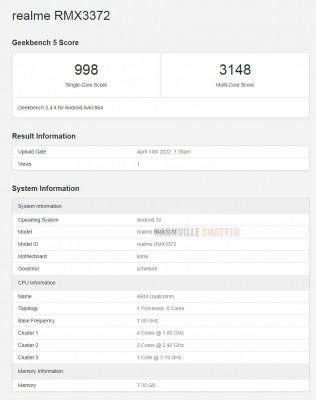
Speaking of, Weibo user Panda is bald shared details for three Realme devices, starting with the Pro. It will be powered by the Snapdragon 870 chipset, which was confirmed by Geekbench. The benchmark reports that the RMX3372 (the model name of the Pro) had 8 GB of RAM and ran Android 12.
Realme Q5 Pro (RMX3372) with Snapdragon 870 runs Geekbench
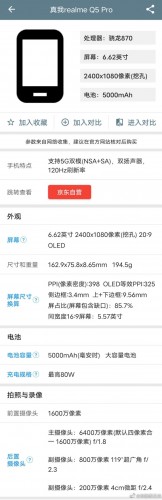
Further specs include a 6. 62″ AMOLED display (FHD+) with 120 Hz refresh rate. Also on the front there will be a 16 MP selfie camera.
On the back, a 64 MP primary module (f/1. 8), an 8 MP ultra wide-angle camera (119deg) and a 2 MP macro cam (4 cm focus distance). As expected, the Realme Q5 Pro will indeed have a 5,000 mAh battery with 80W fast charging. Don’t forget the Vans Special Edition. We have mentioned it before, but the Q5 Pro will be an improved version of the GT Neo2.
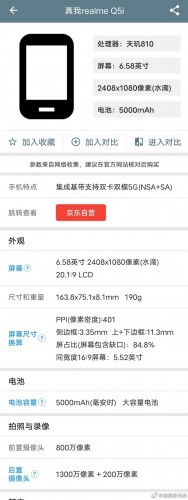
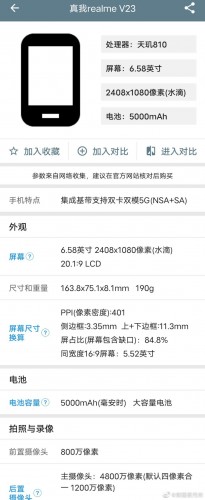
Moving on, the Realme Q5i will be powered by the old Dimensity 810 chipset. It will have a 6. 58″ LCD (FHD+) and an 8 MP selfie camera, plus a 13 MP rear camera and 2 MP depth sensor. The battery will have 5,000 mAh capacity, no mention of fast charging. If not for the display, we could have confused the Q5i for the new Oppo A57 5G.
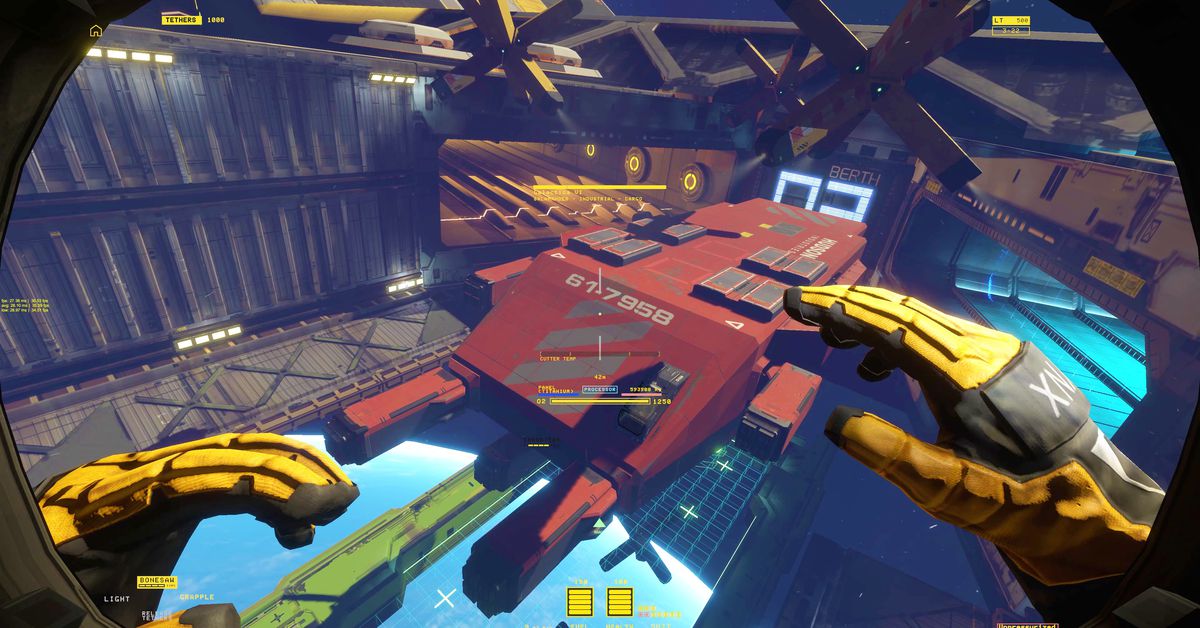
Hardspace: Shipbreaker leaving early access, joins Xbox Game Pass in May
After two years Hardspace is releasing early access. Blackbird Interactive’s spaceship salvaging game will be officially released on May 24, and will be available on Microsoft’s PC Game Pass the same day.
“The full PC release of #HardspaceShipbreaker will hit on May 24th 2022 and you can play it Day One with @XboxGamePassPC,” Blackbird Interactive tweeted from the official Hardspace: Shipbreaker account. Get the Early Access Version now for a sneak peek at .”
.
The announcement came alongside a trailer. On Steam, Blackbird Interactive posted a bit more information about the 1.0 update and what to expect when the game fully launches. The launch version of Hardspace: Shipbreaker will feature the finale to its campaign and well as “improved progression, economy, and upgrades.”
Here’s what else to expect, straight from Blackbird and publisher Focus Entertainment:
Final Campaign Act Added – A powerful and satisfying conclusion to the events set in motion over the course of Act’s One and Two.
Save & Load Ships – Save your in-progress salvage! No more losing value on a behemoth ship because you need to step away.
Improved Progression, Economy & Upgrades – With the help of our fantastic community, the pace of progress has been tuned to perfection
Reduced performance & stability – We have worked hard to make the game the most stable and smoothest
version.
Steam Achievements/Trading Cards/Emoticons/Backgrounds-These rewards will show off your saving prowess.
Remind me that this is the last progression reset
Hardspace: Shipbreaker, of course, will also be available for purchase on Windows PC via Steam, as well as through Microsoft’s PC Game Pass. Xbox Game Pass for Windows PC costs $9. 99 per month, but Microsoft often runs a special offer for new members: $1 a month for three months.
PS2 game GrimGrimoire, from Vanillaware, getting Switch, PS4 remake
Vanillaware’s classic PlayStation 2 real-time strategy game GrimGrimoire is getting a Nintendo Switch and PlayStation 4 remake coming July 28 in Japan, publisher Nippon Ichi Software announced Thursday.
The remaster is called GrimGrimoire OnceMore, and adds new graphics and systems, including a powerful “Great Magic” mechanic and skill trees, according to a news release translated by Gematsu. GrimGrimoire OnceMore‘s story remains similar to the original game: A young wizard, Lillet Blan, relives the same five days after an evil wizard attacks her school and threatens disaster.
GrimGrimoire was originally released in 2007 on PlayStation 2. It was Vanillaware’s first published game, led by former Capcom artist founder George Kamitani. It wasn’t necessarily a commercial success, but it’s a game whose influence players can see even in Vanillaware’s latest surprise hit, 13 Sentinels: Aegis Rim.
13 Sentinels: Aegis Rim was released in 2020 in North America on PlayStation 4. It got a Nintendo Switch release in April — and it’s even better on the handheld console.
Critical Role fans want to see more of Robbie Daymond’s Dorian Storm
Critical Role’s Exandria Unlimited: Kymal wrapped up on April 1 after a short two-episode run. The action-packed Dungeons & Dragons actual play featured a casino heist, a new player, and the triumphant return of most of the Crown Keepers — including Dorian Storm, played with a palpable amount of glee by voice actor Robbie Daymond.
The show and its predecessor, Exandria Unlimited, reflect a clear shift in Critical Role’s fairly entrenched long-form campaign format, opening up the floor for new creators. Exandria Unlimited seems like something that will, happily, be revisited, and Daymond seems to be staying in the fold of Critical Role. It’s hard to believe that Dorian’s tale is over for now.
At the start of Exandria Unlimited, Dorian was immediately endearing, displaying a kind of polite, awkward bravado that played well against more boisterous characters like Opal (Aimee Carrero) and Dariax (Matthew Mercer). “I wanted to play something kind of away from myself,” Daymond said in his recent appearance on 4-Sided Dive, the new talk show series for Critical Role. “I thrive when I’m around people, so I wanted to experience someone who’s not that.” He went on to discuss Dorian’s anxieties, asking, “Can you be charming while being insecure?”
Fans sure thought so. Dorian emerged as a fan favorite, featuring in fanart, cosplay, highlights on YouTube, and more. When Dorian reappeared on the Critical Role set for episode one of the third season, the Twitch chat went wild, delighted by Daymond’s entrance. Daymond went on to feature in Campaign 3 for fourteen consecutive episodes – the longest run of a guest cast member.
Daymond is a relative newcomer to Dungeons & Dragons, but you wouldn’t know it from his play style. Much like his time on Exandria Unlimited, he was a delightful part of the fabric of Campaign 3 from the jump. He participated in the cast’s goofy asides and reactions, but also left room for moments of gravitas and emotional exploration. Part of what makes his performance as Dorian such a joy to watch is the knowledge that he is new to the table, and fairly new to the hobby — his wins are even more engaging to witness, because they’re firsts several times over.
Dorian debuted in Campaign 3 as part of a set, including Fearne (Ashley Johnson) and Orym (Liam O’Brien). Immediately, Daymond seemed at home at the table — in character, he began to clap anxiously at the end of a tram ride, and quickly scolded Fearne when she stole an earring as they entered Jrusar: “I told you a story about someone picking my pocket thirty seconds ago, and then you pick someone’s pocket? !” He also formed unique relationships with the other characters, from his immediate, hilarious animosity with Chetney (Travis Willingham) to his initial fear of and eventual closeness with Launda (Marisha Ray).
Dorian also had a beautiful storyline of his own. “I love the noble who’s reluctant,” Daymond said, when asked in 4-Sided Dive about Dorian’s creation. The surprise appearance of Cyrus Wyvernwind, his NPC brother, brought his backstory to life. Dorian clearly worked hard to create a new path, outside the influence of his family. Part of this path was the Bells Hells family that he found. At the end of his run in Campaign 3, Dorian noted, “I’ve always felt my entire life, always, like I was on the outside looking in. And you, you all have made me feel like I am part of something bigger.”
The main cast of Critical Role is extremely beloved, but the format of the core series makes departures like Daymond’s performance stand out, especially when he was so integral to the start of Campaign 3. Daymond’s potential addition to Critical Role as a cast member was exciting, especially considering the season has been markedly different, in particular with Travis Willingham’s characters.
Filming schedules and individual actors’ responsibilities may have played a role, but Dorian’s departure was disappointing in the sense that it felt like a step backward – especially when Fearne and Orym got to stay. Fans lamented Daymond’s departure in the Twitch chat on the next episode that aired. In a recent interview for ComicBooks.com, Daymond expressed that, “one thing that Matt said to [him] from the beginning was ‘Let’s just play.’ So there was never a plan to have [him] there for a set number of episodes.”
Actual play, as a medium, has a very specific alchemy to it. The delicate balance between play and production has received a lot of research. This is how a story shared between friends transforms into a narrative that involves an audience. People at the table are often the magic ingredient. Critical Role struck gold almost immediately when they started out — they had some bumps, but they swiftly accelerated to dominate the space. The cast is a huge part of that. Their energy and connection drive the story and have given it staying power for seven years. That’s a long time, especially when you consider how little the actual play element of Critical Role’s programming has changed in format over that time.
Critical Role’s ubiquity grants the company a lot of autonomy, and it has been exciting to think that that autonomy could be wielded to expand the format and potentially change up how they’ve been doing things. The door was definitely opened with Exandria Unlimited, and especially with Dorian’s role in Campaign 3. Daymond’s success at a table with a lot of experience was thrilling. Not only did fans get to hang on to the core cast — they got to see a new player succeed in that space. It felt like a small shift toward new horizons for the core campaign, in the sense that nothing was lost for the entrance of a new player.
If Daymond’s tenure on both the core campaign and Exandria Unlimited can be considered a playtest for long-term changes or format shifts, it’s a deft move, but it’s also one that seems to be rolling out in eddies rather than waves. Although it appears that Daymond could return to Critical Role at some time, his experience with Critical Role revealed something important about the series. Even if we can’t have Dorian back for the long haul, bringing more depth to the constantly shifting, already vast landscape of Critical Role with new faces — and the new stories, experiences, and joys that they can bring — is clearly something that works. And it’s something that would be amazing to see more of in the future, through further expansions of Exandria Unlimited, additions to the core campaign, and beyond.
Until then, we’ll miss the blue boy, and hope he’ll return down the road.
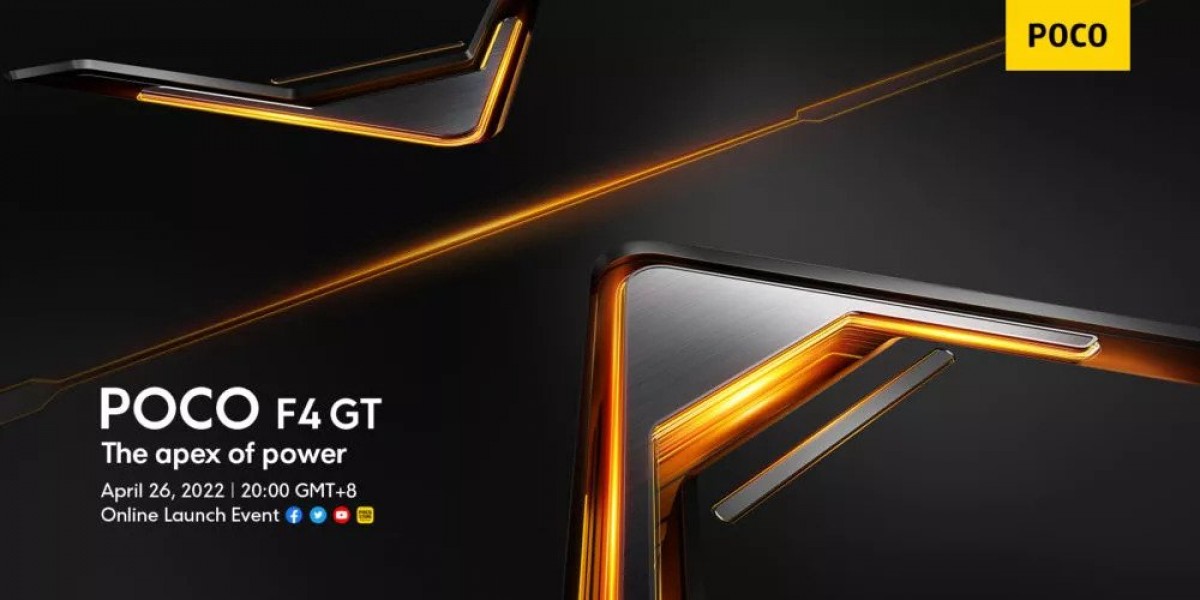
Poco F4 GT launching on April 26, shows up on Geekbench with SD 8 Gen 1
Poco sent out invites for its latest flagship F-series phone launch. The Poco F4 GT is set to be announced on April 26 via an online event that will be livestreamed on YouTube, Facebook and Twitter starting from 8PM Beijing time (12PM UTC). The device is expected to be a rebranded Redmi K50 Gaming and this was only further emphasized by a recent Geekbench listing.
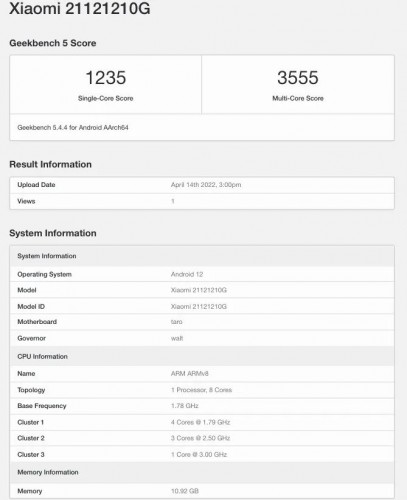
A Xiaiomi 21121210G phone believed to be the Poco F4 GT appeared in a Geekbench listing revealing it is indeed powered by the latest Qualcomm flagship chipset alongside 12GB RAM. The phone is running on Android 12, presumably with Xiaomi’s MIUI 13 on top and managed 1,235 points on the single-core test and 3,555 points on the multi-core test.
Poco F4 GT scorecard on Geekbench
All that’s left now is for Poco to reveal the pricing and availability details on April 26.
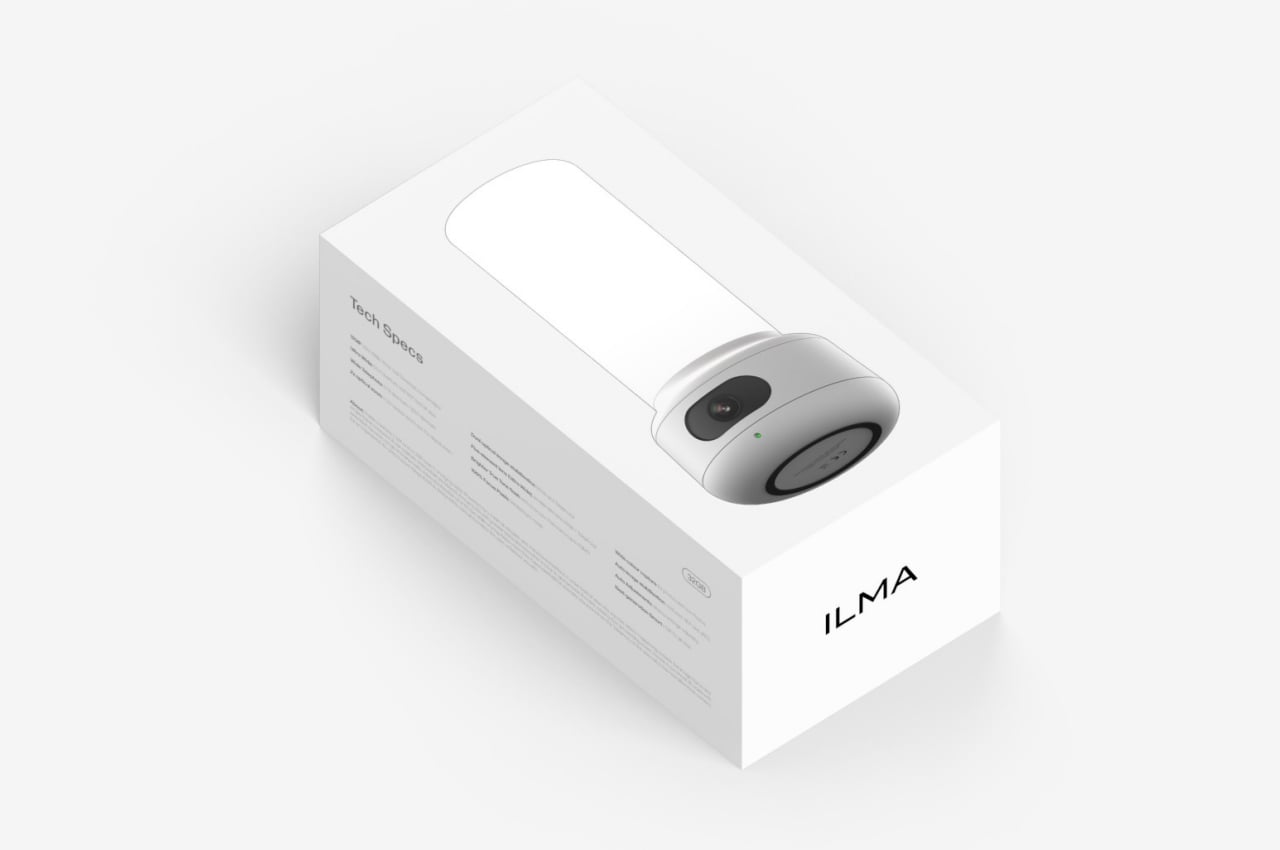
ILMA lets you carry your lamp, CCTV, and smoke alarm on your travels
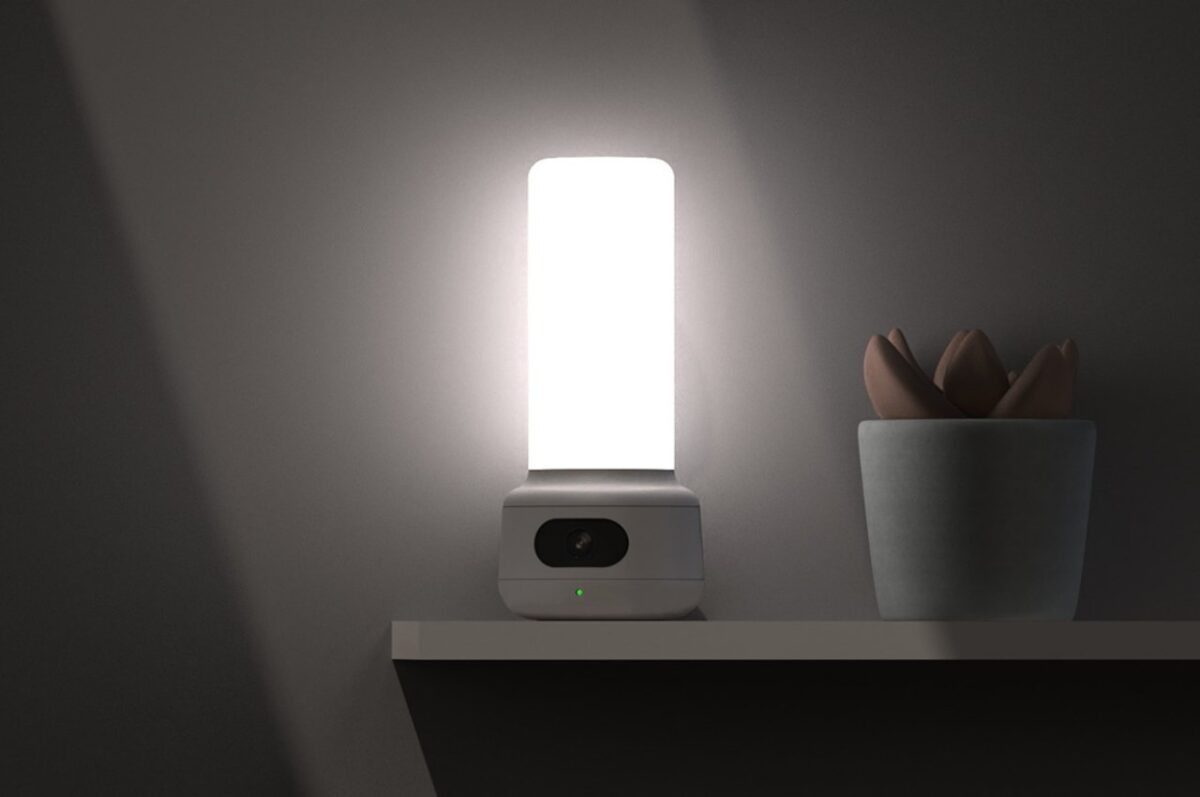
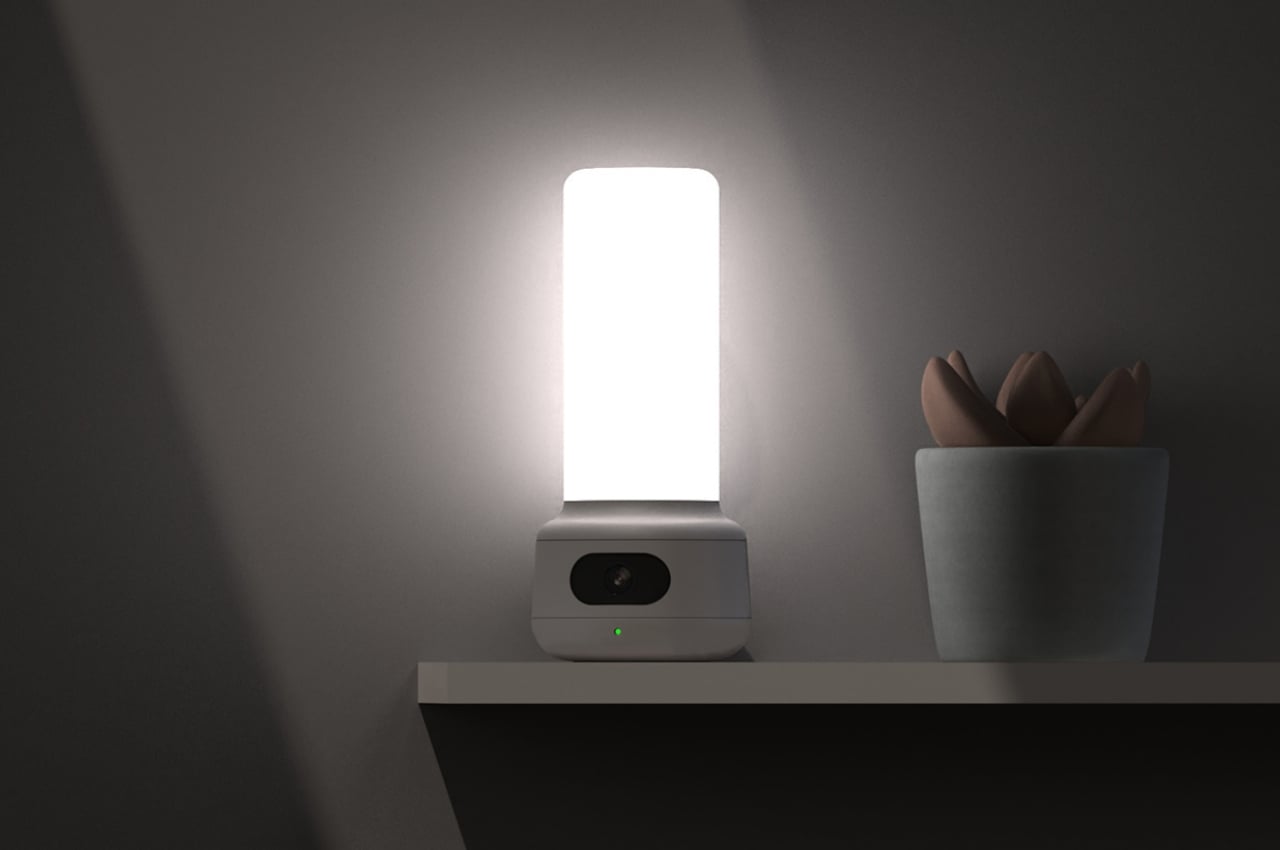
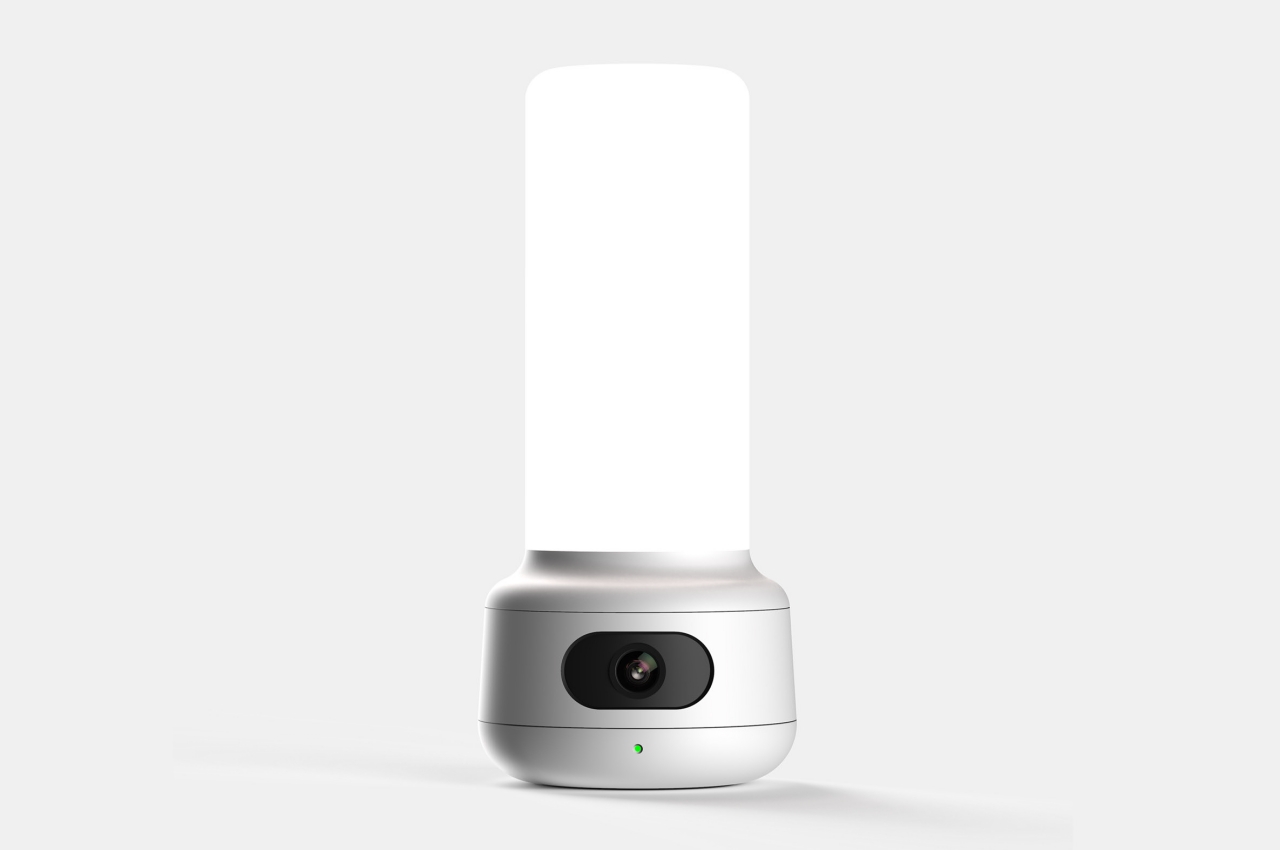
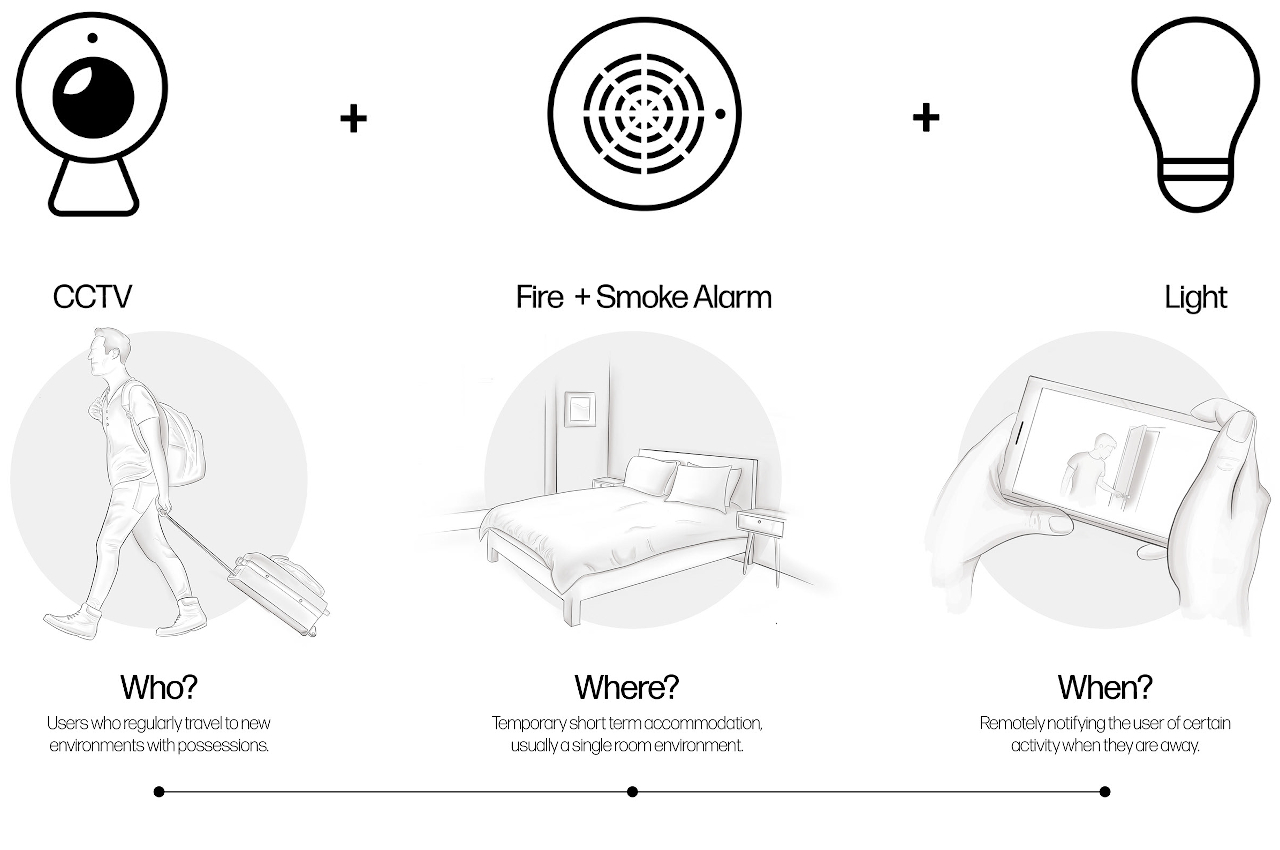
There seems to be a trend and a desire these days for products that do more than one thing, especially when it comes to tech gadgets. Although minimalist designs still influence the exterior appearance of certain products, designers are now able to hide multiple functions from public view. There are cases when more than one or two features unnecessarily increase the complexity of a product, but there are also times when combining functions into a single device sort of makes sense. These use cases can be justified, even though they may sound complicated. Although the jury isn’t yet out as to which side ILMA falls on, this device could be a lifesaver to those who frequent Airbnb and hotels, precisely because it combines three different devices into one.
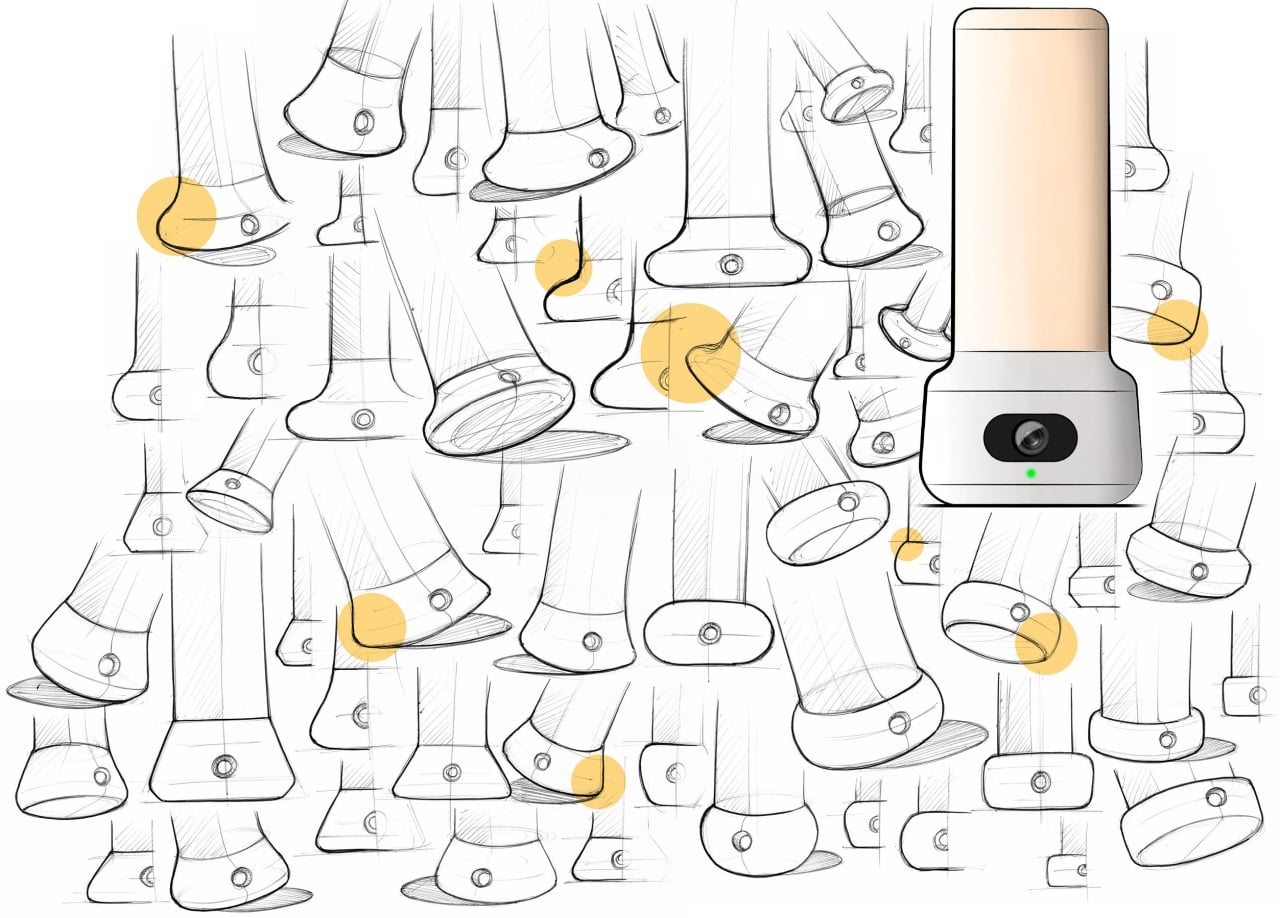
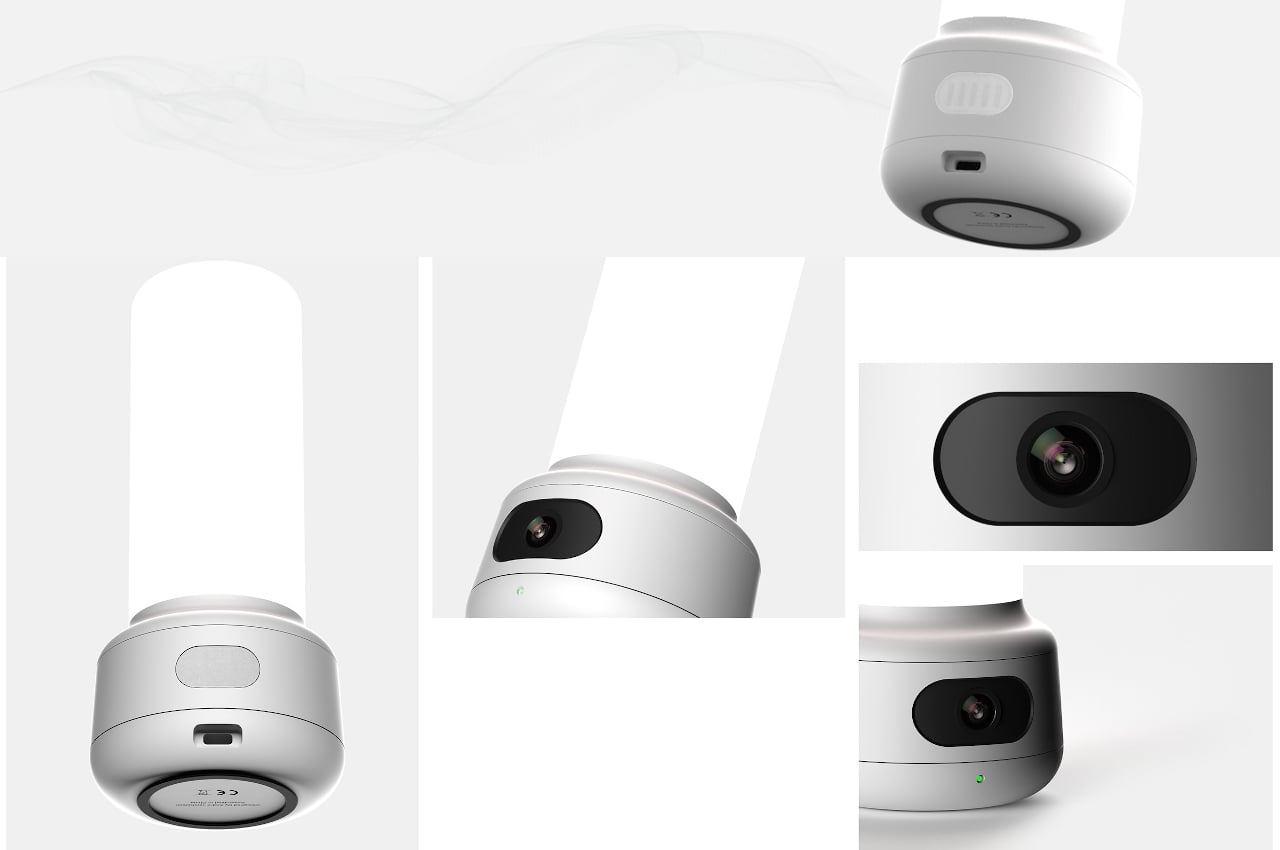
At first glance, two of ILMA’s functions are immediately apparent. It’s a cylindrical lamp sitting on top of a tall circular base with what is obviously a camera right in the middle. ILMA is a calm presence that can be used in all environments, despite the obvious sign of a recording device. You can charge it via USB-C cables. This makes it a small lamp you can bring along on your travels. In fact, ILMA doesn’t actually make sense unless you actually travel a lot and stay at unfamiliar lodging.
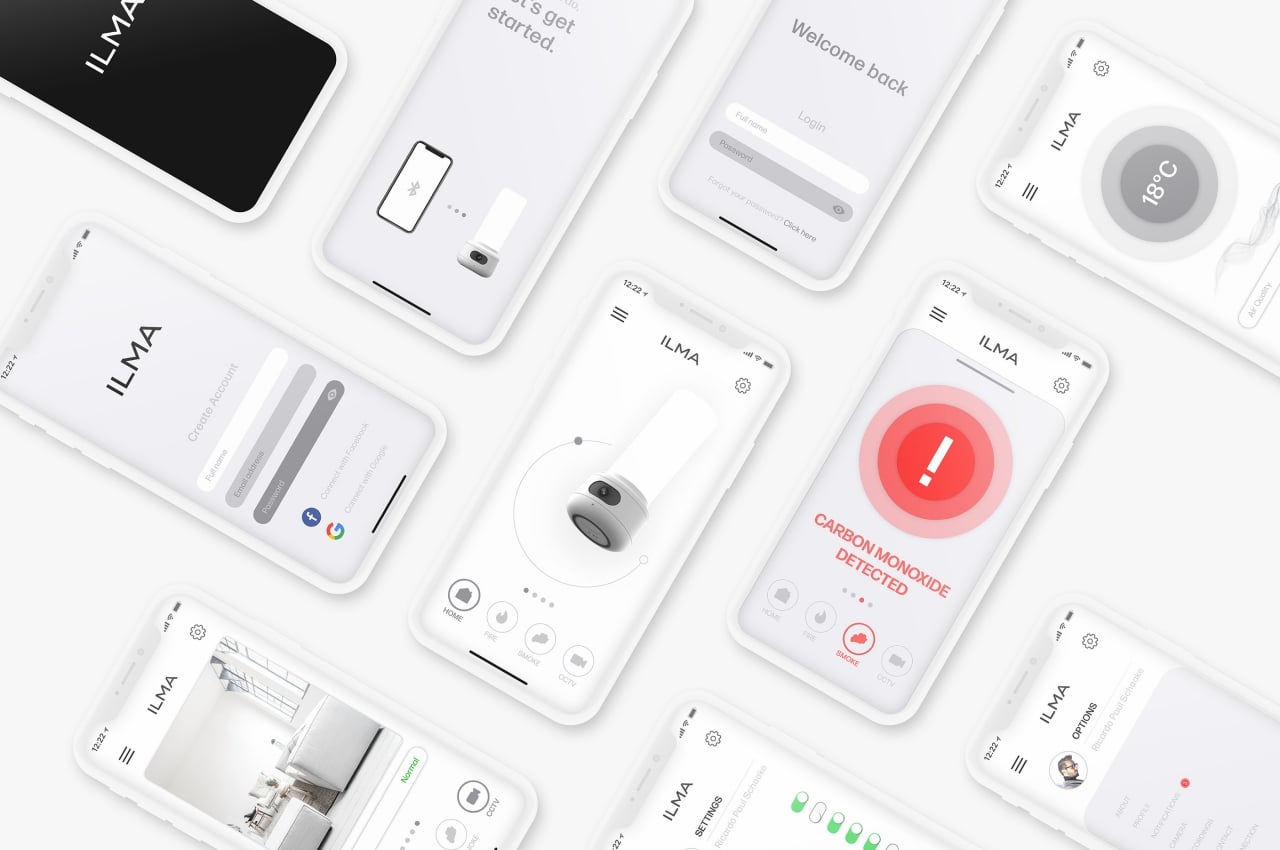
That camera serves the purpose of a typical indoor home security camera, except it’s portable. It’s supposed to even have motion detection and tracking so that it can have a 360-degree view of your hotel room or Airbnb whenever you’re out. Just like security cameras, alarms can also be sent from your smartphone to alert you of unwelcome guests.
The idea is that ILMA will be your sentry at your home away from home. There is always a sense of fear and uncertainty when staying in unfamiliar places, and this portable 3-in-1 device attempts to bring some peace of mind, in addition to some lighting at night. It won’t stop thefts from taking your ILMA, but it will give you evidence that can be used to prove the authorities.
ILMA actually has one other functionality that might come as a bit of a surprise. It is also a fire and smoke detector and can identify harmful gases like carbon monoxide, formaldehyde, and paint thinner. In the event that it finds these substances, the device will also send an alert to you phone.
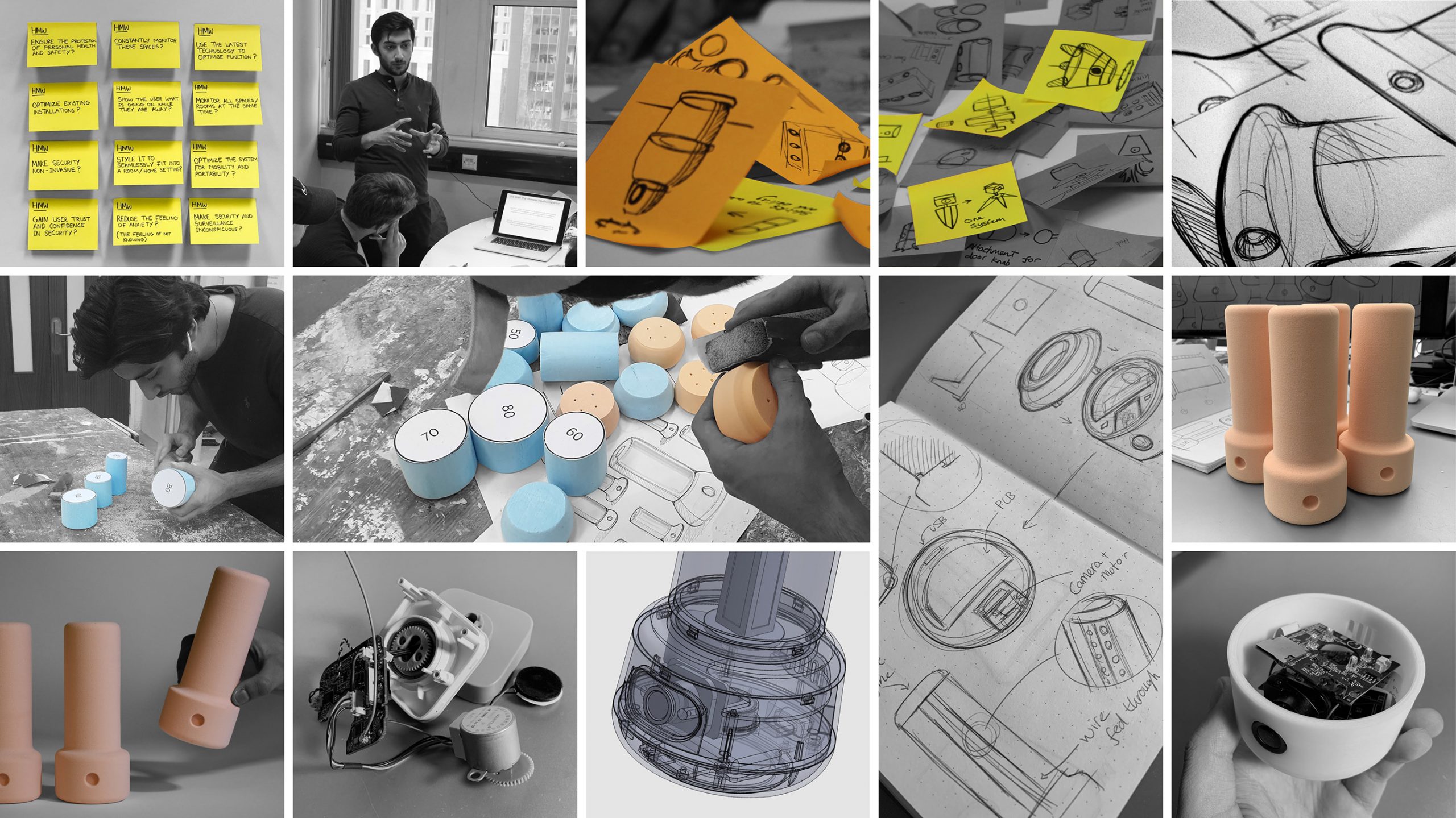
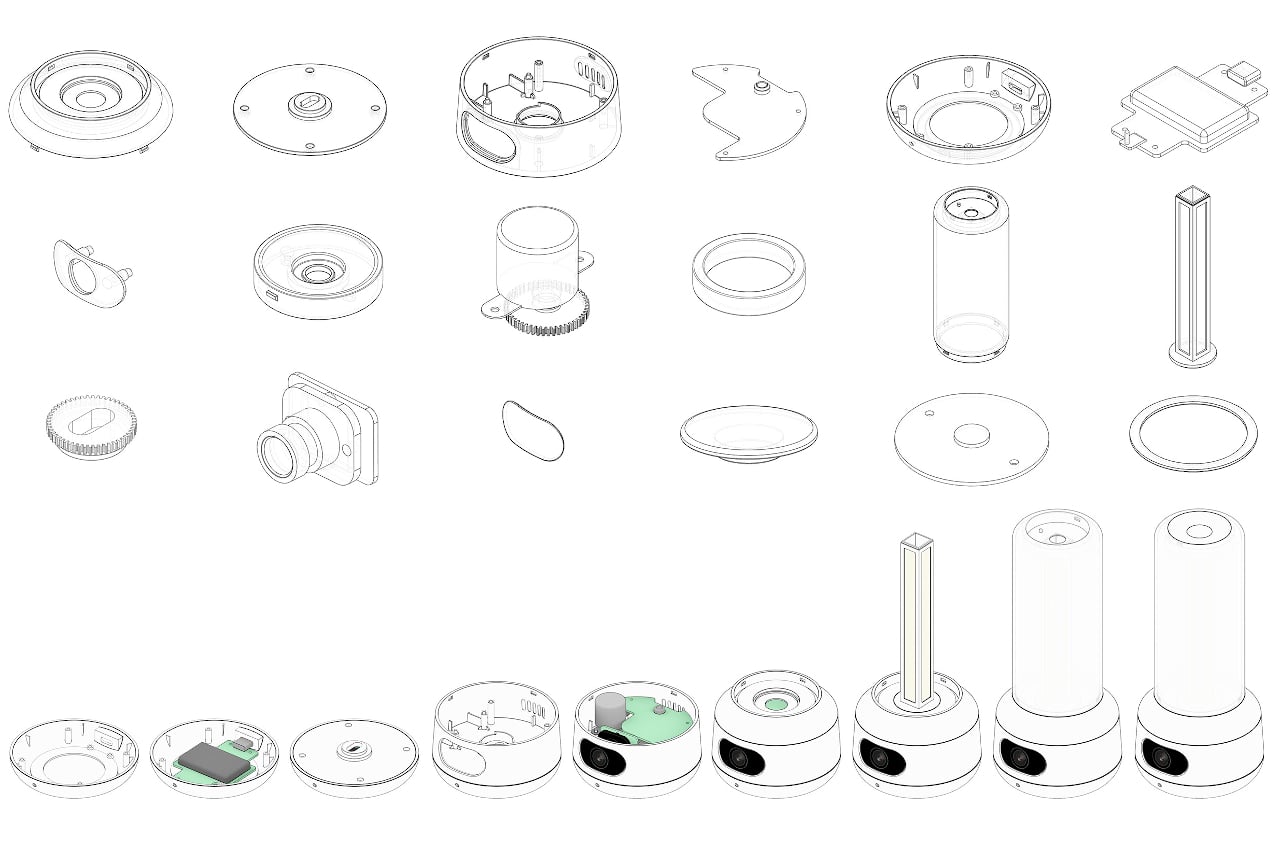
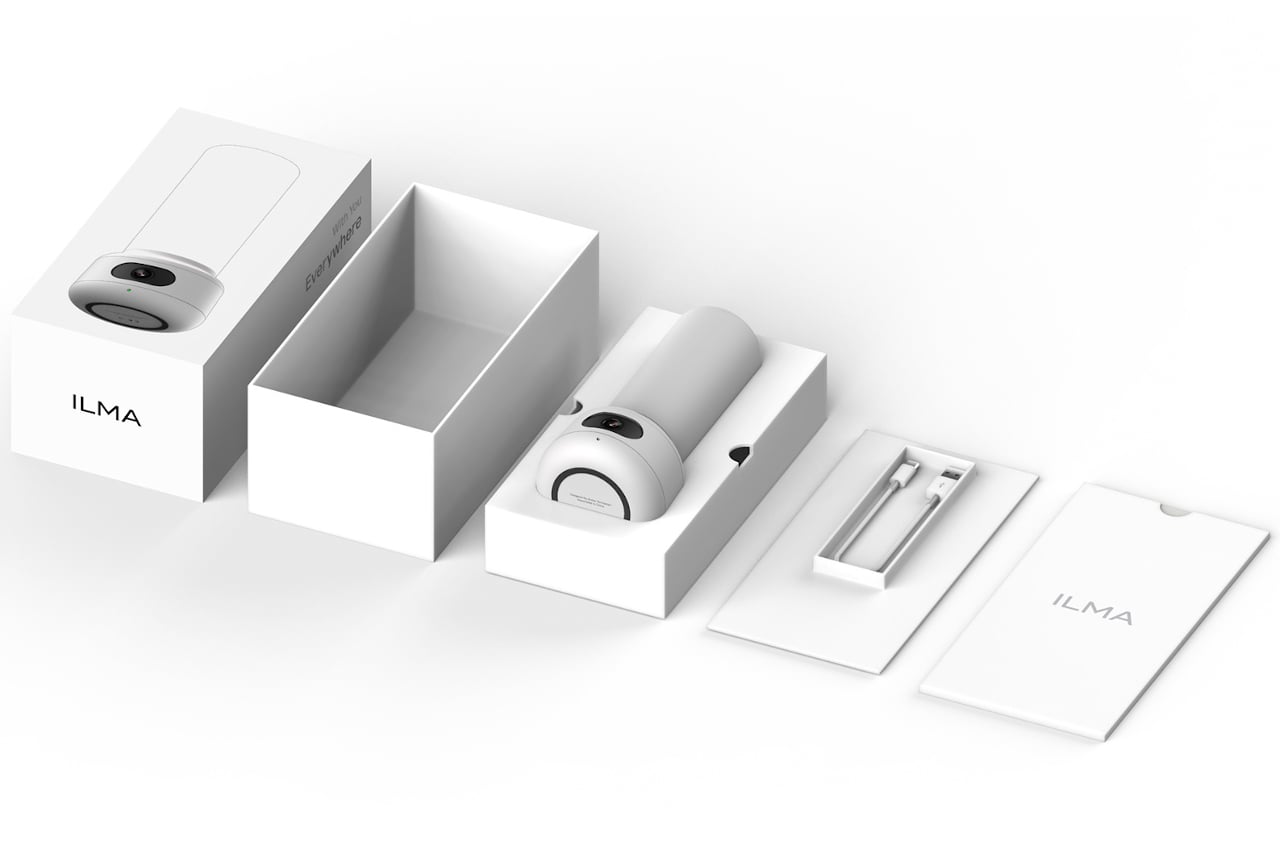
The designer also gave a lot of thought to the construction and packaging of ILMA. Its 18 parts are mostly held together by push and snap fits, making assembly and disassembly a lot easier. The box should also be made from 100% recyclable material and reduces the included accessories to just a USB-C cable, just like many smartphones today.

:format(webp):no_upscale()/cdn.vox-cdn.com/uploads/chorus_asset/file/23389375/londonpolice.PNG)

:format(webp):no_upscale()/cdn.vox-cdn.com/uploads/chorus_asset/file/22733504/Playdate_hero_shot.78c70891ea4f.jpg)
:format(webp):no_upscale()/cdn.vox-cdn.com/uploads/chorus_asset/file/23371972/playdate_early_concept.jpg)
:format(webp):no_upscale()/cdn.vox-cdn.com/uploads/chorus_asset/file/23382661/crank_jig.jpg)
:format(webp):no_upscale()/cdn.vox-cdn.com/uploads/chorus_asset/file/23382666/cranks.JPG)
:format(webp):no_upscale()/cdn.vox-cdn.com/uploads/chorus_asset/file/22731276/cplante_210721_ecl1072_0004.jpg)