Variety of Apple M2 chips and computers detailed in new leak
Reliable Apple analyst Mark Gurman shared some details for the first set to devices expected to utilize Apple’s next-gen M2 chipsets. These are currently being tested with third-party apps and include new MacBook Air, several MacBook Pros, a new Mac Mini and a Mac Pro.
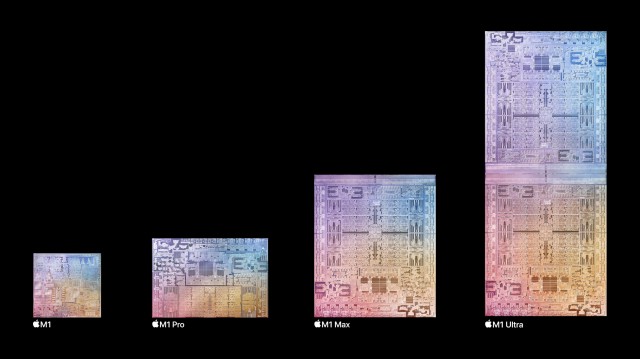
The Apple M1 family
The all-new MacBook Air featuring a standard M2 chipset at the helm with 8 CPU cores and 10 GPU cores. Gurman also mentions an entry-level MacBook Pro with an unspecified screen size with the same chipset specs as the M2 MacBook Air. The M2 Pro and M2 Max chips will power the next generation of 14 and 16-inch MacBook Pros. M2 Max is said to feature 12 CPU cores and a whopping 38 GPU cores.
Apple is also working on a Mac Mini which will use the M2 Pro chip and a new Mac Pro said to feature the M2 Max chip as well as an even more powerful chip which may be called the M2 Ultra or M2 Extreme – a successor to the Mac Studio’s M1 Ultra chip.
With WWDC 2022 coming up in June we should hopefully hear more about Apple’s plans for the new M2 chipsets and devices.
The Witcher 3 next-gen isn’t in development hell according to CD Projekt
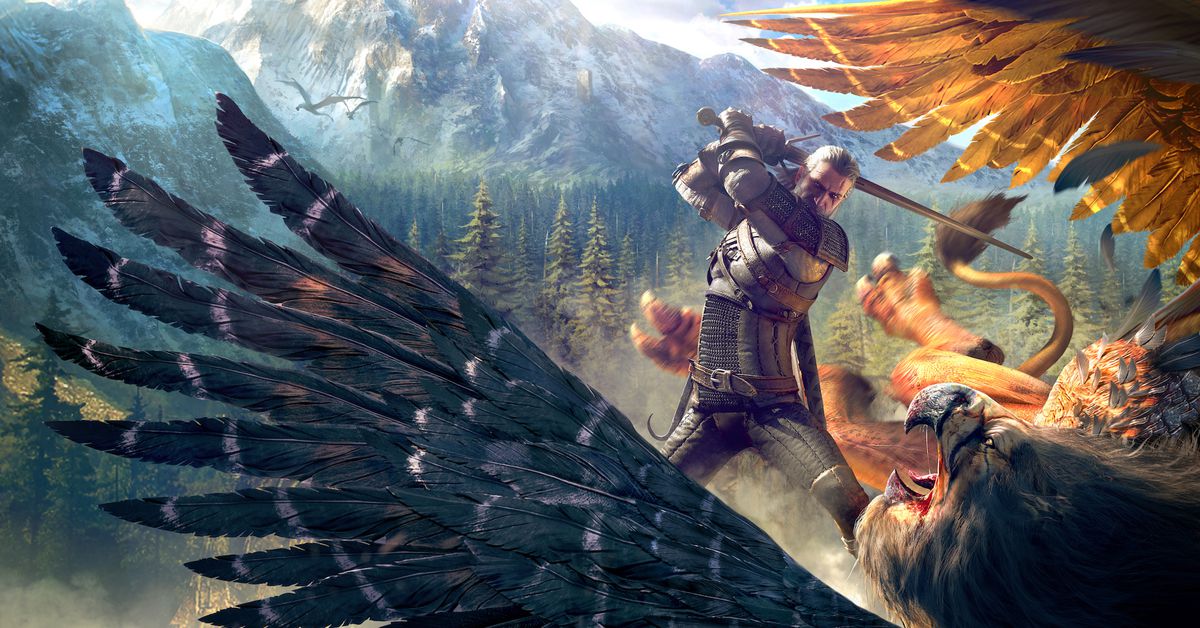
CD Projekt announced on Thursday that it’s taking over development of The Witcher 3‘s next-gen update, which it had outsourced, and is evaluating how much extra work the new version of the game needs. Despite how gloomy this may sound, the developer clarified on Friday that the update isn’t in “development hell,” but also didn’t provide a release window.
“I’ve been looking at headlines that popped up here and there over the internet, and I’ve seen one that really drew my attention, which is, ‘Witcher 3 next-gen delayed indefinitely,’ which sounds like the game is in some sort of development hell,” Michal Nowakowski, CD Projekt senior vice president of business development, said during the company’s investor teleconference on Friday. I want to make it clear that this is not true. Many people have implied that the launch will be in June next year.
It is worth noting, that The Witcher’s original announcement about the delay in the next-generation update was made through the Twitter account of CD Projekt. The tweet stated that CD Projekt was taking development of the PlayStation 5 and Xbox Series X versions of the game in-house, and that it was delaying the game’s release and evaluating potential new dates.
“The game is going to be finished in-house. Nowakowski said that we are evaluating our time and that it requires some investigation. No one is saying that the game has been delayed by a huge time difference. That’s as much as I can say about Witcher next-gen, but I really want to emphasize that fact.”
CD Projekt also clarified on the call that the work taken on by the team to develop The Witcher 3‘s next-gen version in-house won’t affect development of the studio’s next game.
Despite all this, the call didn’t involve any specifics on when the next-gen version of The Witcher 3 might actually be released, but at least we know for sure now that it isn’t going to be June 2023.
Kingdom Hearts made crossovers cool — cursing us all, and itself too
It’s 2022, and crossovers are everywhere. From Fortniteto Space Jam 2, media corporations have learned to play nice with one another in the name of epic money-making. It helps that a few of those corporations now own all of the other ones — and there is no media company more notorious for that accomplishment than Disney, the proud owner of Pixar, Marvel Studios, Lucasfilm, 20th Century Fox, and more. Perhaps that’s why the announcement of Kingdom Hearts 4, and the rumor that Star Wars characters could show up in the game, feels bittersweet.
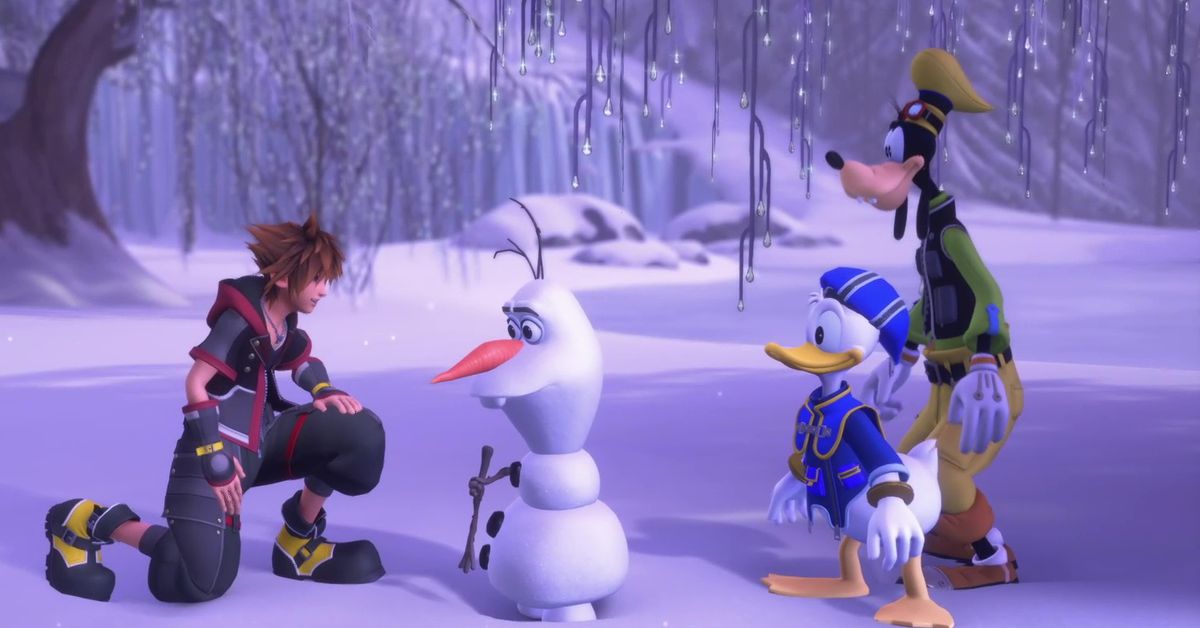
It doesn’t help that Kingdom Hearts 3 did not exactly recapture the magic. Maybe it was because Sora and his friends sailed into the uncanny valley during the Pirates of the Caribbean section; maybe it’s because Elsa performed “Let It Go” in its entirety rather than cutting out a chorus or two and letting us be on our way. Or maybe it was because the landscape of pop culture has changed so much since the first Kingdom Hearts game came out back in 2002. These days, Sora has a much bigger villain to fight: the exhaustion that people everywhere have begun to feel towards crossover events in general and those from Disney in particular.
It wasn’t always this way. Back in 2002, Kingdom Hearts was a revelation — a never-before-seen example of corporate collaboration across movies and video games. In a talk at DICE 2010, Disney exec Steve Wadsworth and his colleague Graham Hopper looked back on Kingdom Hearts’ legacy, with Hopper noting it was “so radical” for Disney and Square Enix to mash up their characters that many staffers worried internally that the result would be “an abomination.” Why would Disney have agreed to something like this, they wondered? Cloud Strife and Donald Duck, in the same game? What the hell was going to do?
Here’s how Kingdom Hearts pulled it off: The game’s hero, Sora, ventures into a wacky multiverse of Disney and Final Fantasy worlds. Riku and Kairi are his closest friends, but they’ve also disappeared into the multiverse. The mysterious darkness is threatening to overtake it. Along the way, Sora befriends Donald Duck and Goofy, meets Aerith and Squall, and finds out his friend Kairi is a Disney princess (and, therefore, a damsel in distress in need of his rescue — it was the early 2000s, after all). Meanwhile, Maleficent has manipulated Riku against his friends, allowing for a conflict and eventual resolution between Sora and Riku that inspired decades of queer fanfiction. In the end, Sora and his pals unite to fight back against the darkness, which turns out to be manifestations of their own self-doubt and unhappiness. The best way to sum up their triumph is love conquering all. This album sold like gangbusters.
I played through the first three games when I was 19, cynical and still wrestling with myself over my queer identity; I played the games alongside a friend who came out as trans a decade later, both of us finding parallels to our own experiences in the story of Riku and Sora. That makes it all sound heartwarming, doesn’t it? We also had a lot of fun imitating Mickey Mouse’s voice, and even shrieking-laughing each time Donald Duck spoke. The games were just so damn weird, in ways that felt delicious and impossible; they were not only queer-coded and meaningful to us in that way, but also just straight-up wacky.
Kingdom Hearts felt like fanfiction. Specifically, it felt the way fanfiction felt in the 2000s; back then, fan-created works explored groundbreaking, risky ideas (like queerness), but they were also on very shaky legal ground, often mocked by authors who didn’t like to see their characters re-interpreted by fans. Fanfiction has become a popular form of marketing and is often celebrated or encouraged by media makers. This fits well with current multiverses and crossovers. Everything is Kingdom Hearts now — but it didn’t used to be.
It’s hard to even imagine current-day Disney as an underdog, but in the early 2000s, the company was in the midst of an infamous slump. Disney’s partnership with Pixar had resulted in huge successes, like Toy Story in 1995 and A Bug’s Life in 1998, but Disney’s own animated films were underperforming. This led to strife between Pixar and Disney as the former increasingly carried the latter; the situation didn’t resolve until 2005, when longtime Disney CEO Michael Eisner got ousted and replaced by Bob Iger, who reportedly repaired Disney’s relationship with Pixar. This also led to Disney’s formal acquisition of Pixar in 2006.
The conception of the first Kingdom Hearts game happened during that rocky time period for Disney, at the very beginning of the year 2000. According to Kingdom Hearts director Tetsuya Nomura in an IGN interview, it all began when Square Enix game producer Shinji Hashimoto had a chance meeting with some Disney executives in an elevator. Whatever Hashimoto said to them, it worked, leading to the creative agreements necessary for the game to start development in February 2000. The game would take characters from Square Enix’s Final Fantasy series and mash them together with Disney icons, like Donald Duck and Goofy, but also characters from more modern animated movies like The Little Mermaid and Tarzan.
Square Enix
Back in 2000, crossovers were often difficult to negotiate on any massive scale. The closest parallels on the gaming side would be fighting games like X-Men vs. Street Fighter in 1996, or Nintendo’s Super Smash Bros. in 1999. These games were like the greatest fanfictions and best “who will win?” debates. They felt like gifts to players who had spent years dreaming up what it would feel like for their favourite characters in combat.
Disney had a similar story with Who Framed Roger Rabbit? (1988), a movie in which Disney and Warner Bros. cartoon characters traded quips with one another, alongside live-action actors. This resulted in sequences like a piano battle between Disney’s Donald Duck and Warner Bros.’ Daffy Duck, with the latter hypocritically mocking the former over his “speech impediment.” That gag is only possible because both corporations allowed their characters to not only appear but to make fun of one another — as well as the animation industry itself, given the film’s larger critique of show business. Roger Rabbit was a risky venture, but the results were impressive in terms of both critical praise and box office returns.
Back in 2000, though, the Disney executives working with Square Enix on Kingdom Hearts still had their reservations. According to Nomura, Disney wouldn’t allow its best-known character and worldwide icon, Mickey Mouse, to appear in the game — except for in just one shot, so Square Enix had to make it count. CBR’s history of the series states that Square Enix had originally wanted Mickey Mouse to be the game’s protagonist, so Disney offered the compromise of Donald Duck instead. You can imagine Donald Duck being the gruff hero of Kingdom Hearts ,. But Nomura offered a third choice. Nomura created Sora as a unique human character. He has the same childlike curiosity and zip-laden jackets that Final Fantasy characters, but he also designed Sora. He is the perfect combination of the two worlds and can unite them all.
Just like Roger Rabbit , and Smash Brothers ., this worked. Kingdom Hearts was a hit with kids and teenagers who love Disney. Square Enix’s Final Fantasy 7 (1997) was a fantasy-meets-cyberpunk RPG with a tearjerker climax and multiple twist-laden reveals about its hero’s trauma-filled past, cited early and often in debates about whether games could be art — yet, here was its roster of characters, also appearing in a corny Disney game featuring Donald Duck as a high-powered magic wielder (and, as always, masterful shit-talker). It made absolutely no sense for Aerith to be smiling gently at Goofy’s jokes, and yet here they all were, running around Traverse Town together.
The result was not only bizarre but hilarious, simply due to the juxtaposition of the serious Final Fantasy heroes with the wackier Disney ones. Kingdom Hearts‘ success paved the way for Kingdom Hearts: Chain of Memories and Kingdom Hearts 2 to bring even more characters and absurd scenarios into the mix. Square Enix, having earned Disney’s trust and bolstered its wallets, included Mickey Mouse as a main character in the series. This was to flesh out his bizarre appearance at the conclusion of the first game. It’s a strange result. The Kingdom Hearts series features a squeaky voiced, large-eared Disney character as a legend bad-ass with extraordinary superpowers. He is outfitted in a Matrix trench and gives him mysterious one-liners on the dark forces that threaten Sora. Except that these one-liners are delivered with Mickey’s voice. It’s wild.
After Kingdom Hearts 2‘s release in 2005, the world as we know it began to form. Disney acquired Pixar in 2006, and in 2008, Iron Man kicked off the first phase of what would become the Marvel Cinematic Universe. In 2012, Disney bought Lucasfilm, and The Avengers and Wreck-It Ralph came out that year, mainstreaming the idea of both a filmic multiverse and a massive video game crossover movie. By the time we got to 2019, the dark timeline had been sealed. Kingdom Hearts 3 came out in January 2019, and two months later, Disney bought 20th Century Fox. In November, Disney Plus debuted withThe Mandalorian, and Rise of Skywalker closed out the year.
Image: Square Enix
14 long years went by between Kingdom Hearts 2 and Kingdom Hearts 3, and clearly, Disney achieved a lot of oversaturation in that time. But also, a lot of other smaller Kingdom Hearts games came out to a mixed reception, and many players cite those games as the reason why Kingdom Hearts 3 didn’t work for them. After all, some of those games were only available in Japan at first, and several of them were only available on handheld devices. Getting caught up on Kingdom Hearts 358/2 Days (2009) and Birth By Sleep (2011) required you to own both a Nintendo DS and a PlayStation Portable — and then you also needed to purchase a Nintendo 3DS to play Dream Drop Distance in 2012.
The various Kingdom Hearts games that were released between KH2 and KH3 took some strange turns. Disney was still there, but Final Fantasy became less prominent as Final Fantasy’s world expanded and included more characters with unique backstories. The Kingdom Hearts series still felt like fanfiction, but now it felt like a story by a writer who’d realized they’d rather be writing an original fantasy novel. The results were deliciously odd, and frankly lacking in the mainstream appeal that had made the original KH and KH2 a smash hit for both Disney and Square Enix.
Several Kingdom Hearts fan, such as mine, enjoy the fact that it didn’t always make sense and went a little crazy. But the unfortunate result was divergent audience expectations heading into Kingdom Hearts 3. The Disney Corporation had already become comically evil as Maleficent, and it was absorbing everything that came its way, attracting dozens upon dozens A-list actors to its growing Marvel movie roster. Audiences weren’t just facing superhero fatigue by the time 2019 rolled around. They had Star Wars fatigue, crossover fatigue, Disney fatigue … basically, audiences had Kingdom Hearts fatigue.
I actually like Kingdom Hearts 3, but maybe that’s because it reminds me of a past that’s long dead. Sora’s unyielding, boyish optimism in the face of impossible odds used to inspire me, even as a cold-hearted 19-year-old back in 2005. And the fact that Mickey Mouse was and still is supposed to be a bad-ass is never not going to make me laugh. Whenever I watch compilations of ridiculous clips from Kingdom Hearts, often shared by people attempting to mock the series, I roll my eyes because those people don’t understand that everyone who loves these games knows they’re ridiculous — and that’s the point. You can’t not laugh at Donald Duck standing next to Cloud Strife. It’s funny as shit. It rocks!
Except it also sucks. It does, at least it does right now. It sucks because at some point, every major corporation realized that crossover fanfiction was a concept that could be monetized to hell and back. Modern-day crossovers don’t exist for the sake of showing audiences something more about who these characters could become if they had the chance to visit one another’s worlds. Instead, today’s crossovers seem designed to inspire a sense of recognition and little more than that. As Cameron Kunzelman put it in his analysis of Space Jam 2: “Tweety Bird ends up in The Matrix. The Road Runner and Wile E. Coyote hang out in the Fury Road universe … The problem here is not simply that the references happen, but that the references are made possible by a system of intellectual property concentration that encourages us to value things in terms of how much recognizable content is in them.”
Image: Square Enix via Polygon
Despite it all, though, I have hope for Kingdom Hearts 4. Disney is a huge company that has become so homophobic and boring it cannot help but to be bland and samey. Kingdom Hearts, however, can’t really be described as an animated series. The complex and lore-filled story of Kingdom Hearts is difficult to understand by the majority of audiences. It’s neither easy nor accessible. It’s not always aimed at a mass audience. And compared to the rest of the Disney media lineup in 2022, that’s fascinating.
I don’t think Kingdom Hearts is necessary to become cool again. It does help that I remember when it was cool; I enjoyed Kingdom Hearts 3 more thanks to my own nostalgia. But in 2022, I don’t expect Kingdom Hearts to be groundbreaking or surprising. You can’t expect it to be, because the current corporate hellscape inspired it.
I say, instead: Let it go weird. Let it be reactive, more like Nomura’s other project Final Fantasy 7 Remake, which itself serves as a commentary on the player expectations around the original beloved classic. It should be provocative, as Who Framed Roger Rabbit. And let it be silly, like the very first Kingdom Hearts game, in which the enduring power of love in the face of an apocalypse earned this succinct description from Goofy: “Even if this place goes poof, our hearts ain’t goin’ nowhere.”
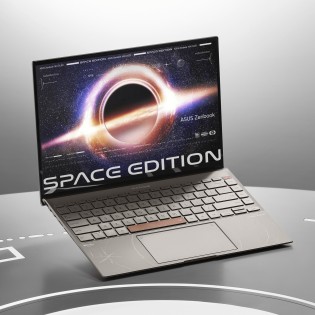
Asus launches the ZenBook 14X OLED Space Edition with external display
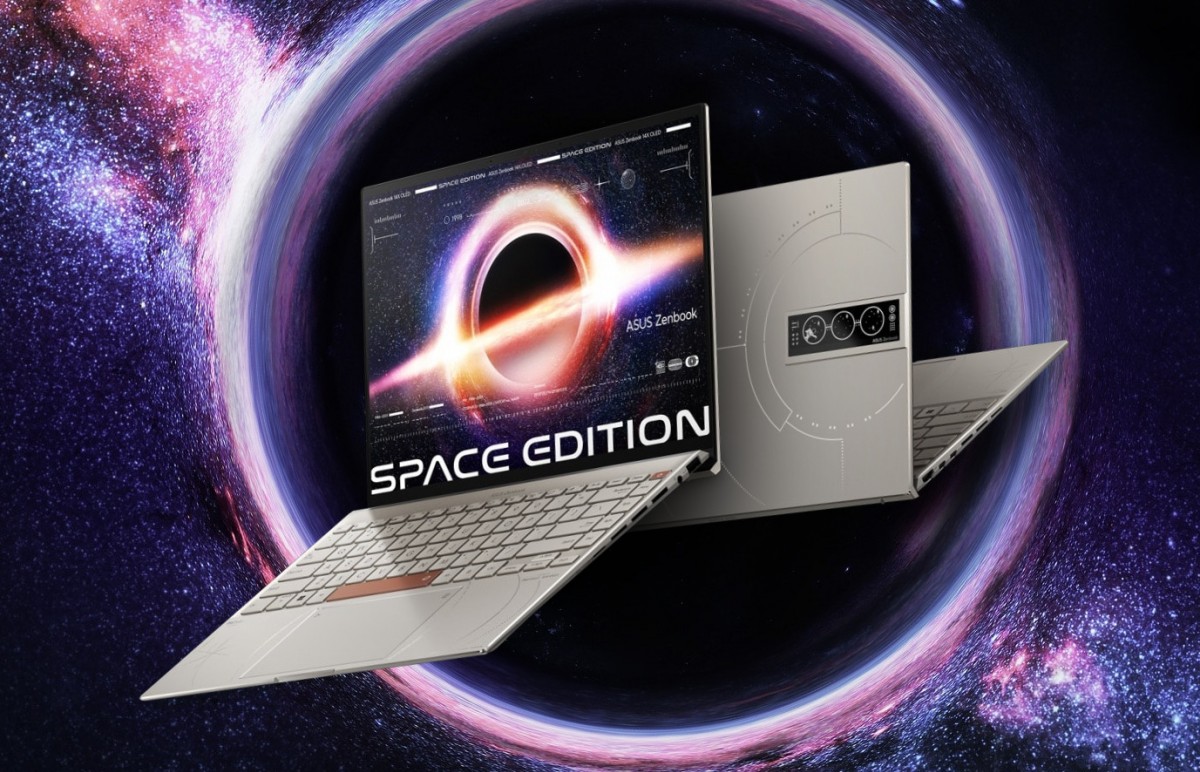
The ZenBook 14X OLED Space Edition from Asus, that debuted back at CES 2022, is finally hitting the shelves. The laptop is powered by Intel’s latest 12th Generation Core i9-12900H CPU with integrated Iris Xe GPU paired with up to 32GB of RAM. As the name implies, it packs a 14″ OLED screen – the panel has 16:10 aspect ratio and 90Hz refresh rate.
Asus ZenBook 14X OLED Space Edition
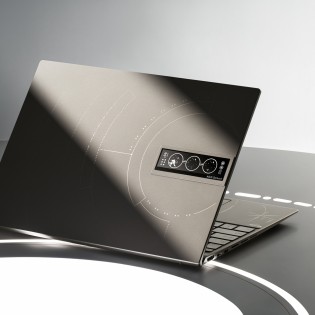
There’s a secondary, 3.5-inch mini OLED screen on the cover, which is certainly setting this laptop apart. It can display various animations, notifications, battery status, date and time and user-customizable text. The rest of the chassis has some futuristic-looking elements that are supposed to resemble a spaceship. In addition, it’s in accordance to the US Space System Command Standards (SMC-S-016A), which makes it resistant to vibrations and extremely low or high temperatures.
Since it’s a 14-inch laptop, it has no numpad, but Asus lets you put one on the LED-illuminated touchpad. The fingerprint reader is integrated into the power button. Around the sides, the ZenBook 14X features 4x USB-C connectors, a USB 3.2 Gen2 Type-A port and an HDMI 2.0 one as well.
The device is can already available thtough various retailers in the US with a starting price of $1,999.
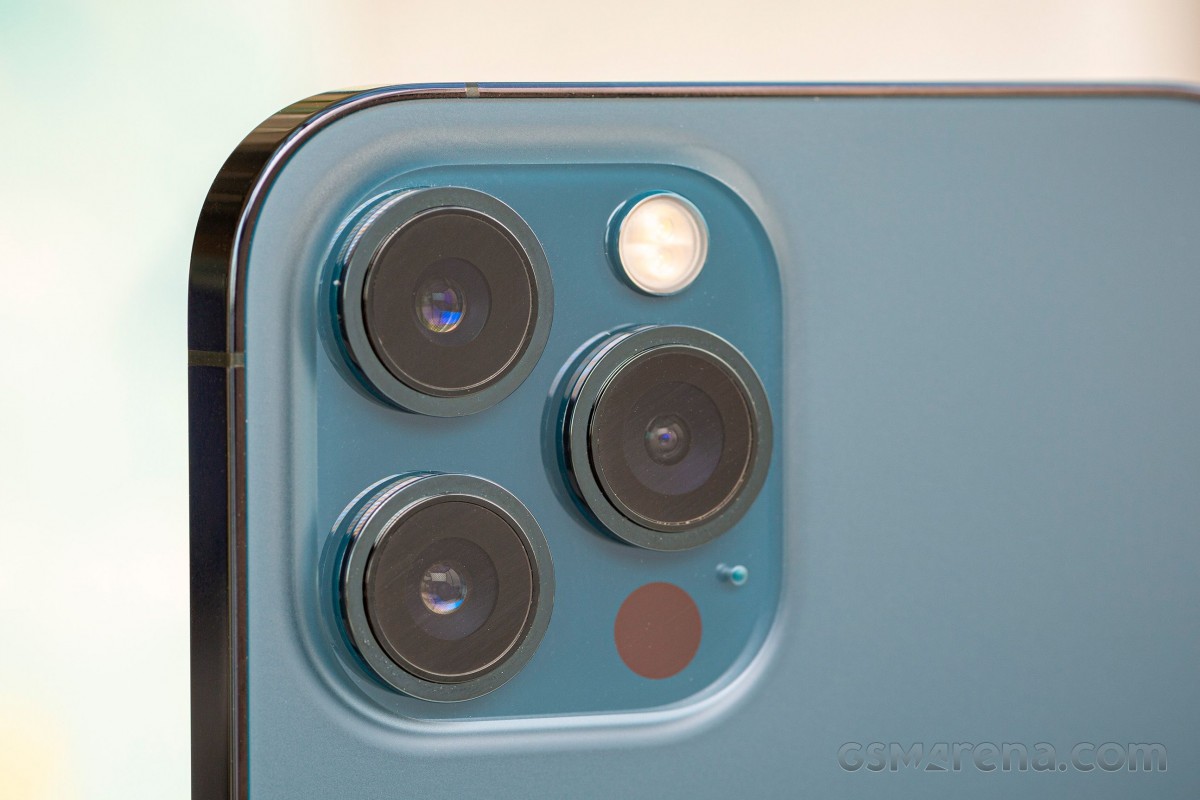
Apple to introduce a new telephoto camera with iPhone 15
According to industry sources, a big OIS and autofocus actuators supplier in South Korea has struck a deal with Apple. Last year, the US-based company visited Jahwa and some believe that the OIS modules maker is spending more than $155 million on building a new manufacturing facility.
Given the size of the investment and the fact that Apple often asks its suppliers to build production lines just for its needs that’s a strong indication that the two companies are starting to work together. It’s interesting to note that Jahwa is a supplying OIS modules to Samsung as well.
The new camera hardware, which is believed to be used for telephoto units, will come just in time for the iPhone 15 lineup next year, starting production in Q2 2023.
Now, while this doesn’t mean that Apple has decided to include a periscope telephoto camera, it’s an indication that a more advanced zoom camera is in the works.
Halo Infinite season 2 new maps Catalyst and Breaker previewed in new video
Halo Infinite players will soon have a couple of new multiplayer maps to compete on when season 2 launches on May 3. The game is getting new maps as part of its upcoming season 2 update, and developer 343 Industries gave fans their first look at the new battlefields with a preview video on Friday.
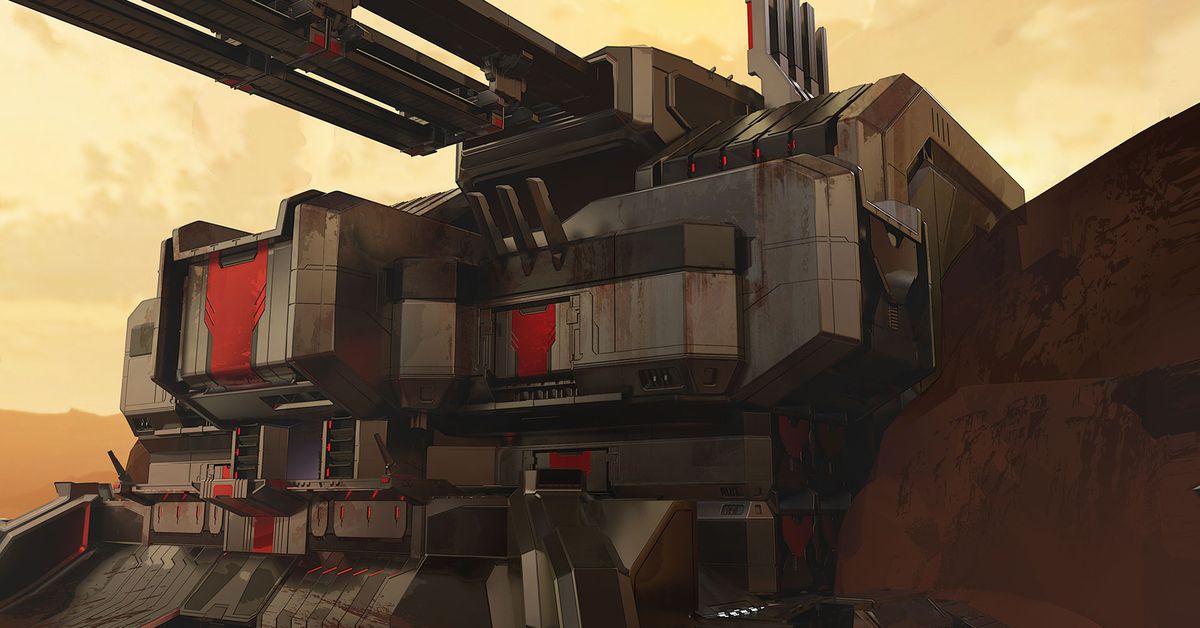
One of the maps is an Arena map known as Catalyst. It’s a Forerunner structure with faded silver everywhere, various ramps leading to different heights, hardlight bridges, and plenty of hallways to meet and fight your opponents. It’s exactly what you expect out of a classic Halo map. 343 says that Catalyst is symmetrical and was inspired by Halo 3’s Epitaph map.
Breaker will be for Halo Infinite’s Big Team Battle mode, which means that it’s a whole lot larger than Catalyst. Breaker takes place in a desert with two massive fortresses for teams to use as their home bases. 343 says that the map is particularly great for Capture the Flag, thanks to its center lane that offers snipers optimal site lines and the huge pit in the middle that you can jump a Warthog over … as long as you avoid the giant laser that guards it.
Both maps look to bring different environments than what Halo Infinite has to offer so far, which should provide a nice change of pace for the community. The season 2 update will be Halo Infinite’s first major content addition since it launched late last year. While season 2 is set to add new multiplayer content, other additions like Forge and campaign co-op won’t be added until a later update.
vivo X Note Aerospace Edition comes with meteorite pendulum
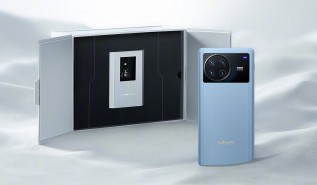
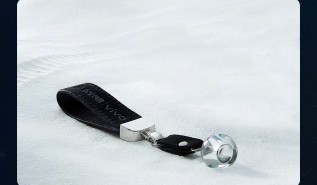
The brand new vivo X Note was announced earlier this week with a gigantic 7-inch AMOLED display and the Snapdragon 8 Gen 1 chipset and now vivo is bringing an exclusive Aerospace Edition of the phone. The major change here is the packaging of the phone which features a much more premium experience including a special pendulum housing a piece of Achondrite meteorite from the Moon. The rare space mineral is stored in a glass housing and is attached to a leather strap.
vivo X Note Aerospace Edition
The actual phone features a blue colorway and 12GB RAM and 256GB storage. The regular 12/256GB vivo X Note retails for CNY 6,499 ($1,020) but vivo hasn’t revealed the price premium for the Aerospace Edition variant. The phone will be sold at a flash sale event which kicks off today and goes through April 22 via vivo’s online store and JD.com.
OnePlus 10 Pro gains compatibility with Verizon’s 5G network
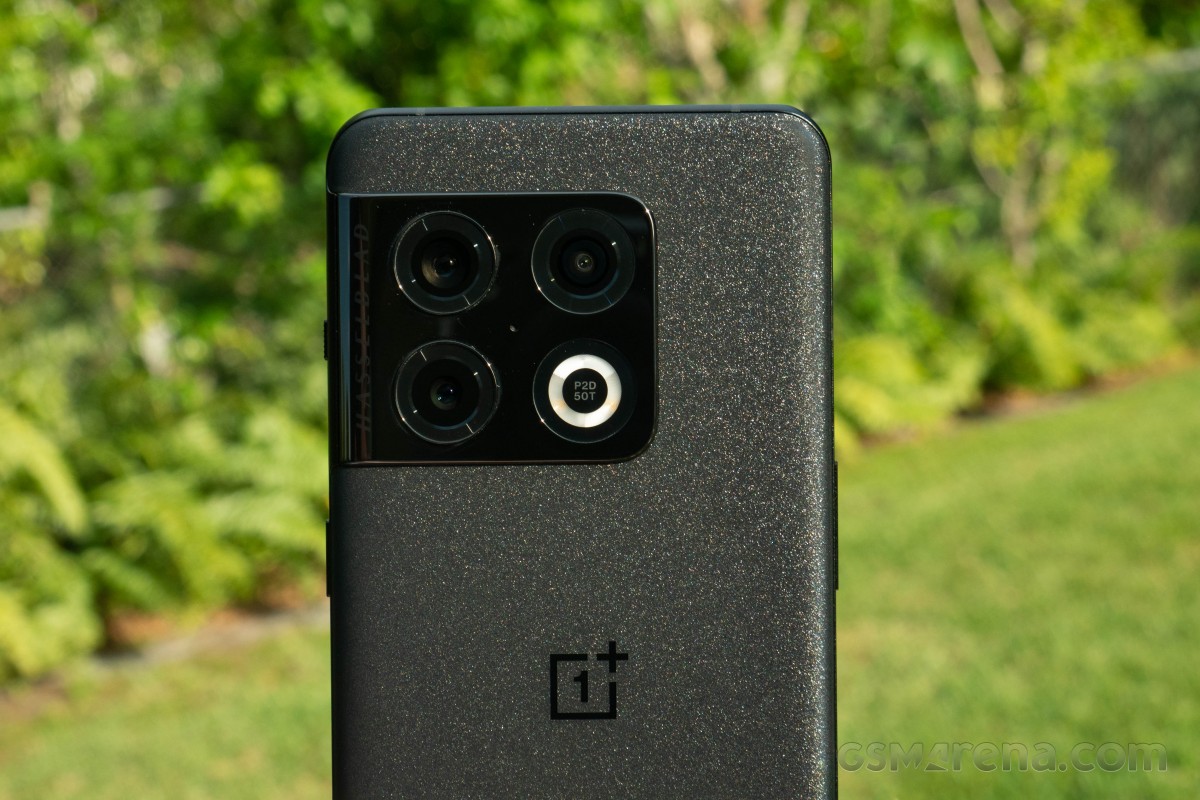
The OnePlus 10 Pro went on open sale in the US yesterday and it comes with support for Verizon’s C-band Ultra Wideband 5G. The phone initially did not have access to the coveted n77 band which works on the 3. 3 to 4. 2GHz spectrum but OnePlus managed to work things out with Verizon just in time for the phone’s launch.
OnePlus 10 Pro does not support the faster but not so-widely available mmWave band yet. Verizon and T-Mobile are the only carried that offers 5G connectivity on the OnePlus 10 Pro after. AT&T has not certified the device to work on its 5G network yet and it seems that won’t change in the foreseeable future.
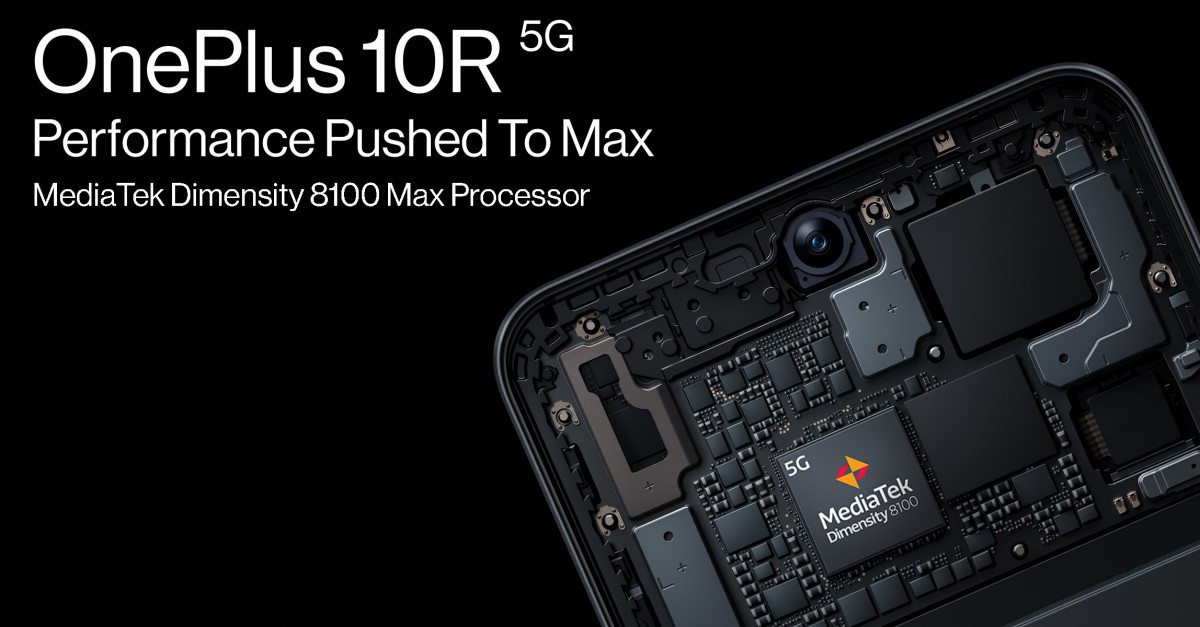
OnePlus confirms exclusive MediaTek Dimensity 8100-MAX coming to OnePlus 10R in India
OnePlus today confirmed additional details regarding its upcoming OnePlus 10R 5G set to launch in India later this month.
The OnePlus 10R 5G will feature the MediaTek Dimensity 8100-MAX chipset. This Dimensity 8100 variant is only available to OnePlus. The company refused to comment on the differences between the MAX and non-MAX variant at the time of writing.
The standard Dimensity 8100 features an octa-core design, with 4x Cortex-A78 performance cores clocked at 2. 75GHz and 4x Cortex-A55 economy cores clocked at 2.0GHz. It also features a Mali-G610 MC6 GPU and MediaTek 580 APU. OnePlus touts similar specifications in its spec sheet, which makes the difference all the more nebulous.
Apart from that, the company also confirmed that the OnePlus 10R 5G will support 150W SUPERVOOC fast charging for its 4500mAh battery, which is claimed to charge 0-100% in 17 minutes.
The OnePlus 10R 5G will be launching in India on April 28, alongside the OnePlus Nord CE 2 Lite 5G.
vivo X80 and X80 Pro+ certified by BIS India, X80 also stops by Geekbench
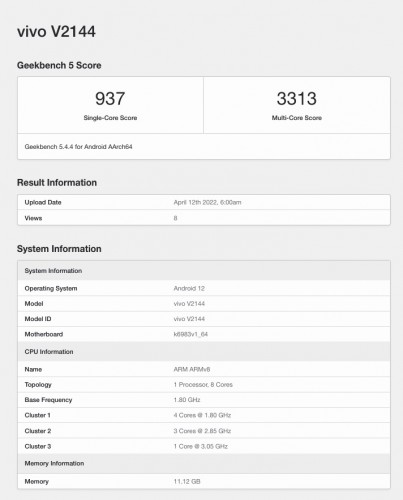
The three-strong vivo X80 lineup is expected to arrive soon and two of the phones were spotted on BIS India’s database. The vivo X80 (V2144) and vivo X80 Pro+ (V2145) are now certified in India and their market launch should come soon enough. In the meantime, the X80 was also spotted in a Geekbench listing which confirmed the phone is powered by the Dimensity 9000 chipset.
vivo X80 on Geekbench
The Geekbench listing also shows 12GB of RAM and Android 12 on the software side. The vivo X80 managed 937 single core points and 3,313 multi-core points on the tests. The new listings come just a day after the X80 appeared on the Google Play Console which revealed the phone’s curved FHD+ display and punch hole cutout as well as re-confirming the Dimensity 9000 chipset. The X80 Pro+ also ran a Geekbench test last week showcasing its Snapdragon 8 Gen 1 chipset.
:format(webp):no_upscale()/cdn.vox-cdn.com/uploads/chorus_asset/file/13719568/5-min.0.jpg)
:format(webp):no_upscale()/cdn.vox-cdn.com/uploads/chorus_asset/file/11517103/vlcsnap_2018_06_11_13h28m47s708.jpg)
:format(webp):no_upscale()/cdn.vox-cdn.com/uploads/chorus_asset/file/19445803/chrome_2019_12_10_09_38_08.png)