OnePlus Ace debuts with Dimensity 8100 Max and 150W charging
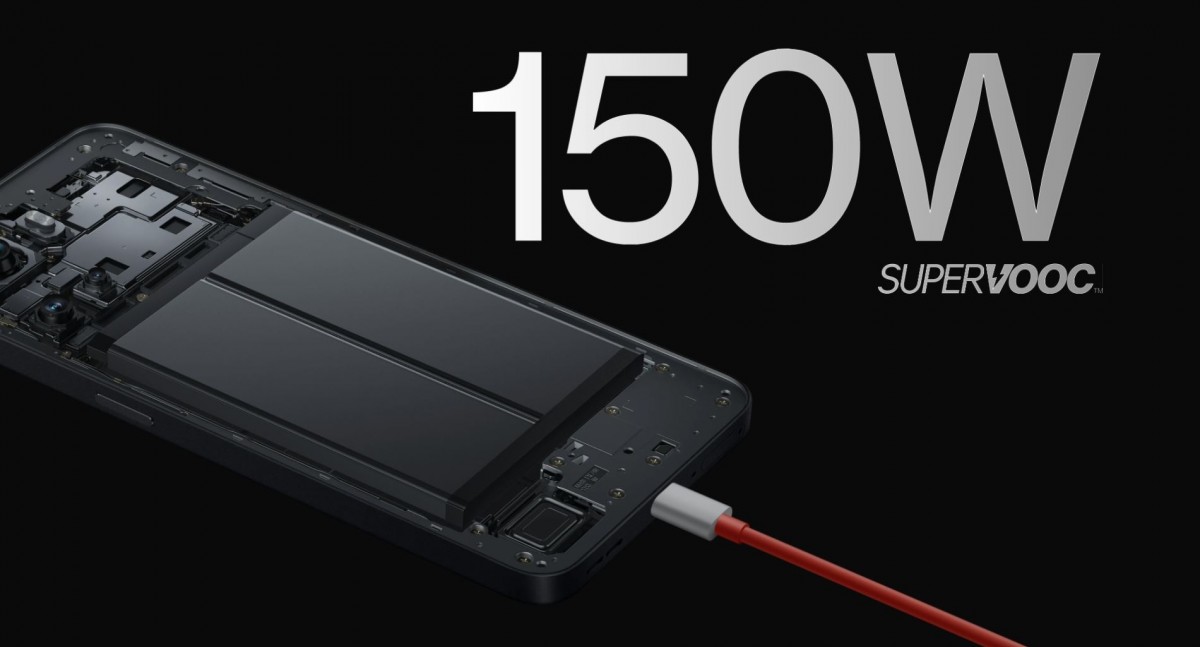
OnePlus turned a new page in history today with the brand new OnePlus Ace smartphone. The first of its kind in the new series, OP Ace was announced in China with a slightly customized Dimensity 8100 Max chipset, 120Hz AMOLED screen and blazing fast 150W charging – giving you a 50% charge in 5 minutes. These specs might sound familiar and there’s a good reason, OnePlus Ace shares plenty of similarities with Realme GT Neo3 – the two companies are under the BBK wing.
OnePlus Ace in black and blue
OnePlus Ace brings a few not-so-common design features for a OnePlus phone. It has a centered hole punch for its 16MP selfie cam – a first for the brand as past OP phones relied on corner cutouts. The brand has had an alert slider since inception. The AMOLED display sports a 6. 7-inch diagonal with FHD+ resolution as well as the aforementioned 120Hz refresh rate.
There’s a 50MP main cam with OIS around the back, joined by an 8MP ultrawide snapper and a 2MP macro cam.
MediaTek’s Dimenisty 8100 Max sits at the helm aided by 8/12GB RAM and up to 512GB of storage. OnePlus didn’t explicitly say what the Max has over the regular Dimensity 8100 apart from improved AI capabilites but we’ll make sure to inform you once more info emerges.
The phone comes with a 4,500 mAh dual-cell battery with 150W SuperVOOC fast charging. OnePlus implemented several battery protective measures which regulate heat and claims the phone should retain over 80% of its battery capacity after 1,600 full charge cycles. Android 12 with ColorOS 12. 1 on top covers the software side.
OnePlus Ace will be available in black and blue colors. The baseline 8/128GB model will sell for CNY 2,499 ($388). There’s an 8/256GB model going for CNY 2,699 ($420) as well as 12/256GB tier for CNY 2,999 ($465) and a top of the line 12/512GB model for CNY 3,499 ($543).
Open sales in China go live on April 26. OnePlus Ace is expected to make its international debut in India as the OnePlus 10R on April 28.
Apple retail fight to organize kicks off as Atlanta workers becomes first to file for union vote
After 9to5Mac reported this weekend that the NYC Apple Store employees started the process toward unionizing, it seems that a retail location in Atlanta will become the first in the U.S. to file a union election, per a report.
According to Bloomberg Law‘s story, the proposed union would include 107 workers at an Apple Store in Cumberland Mall in northwest Atlanta, with 70% of workers signing cards of support and planning to file an election petition with the National Labor Relations Board.
“I think right now is the best time, because we simply feel momentum swinging in the direction of workers,” Derrick Bowles a Cumberland Apple store worker who was also a member of the organizing board, said. “As we sat back and re-evaluated, what we realized is that we love being at Apple – and leaving Apple, that’s not something any of us wants to do. But improving it is something we wanted to do.”
Bloomberg report that organizers plans to raise base wages to $28 an hour, which is $8 more than Apple currently pays. That said, this is still below the living wage of $31 per hour as a single parent with one child needs to live there, according to the Massachussets Institute of Technology.
Organizers say that $28 is the “minimum needed for a single employee to afford a one-bedroom apartment without being rent burdened.”
This demand is similar to what NYC Grand Central Station Apple Store employees are seeking as well, as CNBC’s Kif Lewsing spotted.
For pay, we seek a minimum $30 for all workers, built up on a matrix based on role, tenure, and performance. For benefits, we seek more robust changes, like increased tuition reimbursement, faster accrued and more vacation time, and better retirement options, including higher match rates for 401(k) and enrollment into pension plans. We are interested in safety and health research, including customer interaction protocols, track dust and health effects of building materials and noise pollution at Grand Central.
According to Bloomberg, Apple Store Union’s petition will need to be reviewed and considered by the NLRB. The NLRB would hold an hearing regarding the size of the bargaining unit, as well as other important issues .”
Apple’s Communication Safety feature for kids coming soon to the UK, following US launch
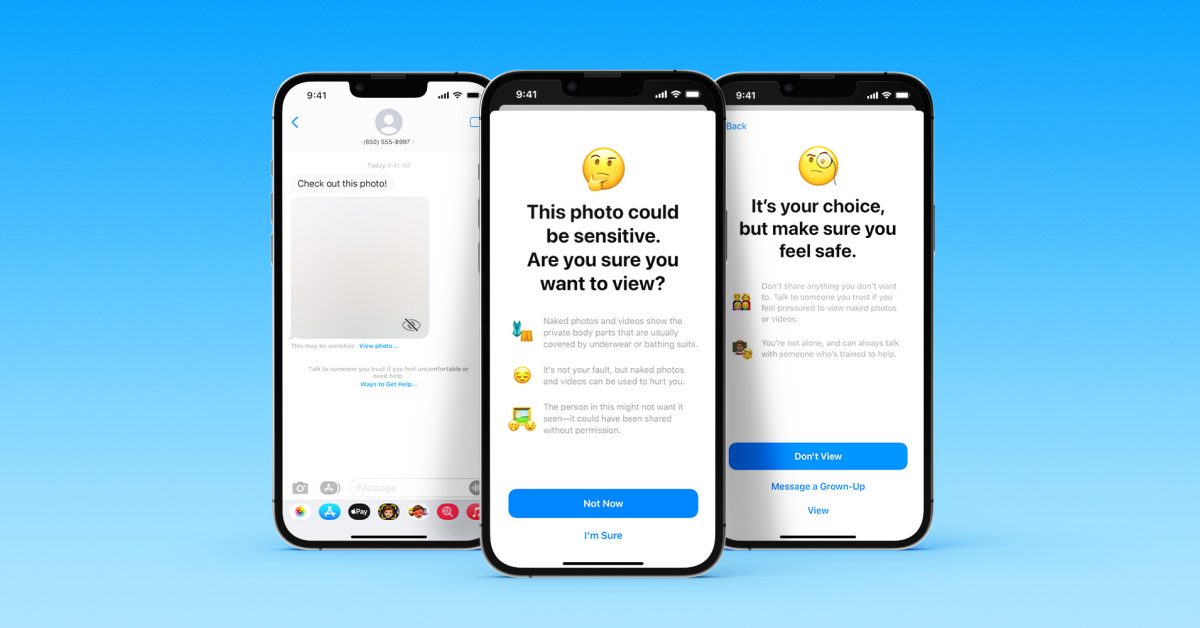
Last December, Apple launched its Communication Safety in Messages feature for kids in the US with iOS 15. 2 that helps protect them from viewing or sharing photos with nudity. The opt-in option that parents can set up will soon be available in the UK.
Reported by the Guardian, Apple has shared its Communication Safety in Messages for children will be coming to British iPhones “soon.”
As a refresher, here’s how Apple describes the opt-in feature:
The Messages app includes tools to warn children when receiving or sending photos that contain nudity. These features are not enabled by default. If parents opt in, these warnings will be turned on for the child accounts in their Family Sharing plan.
When the feature is enabled by a parent using Family Sharing to manage a child’s device, a photo containing nudity “will be blurred and the child will be warned, presented with helpful resources, and reassured it is okay if they do not want to view this photo.”
A similar experience happens if a child attempts to send a photo with nudity. Apple says, “In both cases, children are given the option to message someone they trust for help if they choose.”
Importantly, this feature does not provide Apple with access to any of the photos. All of the processing is done on-device to tell if a photo has nudity and messages retain end-to-end encryption.
It’s unclear if Apple may launch Communication Safety in Messages for UK users when iOS 15. 5 launches to the public or if it will make it available sooner with a server-side switch.
How to enable the kids’ iPhone Messages safety feature
To set up your children’s iPhone Messages safety features (requires family sharing), you will need to use Apple’s Screen Time on an adult device. Read more on setting Family Sharing up here if you haven’t already.
When available in your region:
On an adult’s iPhone or iPad, open the Settings app
Choose Screen Time
Swipe down and choose the child you’d like to set up iPhone Messages safety for
Choose Communication Safety
Tap the toggle at the top next to Check for Sensitive Photos
Breath of the Wild mod Second Wind is an ambitious, massive fan project
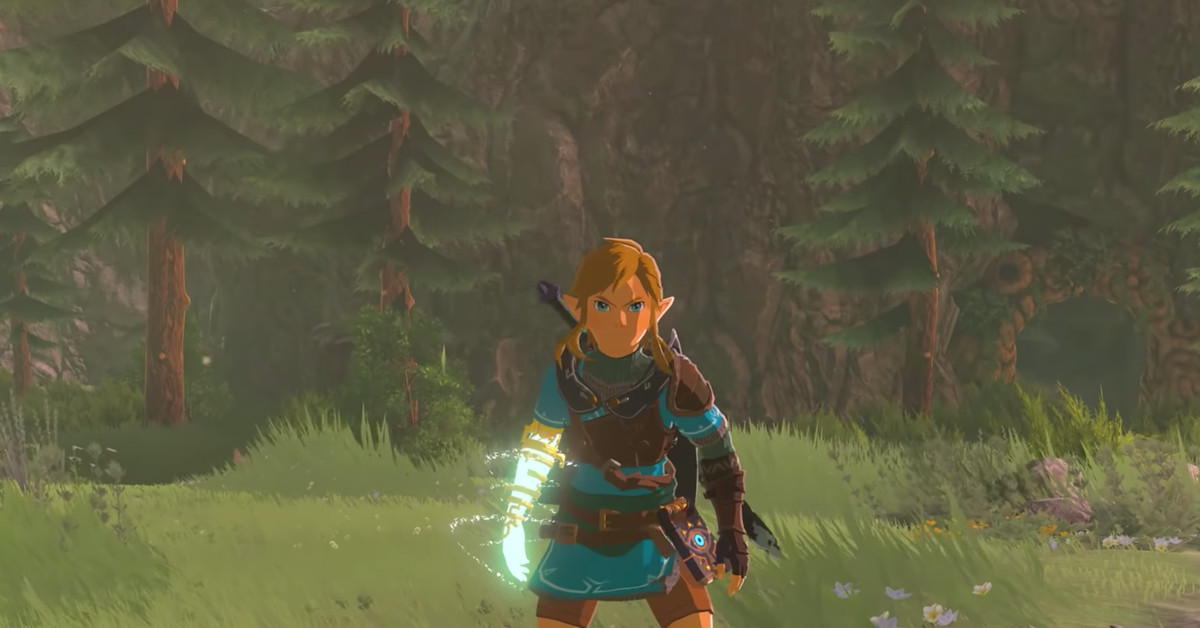
After nearly a year since the last update for The Legend of Zelda: Breath of the Wild‘s still-unnamed sequel, Nintendo recently announced it will delay the game’s release until spring 2023. It seems that good things are for those who wait.
And then there are Zelda fans who decide to make their own games instead.
Take, for example, Jannik Wagner, who goes by Waikuteru online. He and others have used their coding skills to embed mods in Breath of the Wild and share them with the Zelda community — with mods ranging from mechanic enhancements to outlandishly silly avatars. At first, making Breath of the Wild mods provided a way for Wagner to extend the enjoyment of his favorite game. But now, the modder’s work is gaining enough online attention to make him into something of a fan icon.
The Second Wind super-mod
Second Wind, a hobbyist project that’s powered by Wagner and over 50 other Zelda fans, is the mother of all Breath of the Wild mods. Rivaling even Nintendo’s successful Champion’s Ballad DLC, this super-mod is meaty enough that Nintendo could sell it and fans wouldn’t bat an eye. This mod adds new content, including bosses and weapons, quests and an unexplored town.
A close friend of Wagner approached him to take over the project’s programming. Wagner was responsible for the programing of background music and sound effects, camera work and game events. Last year, he created a new mini-project in Second Wind, a potion shop with an NPC called Nancy. You can buy elixirs, which are items that you program with rupees or materials from the shop. The effects of elixirs multiply if purchased in the evening. His other Second Wind mini-mod is a town called Ordon Village, complete with its own main and side quests.
While accustomed to flying solo, Wagner describes working with 50 modders as “a bit different,” but a good experience. “We used GitHub to make the process easier to pull the latest commits [or coded file updates] and then worked with [the files],” he says. “I also worked together with people I mostly knew, so I had a good connection!”
Based in San Francisco, GitHub is an online software platform service used by developers around the world. It’s not open source, but the company encourages hobbyist developers to use its free option to openly share and store Git code like a public backup service.
Shortly before the publication of this story, Wagner said that Second Wind in its entirety was about 60% finished. While there are still more things his group would like to add to it, players can experience the phenomenon via his Discord server. Wagner says that the development of Second Wind has been delayed due to the pandemic’s effects on the personal lives of several modders. He is hopeful that Second Wind will be finished soon, however. And with his primary work on the project done, he continues to experiment with his own Breath of the Wild mods in the meantime.
From player to modder: one fan’s love letter to game design
Image: Jannik Wagner
To many in the online fan community, Wagner’s Breath of the Wild mods aren’t simply part of the niche-within-a-niche modding scene. These mods are overbuilt and over-the-top, but they also have a fun attitude. One could say that Wagner was even a founder of Breath of the Wild‘s exploding modding culture.
Though Wagner is best known for his work on Second Wind, his passion for video games didn’t begin that way. Modding wasn’t on his mind when he got his hands on a copy of Breath of the Wild on its release date in 2017. “I didn’t think much of it since I wasn’t the guy [who did] a lot of stuff with the PC besides playing League of Legends,” he says. The game was a fun casual experience for him.
But when Wagner heard that the game could operate with no frame drops on a Wii U emulator called Cemu, he grew curious. But what if Zelda could have more options?
In 2018, curiosity got the better of him. Wagner experimented with Breath of the Wild on Cemu, as he didn’t want to risk adversely affecting his console. The process proved to be difficult. Legend of Zelda game data is notorious for being tough to swallow. This open-world mammoth called Breath of the Wild was a whole other beast. “I looked into Cemu and had to realize that my PC was not capable of running this game since it didn’t even reach locked 60 [frames per second] on the easy-to-run League of Legends,” he says. He didn’t let that stop him. Armed with research, he built a new gaming PC from scratch that summer with a powerful i7-8700K CPU engine. He tried again.
The results turned out far better than he anticipated.
“I booted up the game with some performance and graphic-enhancing mods and was [blown away] by the gameplay,” says Wagner. “Just awesome!”
From that point on, he was hooked on modding. He tweaked and tinkered to his Hylian heart’s content, adding mod enhancements to Breath of the Wild‘s performance and graphics, and then modded extensions to the game itself. He says, “They must have stimulated something special in my,” “New content for a beloved Nintendo game […] whenever you want, and you can decide the content and quality […] It just sounded like a dream!”
The pipe dream comes to life
Wagner made many of his own custom Breath of the Wild mods before Second Wind, including several inspired by Skyward Sword, a Ghirahim boss fight, a time trial minigame, and even a throwback stage of Whomp’s Fortress from Super Mario 64. He fondly remembers the first mod he made, the Skyward Sword Complete Music Overhaul. In that project, he modded over 200 Skyward Sword music and sound effect files into Breath of the Wild, all for the sake of nostalgia.
“It was the first time that I have invested so much time in such a project. […] It made players happy and gave them a new experience,” he says. “I realized that this shouldn’t be it and more had to come.”
And come it did, in the form of a map editor during the summer of 2019. With it, Wagner discovered how to create his own custom Zeldadungeon in Breath of the Wild, or at least as much of a dungeon as he could with the game’s limited shrine assets. He says, “It was quite difficult for me to design new objects and I only really worked with squares.” But with a little ingenuity, he learned he could import a Skyward Sword game map and create a custom shrine. From there, the Knight Academy, the first mod Wagner showcased on his YouTube channel, was born. He had fewer than 100 subscribers at the time. As of this story going live, he has over 26,000.
It takes him, on average, one to two months to mod a custom dungeon. Wagner was eventually able to modify original items. He imported Ocarina of Time‘s Lon Lon Ranch as a test, and the results were stunningly accurate to the original aesthetics — and even improved upon. His favorite mod is the Breath of the Wild Randomizer, a project he resumed last year after his involvement with Second Wind. He’s spent hundreds of hours on that project and counting.
Breathing new life into an acclaimed favorite
Image: Jannik Wagner
Modding is fast becoming a popular activity in gaming culture. Some companies like Bethesda have embraced fan modding communities as gold mines for audience engagement and content value. Modding is touted by its potential to help programmers in today’s tech-intensive industries.
Like many Zelda fans, Wagner hopes that the sequel to Breath of the Wild will reprise much-needed traditional dungeons and unique items. “I hope that new abilities will allow for creative puzzles,” he says. The patented avatar mechanics spotted by the public last year have certainly caught his eye. “We saw that Link can traverse through terrain, which can result in pretty nifty puzzles, I believe.” Wagner already plans to mod the sequel after he has played the game.
Eagerness aside, could modding be something that he might pursue even harder in his future?
“No doubt,” says Wagner. “It’s very likely I will join and help out on Second Wind once again when I have not too much else on the list! It was a fun experience every time I was involved!”
Apple releases second beta for iOS 15. 5, iPadOS 15. 5, tvOS 15. 5, and watchOS 8. 6 [U]
Update: Now available to public beta testers as well.
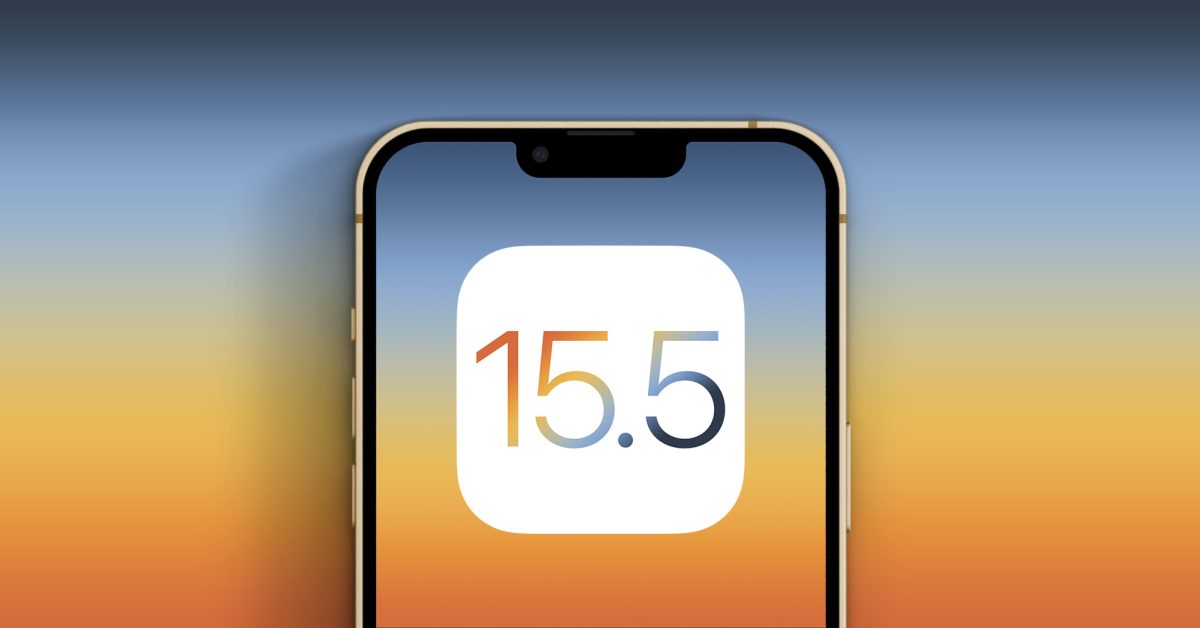
A couple of weeks after releasing the first beta of iOS 15. 5, Apple is seeding the second version for developers. Alongside that, there’s also beta 2 of iPadOS 15. 5, tvOS 15. 5, and watchOS 8.6. For more information, see below.
Today’s build of iOS 15. 5 beta 2 is 19F5057e. Different from iOS 15. 4, which brought some handful of features, this version seems to focus on Wallet updates.
Here are the top features of iOS 15. 5 beta 2 so far:
New Request and Send buttons for Apple Cash in Wallet app.
Physical Apple Card now called ‘Titanium Card’ in Wallet settings.
Apple Pay has been rebranded as ‘Apple Cash’ Messages app.
Rebrand of iTunes Pass as “Apple Account Card” in the Wallet app.
As analyzed by 9to5Mac, iTunes Pass will become a new card called “Apple Account.” This card will be displayed in the Wallet app just like the Apple Card and the Apple Cash card. This way, instead of having to show the QR Code when shopping at an Apple Store, the user will be able to complete the purchase using Apple Pay.
Apart from these changes on iOS 15. 5 beta 2, there’s also a tweak for HomePod 15. 5 software version with a new Wi-Fi signal bars in the Home app.
For iPadOS users, Apple says Universal Control on version 15. 5 requires all devices to be updated to latest betas.
Last but not least, it’s interesting to note that iOS 15. 5 beta also hints to future changes coming to iOS 16, as 9to5Mac exclusively reported here.
If you spot any changes in the new betas from Apple today, let us know in the comments below or on Twitter @9to5Mac. Stay tuned for our full hands-on coverage with the new releases right here at 9to5Mac.
D&D Direct 2022: Watch today’s Dungeons & Dragons live stream here
Hasbro and Wizards of the Coast will livestream the inaugural D&D Direct, a Nintendo Direct-style livestream dedicated to all things Dungeons & Dragons, on Thursday, April 21. Wizards promises “exclusive reveals” across the tabletop role-playing game’s many mediums, including books, video games, entertainment, and, of course, the RPG itself. D&D Direct’s creator teases that there are “a few surprises” in D&D.
D&D Direct kicks off at 12 p.m. EDT/9 a.m. PDT, and will stream live on the official Dungeons & Dragons YouTube and Twitch channels. The show will run approximately 30 minutes, and Wizards of the Coast describes it as “jam-packed.”
We have a good sense of what D&D Direct might cover, which includes at least one new book, Journeys Through the Radiant Citadel, and live-action adaptations of the franchise in both movie and TV show form. There are also two video games: Baldur’s Gate 3, which is still in early access, and an as-yet untitled third-person open-world game from Hidden Path Entertainment.
D&D 5th Edition may also see the return of the Spelljammer and Dragonlance settings, based on hints from Wizards itself. Hasbro and Wizards of the Coast might have additional information about the future of D&D Beyond. This popular online toolset was purchased by Hasbro last week.
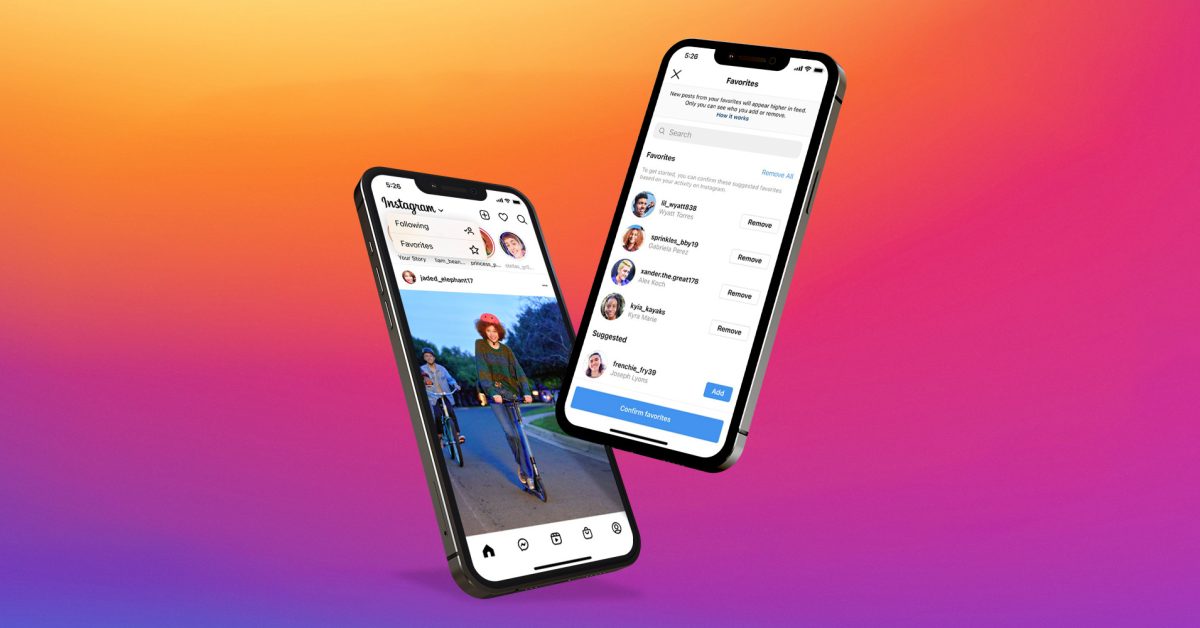
Instagram enables product tags for everyone, committed to rank original content better
Today Adam Mosseri announced that three changes were being made to Instagram. Mosseri said that the company will be concentrating on innovative ways to tag products and brands to better rank original content.
Over this past year, Mosseri has been repeating how important creators are for Instagram – and today was no different.
One of the most important things I have learned about creators from talking with them is the importance of getting credit for their work. We are working to ensure credit is given only to those who merit it.
The first change being made is that every user will now be able to use the product tag feature on posts. This function was already available for a limited number of people, but expanding it to everyone will help “drive some traffic or attention to a business, creator, or a company you love.”
An additional feature that Instagram users will have access to is the enhanced people tags. With that, users will be able to select a category for themselves when going to the edit section on their profiles. So, if your user is from a brand or if you are a photographer, fashion stylist, or whatever, Instagram will make sure to show that in the posts you are tagged in.
Last but not least, Instagram will rank better original content over reposts.
I know many of you doubt ranking but it does make Instagram more valuable for everyone who uses it. This one is specifically focused on this idea of originality. if you create something from the scratch, you should get more credit than if you are resharing something that you found from someone else.
Adam Mosseri also says the company will do more to “try and value original content, particularly compared to reposted content.”
What do you think about these changes. Share your thoughts down in the comment section.
Related:
WhatsApp for iOS rolling out Reactions feature for beta users, another look at group polls
New Features
We’ve added new ways to tag and improved ranking:
– Product Tags – Enhanced Tags – Ranking for originality
Creators play a vital role in the future development of Instagram. We want them to succeed and be recognized for their efforts. pic.twitter.com/PP7Qa10oJr
Kingdom Hearts cutscenes on YouTube are my favorite TV show to rewatch
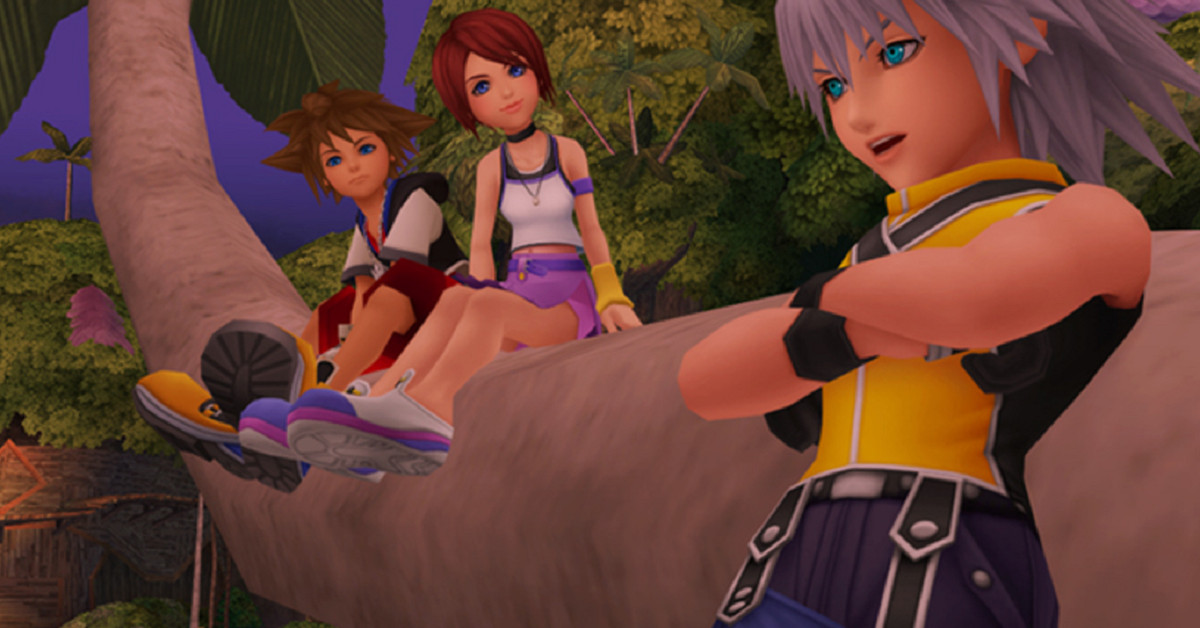
Getting caught up on Kingdom Hearts is a heck of a task. But nothing makes me laugh and cry quite like the crossover fever dream that is this series, no matter how many times I’ve experienced it — and that’s why, whenever I want to revisit the games, I just rewatch all the cutscenes on YouTube instead.
The Kingdom Hearts series is mostly made up of RPGs, and although they aren’t 100-hour time sinks like Persona 5 or Dragon Quest 7, they’re about 30 hours each. I’m not that into the combat grind in these games; the acrobatic Keyblade swinging looks cool in action, but it doesn’t take much more effort than pressing the attack button over and over. That’s all good if you want to sit back and listen to a podcast, or turn your brain off entirely — but the story of Kingdom Hearts is the part I love the most.
I know what you’re thinking. “Really, Maddy? You like the story in Kingdom Hearts? This is the game with corny Disney movie crap in it. How does that mesh with your love of horror movies and Metroid?” First of all, reader, it’s impressive how well you know me. Second of all, Kingdom Hearts is a comedic masterpiece, and I will go to my grave defending its bizarre setups and oddly paced dialogue.
If you watch all of the cutscenes on YouTube, I’m pretty sure you’re going to agree. You’ll start out laughing at Donald Duck’s retorts and Squall’s gruff-voiced seriousness; there is also nothing like watching Aerith and Goofy carry on a conversation about the nature of existence and magic. But then, at some point, after the first hour or two of patently absurd character juxtapositions, you might realize you like the original characters in this story, too: the childlike joy and innocence of the protagonist Sora, or the emo boy affectations of his bestie Riku. (There’s also a girl named Kairi, but this was two decades ago, when female characters were only allowed to be objects of affection.)
By the time you get to the end of Kingdom Hearts 2, you might even be willing to wade into the significantly weirder waters of the intervening games that bridged the gap between 2 and 3. There will be a lot more lore and a lot more characters with the letter X in their name. And once again, all of it will go down a lot easier if you watch it as a series of cutscene compilations on YouTube — ideally experienced as a background TV show on a second monitor. Let the weirdness wash over you. Luxuriate in it, all the way up to the most recent game in the series, Kingdom Hearts 3. Live through, laugh at, and learn to love the full-length performance of Elsa’s “Let It Go” as experienced by Donald, Goofy, and Sora.
If you ask me, watching the games in this way is a much better experience than watching any of the summary videos that Kingdom Hearts fans have attempted. It’s just not the same to hear somebody else explain how many versions of Xehanort exist in this universe. Maybe if there were an actual Kingdom Hearts anime, I’d recommend that, but since that doesn’t exist, watching all of the cutscenes in video game release order has to suffice.
Did I mention Mickey Mouse is in this series, and he wears a Matrix trench coat? Because he’s a badass? And yes, he still has that squeaky voice? Why aren’t you watching this yet? It’s gold, I tell you. Gold!
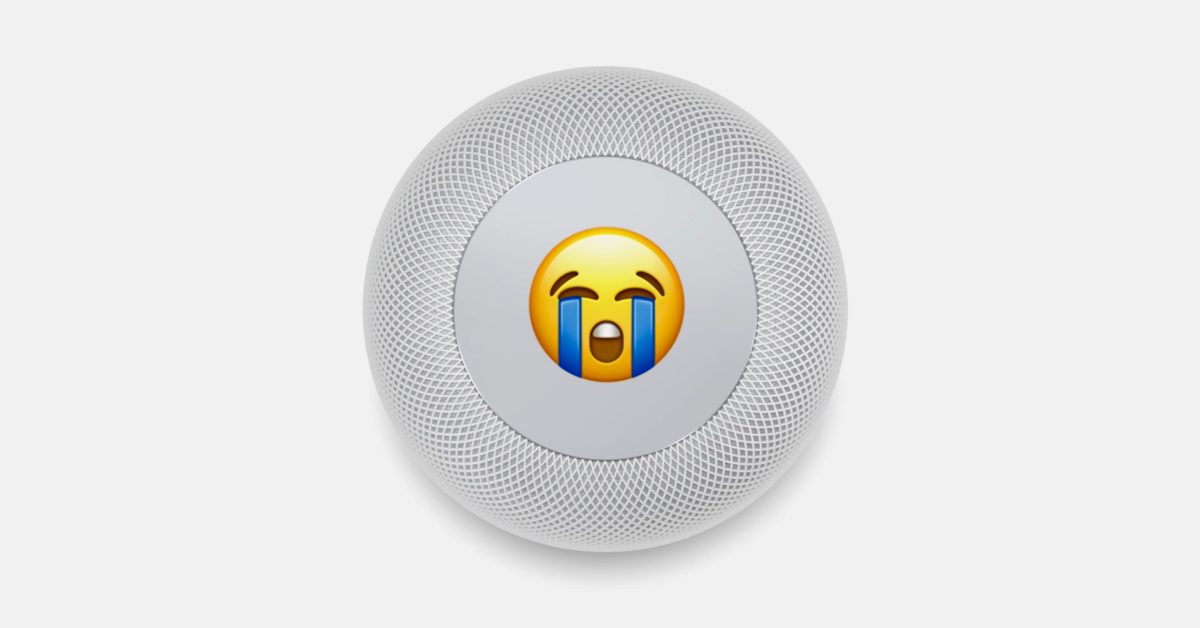
The original HomePod’s demise is a slow and sad one (despite appreciating value)
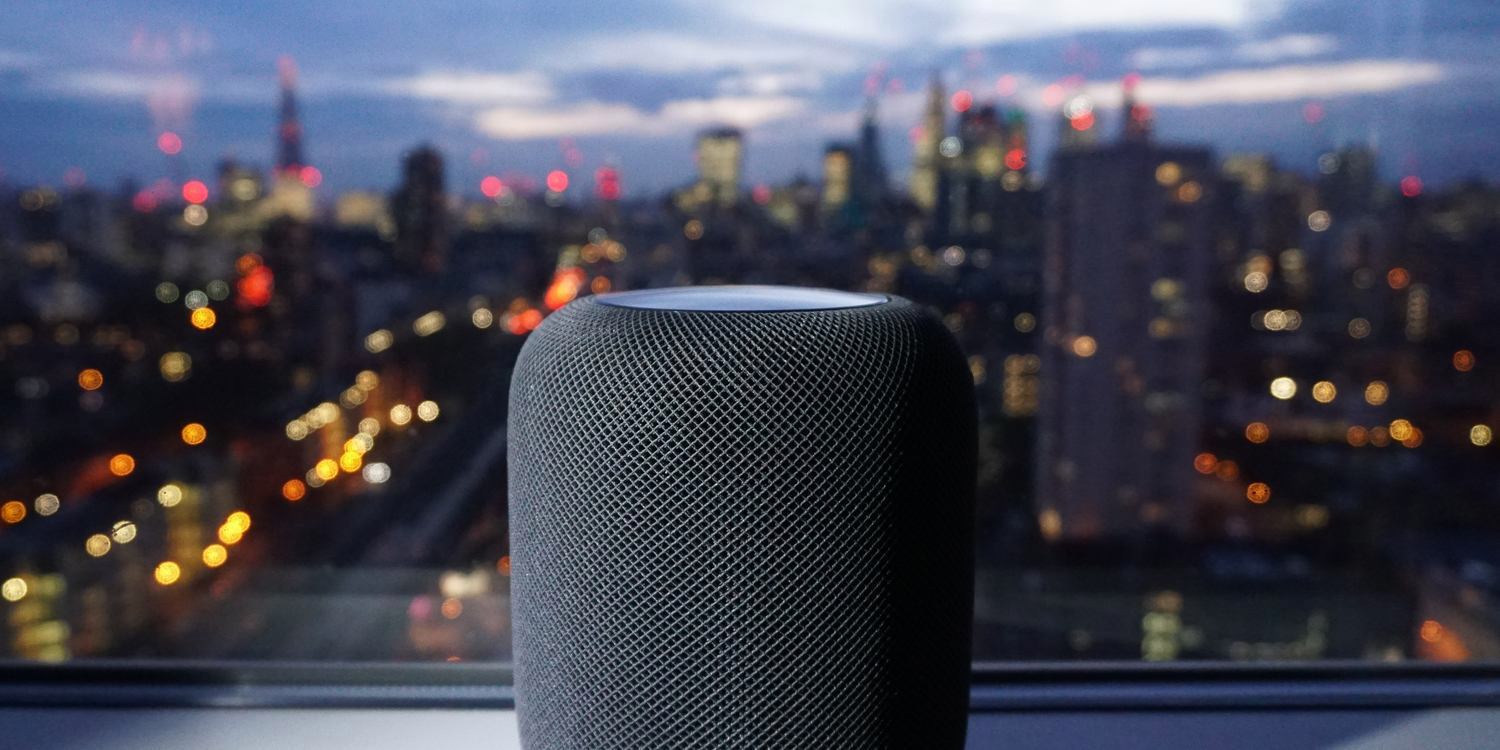
The original HomePod was released by Apple back in 2018 and was ultimately discontinued in March of this year. Now, it’s dying a very slow and very sad death, and I’m starting to wonder if we (or Apple?) might have taken it for granted all along. Hear me out on this one.
Rocky from the start
The HomePod’s launch was rocky from the start. It was announced at WWDC in 2017 with a $350 price tag and a promise of “reinventing home music.”
Apple claimed that the smart speaker would become available later in the year. However, that did not happen. Instead, Apple delayed the HomePod’s release to early 2018, saying at the time that it simply needed “a little more time” to get the smart speaker ready for its big launch.
Apple ultimately released the HomePod to the public on January 26, available in space gray and white for $349. The drama didn’t end there, however. Just over a year later, in April of 2019, Apple did something it very rarely does: it cut the HomePod’s price by $50, giving it a new starting price of $299 in the United States and other countries.
In April 2020, Apple ran a rare promotion exclusively for employees, offering HomePod for $149 in what was viewed as a fire sale at the time. Less than a year later, Apple announced that HomePod was being discontinued, saying in a statement that it was refocusing its efforts on the $99 HomePod mini instead.
A slow, painful death
But the HomePod’s death was not immediate. It lingered in Apple Stores and via the Apple Online Store for several months before ultimately being removed once stock was exhausted. Now, users of the original HomePod are living in a sort-of void, using a speaker that once sold for $349 and is powered by a processor that was first used in the iPhone 6 from 2014.
The HomePod sound quality is still excellent today, but that A8 processor inside shows its age when it comes to things like Siri requests, HomeKit control, and AirPlay playback with multiple speakers.
Furthermore, during the last several months, we’ve seen a growing number of reports of HomePod units failing completely, with a so-called “popping” sound now infamous among users. Your HomePod may be about to die if it starts making loud popping sounds.
And if your original HomePod fails, you won’t have a replacement. It might seem like you could find a HomePod at a low price on eBay. Nope. For a new (and sometimes even a used) HomePod on eBay, you’re looking at a price tag in the ballpark of $500.
Sonos makes some compelling smart speaker options, but they’re different than the original HomePod and lack key features such as deep Apple TV integration. The HomePod mini is an excellent option for Apple lovers, however it doesn’t have the same sound quality as the original HomePod.
HomePod’s future
What does the future hold for the HomePod? Bloomberg has reported that Apple is working on additional HomePod form factors, including a connected TV box with an integrated HomePod speaker and FaceTime camera.
Apple may also be considering smart speakers with touch screens, like the Amazon products. These products do not sound like an upgrade to the HomePod with its immersive sound and room-filling audio quality.
Three years later, I’m starting to wonder if we might have taken the original HomePod for granted. Although it was niche, the product served an important purpose.
In an ideal world, there’s a new HomePod on the way that’s similar to the original model, but with a $249 price tag, a faster processor inside, and better reliability. Whether or not that turns out to be the case, however, remains to be seen.
Read more:
Comment: The state of Apple TV and end of HomePod warrants a Home strategy roundtable
Opinion: HomePod delay coupled with new competition amplifies Apple’s smart speaker challenge
HomePod sales get 180% boost, but a new model ‘may be needed’
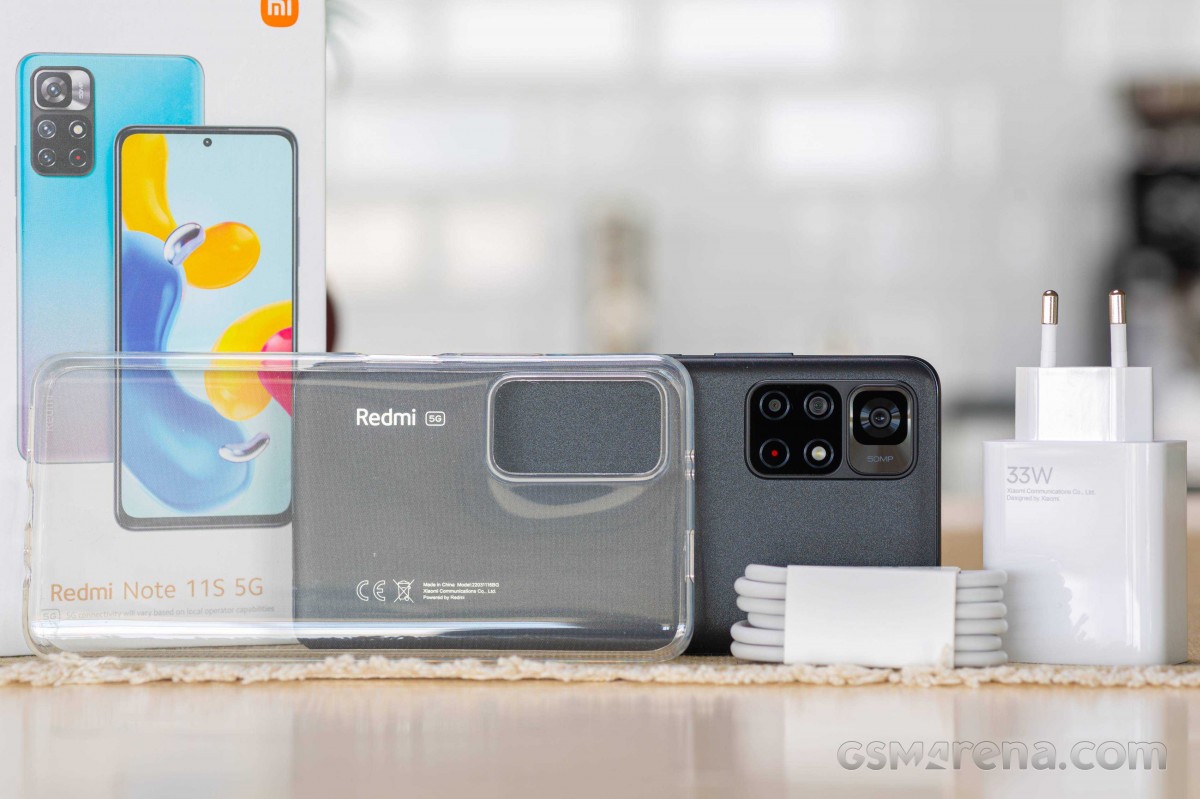
Yet another Redmi Note 11 smartphone that arrived with us for a review. Its full name is Xiaomi Redmi Note 11S 5G, but its hardware bears more resemblance to the Poco M4 Pro 5G (also sold as Redmi Note 11T 5G) than the 4G-only Redmi Note 11S.
The Redmi Note 11S 5G comes with a different 13MP f/2. 4 selfie shooter and an extra 2MP camera on the back and we’ll do our best to establish how much of a difference those two make.
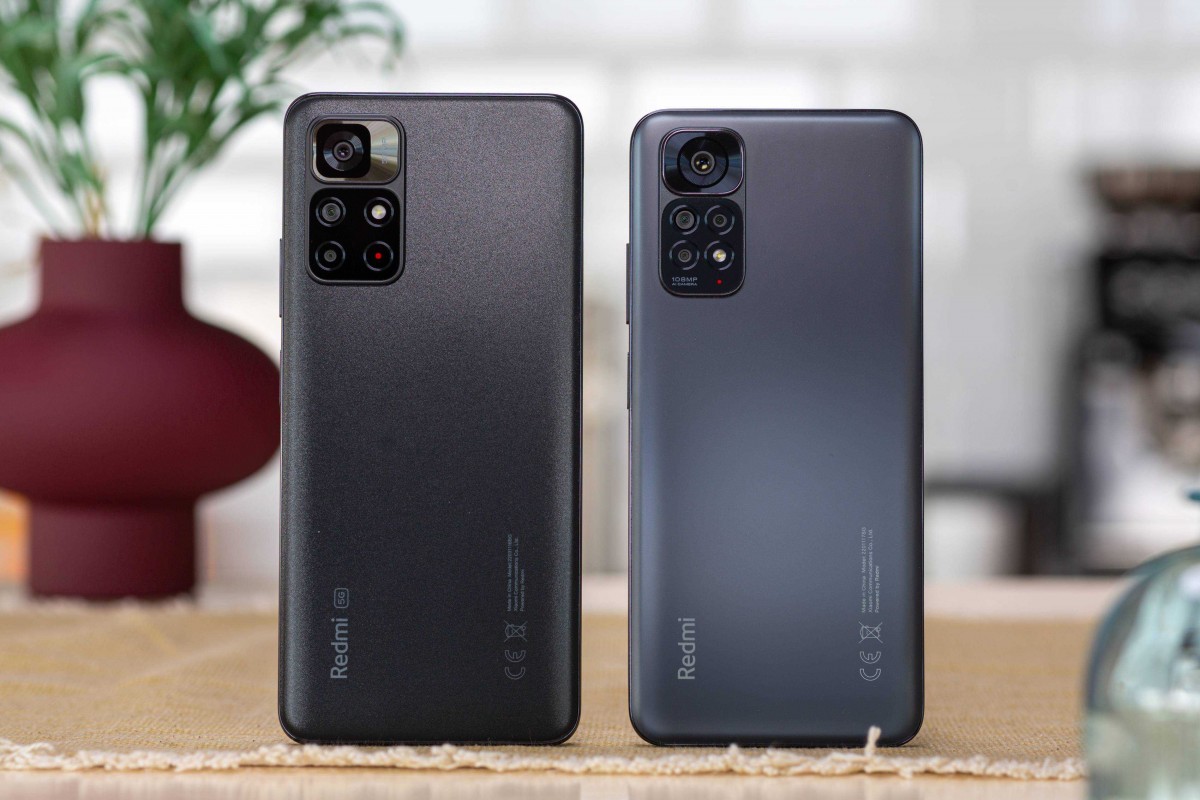
The back of the phone is plastic and not entirely flat, and the sides are made from the same material. Pre-applied screen protectors do not help with the overall feeling.
The body is identical to the Redmi Note 11T 5G and M4 Pro 5G, down to the last millimeter and gram, but the Poco’s back has a far more intriguing design.
Xiaomi Redmi Note 11S 5G vs Xiaomi Redmi Note 11S
Yes, it’s super hard to navigate Xiaomi’s Redmi portfolio, but we’ll do our best to find out if the Redmi Note 11S 5G is one of the phones to get. Stay tuned for the review!






:format(webp):no_upscale()/cdn.vox-cdn.com/uploads/chorus_asset/file/23404447/Screen_Shot_2022_04_13_at_5.50.31_PM.jpg)
:format(webp):no_upscale()/cdn.vox-cdn.com/uploads/chorus_asset/file/23404451/Screen_Shot_2022_04_13_at_5.51.19_PM.jpg)

:format(webp):no_upscale()/cdn.vox-cdn.com/assets/4572897/kingdom_hearts_25remix.jpg)